
17 BEST Things to Do in Budapest in 2026 (+What to Skip)
This post may contain affiliate links, including from Amazon and other trusted partners. If you click a link and make a purchase, we may earn a small commission at no extra cost to you. That said, we only recommend products and services we genuinely use and love. Learn more in our Privacy Policy page.


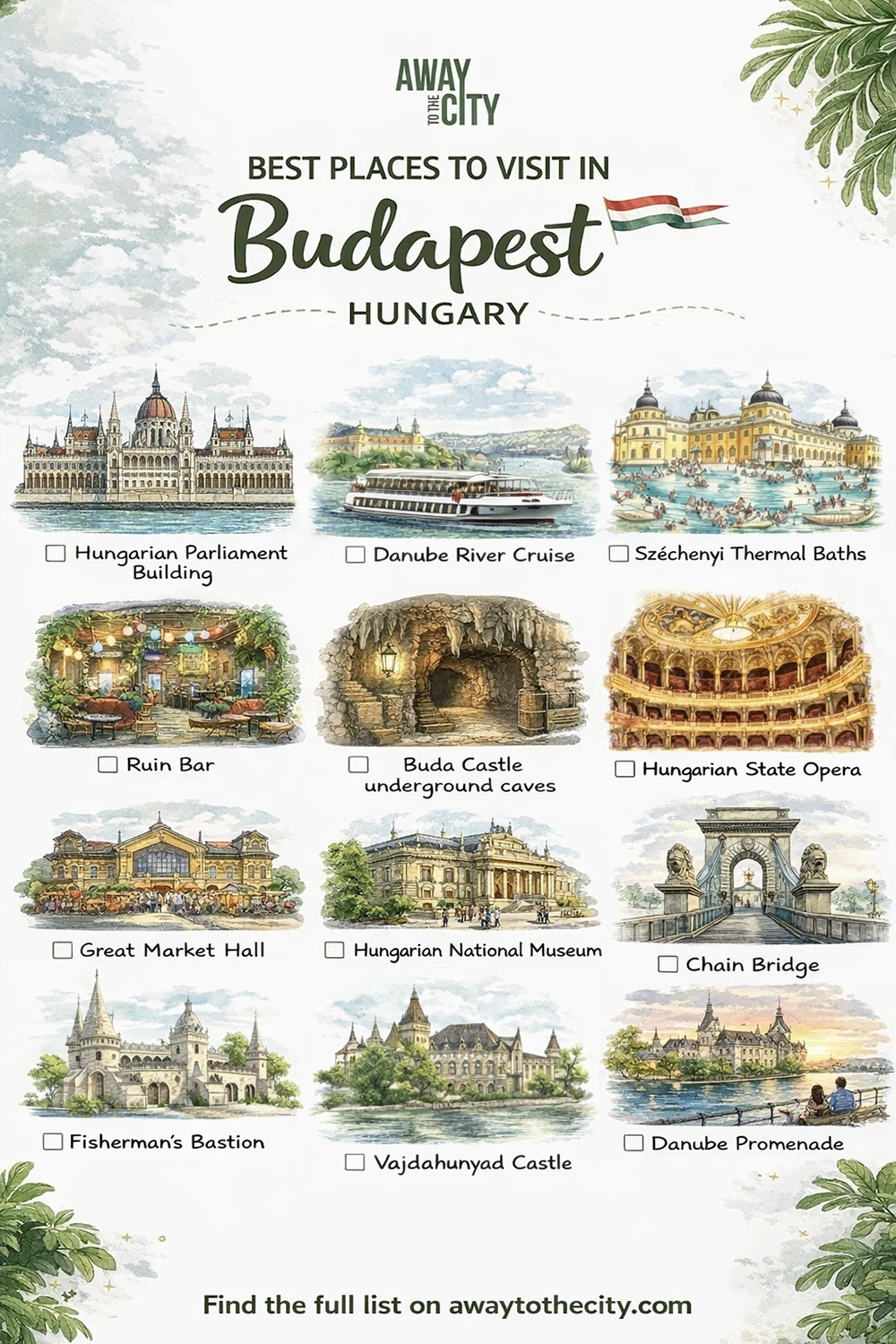


Budapest is one of the most memorable city breaks we’ve ever taken, and that’s saying something. After travelling through 50+ countries and hundreds of cities, Budapest still stood out for its grand architecture, rich history, laid-back energy, and the fact it’s one of the most affordable capitals in Europe.
You’ve probably seen photos of the Parliament glowing along the Danube or the steaming pools at Széchenyi Baths. And yes, they really do look like that in person!
But what makes Budapest so enjoyable isn’t how much there is to do, it’s how little effort it takes to have a great time.
If you’re planning your first trip, this guide covers what we genuinely think are the best things to do in Budapest, from a palace-turned-library that might be one of the most beautiful we’ve ever seen to ruin bars with just the right amount of chaos.
We’ll also flag a few popular places in Budapest that didn’t quite live up to the hype, so you can focus on what’s really worth it.
Don't miss these!
Our top picks for your Budapest trip
Budapest is buzzing year-round, so it’s worth booking a few highlights ahead. These are the ones we’d book again in a heartbeat.
 Top Budapest experiences
- Evening Danube River cruise (our #1 pick, sells out most nights, magical city lights on the water)
- Széchenyi thermal baths (one of the world’s largest spas and a Budapest classic, unforgettable in any season)
- Buda Castle cave tour (fascinating tunnels under the palace, one of our most fun surprises)
 Where to stay in Budapest
- voco Budapest D8 by IHG (our absolute favourite hotel in Budapest, central with a bed we didn't want to leave)
- Hotel Oktogon Haggenmacher (the most atmospheric hotel we've stayed at here, a beautifully restored old mansion)
17 Best Things to Do in Budapest
Budapest is packed with things to see and do, and it’s easy to feel overwhelmed by the options. But don’t worry, we’ve narrowed it down for you. Here are our picks for what to see in Budapest if it’s your first trip:
1. Take a tour of the Hungarian Parliament Building
The Hungarian Parliament Building is one of the most beautiful buildings we’ve ever seen! Its beautiful neo-Gothic architecture, massive size, and riverside location make it stand out.

It reminded us of the iconic Houses of Parliament in London (which we love!), but we must admit the Hungarian Parliament is even more breathtaking.

Did you know? The Hungarian Parliament is one of the largest parliamentary buildings in the world and the largest building in Hungary.
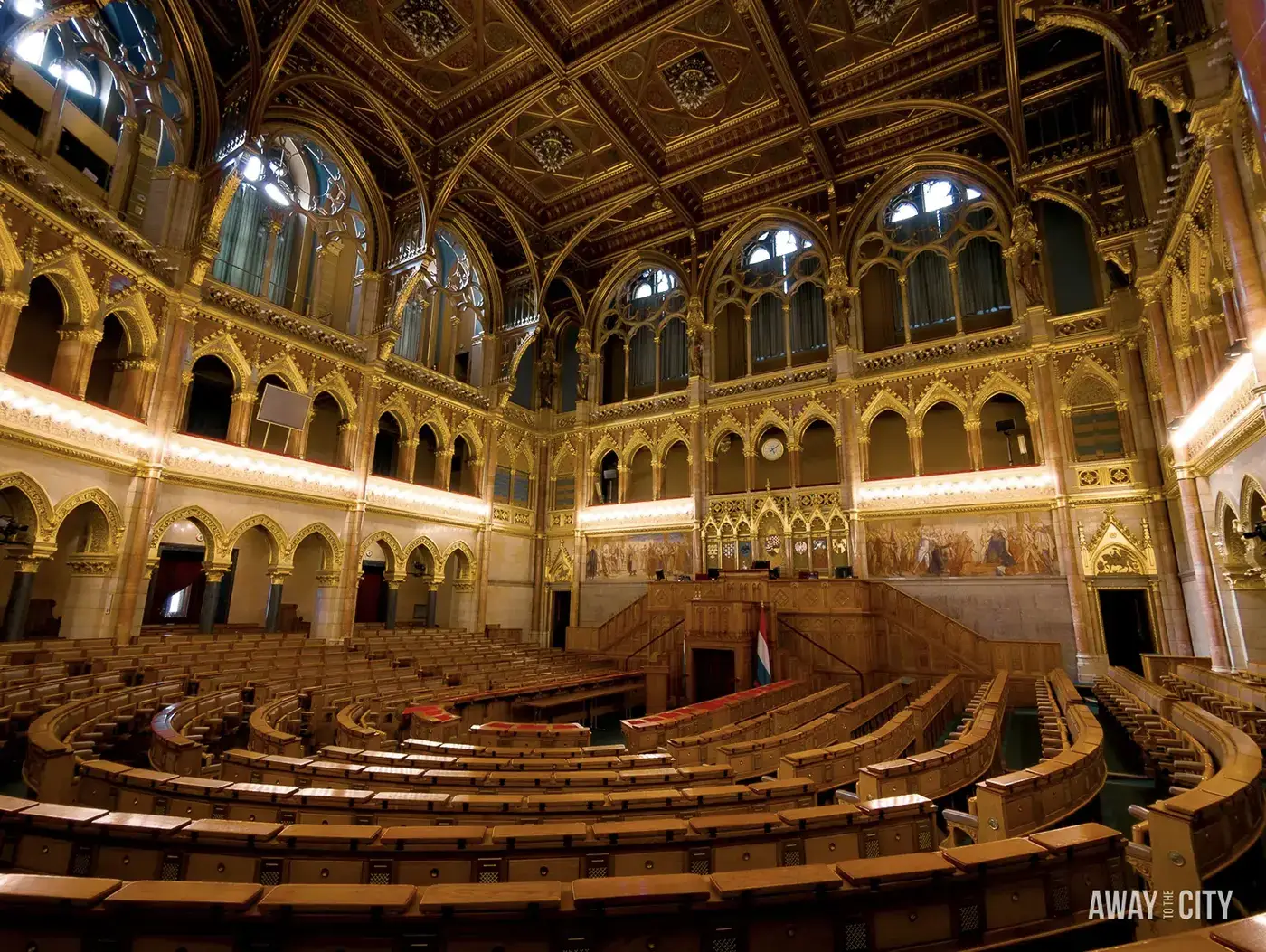
Construction began in 1885 and took 17 years to complete, involving thousands of workers and artisans. It’s a must-see Budapest landmark and a symbol of Hungarian history!
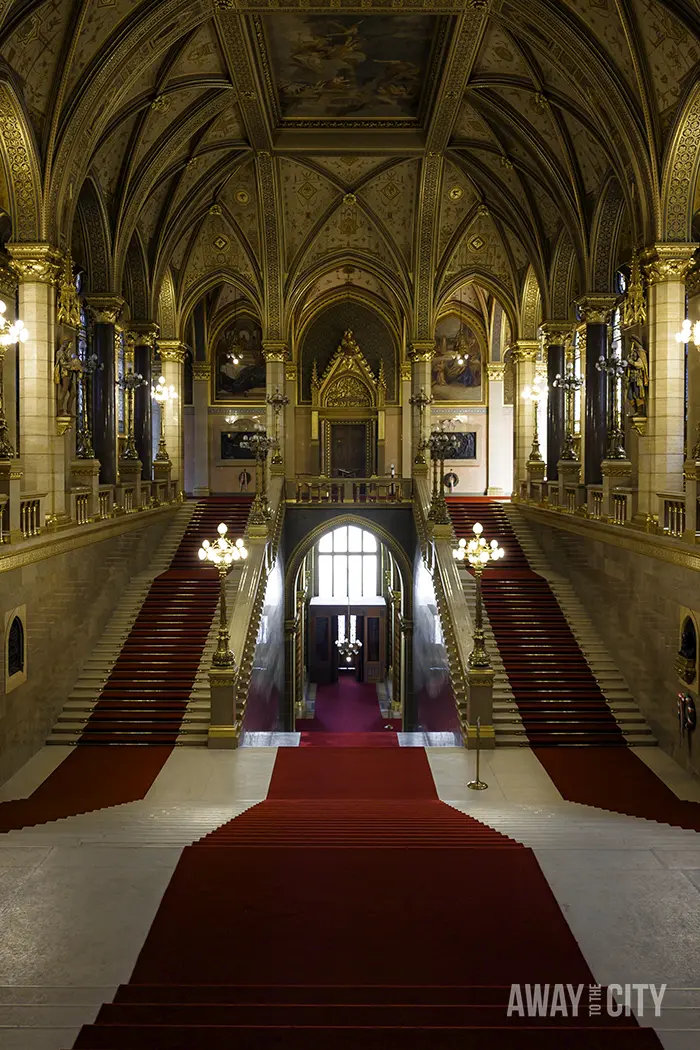
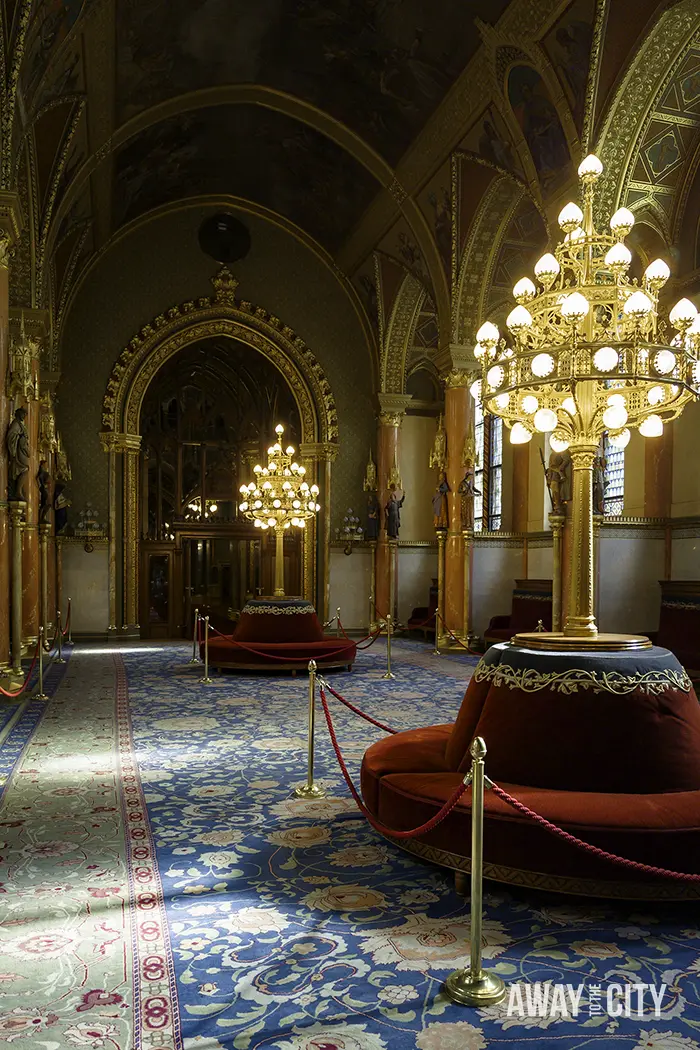
We highly recommend exploring the Parliament Building via a 45-minute guided tour. You’ll see the lavish halls, including the grand main staircase, the lounge of the Chamber of Peers, and the magnificent Dome Hall, where the Hungarian Crown Jewels are kept.
Our Top Tips for Visiting the Hungarian Parliament Building
- Book as early as you can, especially during high season. Tickets can sell out for entire days up to eight weeks in advance. This is one of the attractions you need to pre-book before your Budapest trip!
- If you’ve missed out online, try for same-day tickets at the on-site office. A small number are released each morning from 8am, but they go quickly.
- EEA citizens (all EU countries plus Iceland, Liechtenstein and Norway) can get half-price tickets by booking directly through the official site. Just note that those tickets are non-refundable.
- If you're not from the EEA or would rather have more flexibility, we’d suggest booking your Parliament tour on GetYourGuide. You’ll pay full price, but you get free cancellation up to 24 hours before your visit, which gives you peace of mind if plans change.
Admission and Opening Hours: Admission to the Hungarian Parliament Building costs 7,000 HUF (about £17, US$23, or €19) for EEA citizens and 14,000 HUF (about £34, US$45, or €39) for non-EEA citizens. It’s open from 8am-4pm from November to March, and 8am-6pm from April to October.
🏛️ See one of Europe’s most stunning buildings. Book your Parliament tour before tickets sell out (free cancellation included!).
2. Cruise along the Danube River
One of our favourite things in Budapest was a sightseeing cruise on the Danube River. It offers unmatched views of Budapest's famous landmarks, such as the Hungarian Parliament Building, Buda Castle, and the Chain Bridge.
Cruising along the Danube is a relaxing way to see the city, and it’s one of the best things to do in Budapest at night when everything is beautifully lit up.
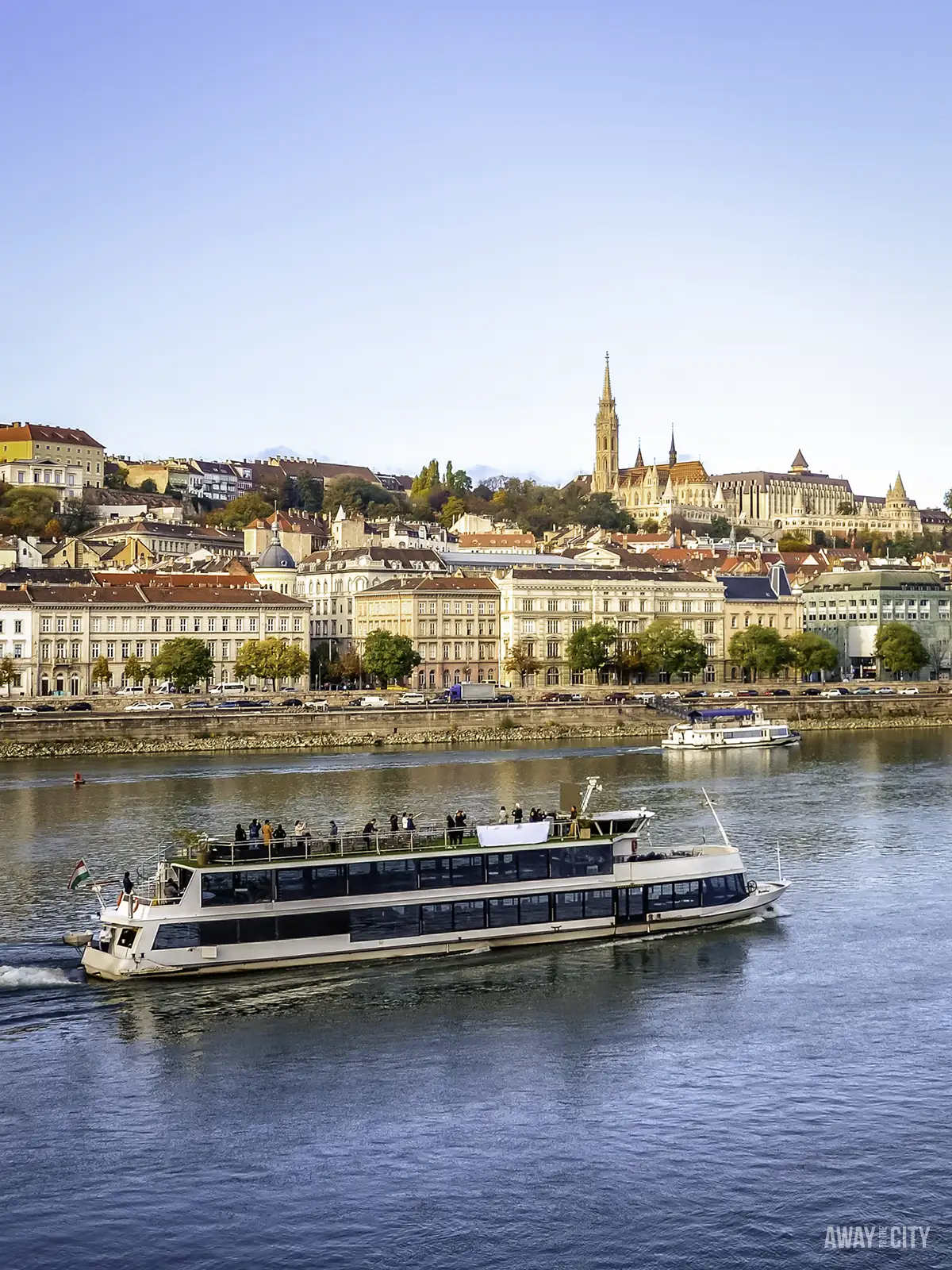
There are various Budapest Danube River cruises to choose from, catering to different preferences and budgets (we did this cruise and loved it!).
We tried both a daytime and an evening cruise, and while the views were great in daylight, the night cruise was the one we’d book again. Seeing the Parliament lit up from the water just felt extra special.
✨ See Budapest sparkle after dark. Join the night cruise we loved and enjoy unbeatable views with a drink in hand.
3. Relax at the Széchenyi Thermal Baths
A Budapest city trip isn’t complete without experiencing one of its thermal baths! In fact, more than 60% of tourists in Budapest visit at least one of the city’s historic spas during their trip.
Soaking in the warm thermal waters is a great way to unwind after a day of sightseeing. Plus, visiting a bathhouse is an essential part of Budapest's culture and history, so you can experience a local tradition.
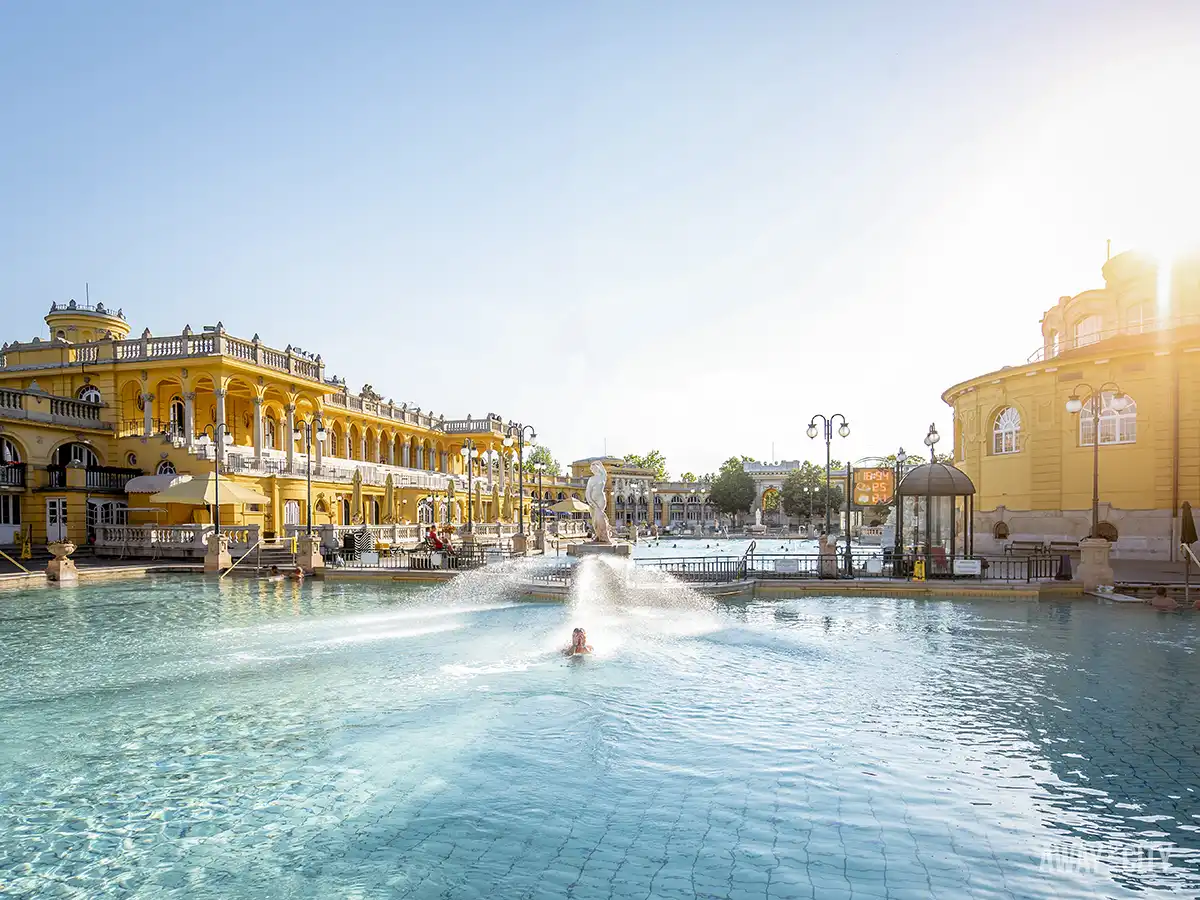
Budapest has many thermal baths, each with its own unique character. Some focus on relaxation with saunas, steam rooms, and massage services. Others have more historical significance or a lively atmosphere.
We believe Széchenyi Baths is the best if you can only visit one. It’s Europe’s largest spa bath, with 15 indoor baths and 3 large outdoor swimming pools.
Located in the heart of City Park, it’s housed in a magnificent neo-baroque building. And it has outdoor pools that let you enjoy the fresh air while soaking in warm water.
What about other baths? For a slightly less crowded experience, consider Rudas Thermal Bath (it's Ottoman-era and has a stunning octagonal pool!) or the more neighbourhood-feel Lukács Baths. Gellért Baths is closed for a major renovation until 2028.
Our Top Tips for Visiting Széchenyi Thermal Baths
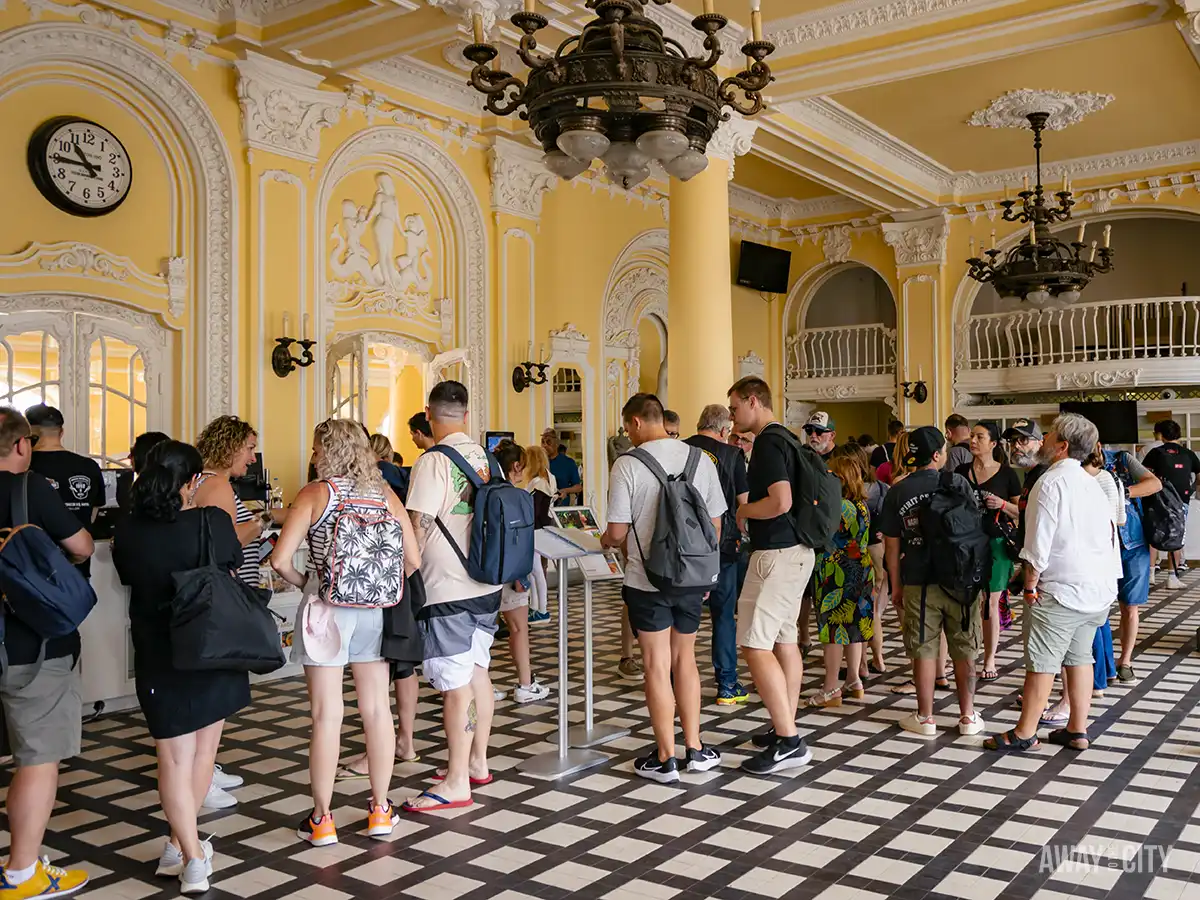
- Széchenyi is the most famous spa in Budapest, so skip the queues by purchasing your tickets online in advance.
- Bring a swimsuit, towel, and flip-flops. Otherwise you have to buy them on-site, and they're not cheap (it's one of the most common tourist mistakes in Budapest). Lockers are available for rent to store your belongings.
- Explore the indoor and outdoor pools, which have varying temperatures. The warmest outdoor pools are popular for socialising, while the cooler ones are suited for relaxation.
Admission and Opening Hours: Széchenyi Thermal Baths are open from 7am-8pm on weekdays and 8am-8pm on weekends. Tickets start from 13,200 HUF (about £32, US$43, or €37), varying with factors like day, time, and locker usage.
💦 Budapest isn’t complete without visiting Europe's largest spa bath. Grab your ticket here for fast entry.
4. Wander around the fairytale towers of Fisherman’s Bastion
Fisherman’s Bastion is one of those places that feels like it belongs in a storybook. With its white stone towers and sweeping views of the city, it’s an absolute must when visiting Budapest.

The design blends Romanesque and Gothic revival styles, and the seven turrets represent the seven Magyar tribes who settled in the region in 895.
Built between 1895 and 1902, it was meant to mark the 1,000th anniversary of the founding of the Hungarian state.

We went early in the morning once and had the place almost to ourselves. By the time we left, it was swarming with people. The difference was night and day.

Did you know? Although it looks like a medieval fortress, it wasn’t built for defence. The name comes from the fishermen’s guild that once protected this part of the city in the Middle Ages.
Right next to the bastion, you’ll find Matthias Church (picture below), a beautiful Gothic church with a rich history. It dates back to 1015 and is one of the most impressive churches in the country.

Our top tip: The terraces are most beautiful at sunrise or sunset, with soft light over the Danube and Parliament Building. It’s also a good idea to go early or later in the day to avoid the crowds. This spot is a favourite among Instagrammers and influencers, so it gets busy fast.
Admission and Opening Hours: All lower terraces and towers are free to enter. The upper towers and walkways have an entrance fee of 1,500 HUF (about £4, US$5, or €4). The lower terraces are open 24/7, and the upper towers from 9am-7pm.
5. Grab a drink in Budapest’s ruin bars
Ruin bars are a Budapest original. Set in old, often crumbling buildings and courtyards, they’ve been turned into vibrant, eclectic hangouts.
You’ll find most of them in the Jewish Quarter, each with its own mix of mismatched furniture, quirky décor and laid-back charm.
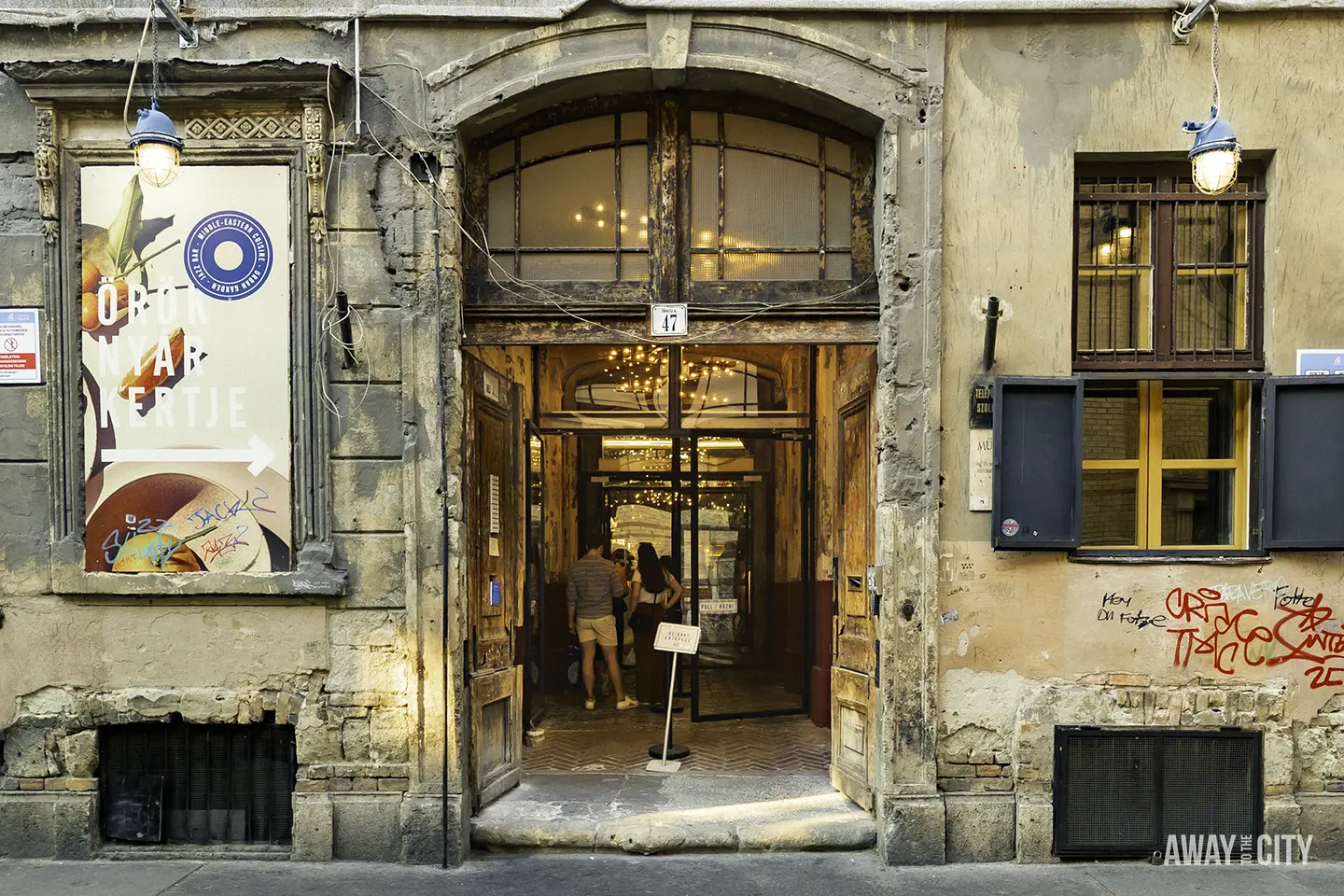

Did you know? The roots of Budapest ruin bars trace back to the early 2000s, when savvy entrepreneurs saw potential in repurposing neglected buildings.

Inside the ruin bars, you’ll typically find multiple rooms with a blend of vintage furniture, unique decor, and lively artwork. Many of them feature live music, making Saturday nights in Budapest unforgettable.
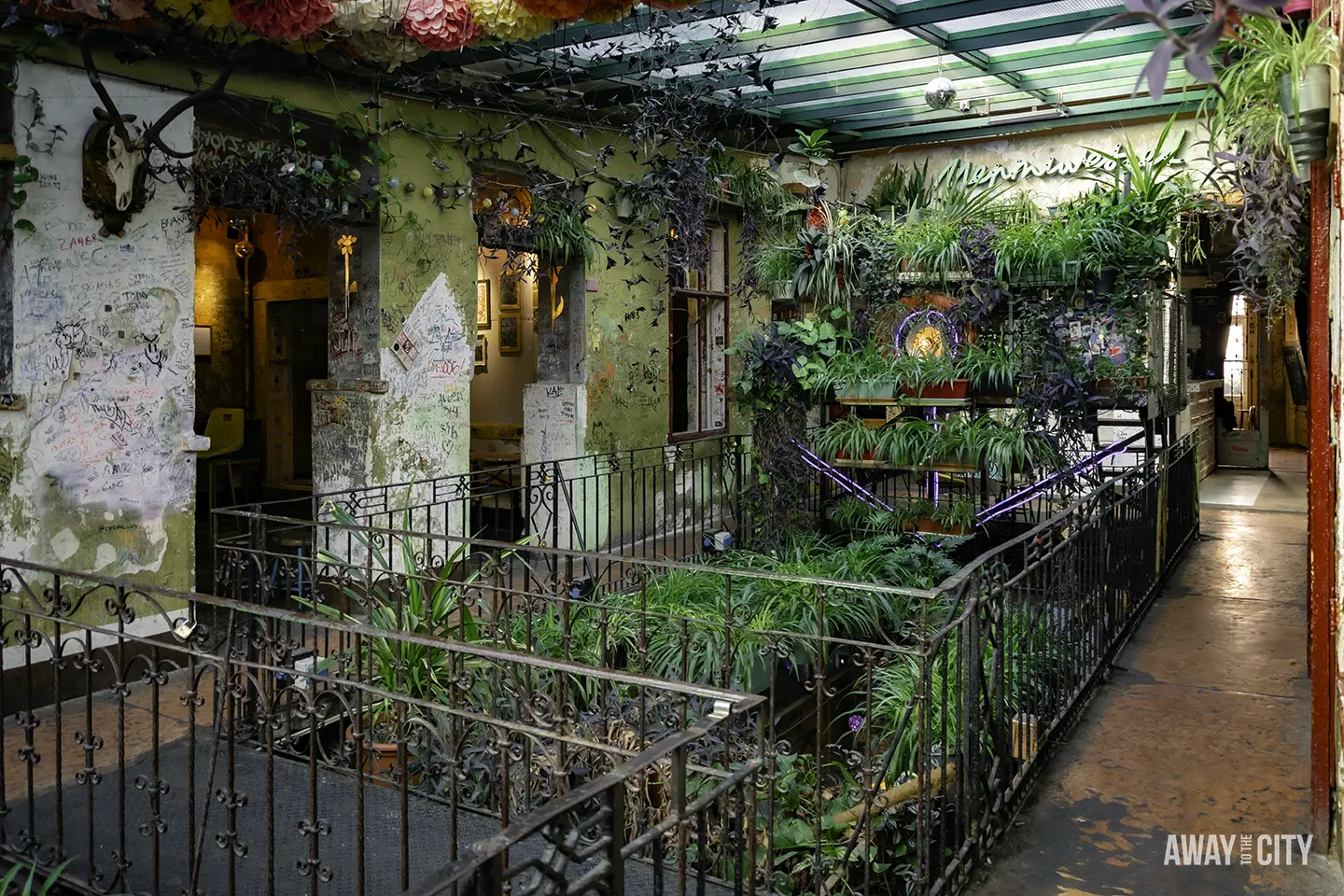
Our Favourite Ruin Bars
We visited many ruin bars during our time in Budapest, but these two really stood out:
Our top tip: If you want someone to show you the ropes, consider joining this ruin bar pub crawl with a local guide to discover some of the best spots and stories behind them.
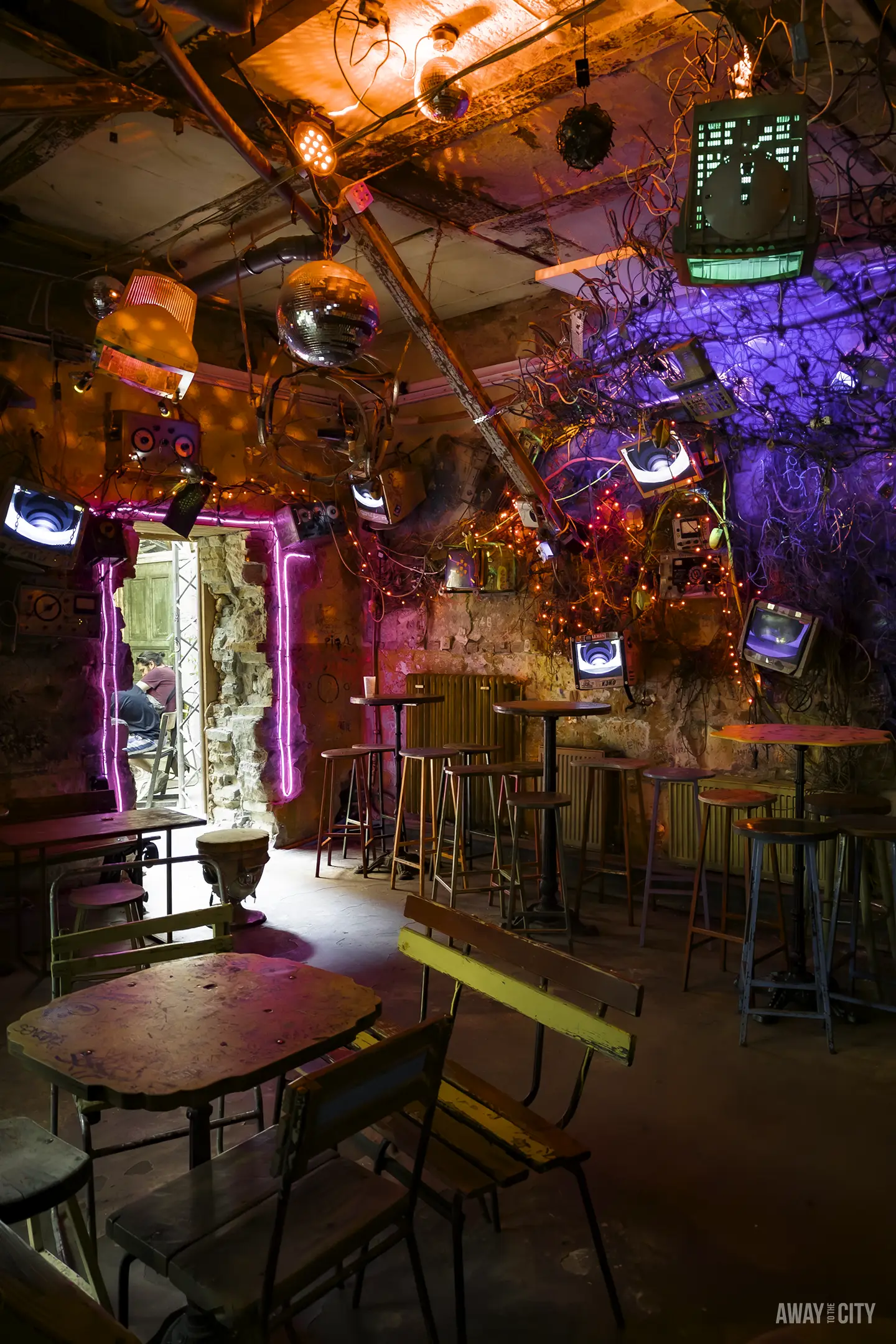
Admission and Opening Hours: Most ruin bars are free to enter, although a few might have a minimum spend. Opening hours vary, but most start late afternoon and stay open into the early morning. It’s best to check ahead if you’re planning to visit a specific one.
6. Go up St Stephen’s Basilica for panoramic views
St Stephen’s Basilica is the largest church in Hungary and is named after Hungary’s first king, King Stephen. Its massive size and grand Neo-Classical architecture make a strong impression.

Did you know? One unique feature inside is “The Holy Right”, a mummified relic of King Stephen’s hand, displayed in a golden container. It’s considered one of Hungary’s most sacred treasures.

The real highlight of the basilica is, without a doubt, the panoramic view from the dome. You can either climb the 364 stairs or take the lift to the top. The 360-degree view over Budapest is especially impressive at sunset.
We walked up the stairs, but on the way down we took the lift. Honestly, the stairs felt part of the experience. If you can manage the climb, go for it!
Our top tip: Book your ticket online so you can head straight in without queuing. St Stephen's Basilica is a popular spot, and the lines can get long. And if you're wondering whether the dome terrace is worth the extra fee, it definitely is.
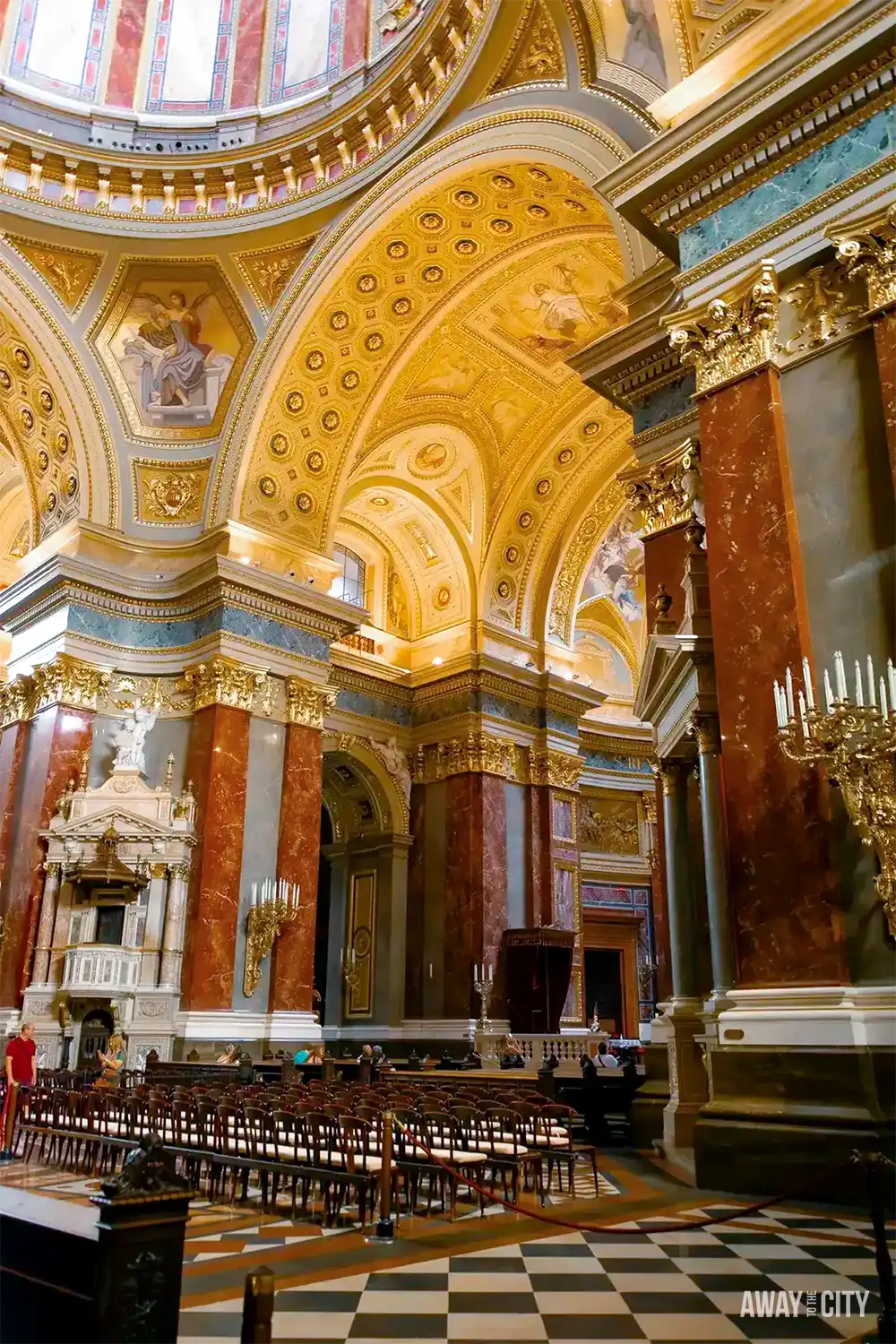
Admission and Opening Hours: Tickets start at 2,600 HUF (about £6, US$8, or €7) for church entry only, and go up to 6,200 HUF (about £14, US$19, or €16) for access to the church, dome terrace, and treasury. The basilica is open Monday to Saturday from 9am-5:15pm, and on Sundays from 12:30pm-5:15pm. The dome terrace and treasury are open daily from 9am-6:30pm.
 Don’t waste time in line. Grab your Basilica ticket here and head straight up for those jaw-dropping views.
7. Explore Buda Castle and its underground caves
Perched on Castle Hill, Buda Castle is a grand historic complex that overlooks the Danube and offers brilliant views across to the Pest side.
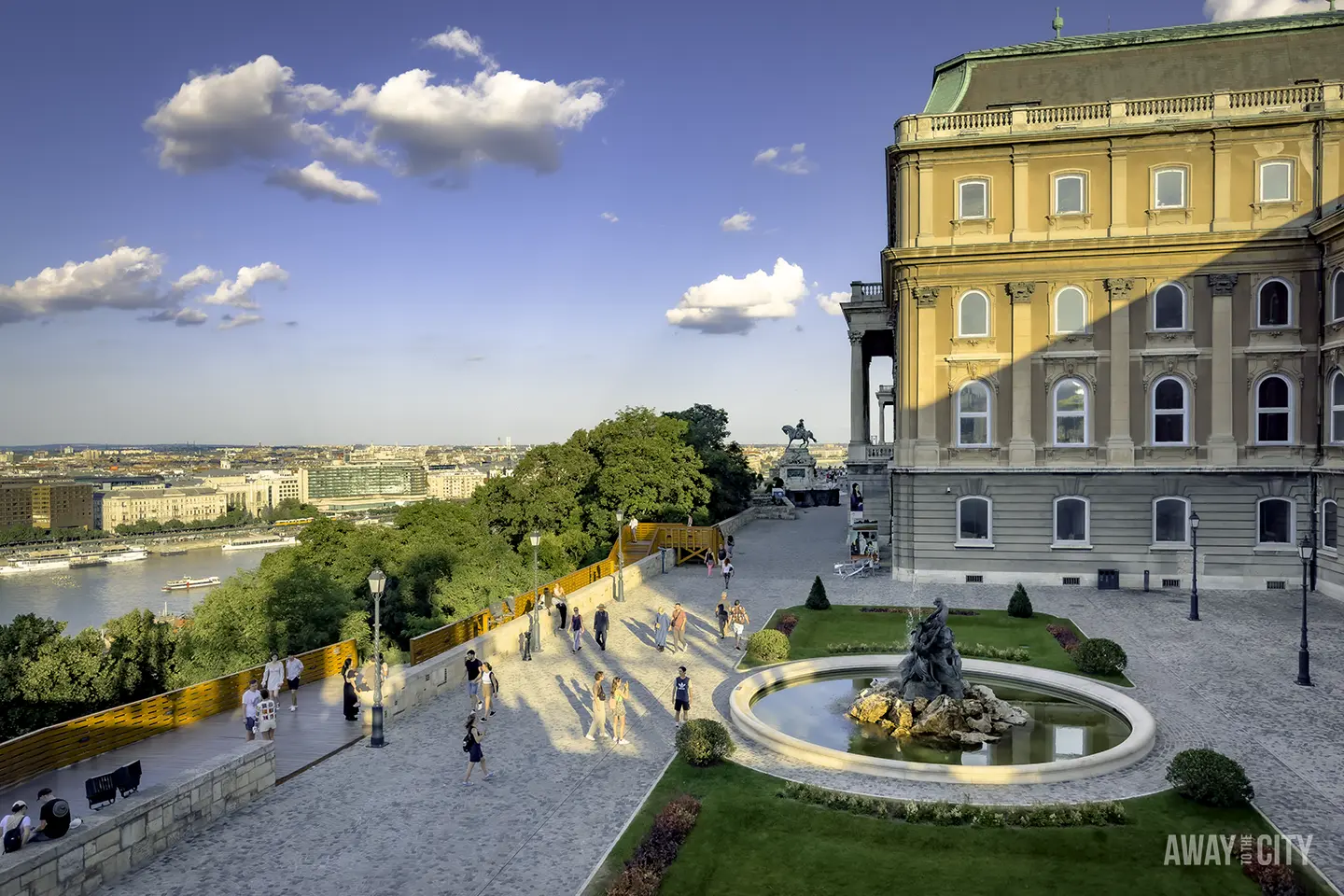
This UNESCO World Heritage Site dates back to the 13th century and has been rebuilt several times, resulting in a blend of Gothic, Renaissance and Baroque architecture.
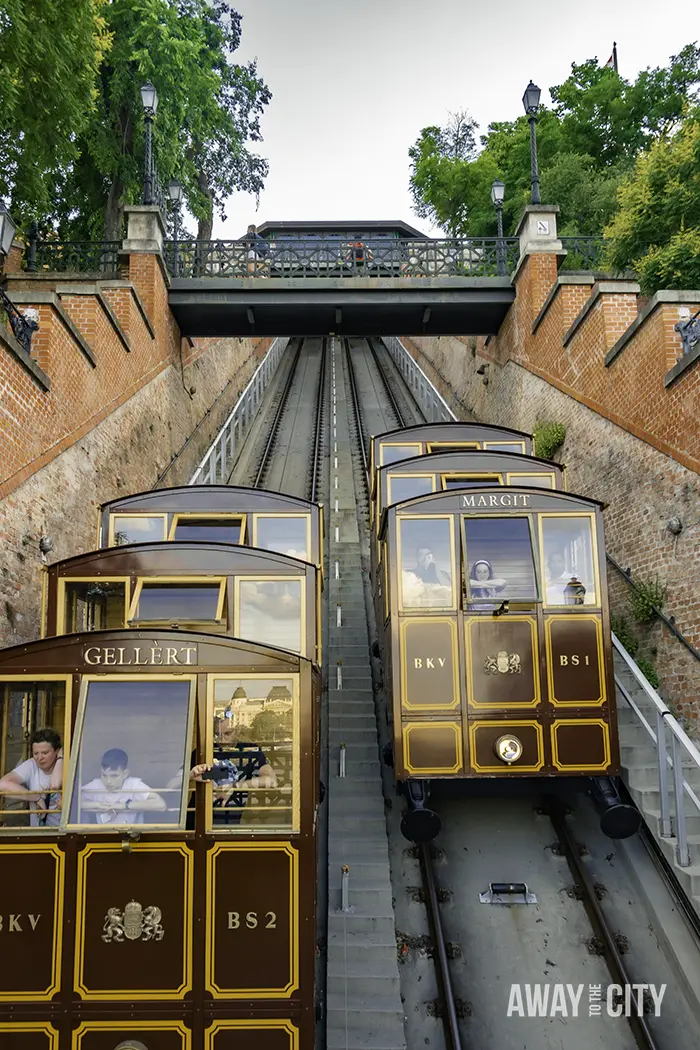
Our top tip: To reach Buda Castle, you can walk up the hill or take the funicular. We recommend walking at least one way (up or down) to enjoy the amazing viewpoints of Budapest.
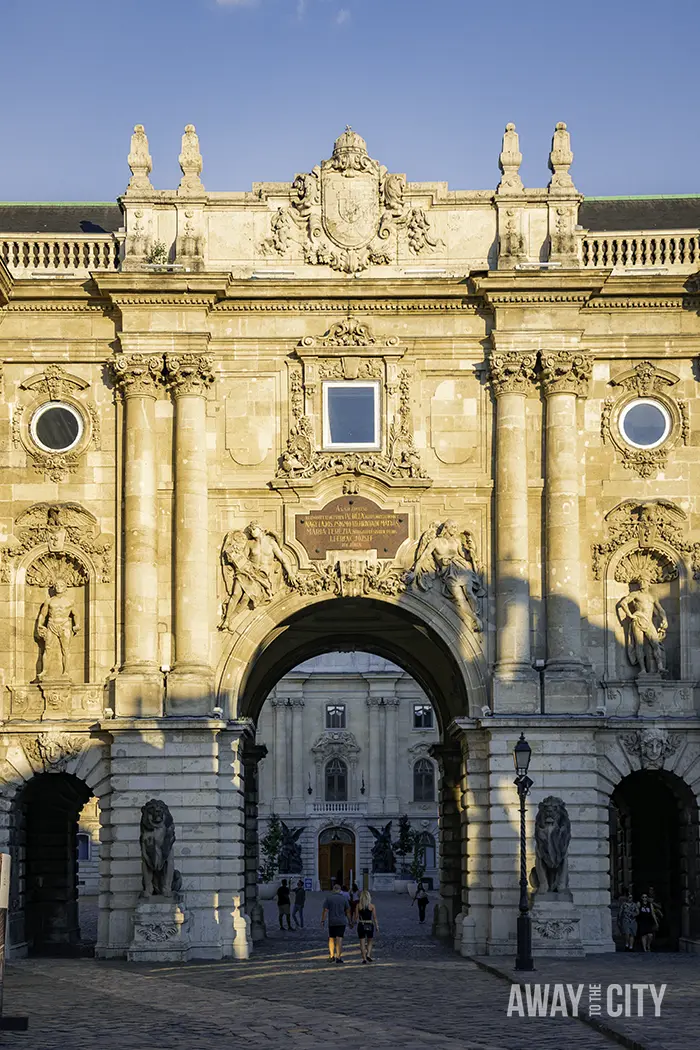
The former royal palace has seen its fair share of history, from Ottoman sieges to Habsburg rule (which you’ll also come across in cities like Vienna and Prague).
After suffering heavy damage during World War II, it was rebuilt in the Baroque style you see today.
Today, it houses several museums, including the Hungarian National Gallery and the Budapest History Museum.
If you only do one thing at Buda Castle, join a cave tour under the palace. We did it, and it was one of our favourite surprises in Budapest.
The tunnels were once wine cellars, bomb shelters and even a prison, and wandering through them felt like a mix of history and adventure. The air down in the caves is cool and damp, so we were glad we had a light jacket.

Admission and Opening Hours: Buda Castle's main courtyard, gardens, and surroundings are free to visit and open 24/7. Attractions within the complex vary in price.
🔦 Curious what’s under the castle? Book the Buda Castle Cave tour we loved and see the underground side of Budapest.
8. See the stunning roof of the House of Music
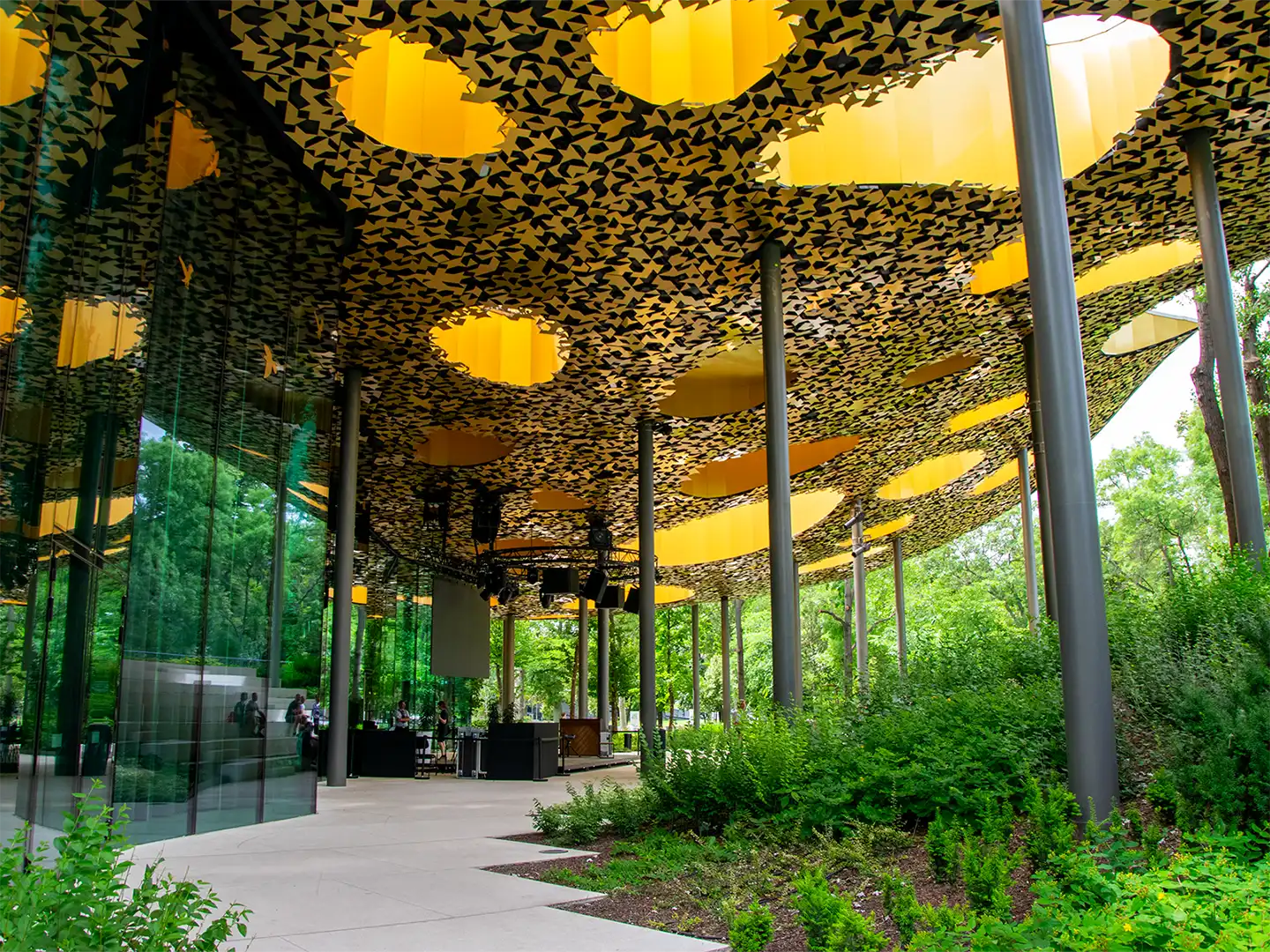
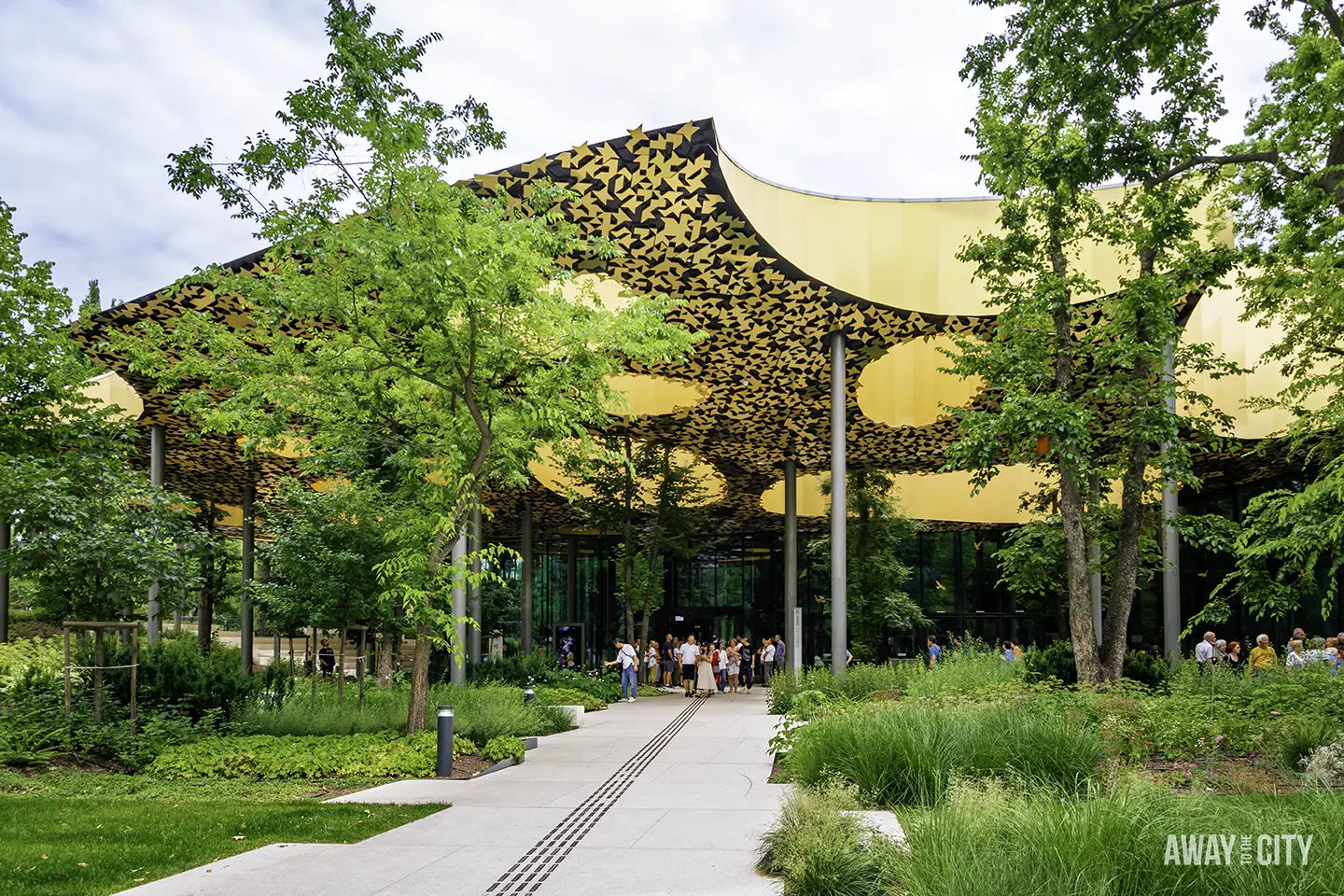
Located in City Park next to Vajdahunyad Castle, the House of Music is one of Budapest’s newer attractions. Designed by Japanese star architect Sou Fujimoto, the building opened in 2022.
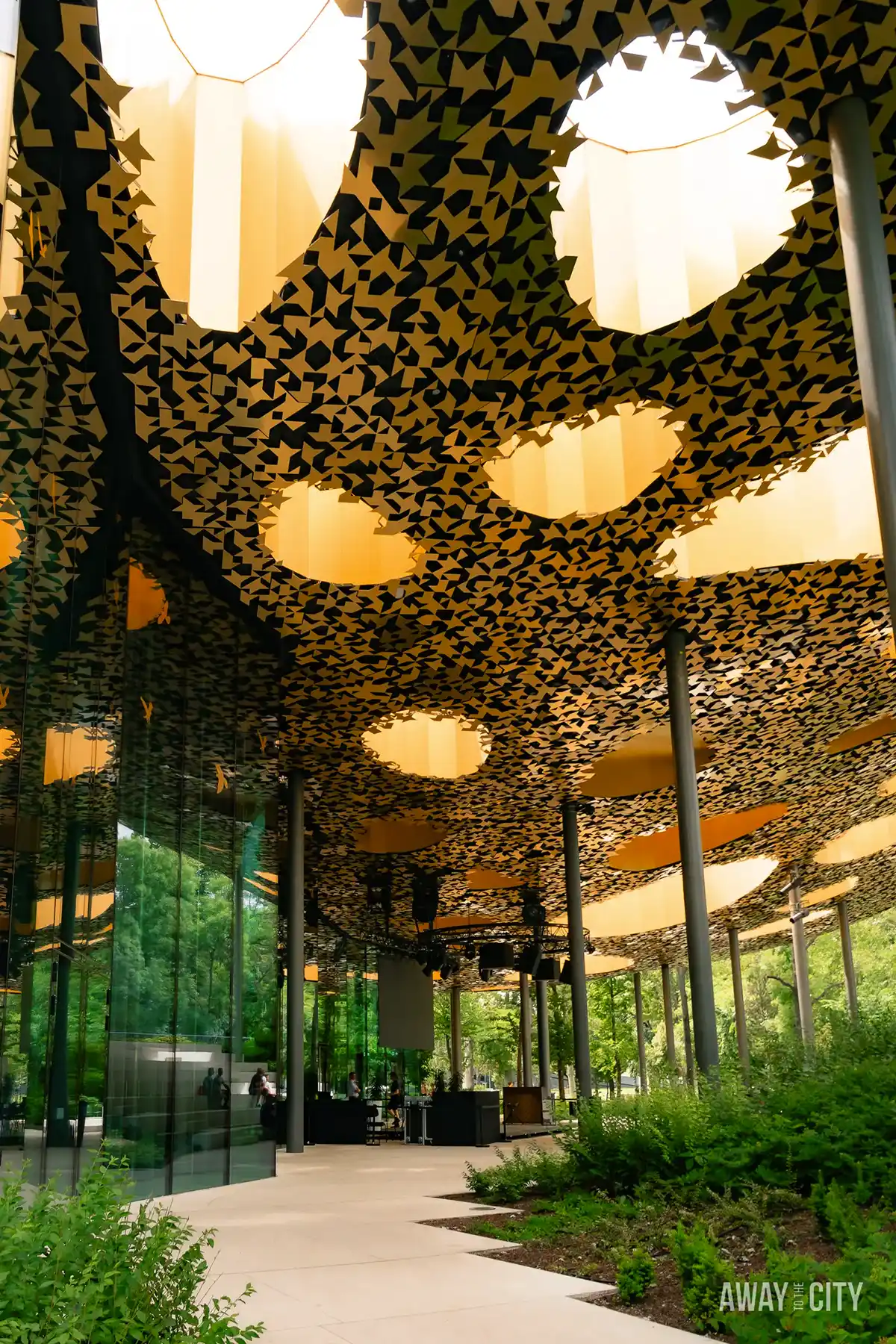
The complex features concert halls, exhibition spaces, and an open-air stage. Most importantly, it has a stunning roof structure and extensive glass panels. The contemporary design of the building is truly impressive!
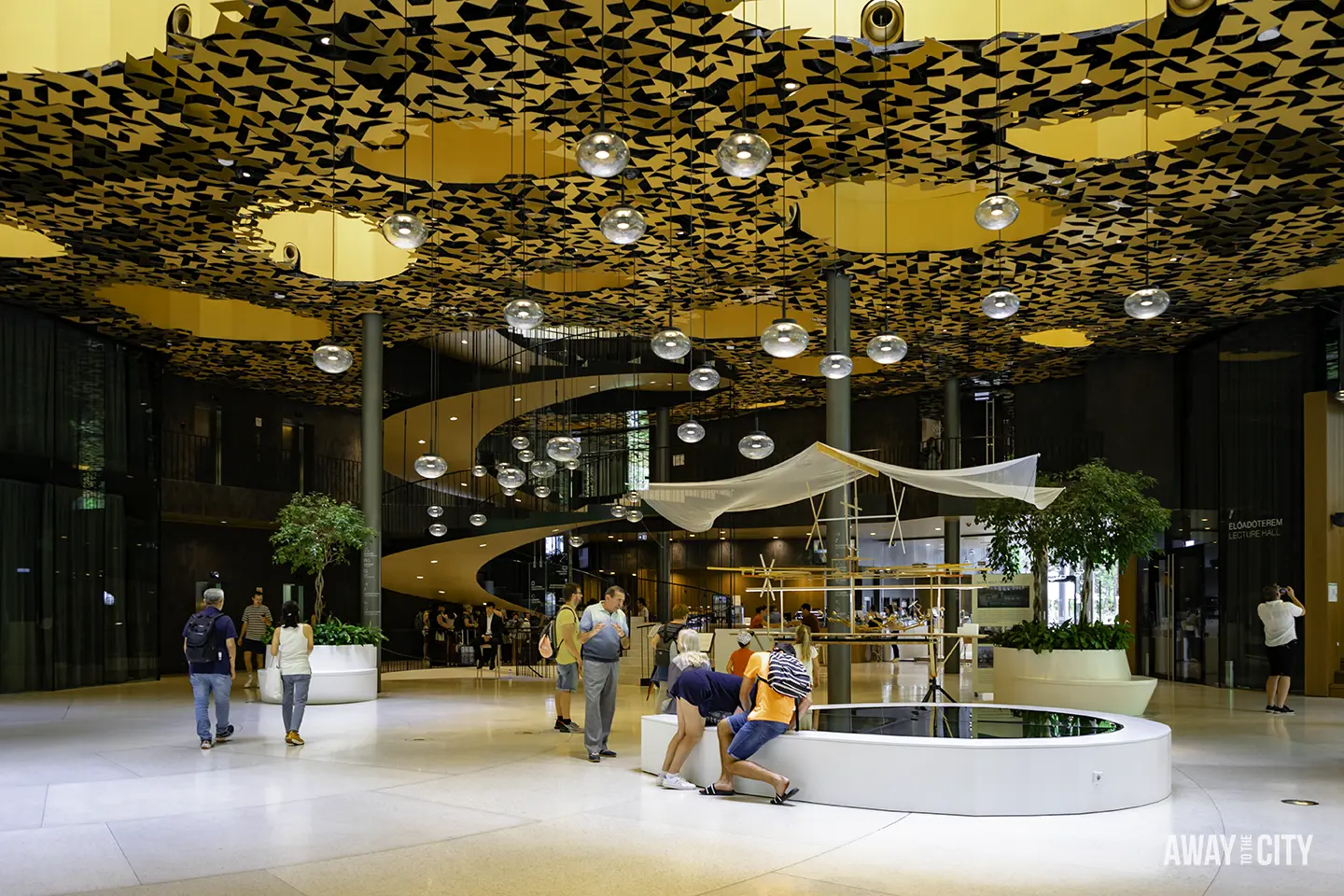
Fujimoto designed the roof as a continuation of the landscape. It has 100 crater-like holes to accommodate trees and allow natural light. Over 30,000 gold-coloured leaves cover the underside of the roof, giving it a futuristic look.
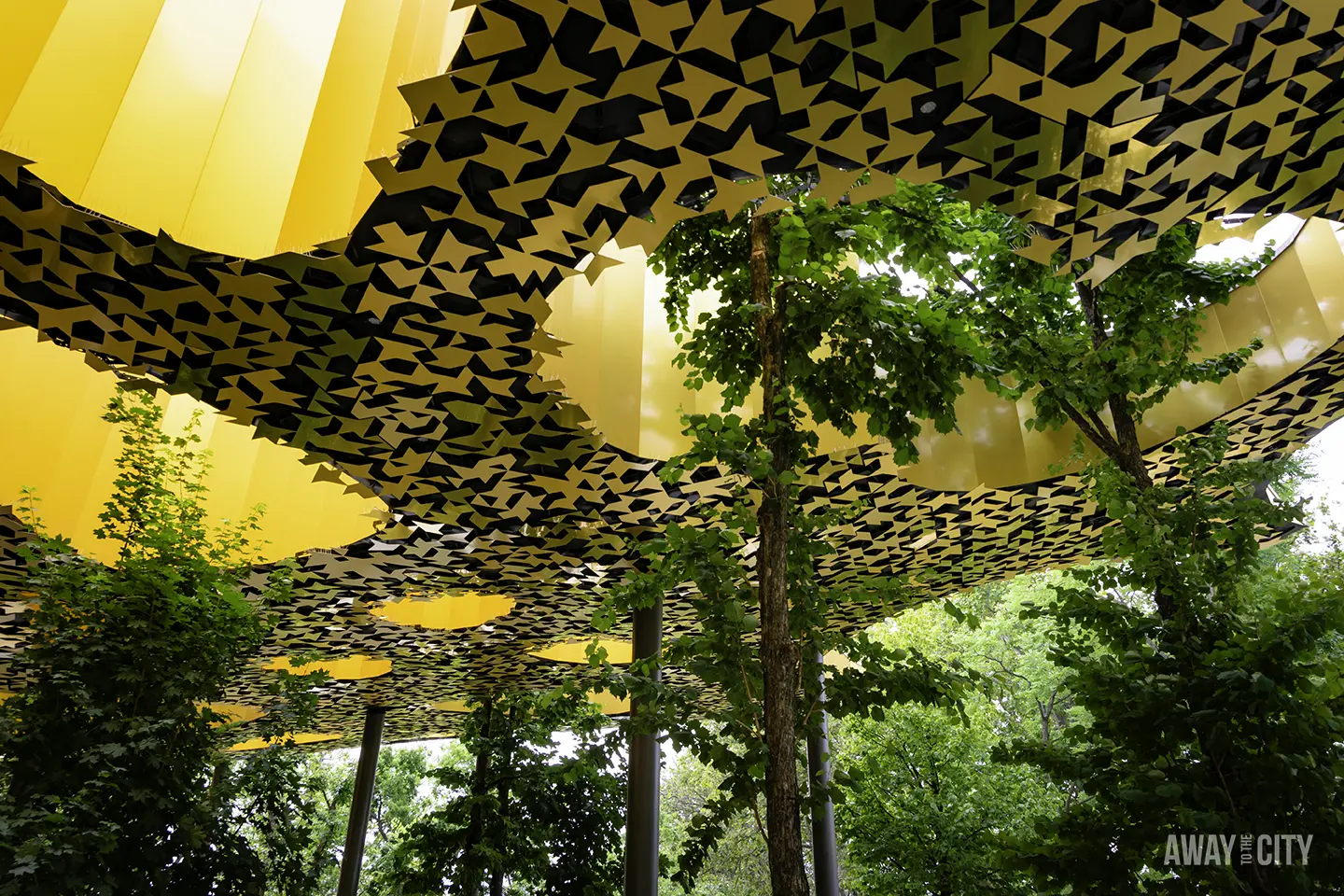
The building has gained worldwide recognition, including the 2019 London International Property Award for the best public building and the top prize at the US Music Cities Awards. This makes the House of Music a must-see in Budapest!
Admission and Opening Hours: The House of Music is free to enter and is open Tuesday through Sunday from 10am-6pm.
9. Take a tour of the Hungarian State Opera
You don’t need to be an opera lover to admire the beauty of the Hungarian State Opera. Opened in 1884, it’s a masterpiece of neo-Renaissance architecture with grand interiors and incredible attention to detail.
While the entrance hall is free to enter, we highly recommend joining a guided tour. In just under an hour, you’ll get to see the breathtaking auditorium, complete with red velvet seats and a stunning ceiling fresco.
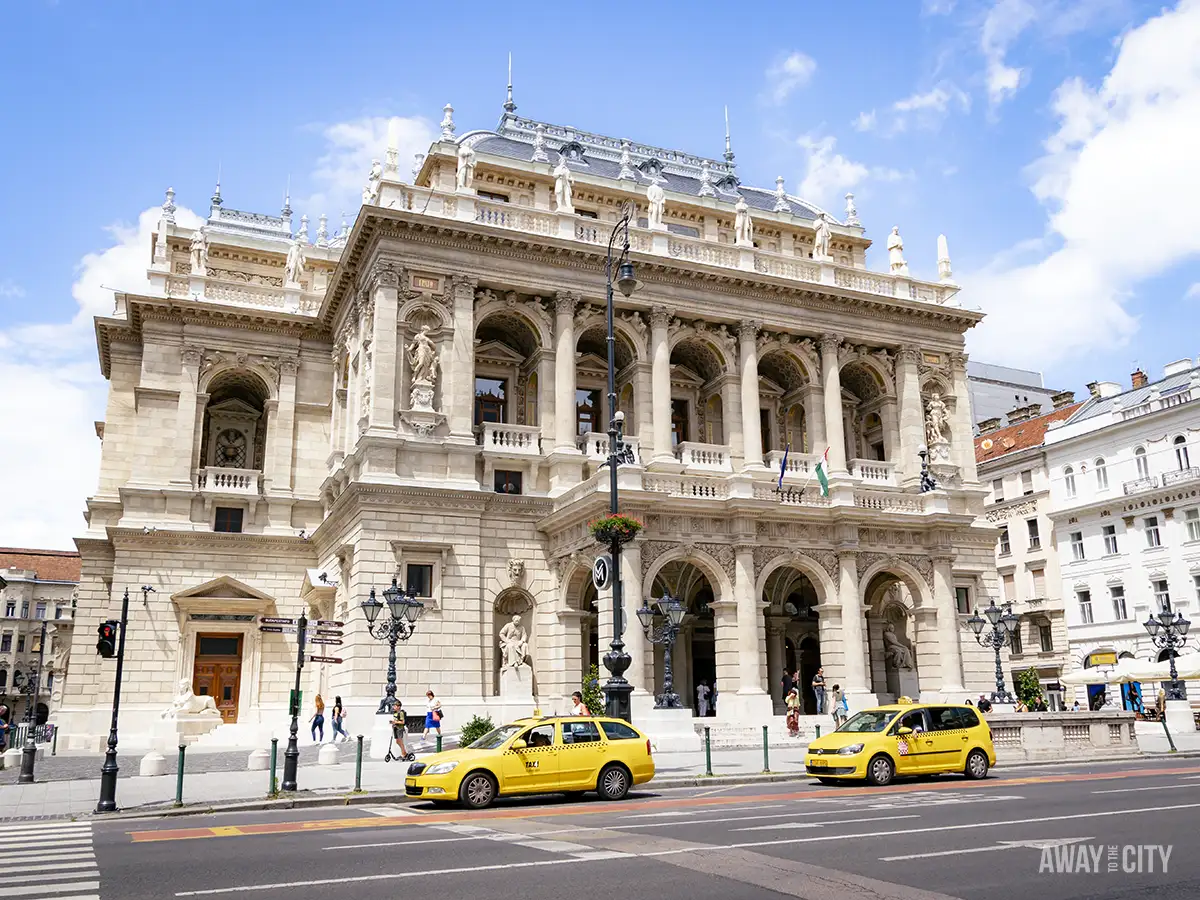
During the tour, the guides share fascinating stories and little-known facts about the opera’s history. You’ll also get to enjoy a short performance by one of the opera’s soloists at the end, which is a lovely way to round off the visit.
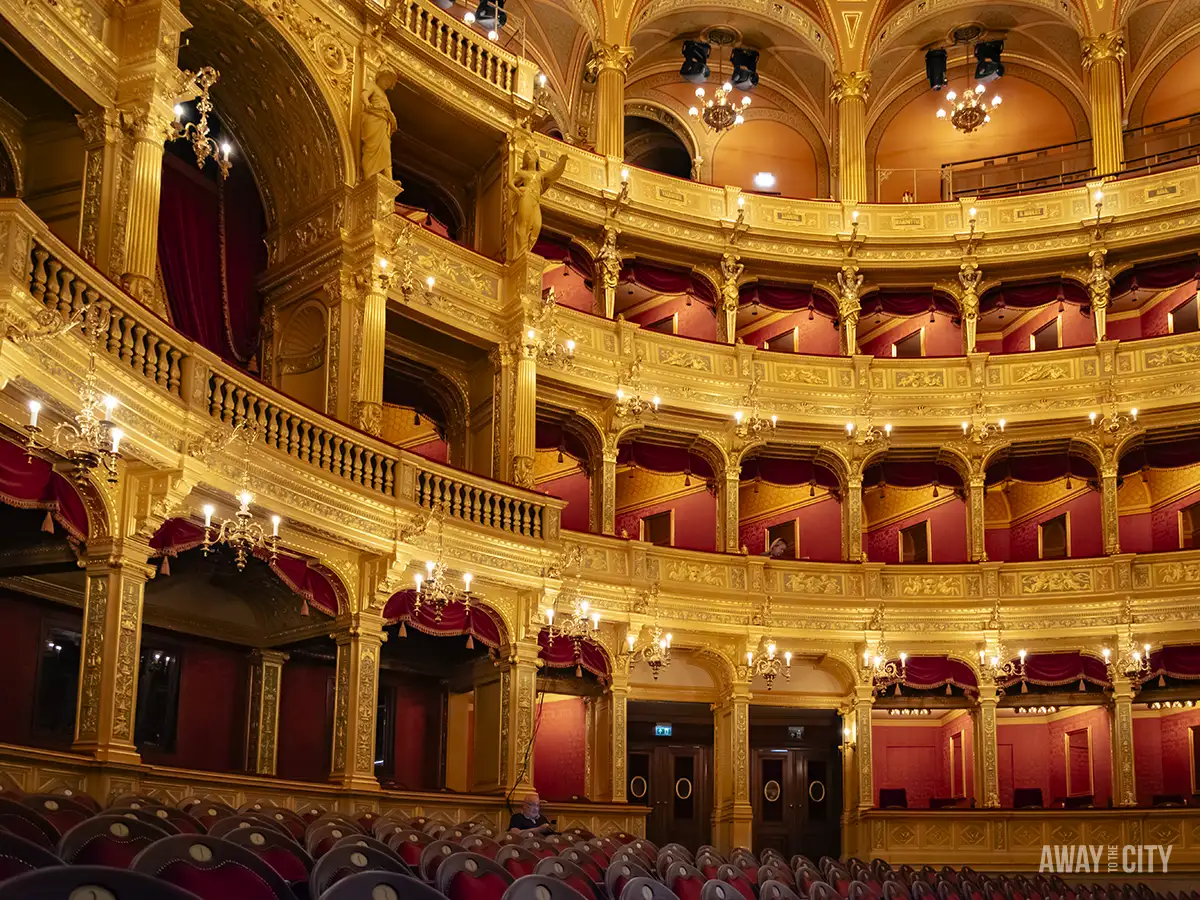
Our top tip: Tours can sell out quickly, especially the English ones. We booked ours three days in advance and still got the last two spots. To avoid missing out, it’s best to get your tickets online well ahead of time. English tours are offered daily at 1:30pm, 3pm and 4:30pm.
If you’ve been to the Vienna State Opera House, you might spot some familiar features. Both buildings were constructed during the reign of Franz Joseph I, who was Emperor of Austria and King of Hungary.
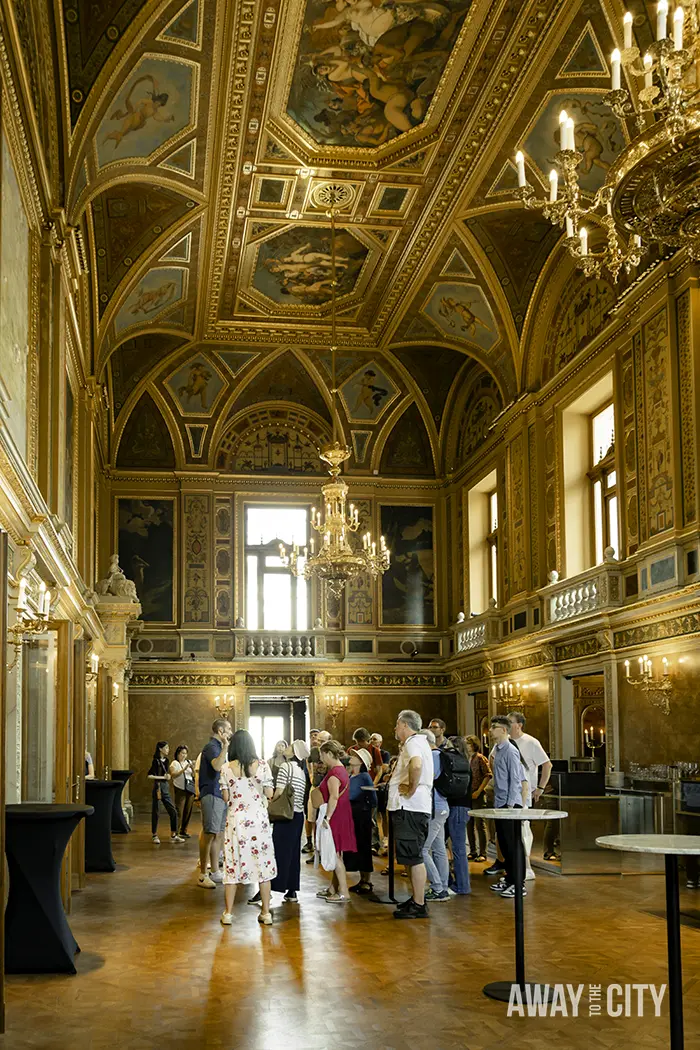
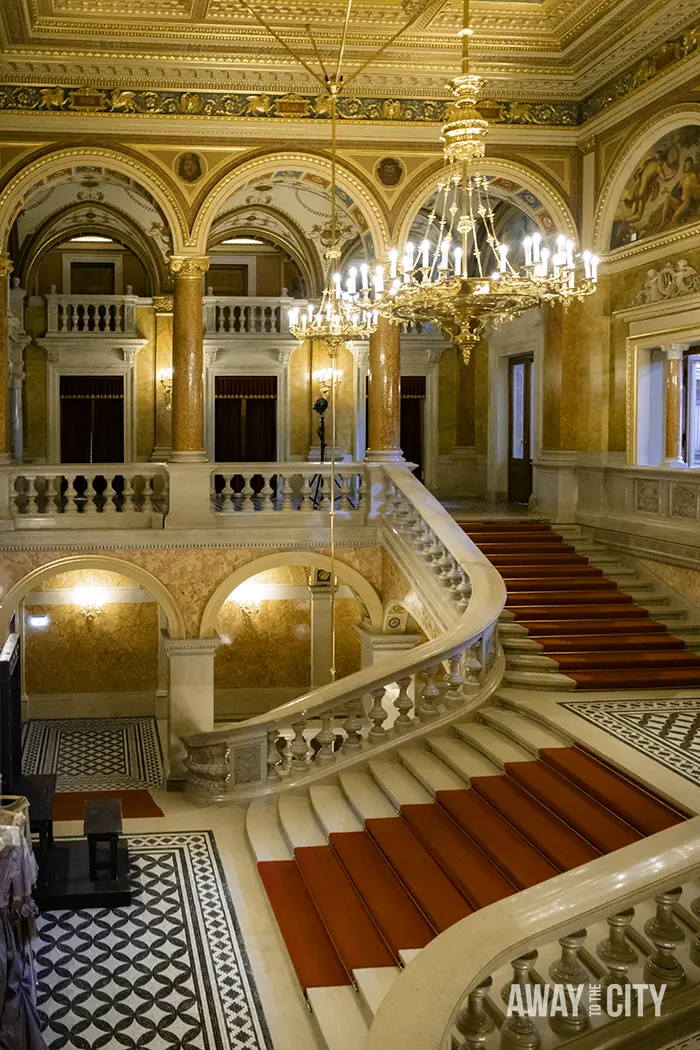
Admission: A guided tour costs 10,500 HUF (about £25, US$34, or €29).
🎭 English tours sell out fast. Reserve your Opera House tickets so you don’t miss Budapest’s most elegant landmark.
10. Step inside the Metropolitan Ervin Szabó Library (a real hidden gem)
The Metropolitan Ervin Szabó Library, located in the former Wenckheim Palace, is one of Budapest’s best hidden gems. It’s not in every travel guide, but it really should be because the interior is absolutely stunning.


We’ve explored some amazing libraries around the world, from the Long Room at Trinity College in Dublin to the Austrian National Library in Vienna.
Budapest’s Ervin Szabó Library definitely earns a place on our list of the most beautiful libraries in the world!

The grand palace was built in the late 1800s for Count Frigyes Wenckheim and was later transformed into a public library in 1927.
Today, you can explore elegant reading rooms filled with chandeliers, frescoed ceilings and carved wooden details.


Admission and Opening Hours: Tickets are only sold on-site in the foyer on the ground floor. A tourist ticket costs 2,000 HUF (about £5, US$6, or €6). Take the lift or stairs to the fourth floor and follow the signs to the historic rooms.
The library is open from 10am-8pm Monday through Friday, and 10am-4pm on Saturday; it’s closed on Sundays.
11. Go inside the Dohány Street Synagogue
The Dohány Street Synagogue, also known as the Great Synagogue, is the largest in Europe and the second-largest in the world. It can hold up to 3,000 people.
Built in 1859 in the Moorish Revival style, it’s known for its striking architecture and rich detail. During World War II, it served as a place of refuge for many Jews during a time of deep persecution.
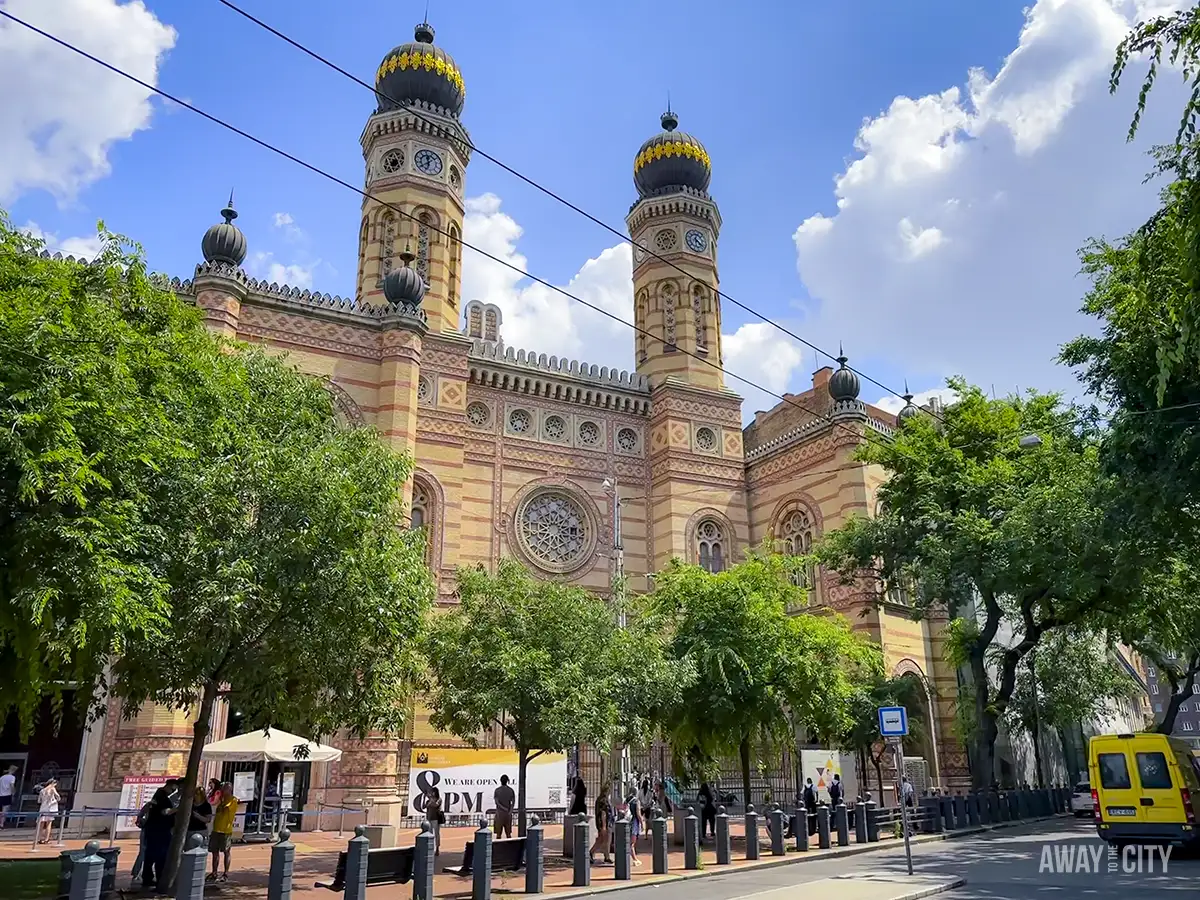
The entrance ticket included a guided tour, which we really appreciated. It gave us insight into the synagogue’s history, the Jewish community in Budapest, and the events of World War II.
The guides were excellent, though we found the tickets a bit too pricey compared to other Budapest attractions, which are generally quite affordable.
Admission and Opening Hours: A Dohány Street Synagogue ticket costs 14,500 HUF (about £35, US$47, or €41). The synagogue is open from 10am-6pm on Sundays to Thursdays, and from 10am-4pm on Friday (it’s closed on Saturdays). During winter, there are slightly shorter opening hours, so be sure to check the specific timings here before your visit.
12. Wander through Vajdahunyad Castle
Vajdahunyad Castle is a picturesque architectural gem located in City Park, Budapest’s largest green area.
Contrary to its name, it’s not a single castle but rather a complex of buildings. The complex is a great place to experience a range of Hungarian architectural styles: Romanesque, Gothic, Renaissance, and Baroque.
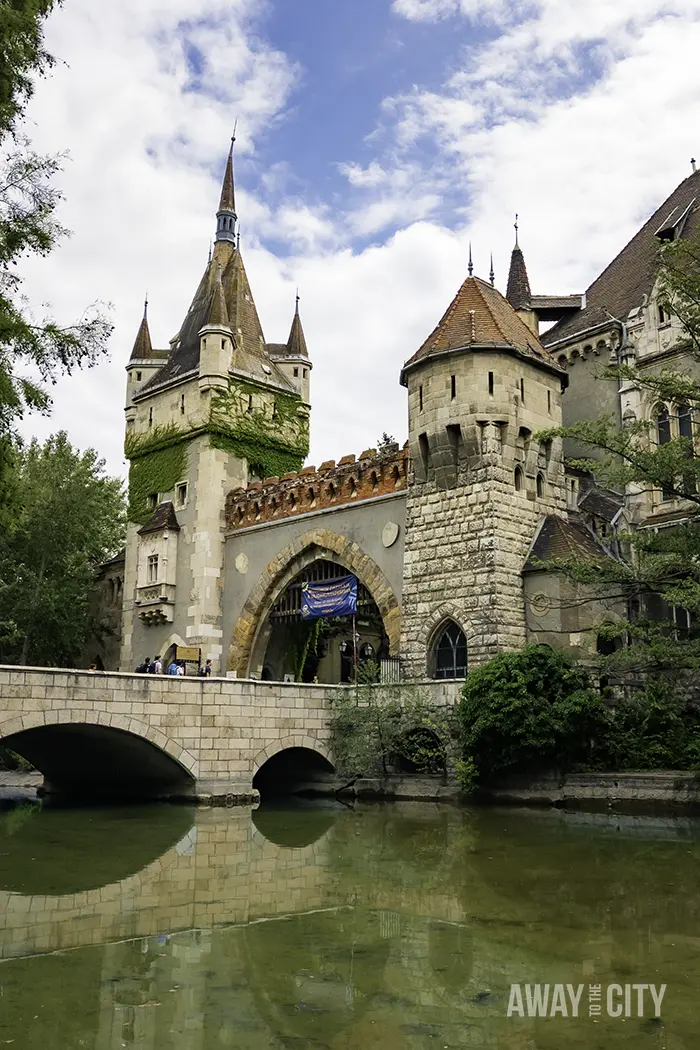
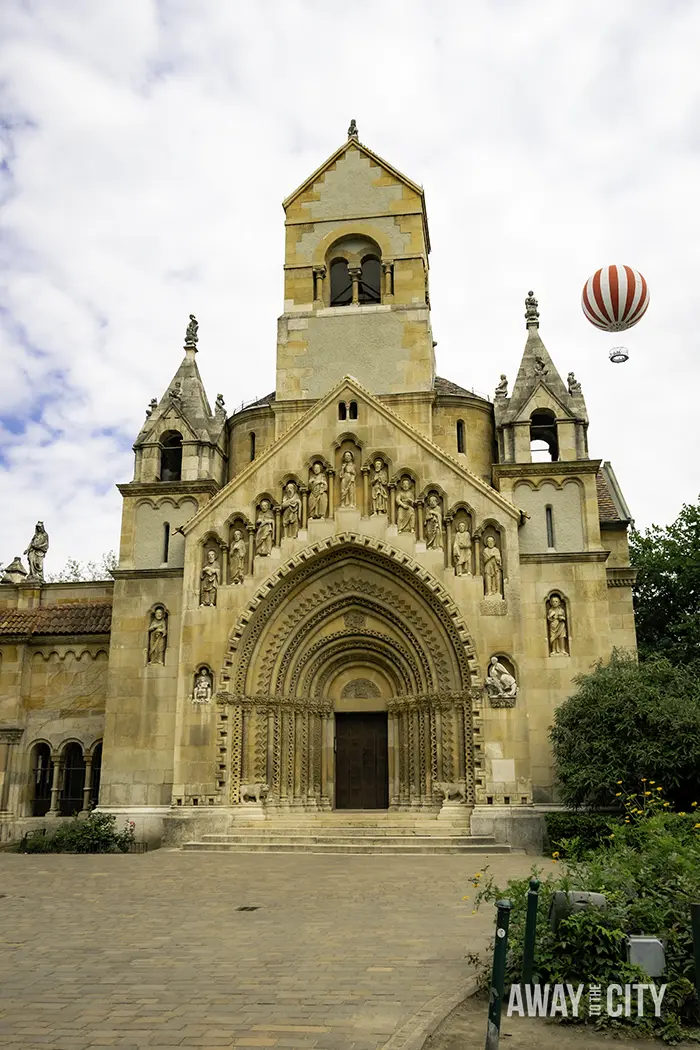
Did you know? Vajdahunyad Castle was originally built as a temporary wooden structure for the 1896 Millennium Exhibition in Budapest. It became so popular that it was later transformed into a permanent stone castle.
The design is inspired by Hunyad Castle in Transylvania (often linked to Count Dracula), known for its stunning Gothic architecture.
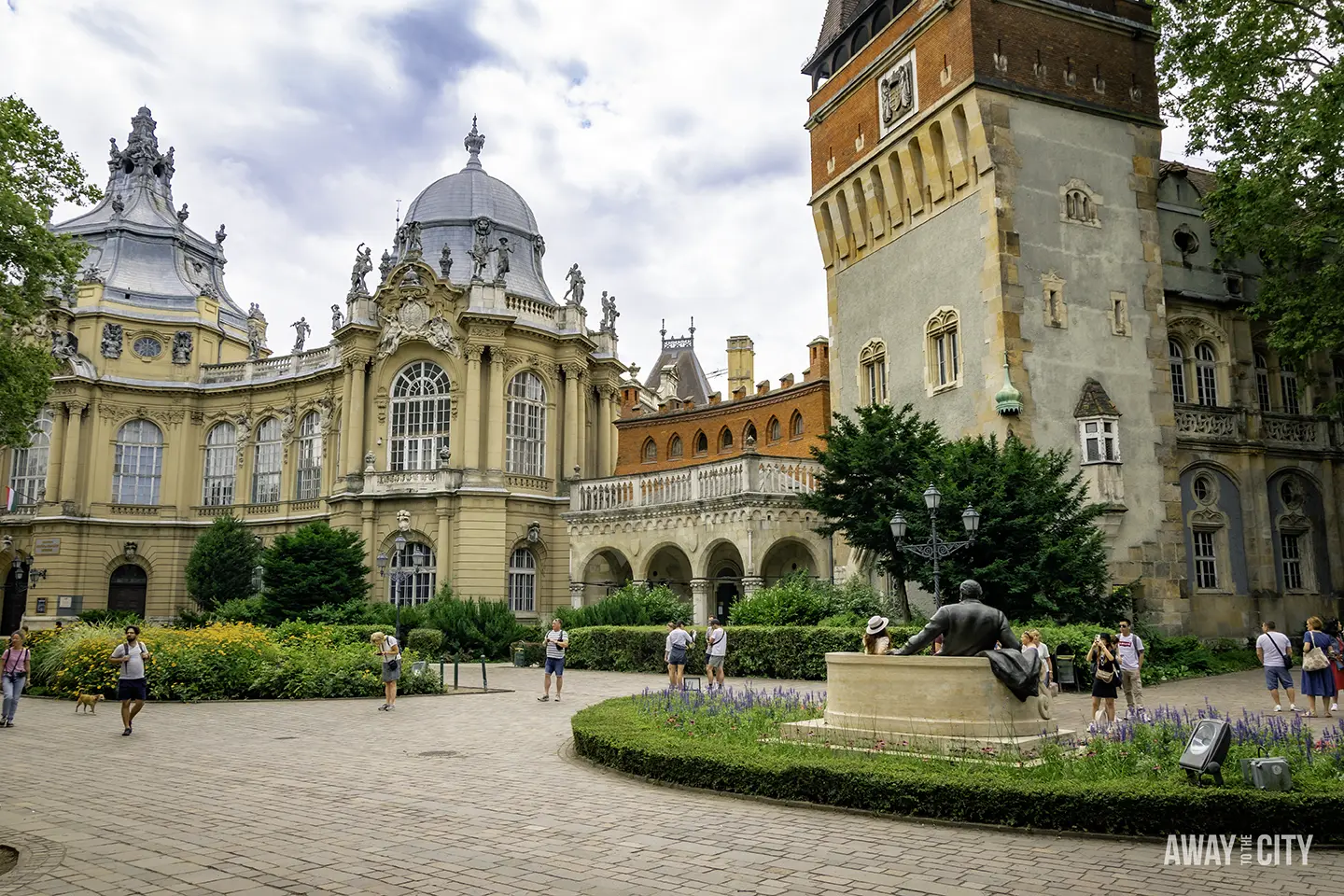
During the winter months, Vajdahunyad Castle has a fairytale feel, especially with the City Park Ice Rink right in front.
It might not be as grand as somewhere like Windsor Castle in the UK, but we still think it’s a lovely spot to visit in Budapest.
Admission and Opening Hours: The castle grounds are free to enter. It’s open 9am-5pm Tuesday to Sunday (closed on Monday).
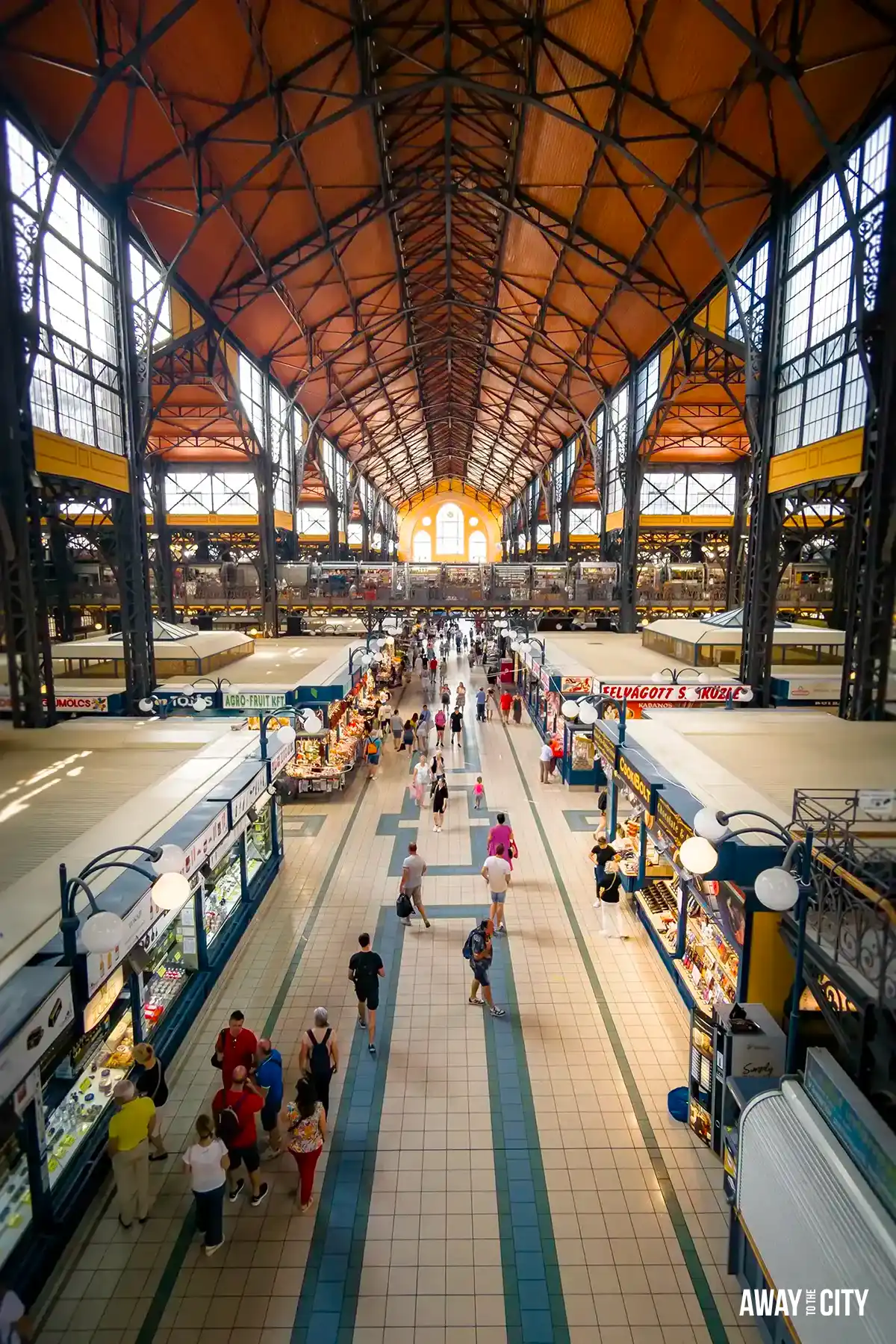
13. Explore the Great Market Hall
We love exploring food markets when we travel. So, on our Budapest trip, we made a beeline for the Great Market Hall, also known as the Central Market Hall.

It’s the city’s largest and oldest indoor market, dating back to 1897.
Spread across three floors, you’ll find fresh produce and local delicacies on the ground floor, souvenirs and crafts upstairs, and pickles and stuffed paprika in the basement.

The neo-Gothic building itself is stunning, and the lively atmosphere makes it worth visiting. However, we found the food stalls and souvenirs to be overpriced compared to other spots in the city.
If you're keen to try traditional Hungarian food while you're in Budapest, there are far better spots than the market stalls. Our guide to Hungarian food in Budapest covers what to eat and where we'd actually send you.
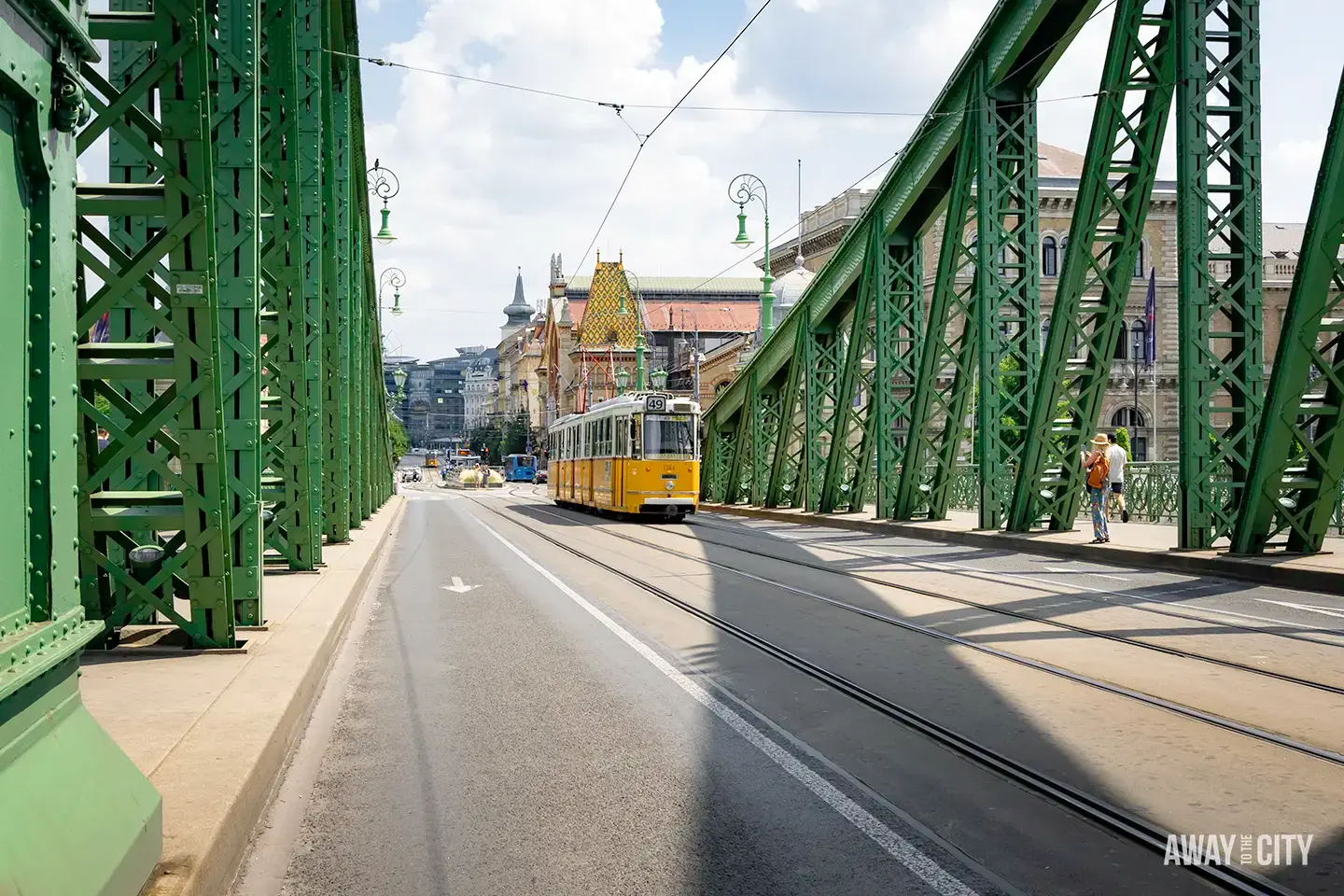
Our top tip: Liberty Bridge (see picture below) is just a short walk away. With its green iron structure and lovely river views, it’s a great detour before or after the market.
Admission and Opening Hours: Entry to the hall is free. It’s open from 6am-5pm on Monday, 6am-6pm Tuesday to Friday, and 6am-3pm on Saturday (closed on Sunday).

14. Learn about Hungary’s past at the Hungarian National Museum
If you're curious about Hungary’s complex history, the Hungarian National Museum is the best place to start.

The museum is housed in a beautiful neo-classical building with elegant staircases and a central dome inspired by Rome’s Pantheon. The peaceful garden in front is also a great spot to relax, especially in summer.

We were pleasantly surprised by how much we enjoyed our visit! We went in expecting a quick walk-through and ended up staying three hours.
The exhibits are clearly laid out and take you through the country’s story, from early settlements and the Hungarian Kingdom to the Communist era and modern-day Hungary.

Our Top Tips for Visiting the Hungarian National Museum
- Use the free cloakroom in the basement to leave your coat or backpack.
- Begin on the lowest floor and move up from there.
- If you want to take photos inside, you’ll need to purchase a photo pass (500 HUF, about £1, US$2, or €1).
Admission and Opening Hours: Entry to the permanent exhibitions of the Hungarian National Museum costs 3,500 HUF (about £8, US$11, or €10). The museum is open Tuesday to Sunday from 10am-6pm, and closed on Mondays.
15. Walk across the Chain Bridge
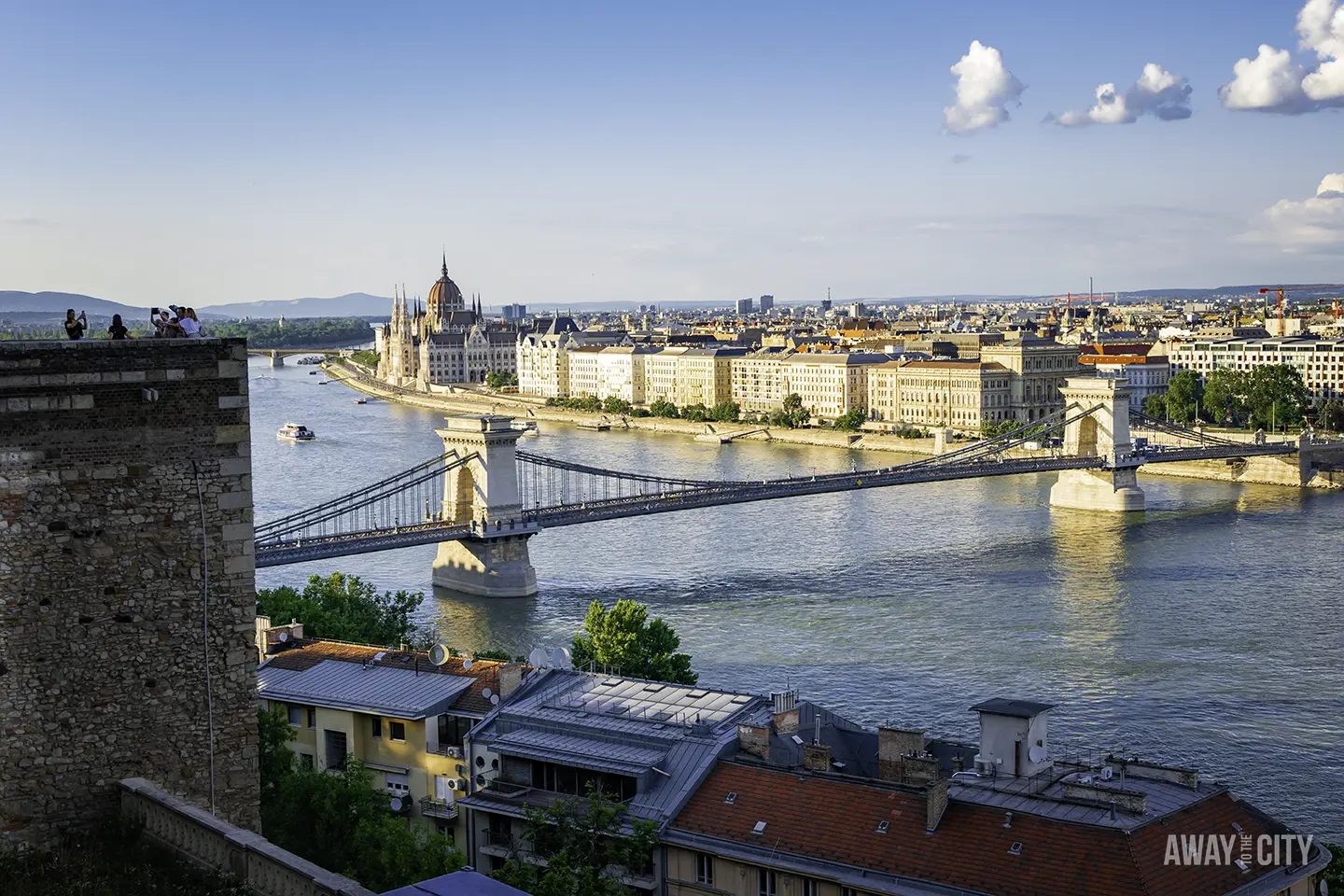
The Széchenyi Chain Bridge was the first permanent bridge to span the Danube in Hungary, linking Buda and Pest in the mid-19th century.
Named after Count István Széchenyi, who played a major role in making it happen, the bridge marked a turning point in the city’s development.
It was destroyed during World War II by retreating Nazi forces but was rebuilt and reopened in 1949, exactly 100 years after it first opened. Today, it’s one of Budapest’s most iconic landmarks and offers great views of the river and city on both sides.
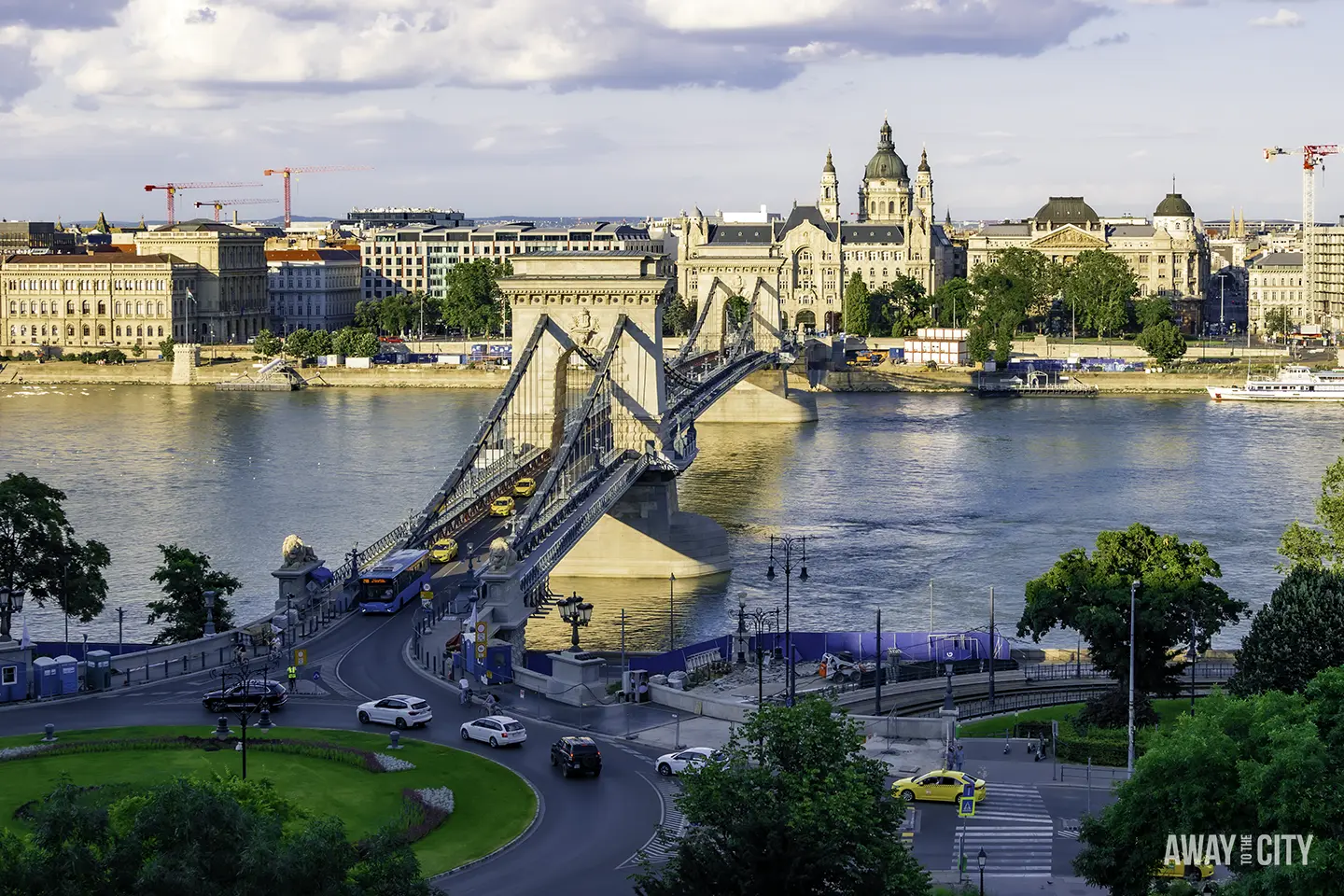
Stone lions sit at each end of the bridge, acting as symbolic guardians of the city.
As you stroll across, take in the views of the Danube and the surrounding architecture. The scene is especially beautiful during the golden hour before sunset.
Admission and Opening Hours: The Chain Bridge is free to enter and open 24/7.
16. Stroll along the Danube Promenade
The promenade on the east bank of the Danube is a peaceful place for a walk with views of Buda Castle and other landmarks across the water.

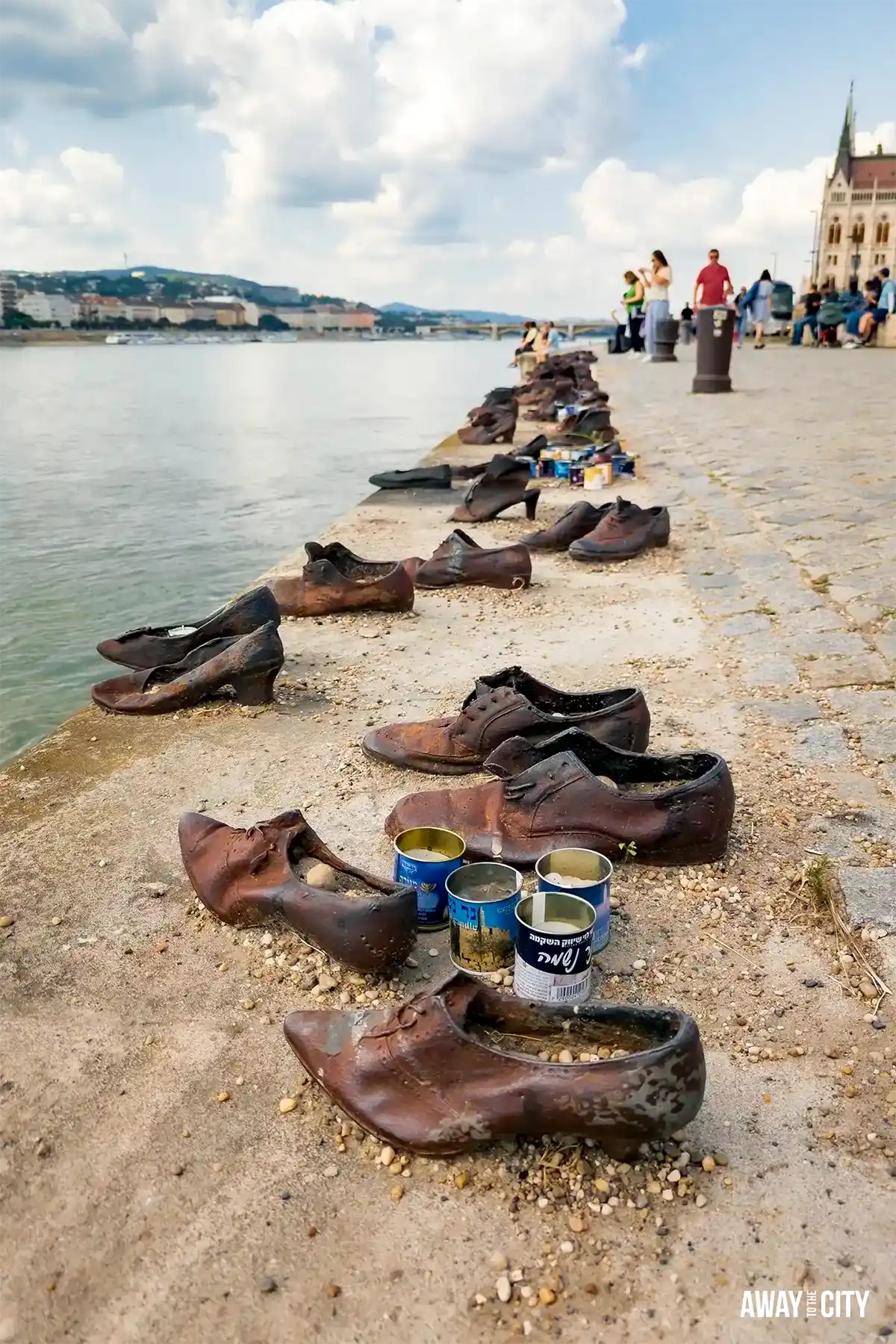
As you walk along, you’ll come across several statues and memorials. One of the most moving is the Shoes on the Danube, a tribute to the Jewish victims who were murdered during World War II.
The memorial features 60 pairs of iron shoes placed at the river’s edge. They represent the shoes left behind by those who were shot and thrown into the Danube. It's a simple but deeply powerful reminder of the city’s past.
17. Sip a coffee while admiring the interior of the New York Café
Often described as the most beautiful café in the world, the New York Café is one of Budapest’s best-known spots.
It first opened its doors in 1894 and quickly became a favourite among writers, artists, and thinkers drawn to its lavish setting and lively atmosphere.

The interior is pure Italian Renaissance drama, with gold detailing, huge chandeliers, and ceiling frescoes that are almost too much – but in the best way.

Now, while the interior is undeniably stunning, we’ll be honest: the food and service didn’t quite live up to the high price tag during our visits.
If you’re looking for a more authentic or budget-friendly Hungarian café experience, there are plenty of alternatives in Budapest. Still, the sheer beauty of the space makes it worth seeing at least once.

Our Top Tips for Visiting the New York Café
- Make a reservation through their website, especially on weekends. Walk-ins are possible for breakfast or lunch, but expect a wait.
- The food is fine but not memorable, so we recommend just enjoying a coffee or drink and soaking up the atmosphere.
- A service fee is automatically added to your bill, so you don’t need to tip extra. We saw a few people add more without realising this, so it’s worth checking your receipt before you pay.
Opening Hours: The café is open daily from 8am to midnight.
Interactive Map: Must-See Budapest Attractions
We’ve put together an interactive map to help you make the most of your Budapest city break. It includes all the top attractions mentioned in this post, making it easier to plan your itinerary.

How to use this map: Click the icon in the top left to see the full list of locations. For a bigger view, open it in a new tab via the top-right icon. You can also save it to your own Google Maps by clicking the star next to the map title.
Other Sights & Activities Worth Checking Out
In our “Best things to do” city guides, we only include the sights and experiences we think really stand out. But if you’ve got a bit more time in Budapest, these spots didn’t quite make the main list (still, they’re definitely worth checking out!)
Margaret Island – A peaceful escape right in the middle of the Danube. You can rent a bike, walk through leafy paths, visit the Japanese Garden, or just relax by the river.
Sightseeing Tour by Bus – If your feet are feeling the strain, hop on a sightseeing bus for great city overviews.
Andrássy Avenue (Andrássy út) – Budapest’s answer to the Champs-Élysées. A long, tree-lined street with historic buildings, fancy shops, and cafés. You’ll probably walk part of it on your way to the Hungarian State Opera.

5 Things You Might Want to Skip
You're probably curious about what you can skip in Budapest (who doesn't love a good efficiency hack, right?). Here's a heads-up on a few things we weren't too keen on. Remember, these are just our thoughts – you might find them enjoyable! But if you're tight on time, consider giving these a miss:
Heroes’ Square – This grand square is packed with statues of Hungarian heroes. You'll probably see it anyway if you're heading to City Park (it's right at the entrance), but it's not worth a special detour.
House of Terror – This museum explores the dark chapters of Nazi and Soviet rule in Hungary. While the museum is interesting and informative, it’s not presented well. If you do go, definitely get the audio guide – most things aren't in English otherwise.

Gellért Hill – Gellért Hill features the Liberty Statue, a monument commemorating Hungary's liberation during World War II. It offers great views of Budapest. But if you plan to visit Buda Castle or Fisherman’s Bastion (which you should!), you'll get stunning city views from there too, so skip Gellért Hill.
Memento Park – This open-air museum outside the city centre displays communist-era statues and symbols. It's interesting but relatively small and quite far out, so only worth it if you’ve got a big interest in Cold War history.
Vaci Street (Váci Utca) – This pedestrian street is lined with shops and restaurants, but it’s very touristy and overpriced. There are better places to shop or eat in Budapest without the crowds.
When is the best time to visit Budapest?
Perfect month to visit: June
If you’re trying to pick the ideal month to visit Budapest, we’d say June is your best bet. The days are long with around nine hours of sunshine, there’s less rain than usual, and the city’s summer buzz hasn’t quite hit full swing yet.
September is another great option. The weather is still warm, but the crowds have thinned after the summer peak, making it easier to enjoy Budapest’s main sights without the rush.

April is quieter, with fewer tourists and decent sunshine, although the average temperature of 13°C (55°F) can feel a bit on the cool side.
July and August are the busiest months in Budapest. They bring heat, long lines, and higher prices. So skip them if you prefer a more relaxed trip.
Our tip: December is a fantastic time to visit Budapest if you're after festive vibes. The markets here are some of the best Christmas markets in Europe. Vörösmarty Square is the biggest, but we especially loved the one by St. Stephen’s Basilica, with its light shows and ice rink. We once visited Budapest during Christmas time, and honestly, it was magical!
How many days do you need in Budapest?
We recommend spending a minimum of 3 days for a balanced Budapest itinerary. That gives you enough time to see highlights like Buda Castle, Fisherman’s Bastion, and the Hungarian Parliament Building, while still leaving room for a soak in one of the famous thermal baths and a few great meals.
If you've got more time, our guide to Budapest's less-touristy attractions is worth a look. There's a World War II hospital hidden in a cave under Castle Hill that we had absolutely no idea existed until our second trip.

Where should you stay in Budapest?
We've stayed in four different Budapest districts across three trips, and Budapest's District V in the city centre is where we'd send a first-time visitor EVERY time.
It has a great location, everything's walkable, and it makes the most of a short trip.

Here are the two hotels we've stayed at and we'd book again in a heartbeat:
For the full breakdown of every neighbourhood we'd recommend (and the ones we'd skip), have a look at our Budapest area & hotel guide.
FAQ: Visiting Budapest
Now that you’ve got a good idea of what to do, here are answers to some frequently asked questions about planning a city break to Budapest.
Is Budapest worth visiting?
Absolutely! Budapest is a beautiful city with impressive architecture, great food, and a vibrant nightlife. It’s affordable, easy to get around, and offers a mix of history, culture, and relaxation. We especially love the contrast between Buda and Pest; they each have their own character and vibe.

Is Budapest cheap to travel?
Yes, Budapest is still one of the more affordable European capitals. Prices have gone up a bit in recent years, but it’s still much cheaper than cities like Paris or London. You can enjoy tasty meals, comfortable accommodation, and cheap public transport without spending a fortune.
Is Budapest English-friendly?
Very much so, especially in tourist areas and at major sights. Most people working in shops, restaurants, and hotels speak good English. Hungarian is the official language, though, so knowing a couple of basics like köszönöm (thank you) and szia (hi/bye) is a nice touch.
That includes pronouncing Budapest correctly. Our Budapest tips for first-time visitors has plenty more of these small things worth knowing before you arrive.
Which is better, Prague or Budapest?
They’re both incredible, but different. Prague has that fairy tale look and charming streets, while Budapest has a more lively feel, with thermal baths, cool ruin bars, and great views. If you enjoy relaxing and exploring a slightly less polished city, Budapest might be more your style.
Ready to plan your Budapest trip?
Three trips to Budapest later, and we're already planning number four. That's the shortest way we can say this: it's worth it.
If you only do one thing while you're here, make it this Danube river cruise we loved. Seeing the Parliament, Buda Castle and Chain Bridge from the water is something else. We've done different cruises in Budapest, and honestly we'd go again.
We hope this guide helped you focus on the experiences truly worth your time, and skip a few that aren't.
Once you're ready to start planning:
Enjoy your trip to Budapest!
Save this post for later:


🇭🇺 Plan your Budapest trip with our guides