This post may contain affiliate links, including from Amazon and other trusted partners. If you click a link and make a purchase, we may earn a small commission at no extra cost to you. See our Privacy Policy for more information.
13 Best Things to Do in Tokyo for First-Timers (+4 Things We’d Skip)

See our posts more often


Tokyo has more than 37 million people, 160,000 restaurants, and thousands of attractions competing for your time. When we planned our first trip, narrowing it down felt almost impossible.
After several visits (last year, we even spent four full weeks in Japan), we’ve narrowed it down to the 13 best things to do in Tokyo we’d put on every first-timer’s list. Our list includes historic sights like Senso-ji (Tokyo’s oldest temple), unique experiences like the Ghibli Museum, and the organised chaos of Shibuya Crossing.
We’re also including four famous attractions we’d personally skip (including Tokyo Skytree), so you don’t waste time on experiences that look better online than they feel in real life.
Don’t miss these!
Our Top Picks for Your Tokyo Trip
Tokyo is one of the world’s most visited cities, so be sure you have hotels, entry tickets, and tours booked ahead of time. Here are the ones we loved most and would happily book again:
 Top Tokyo experiences
- Shibuya Sky (our #1 pick for Tokyo skyline views, incredible open-air rooftop)
- teamLab Planets (walk through glowing water and digital art, sells out quickly)
- Shinjuku Food Tour (the perfect introduction to Tokyo’s food scene with a local guide)
 Best day trip from Tokyo: Mount Fuji Day Trip (our favourite Tokyo day trip of all the ones we made, the easiest way to see Mt Fuji)
 Best places to stay in Tokyo
- Nohga Hotel Ueno (our #1 hotel pick for design and location near Ueno Park)
- Mitsui Garden Hotel Toyosu Premier (spectacular Tokyo skyline views from the upper floors)
- Asakusa Tobu Hotel (great value stay right next to Senso-ji)
1. Visit Tokyo’s oldest temple, Senso-ji
Senso-ji Temple dates back more than 1,300 years and is located in Asakusa, one of Tokyo’s most traditional neighbourhoods.
The temple has a massive gate with a giant red lantern at its centre, and seeing it surrounded by modern buildings with people in traditional kimonos walking past feels completely surreal.

We’ve been here multiple times now… in sunshine, in pouring rain, early morning and late at night. And the one thing that never changes is the crowds during the day. Even on a rainy afternoon it was absolutely packed.
Go early in the morning if you can. Last time, jet lag worked in our favour because we kept waking up at 5am and had the whole place nearly to ourselves.
After dark is equally special, when Sensō-ji is beautifully lit up and the atmosphere is completely different. Either way, it belongs on any list of must-sees in Tokyo.

Don’t miss the fortune ritual inside the temple. You shake a metal cylinder until a stick falls out, match the number to a drawer, and pull out your fortune.
If it’s good, you keep it. If it’s bad, you tie it to a rack and leave it behind (we may have shaken ours a few extra times to get a good one).

Our top tip: Head to the 8th floor of the Asakusa Culture Tourist Information Centre for free views over the temple and Nakamise-dori (the street leading straight to the temple). It’s completely FREE!
Once you’re done at the temple, don’t rush off. Asakusa’s backstreets are full of tiny coffee bars, craft shops, and old wooden facades that are well worth exploring.
2. See Tokyo from above at Shibuya Sky
We’ve been up several observation decks in Tokyo, from Tokyo Tower and Skytree to the free observatory in the Tokyo Metropolitan Government Building. Shibuya Sky is our favourite, and it’s not particularly close.
Tokyo Tower (completed in 1958) feels its age when you get up there. Skytree is impressive but sits too far from the city centre to feel connected to it.
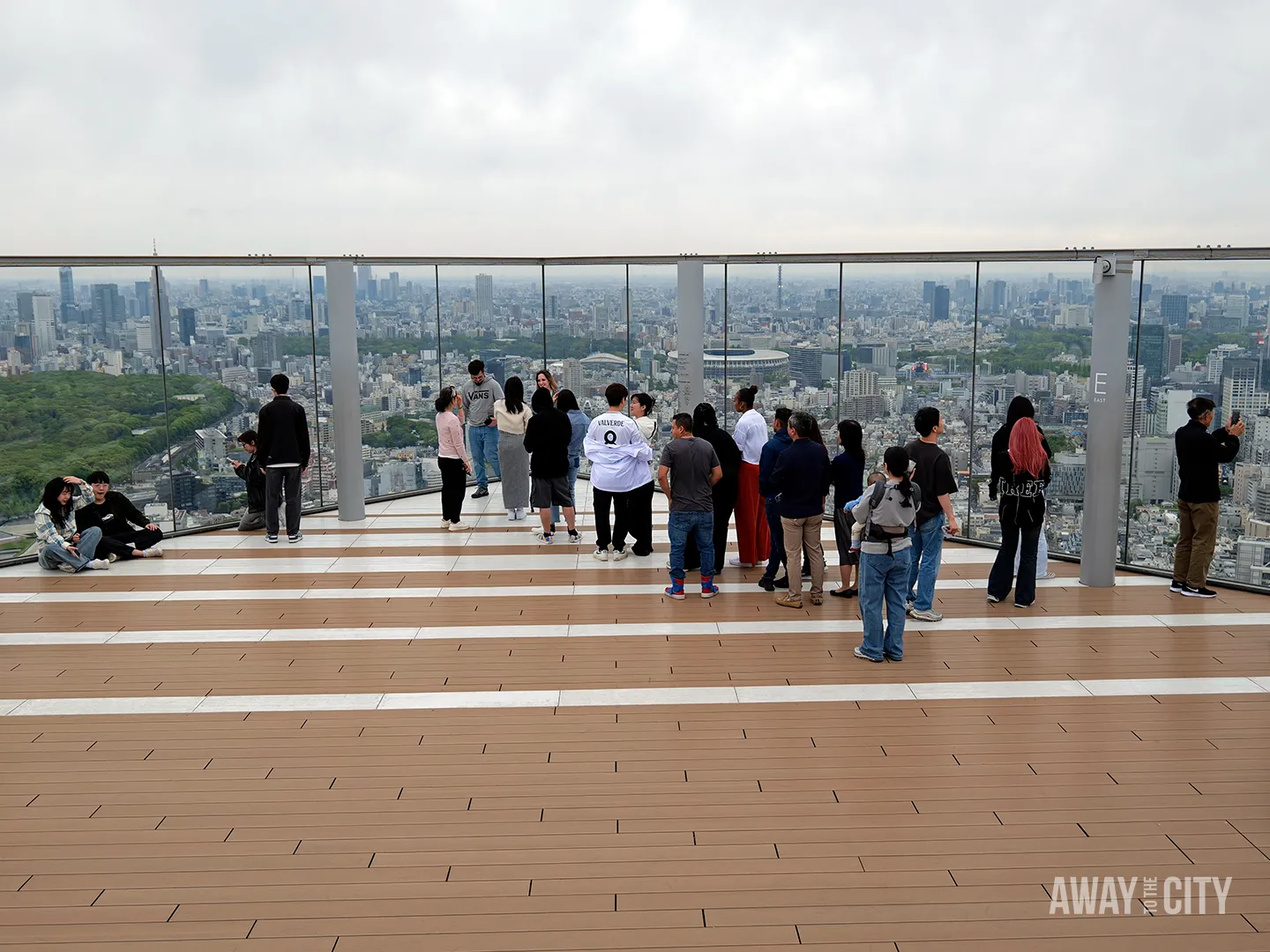
Shibuya Sky has the perfect location, right above one of the city’s most exciting districts. It’s easily one of the top things to do in Tokyo, and the views are worth every yen!
The rooftop was MUCH bigger than we expected. You can literally walk the entire perimeter, with Shibuya Crossing directly below, Tokyo Tower in the distance, and the city stretching as far as you can see.
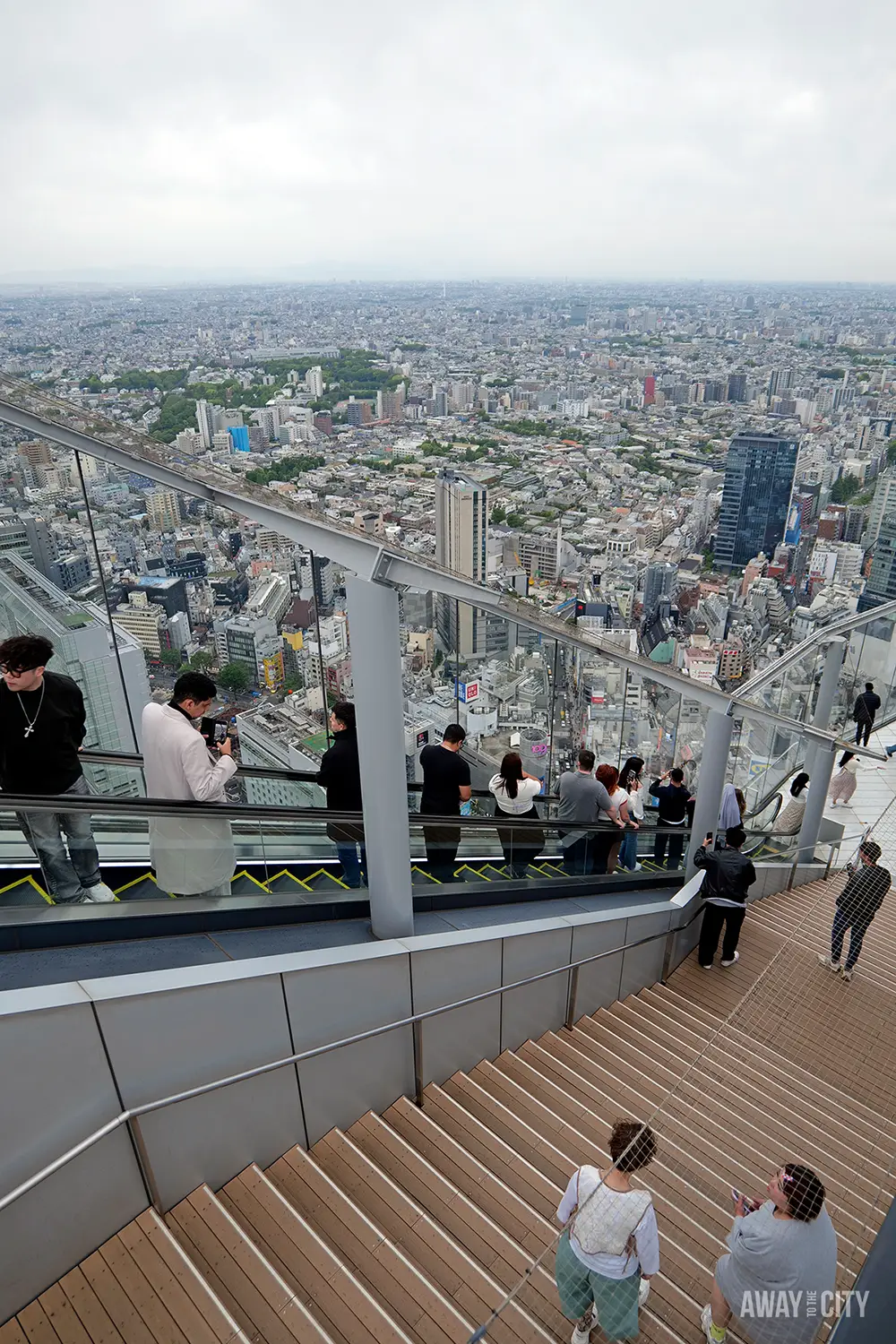
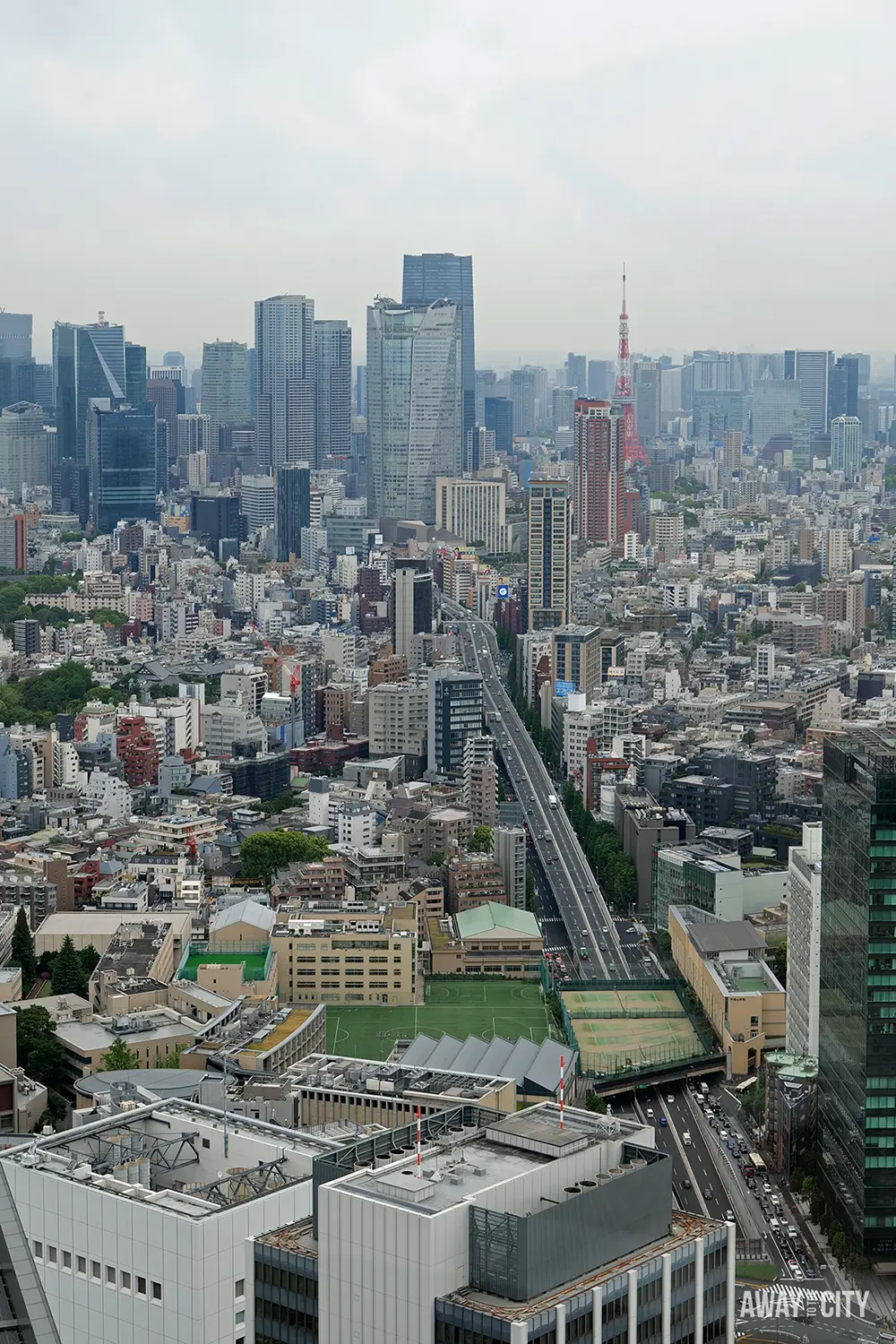
It was quite windy up there when we went, but we had the best time. We were so distracted by the views that we barely noticed.
Our top tip: We booked our Shibuya Sky ticket via Klook rather than the official website, and we highly recommend it. Klook allows free cancellation up to 24 hours in advance for the ticket, which means you can book one Shibuya Sky ticket for each day of your trip and wait for the best weather. The official website’s cancellation policy is far more restrictive. Tickets do go quickly though, so book ahead.
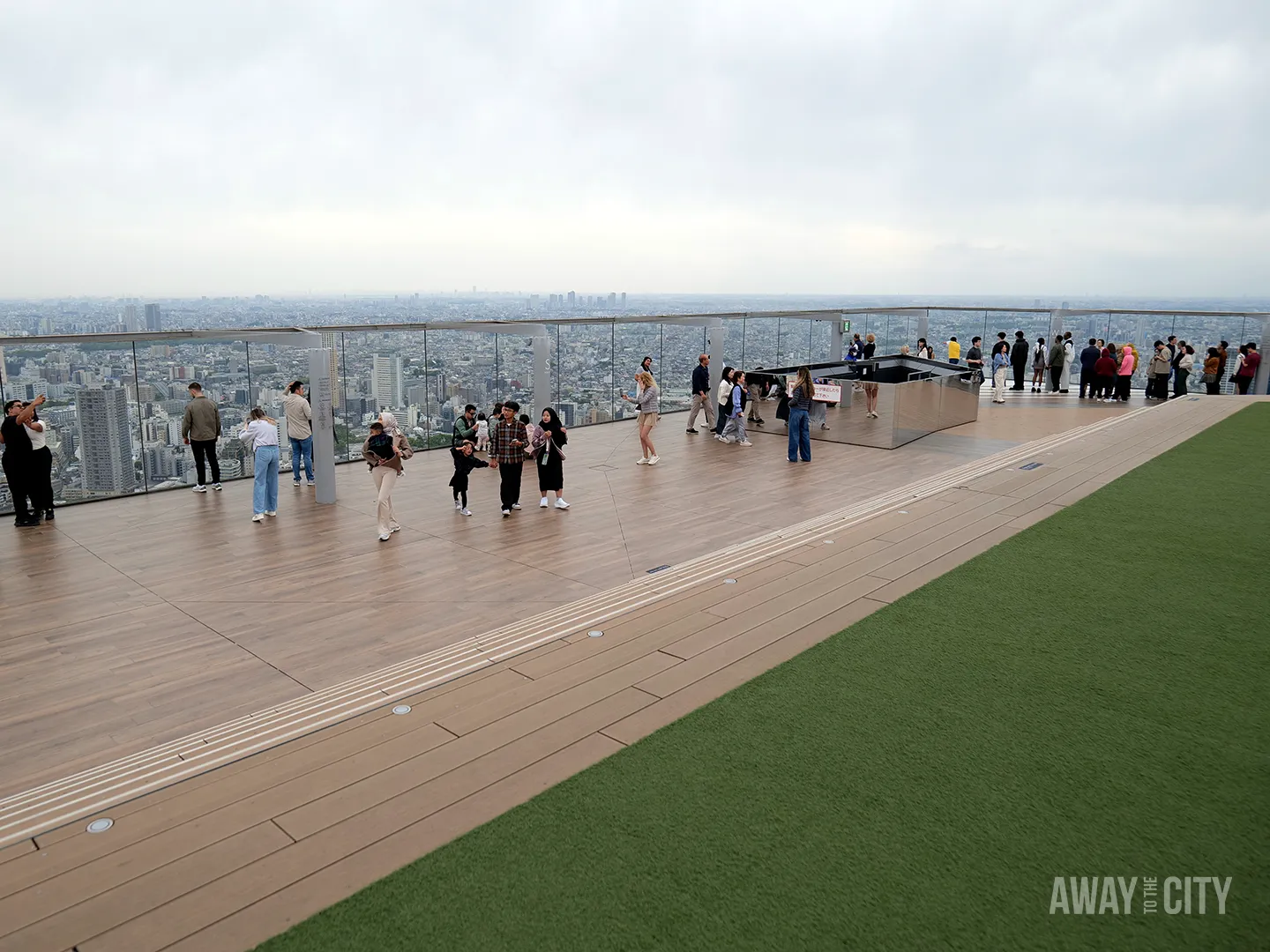
What also makes it special is that you get both an open-air rooftop and a fully enclosed deck one floor below. So if the weather turns, you’re not stuck.
We haven’t managed the sunset slot yet, but it’s top of our list for next time. Tickets start from ¥2,700 (about £13, US$17, or €15) and go live exactly two weeks in advance.
👉 Book your Shibuya Sky ticket in advance, it’s easily our favourite observation deck in Tokyo
3. Immerse yourself in digital art at teamLab Planets
teamLab Planets in Tokyo Odaiba is one of the most unique and coolest things we’ve done in Tokyo, and we’d recommend it to almost anyone visiting for the first time.
Is it a must-do if you only have one day in Tokyo? Probably not. But if you have three or more days, it’s unlike anything else on this list!


Instead of standing in front of art on a wall, you’re walking through it… barefoot! You can physically interact with it. That’s what makes it special.
The highlight for us was the water section, where you wade through a glowing, knee-deep koi pond with the walls and floor becoming part of the artwork around you. It’s one of the most immersive experiences we’ve had in any museum, anywhere.
And then there’s the flower room, with over 13,000 real orchids hanging from a mirrored ceiling, slowly moving up and down.

We even witnessed one woman running around in tears saying it was like a religious experience for her. We really enjoyed it too, just maybe not quite to that level!
One honest warning: the smell of feet in the first room is quite strong. It gets better once you’ve passed through the water section, but it’s worth knowing in advance.
Take a sneak peek into the museum with this two-minute video from teamLab:
Our top tips: Book your teamLab Planets tickets well in advance! Tickets typically go on sale around two months ahead… and popular time slots sell out fast. When we secured ours four weeks before our visit, our preferred slot was already gone. And on the day of the experience, make sure to wear shorts or trousers you can roll up, and avoid skirts as some floors are fully mirrored.
Since January 2025, teamLab Planets has expanded to roughly 1.5 times its original size, adding three new areas and over 20 artworks. If you visited before the expansion, there’s now considerably more to see.
Tickets start from ¥3,600 (about £17, US$23, or €20) per adult, though prices vary by date and tend to be higher at weekends.
If you’re deciding between teamLab Planets and teamLab Borderless (there are two teamLab museums in Tokyo), we’d say go with Planets. Borderless is projections and light installations, but Planets puts you inside the art physically.
4. Cross the world’s busiest pedestrian crossing at Shibuya
We’ve seen Shibuya Crossing many times now and still find it fascinating. Having lived in New York and London, two of the busiest cities in the world, we still haven’t experienced anything quite like it.

What makes it special isn’t just the volume of people… even though 2,500 pedestrians at every crossing is a lot! It’s the “scramble” phase, where traffic stops in ALL directions simultaneously and the entire intersection becomes a pedestrian free-for-all. There’s nothing else like it.
That said, being in it and watching it are two very different experiences. Up close it can feel hectic. From above, it’s spectacular.

Our top tip: Skip the Starbucks overlooking the crossing. It’s always packed and only on the second floor. Instead, head to Mag’s Park, the rooftop of Magnet by Shibuya 109. It’s on the 7th floor, and you’ll get much better views with far fewer crowds. To access the rooftop, purchase one drink at the entrance, and that’s your ticket to an unforgettable view.
5. Visit the Ghibli Museum, Japan’s most beloved animation studio
Well, we have to admit that we’re not the biggest anime fans. BUT… the Ghibli Museum is one of those uniquely Japanese experiences that has nothing to do with fandom.
It’s something you can’t find anywhere else in the world, and that was reason enough to go for us!
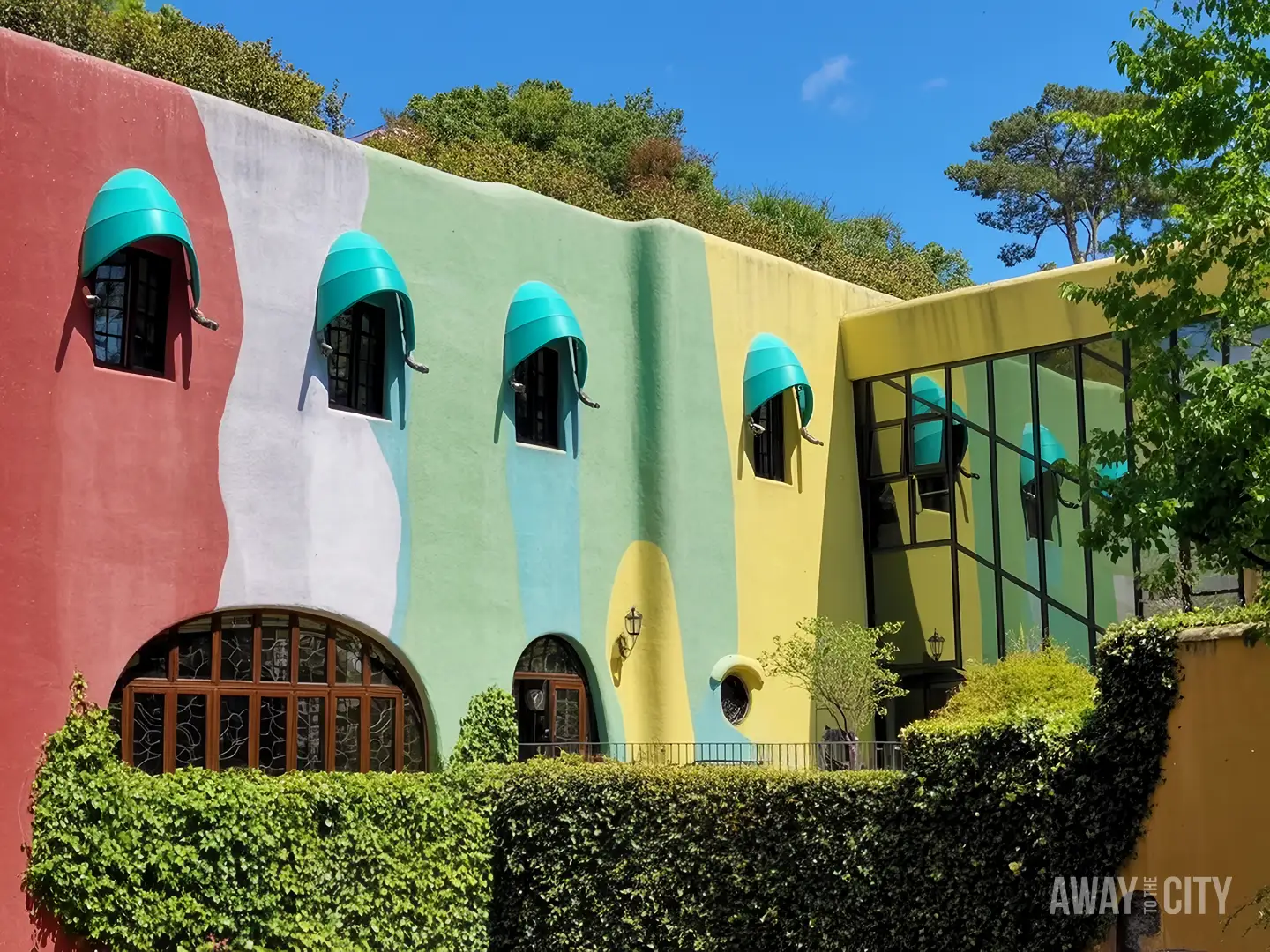
The museum was designed by Hayao Miyazaki himself, the co-founder of Studio Ghibli. Every room in the museum felt handcrafted and deliberate, from the original animation sketches to an exclusive short film you can only watch here.
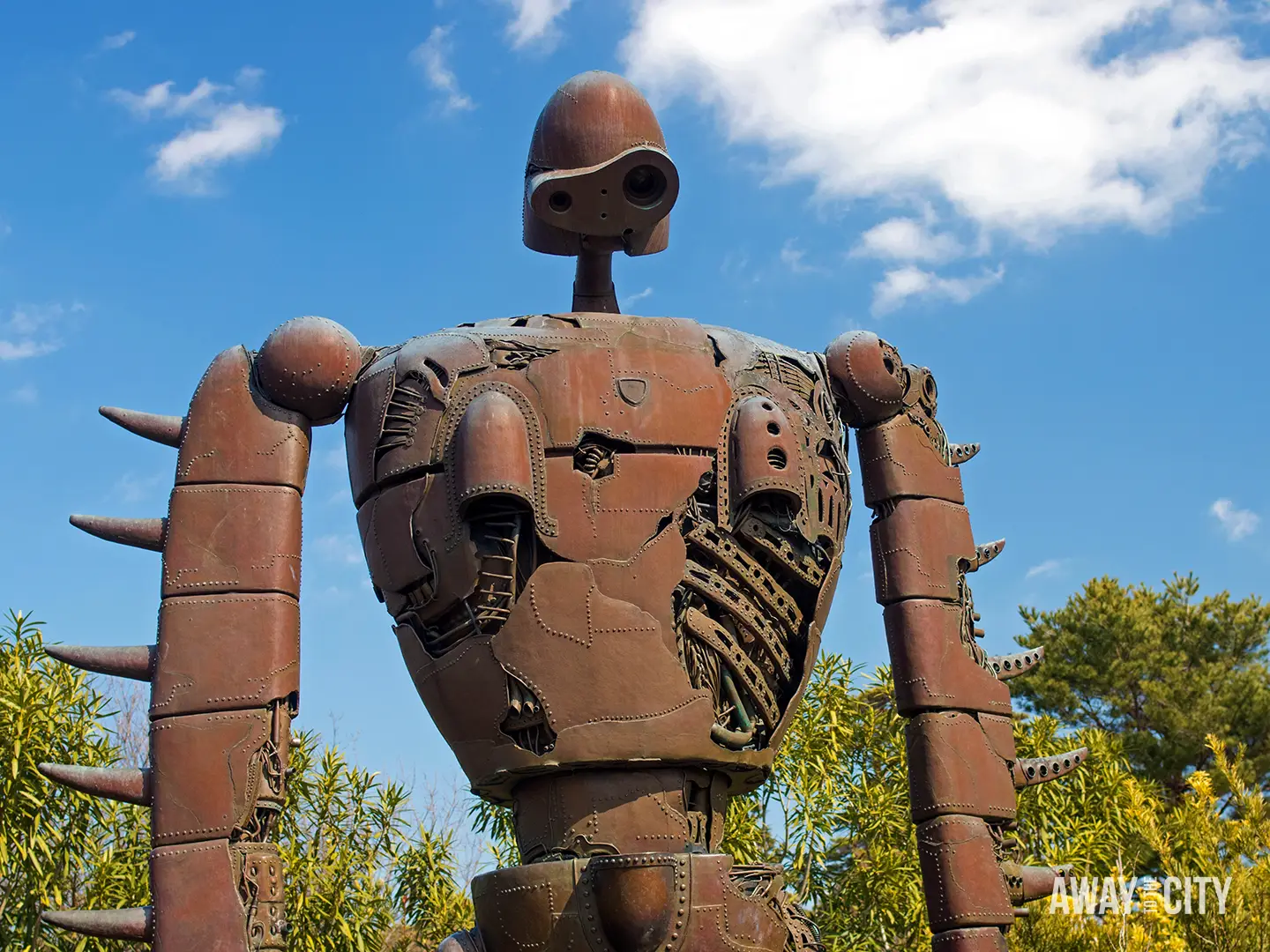
There was also a rooftop with a life-size robot from Laputa up there, which was a lovely surprise.
No photos are allowed inside, which actually made the experience feel more special though (no selfie-takers blocking the view!).
This video gives you a better idea of what to expect:
The tricky part is getting in. Tickets are only ¥1,000 (about £5, US$6, or €5) per adult and go on sale on the official website on the 10th of each month at 10am JST for the following month only. For example, tickets for July go on sale on the 10th of June.
BUT they sell out fast, and we were too late on our last trip.
Instead of missing the museum entirely, we booked this full-day bus tour. It’s quite a splurge, but we gave it to ourselves as an anniversary gift.
We were not the only ones… the entire bus was full of people who had missed the official ticket sale. We went in thinking Ghibli Museum would be the highlight and everything else would be filler. We were completely wrong!
The tour also included lunch at Hotel Gajoen (a stunning venue) and a visit to the Edo-Tokyo Open-Air Architectural Museum. Our guide was super knowledgeable, and we learned tons. Every single stop turned out to be a highlight.
If you can get museum-only tickets, go for it. If not, it’s far from a consolation prize.
👉 Book this Ghibli Museum day tour if you missed the ticket release
6. Explore Japanese youth culture in Harajuku
Harajuku is one of our favourite areas in Tokyo when we just want to wander without an agenda. Something always catches our eye… though on a weekend you might need to fight through crowds, so a weekday morning is ideal.

There are two streets we wouldn’t miss: Takeshita Street and Cat Street.
Takeshita Street is the heart of Harajuku. It’s a pedestrian-only shopping street packed with anime character stores, animal cafes, quirky fashion boutiques, and the occasional Harajuku girl in full costume. The street is chaotic, colourful, and completely unlike anywhere else in the city.
Cat Street is a short walk away and has a much more relaxed atmosphere, with independent boutiques and fewer crowds. And the side streets around are less crowded and more local.


A few places we’d recommend in Harajuku:
- Marion Crêpes – Japan’s longest-running crêpe shop with over 130 flavours.
- Cafe Reissue – Cute 3D latte art sculpted from milky foam. We ordered a Totoro and a cat. Maybe it wasn’t the best-tasting coffee we’ve had in Tokyo, but easily the most fun.
- B-Side Label – High-quality souvenir stickers with creative designs that are too cute and unique to walk past.
- The Roastery by Nozy – If you want a proper coffee with a wide selection of beans.

7. Experience Shinjuku’s neon-lit streets
If there’s one part of Tokyo that looks exactly like you imagined it would, it’s Shinjuku… neon lights, endless restaurants and bars, and thousands of people spilling out of the world’s busiest train station.
The first time we walked out of Shinjuku Station, we just stood there for minutes, just taking it all in.


Shinjuku is our second-favourite neighbourhood in Tokyo after Shibuya, and we end up here on every single trip.
It’s probably Tokyo’s most famous nightlife district, and the energy at night is unlike anywhere else in the city. Even if clubbing isn’t really your thing (it’s not really ours either!), the atmosphere alone is worth experiencing.

Omoide Yokocho (a narrow alleyway of tiny yakitori bars) and Golden Gai (280 tiny bars across six alleys) are the two spots everyone mentions. Both are worth seeing, though both have become very touristy. We’d wander through rather than commit to a full evening.
Our top tip: Shinjuku can feel overwhelming at first. If you arrive and just want someone to show you around, this Shinjuku night walking tour is a great introduction. A local guide takes you through the area’s backstreets, a hidden shrine, and spots you’d probably never find alone. It gives you the confidence to explore on your own afterwards.


Look out for the Godzilla head above Toho Cinema. Every hour between noon and 8pm it roars and emits smoke! Cheesy? Yes. But also exactly what you’d expect from Tokyo.
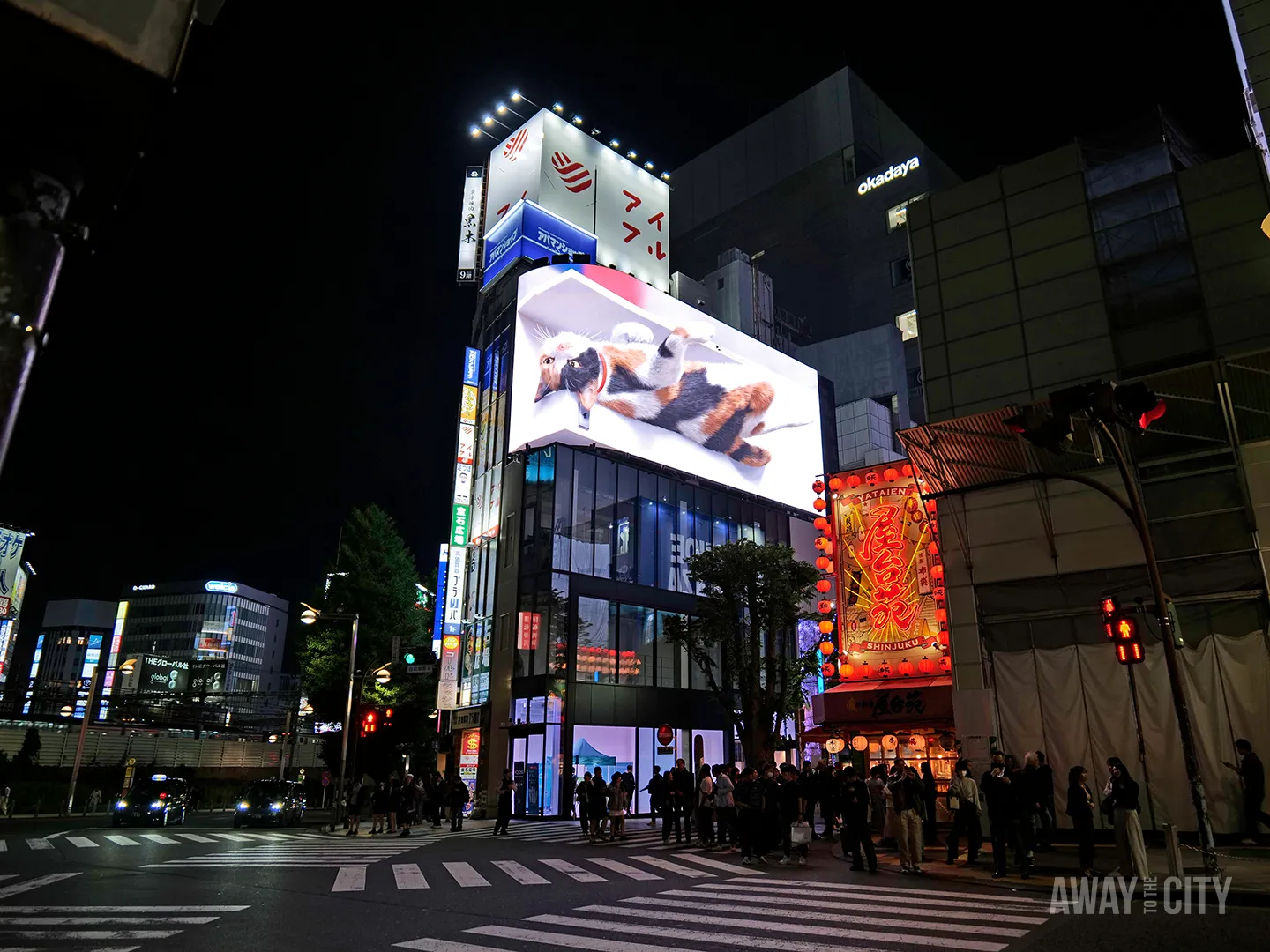
And a short walk away, the 3D cat billboard on the Cross Shinjuku building appears between ads every few minutes. Crowds of people just standing there waiting for it, which is somehow part of the fun.
8. Eat your way through Tokyo
Tokyo has more Michelin-starred restaurants than any other city in the world. But honestly, some of our favourite Japanese food moments here have had nothing to do with fine dining.
Good food is everywhere in Tokyo. Even convenience stores like 7-Eleven and Lawson sell surprisingly good onigiri, matcha desserts, and snacks. They’ll make you question every convenience store you’ve ever been to at home.
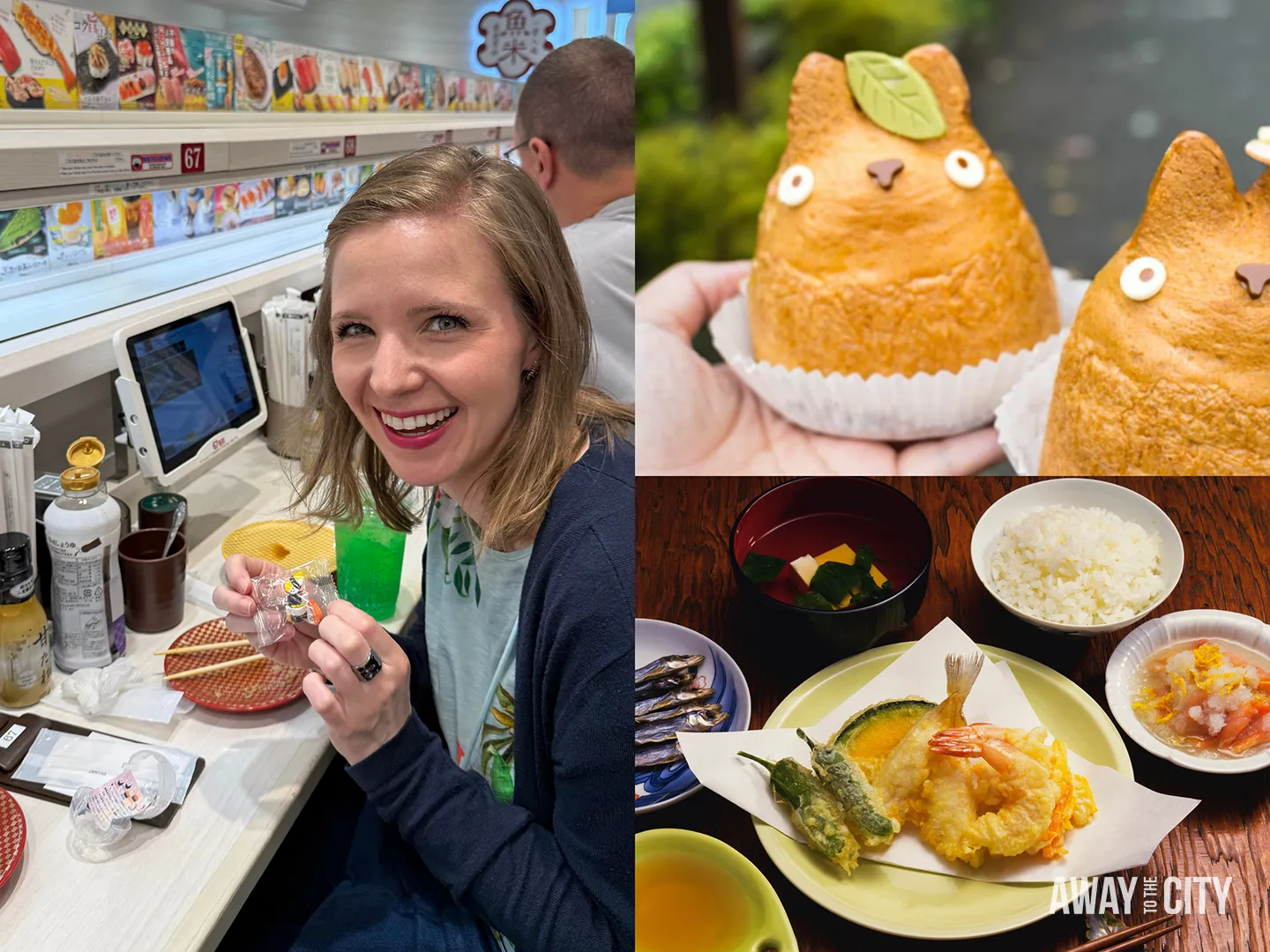
For sit-down meals, we keep coming back to conveyor belt sushi. Sushiro and Kura Sushi are our go-tos. You order bit by bit on a tablet, trying as many small dishes as you like. The only real risk is ordering too much.
When it comes to ramen, skip Ichiran! It’s popular with tourists but there are much better options. Our two favourites are Konjiki Hototogisu for refined shoyu ramen that’s earned Michelin-level recognition, and Fuunji for tsukemen, a completely different style where you dip the noodles into a rich broth separately.
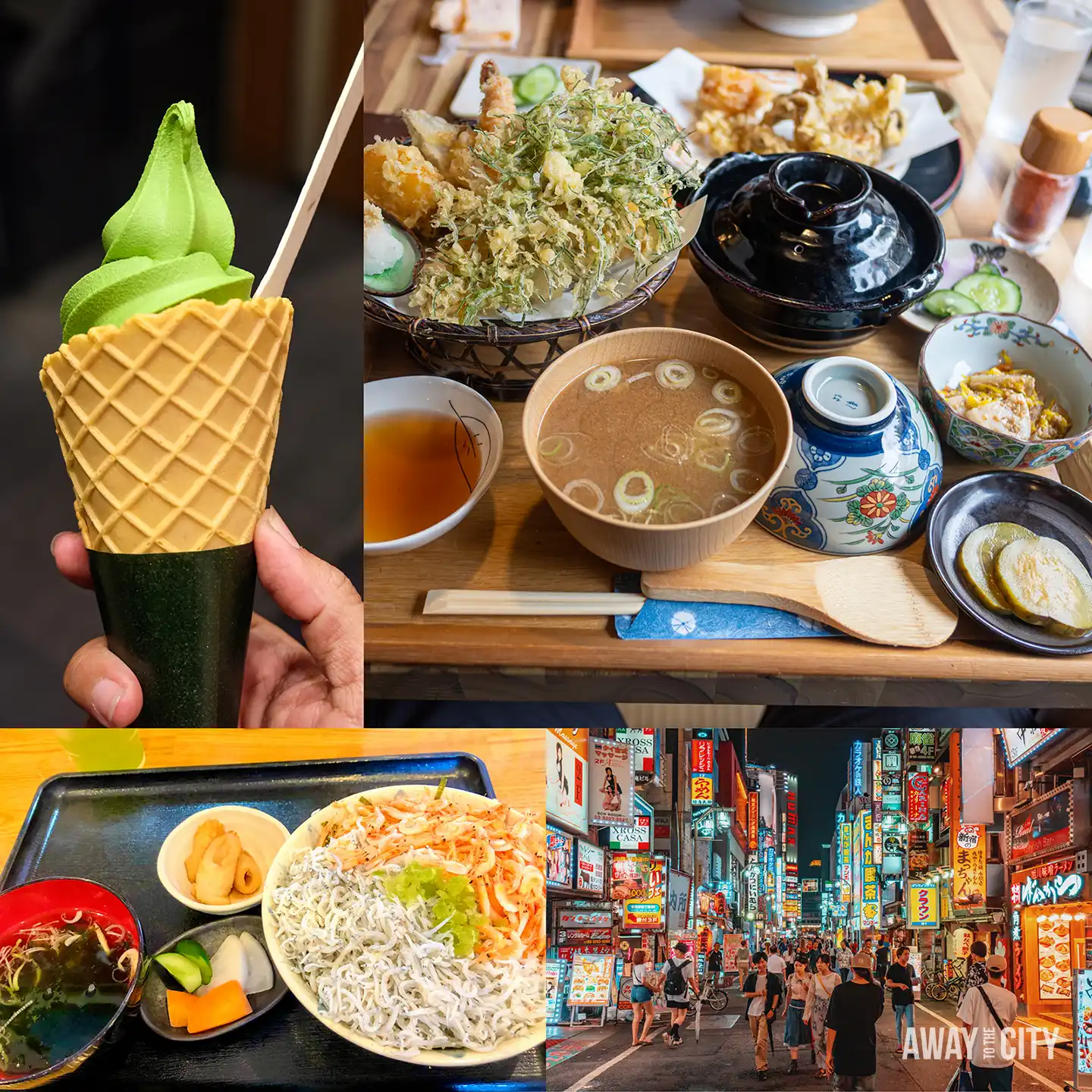
Our top tip: If you want to explore Tokyo’s food scene with a local guide, we’d recommend this Shinjuku food tour. In three hours, you’ll try dishes like fresh sushi, pork katsu at a restaurant that’s been open for over 64 years, tuna tempura, and taiyaki, all washed down with sake and discovered with a local who knows exactly where to go.
9. Find peace in the forest at Meiji Shrine
Meiji Shrine is our second favourite temple in Tokyo, but it couldn’t be more different from Senso-ji. And if you’d asked us where to go in Tokyo for a quieter experience, this would be one of our first suggestions.
Where Senso-ji is all vibrant orange and dramatic architecture, Meiji Shrine is quieter and more understated (it’s built from dark wood and sits inside a vast forest). It’s not as visually striking, but the atmosphere more than makes up for it.


The forest feels like a nature reserve somehow contained within a city. Walking through it, past torii gates and stone lanterns, with the noise of Tokyo completely gone, is genuinely eerie in the best possible way. We LOVE it!
One of our favourite details is the huge wall of sake barrels (Japanese rice wine) along the pathway. They’re surprisingly colourful, quite a contrast from the plain wooden barrels you’d expect from western wine.
Brewers from across Japan offer them annually as a tribute to Emperor Meiji, the emperor who modernised Japan. Some of them are works of art!

On almost every Tokyo trip, we end up here multiple times, sometimes as a destination, sometimes just as a cut-through on the way to Harajuku (yes, it works perfectly for that!). Either way, we never regret it.


One minute you’re walking through that quiet forest. The next you’re standing at the busiest pedestrian crossing on the planet. That contrast is pure Tokyo.
If you can, go early. The difference between Meiji Shrine at 8am and Meiji Shrine at midday is hard to overstate. It’s one of the best places to visit in Tokyo for first-timers precisely because it shows a completely different side of the city.
10. Slow down in Shinjuku Gyoen National Garden
Shinjuku Gyoen is our second favourite nature spot in Tokyo, after Meiji Shrine. It’s a vast garden with Japanese, French, and English landscaped sections.
And the whole time, the skyscrapers of Shinjuku are right there in the background. Tokyo never fully disappears.
We’ve been here in different seasons, and it’s beautiful every time. In autumn, the leaves turn red and yellow. In spring, it’s one of the best spots for cherry blossoms in the city, though we missed the bloom by two weeks on our last trip!
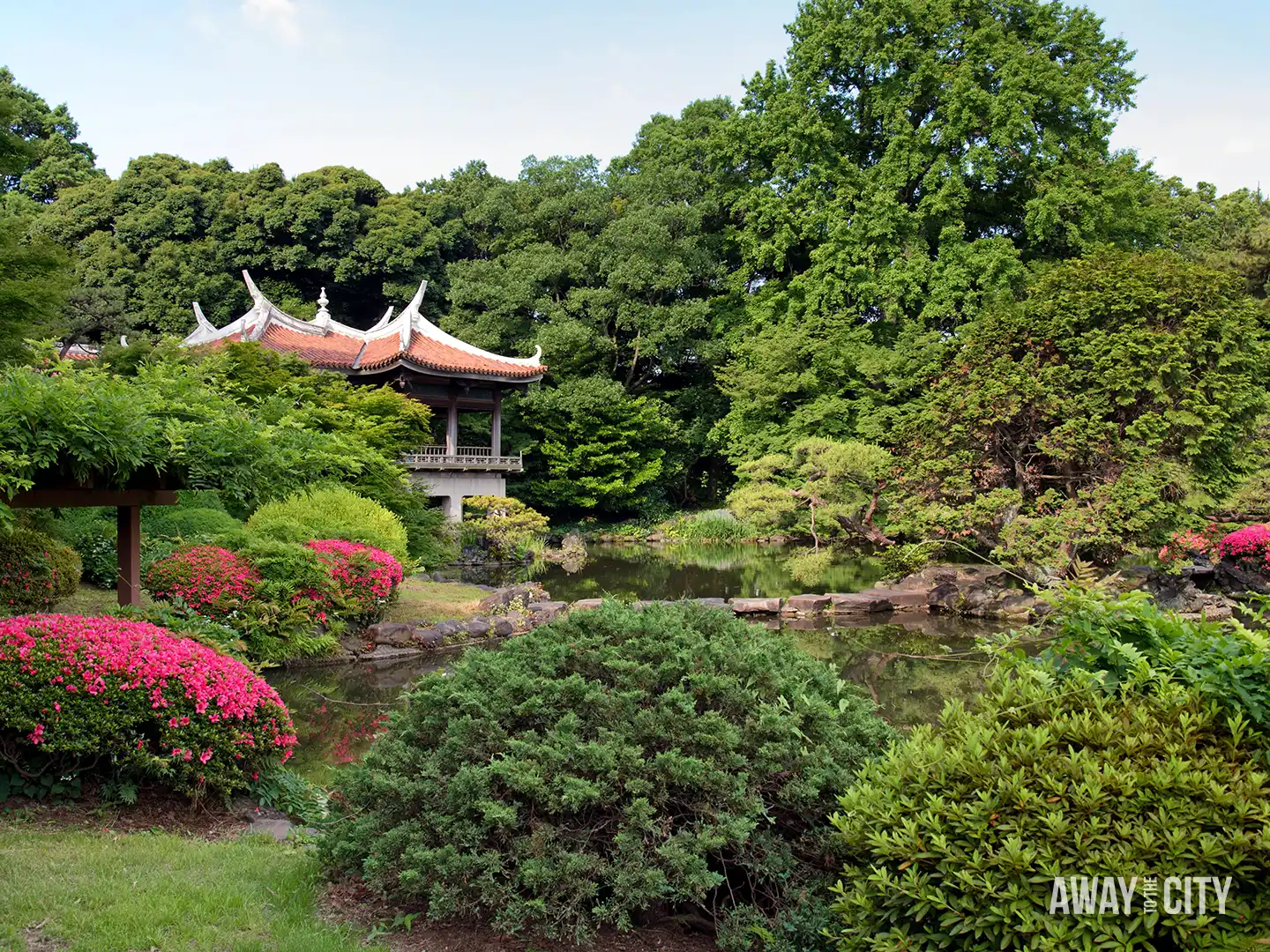
It’s more park-like than you might expect, with people picnicking on the lawns and families out for a stroll.
And the area around the Taiwan Pavilion, with gorgeous trees leaning over the ponds and their reflections below… honestly one of the most beautiful spots we’ve found in Tokyo.
Don’t leave without stopping at the tea house for a matcha. We could have stayed there all day.
11. Discover gaming and pop culture in Akihabara
Akihabara is Tokyo’s famous electronics and pop culture district, packed with multi-storey arcades, anime shops, and gaming stores.

On our first Tokyo visit in 2017, our Korean friends literally had to drag us into one of the arcades. We had absolutely no idea what we were looking at.
Now we walk straight in without a second thought, and we’d encourage you to do the same, even if gaming and anime aren’t your thing. It’s such a big piece of Japanese culture that it’s worth going even once.

We lost ALL our coins on the crane machines (no strategy whatsoever), though Sebastian did considerably better on the cockpit-style driving simulators.
The gachapon machines were more our speed though. You put in a coin, turn the handle, and get a random toy or figure in a plastic capsule. We got a tiny Shiba Inu keychain that we still have today.


Whichever building you go into, start from the top floor and work your way down. The ground floor is always the most touristy. The higher you go, the more interesting it gets.
12. See a different side of Tokyo in upscale Ginza
If we had to describe Ginza in one sentence: it’s the Beverly Hills of Japan. And we say that as two people who are very much not into upscale shopping.
But that’s exactly why it’s worth visiting. You’ve seen old Tokyo in Asakusa, gaming culture in Akihabara, and youth culture in Harajuku. Ginza is the polished, high-end side of the city, and Tokyo wouldn’t feel complete without it.

Don’t come expecting unique finds though. The big luxury brands here are ones you’ll recognise from home, like Chanel, Louis Vuitton, and Cartier.
But they also have major flagship stores here, like the Uniqlo one. It’s worth a visit on its own, with 12 storeys of the world’s largest selection of this iconic Japanese brand.


And just on the edge of Ginza is one of our favourite shops in Japan: BicCamera Yurakucho. It’s the largest BicCamera in Japan, with NINE floors of the quirkiest, most absurd tech you can imagine.
Japan does tech like nowhere else in the world. As tech lovers, we always leave this shop with a few new pieces… smartphone cases, USB desk gadgets, massage guns. So much for not being into shopping! 😆
13. Discover “Old Tokyo” in Yanaka
If you want to see what Tokyo looked like before the neon signs and skyscrapers, Yanaka is your answer.
The streets are lined with low wooden buildings and old shopfronts, locals go about their day, and there are barely any foreign tourists in sight. The contrast with the rest of Tokyo is almost hard to believe!
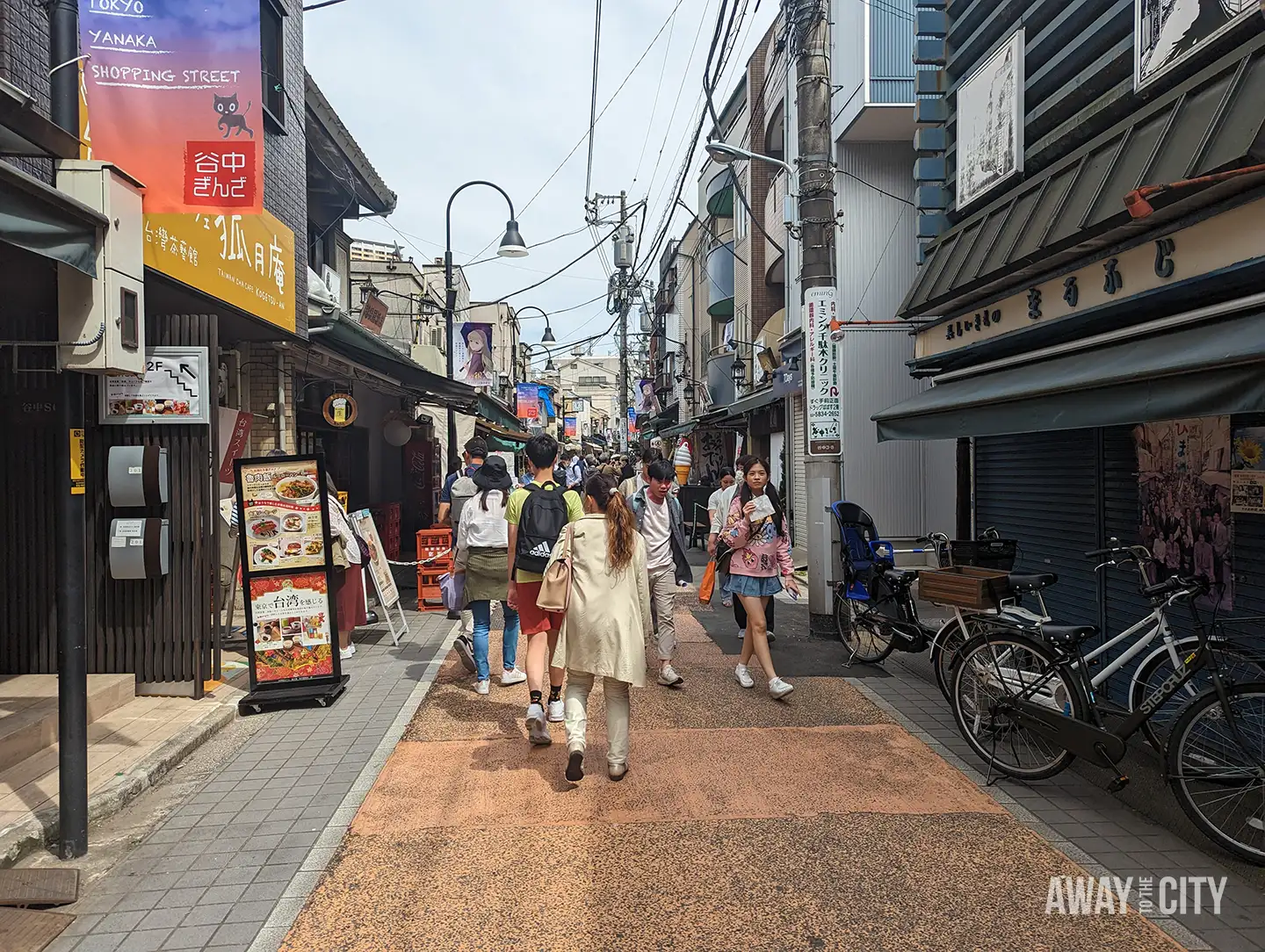
We were recommended this neighbourhood by a friend who lives in Tokyo, and it’s become one of our favourite discoveries.
Yanaka is famous for its cats. You’ll spot street cats lounging on doorsteps, wooden cat sculptures on the roofs, and cat-themed shops tucked between the old facades.
We’re definitely more of a dog couple (Shiba Inus, if you’re asking), but even we couldn’t resist the cat stuff here.
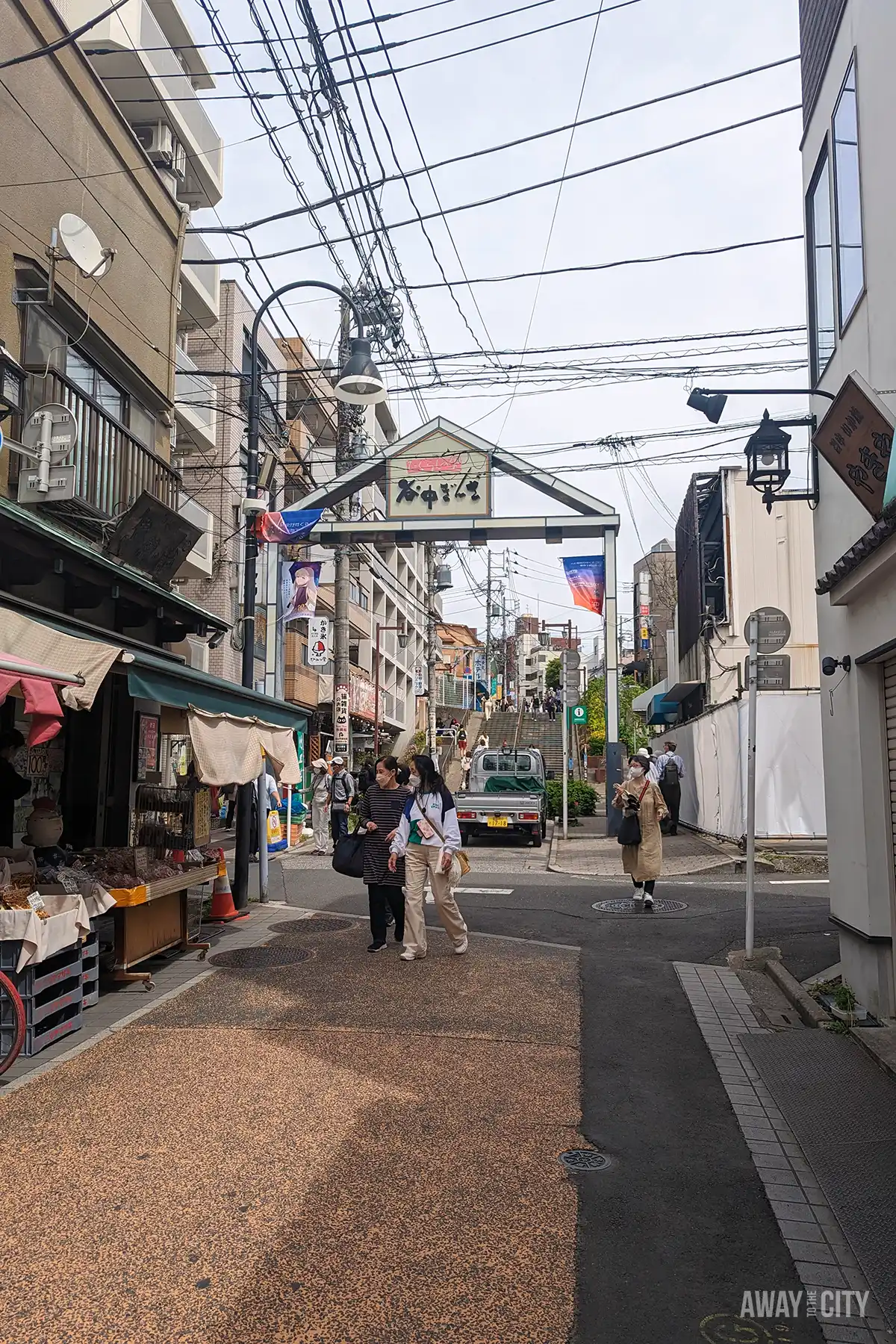
The main street is Yanaka Ginza, a lively shopping street full of independent local shops. The must-try here is senbei (traditional Japanese rice crackers) from Yanaka Senbei, a shop that’s been here for over a hundred years.
And in summer, the shaved ice at Himitsudo is not to be missed. We absolutely loved the matcha and chestnut flavours!
It’s also one of the best places to visit in Tokyo for genuinely Japanese souvenirs rather than the mass-produced options you find everywhere else.

One more for your Tokyo list
The Edo-Tokyo Museum has been on our radar for a while, and we’re glad it’s finally back. It was closed for a major renovation for four years and reopened in March 2026. It takes you through the city’s history, from its Edo-period roots to the Tokyo it is today… and after wandering Yanaka, this feels like a very natural next stop. It might well become our #14 on this list. We’ll update this once we’ve visited!
What we’d skip in Tokyo
Tokyo is an incredible city, but not everything lives up to the hype. These are the four Tokyo attractions we’d confidently skip on a first trip.
Tokyo Skytree
Sure, Tokyo Skytree is the tallest tower in the world at 634 metres (2,080 feet). It does have some genuinely cool features, like the glass floor and two observation decks at different heights.
But in our opinion, it’s one of the most overrated things in Tokyo. You’re so far up that the city looks like you’re looking down from an airplane.
There’s no open-air deck, the glare from signage makes photos frustrating, and tickets are quite expensive at ¥3,500 (about £17, US$22 or €19) for both decks.

Plus, the queues can be brutal. We ran into a tourist in Tokyo who waited 1.5 hours just to get to the elevator.
We’ll always choose Shibuya Sky over Skytree: it has an open-air and enclosed deck, it’s central, you’re at a height where the city still feels real and connected, and iconic landmarks like Shibuya Crossing are right below you.
Tokyo Tower
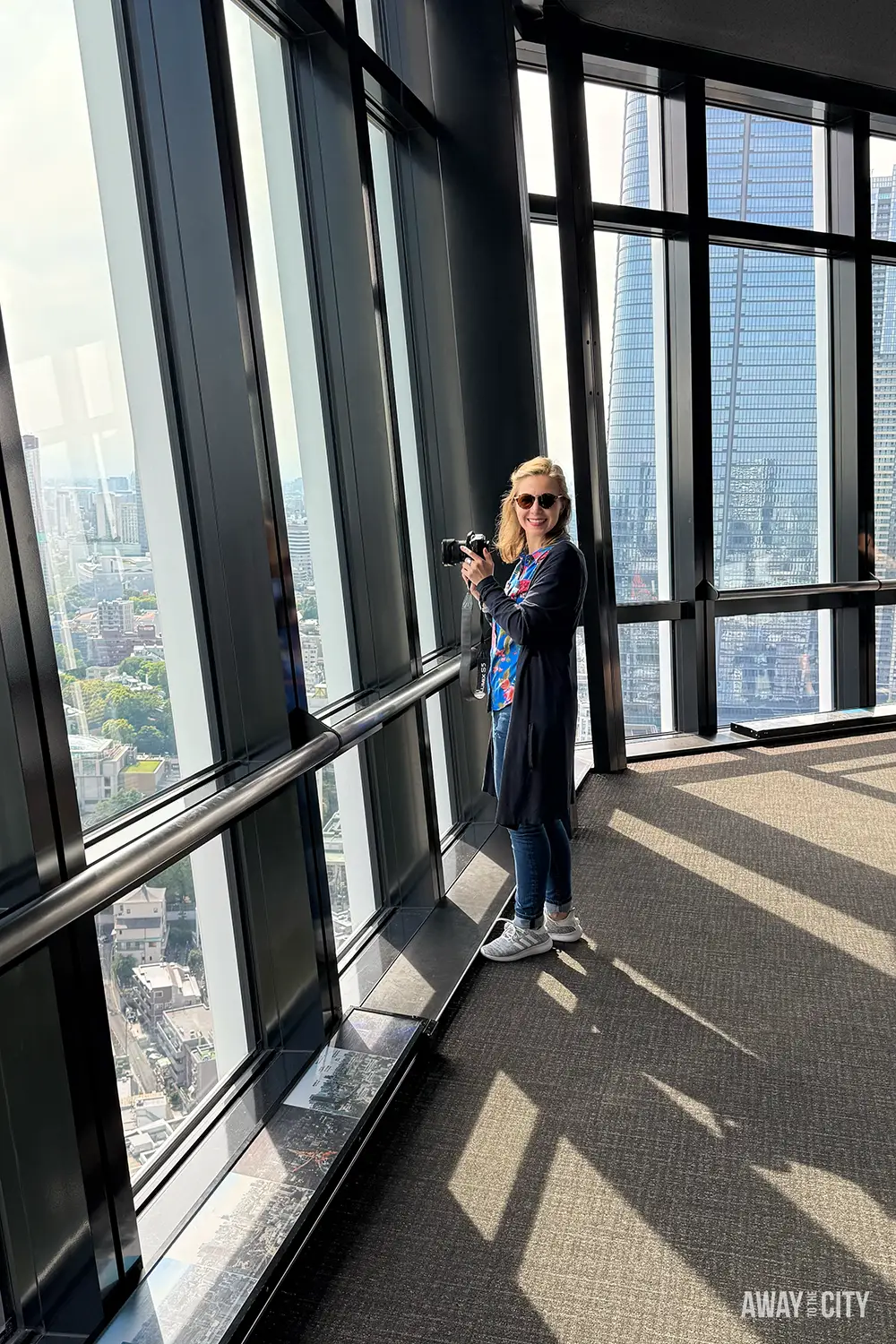
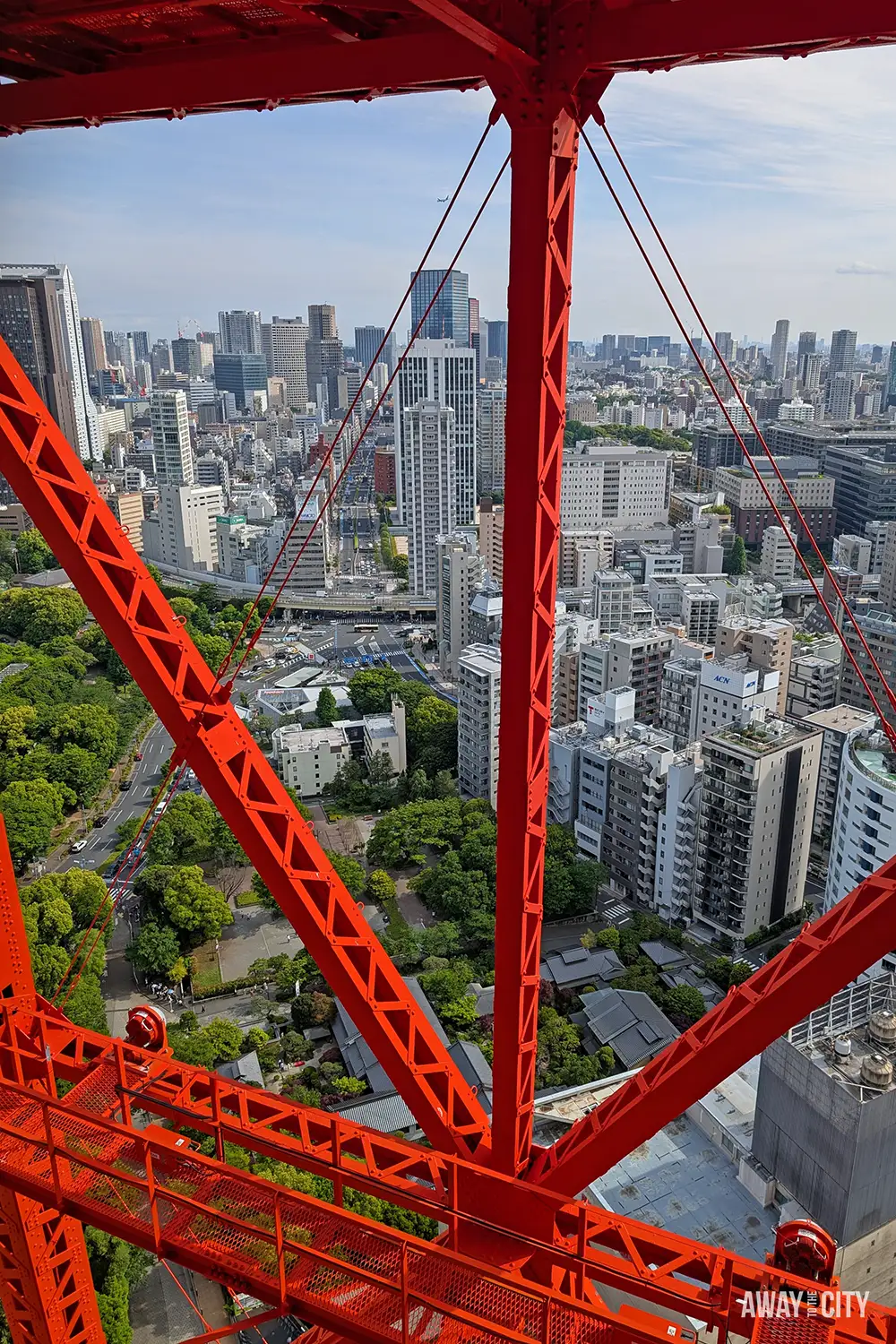
Tokyo Tower is one of Tokyo’s most iconic landmarks, and it genuinely looks great from the outside. But like Skytree, this is another one we’d skip going up.
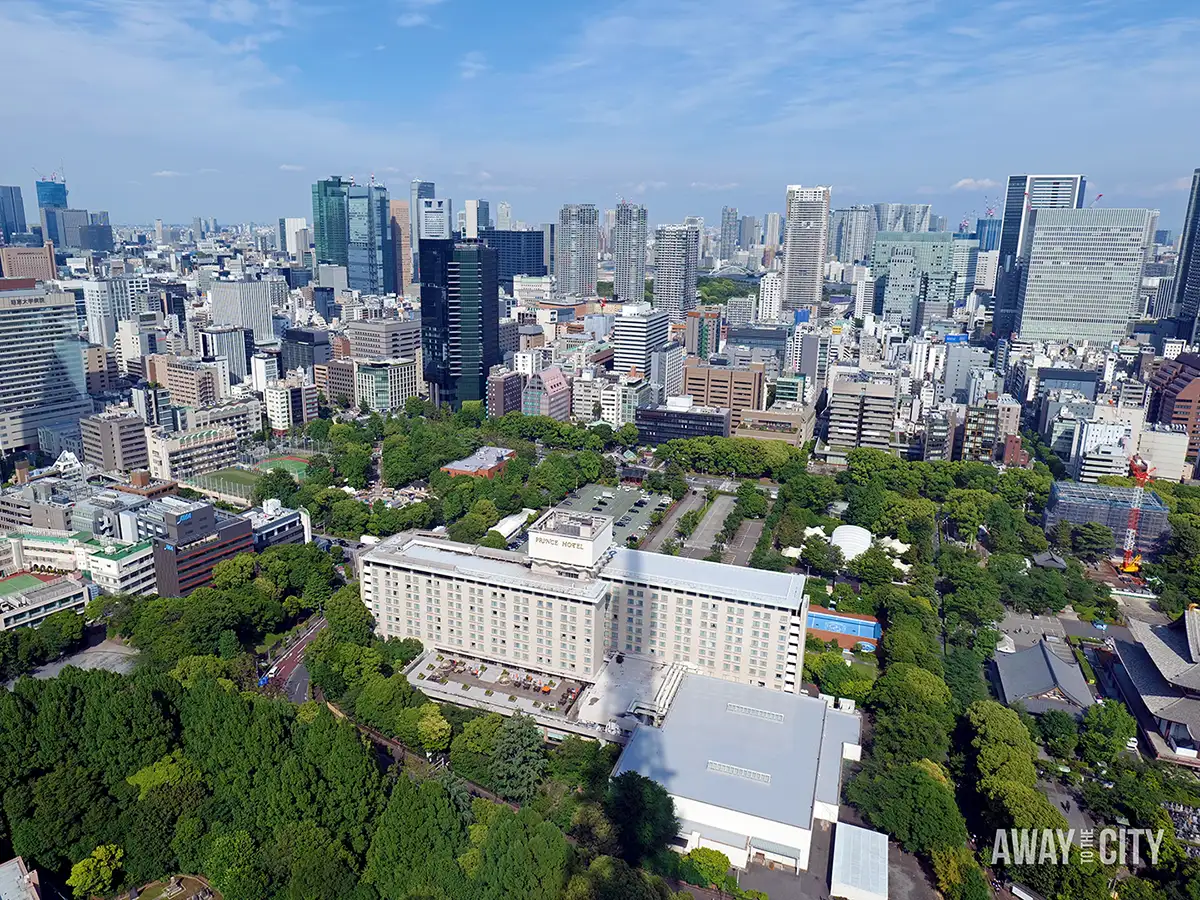
The tower was completed in 1958, and it shows. The decks feel worn and plain, it’s not in a great part of the city, and the views don’t feel connected to anywhere you’ve actually been.
It’s not terrible… just underwhelming compared to Shibuya Sky.
The one memorable thing we did: you can walk down via the outside staircase instead of taking the lift. That was more fun than the view itself.
Tsukiji Outer Market
We visited the original Tsukiji Fish Market back in 2017 and LOVED it! What it’s become since is a completely different story.
The wholesale market and its famous tuna auctions moved to a different location in 2018.
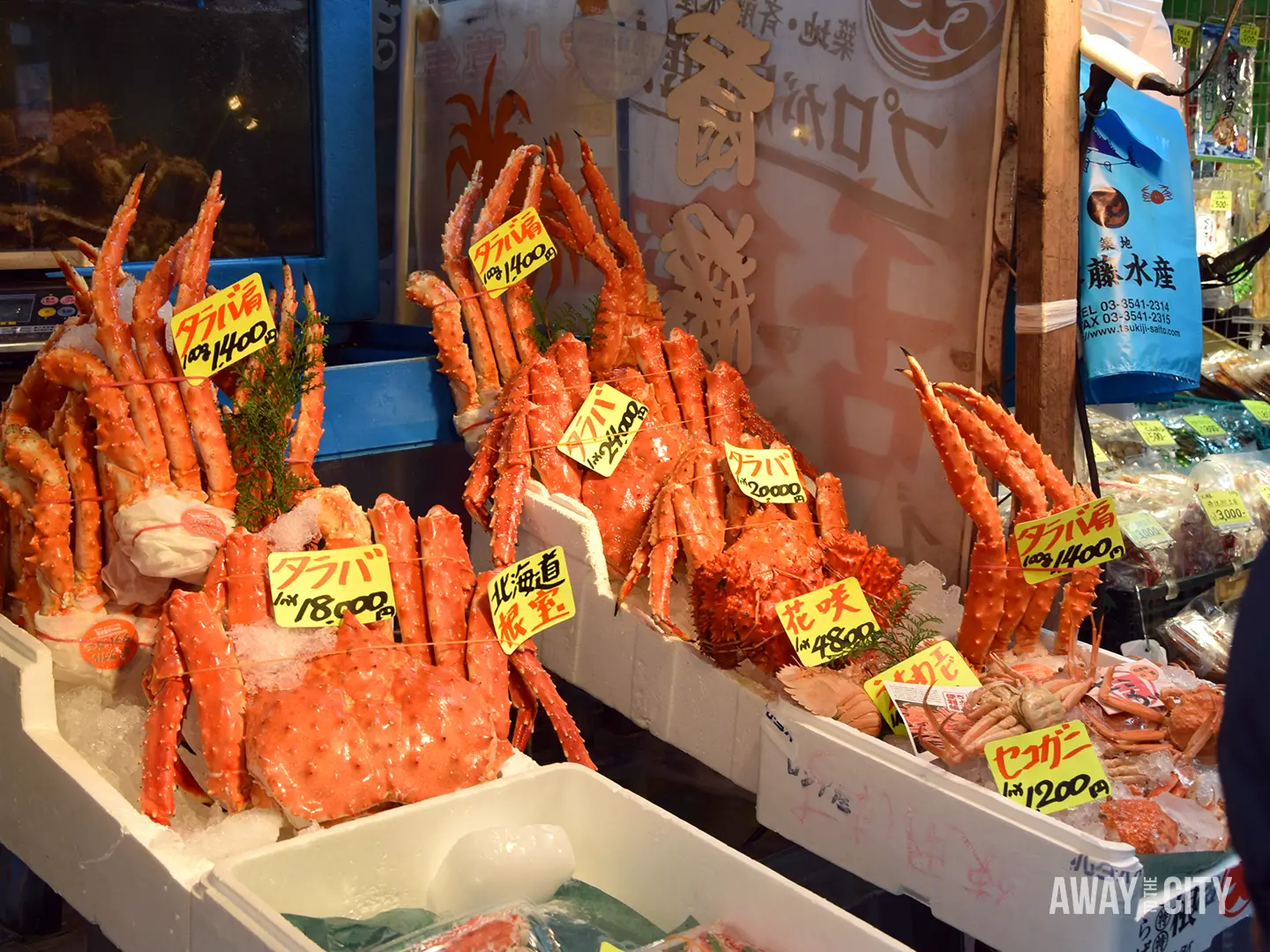
What remains is a narrow, overcrowded street that’s basically a tourist trap now. Tuna skewers, grilled scallops, sea urchin boxes… all at prices you’d never pay anywhere else in Tokyo.
Tokyo has so many incredible places to eat, but Tsukiji’s Outer Market isn’t one of them anymore.
Go-karting
Real-life Mario Kart through Tokyo sounds amazing. In practice, it really isn’t.
You’re driving a slow, low kart in dense city traffic, stuck behind buses and taxis, breathing in fumes at eye level. Because you’re watching the road the whole time, you can’t actually take in the city around you. And you can’t go fast anyway.
But even if it were fun, we still wouldn’t do it. Tokyo locals genuinely dislike these tours, and it’s become a recurring topic in Japanese media.
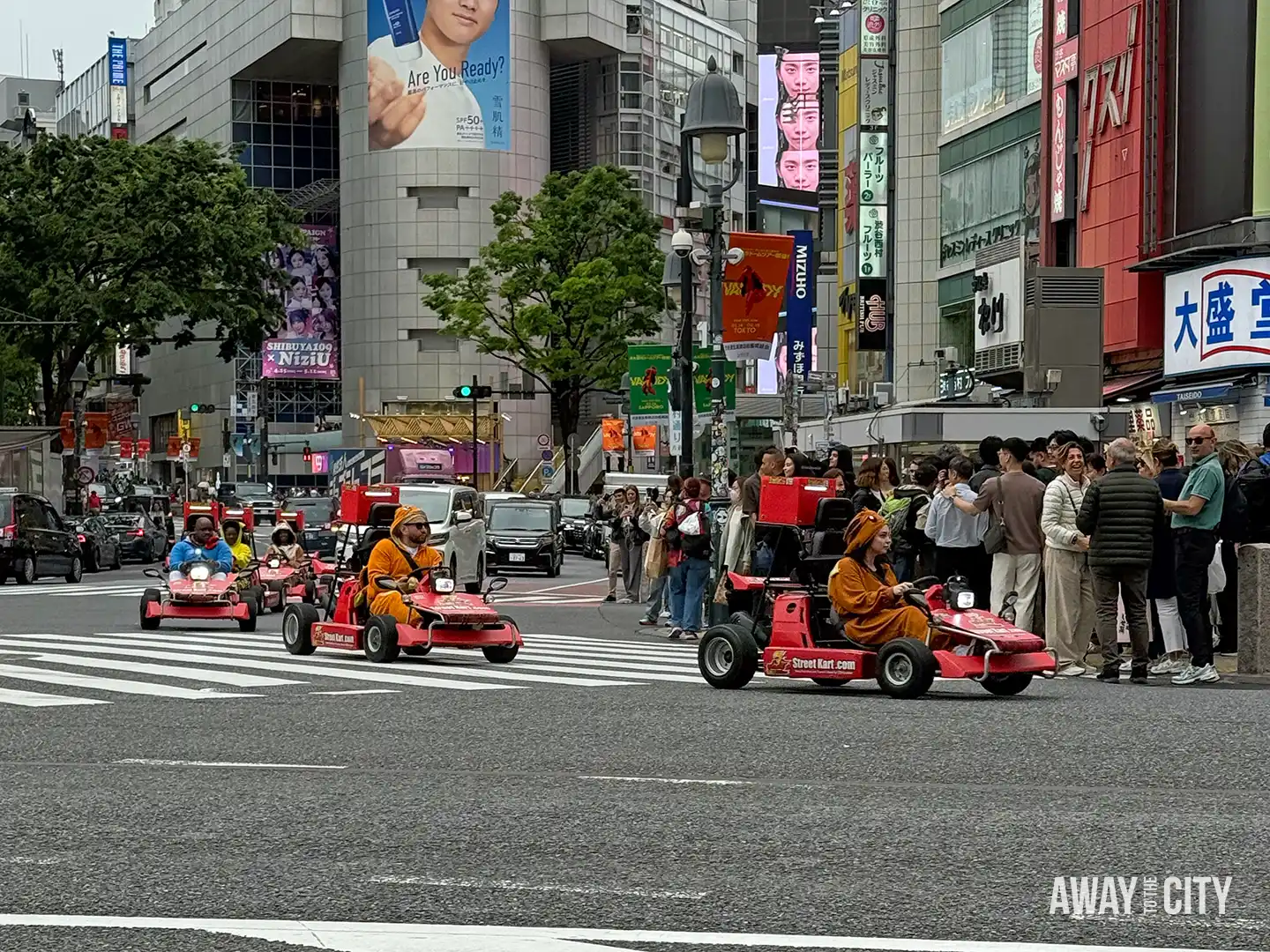
The tours are seen as loud, attention-seeking, and disrespectful of local etiquette. Because drivers are almost always foreign tourists, it feeds the narrative that visitors don’t understand Japanese social norms.
Japan has a deep cultural norm of not causing inconvenience to others. It’s just not something we’d want to play into.
Go-karting on a proper track? Absolutely! But not this.
How many days do you need in Tokyo?
Five to seven days gives you enough time to cover the highlights without rushing. With five days you can do Senso-ji, Shibuya, Shinjuku, teamLab Planets, and the Ghibli Museum and still have time left for somewhere quieter like Yanaka. We’ve been back several times now and still find new things each trip, which tells you something about the city.
Is Tokyo worth visiting for the first time?
Without question. It’s one of those cities that feels completely unlike anywhere else, and the gap between what you expect and what you actually find is almost always a pleasant one. The scale, the food, the contrast between places like Yanaka and Shibuya… we keep coming back, which is probably the most honest answer we can give.
What is the best area to stay in Tokyo for first-timers?
Shinjuku and Shibuya are our top two picks. Both are central, brilliantly connected, and put you within easy reach of most things on this list. Ueno works well if you want to be closer to Senso-ji and Asakusa. We’ve stayed in all three across different trips and none of them would steer you wrong.
Is the Tokyo Subway Ticket worth it?
For most first-time visitors, yes. The Tokyo Subway Ticket covers all Tokyo Metro and Toei Subway lines across 13 routes and 280+ stops, and comes in 24-hour, 48-hour, and 72-hour options. If you’re making more than three or four metro journeys a day, and in Tokyo you easily will, it pays for itself quickly. One thing to know: it’s not valid on JR lines, so factor that in if your plans take you further afield.
Is the Klook Pass Greater Tokyo worth it?
It depends on which attractions you’re planning to visit. The Standard Pass covers options like Tokyo Skytree, but the Premium Pass is the more interesting tier for first-timers. It includes teamLab Planets, which is one of the pricier tickets to buy individually and one we’d put near the top of any Tokyo list. If teamLab Planets is already on your itinerary alongside two or three other paid attractions, the Klook Premium Pass is worth running the numbers on before you book everything separately.
Planning your first Tokyo trip
Tokyo is one of those cities that can feel totally overwhelming before you arrive and completely addictive once you’re there (yep, we’ve been back more times than we’d like to admit, and we’re already planning the next one).
The hardest part isn’t finding things to do in Tokyo… it’s deciding what to prioritise. Hopefully this list makes that a little easier.
If you’re still figuring out the bigger picture, our 2-week Japan itinerary shows you how to combine Tokyo with cities like historic Kyoto so you can get the most out of your time there.
Oh, and don’t come home empty-handed! Our picks for the best souvenirs from Japan will give you plenty of ideas.
Save this post for later:


🇯🇵 Plan your Japan trip with our guides
📍 Japan essentials
📍 Tokyo
📍 Kyoto
📍 Osaka