This post may contain affiliate links, including from Amazon and other trusted partners. If you click a link and make a purchase, we may earn a small commission at no extra cost to you. See our Privacy Policy for more information.
Best Cities to Visit in Europe: Our 17 Favourites (and 3 We’d Skip)

See our posts more often


Europe isn’t short on great cities. But your time is. Choosing the best cities to visit in Europe sounds easy until you realise how many genuinely good options there are. The problem isn’t that Europe lacks quality. It’s that you can’t visit them all, and some might not be worth prioritising.
We’ve been living in the UK for over ten years, grew up in Germany, and have explored more than 450 cities worldwide together. Many of those have been in Europe, and it’s the region we know best and revisit most often.
After that many trips, you start to see which cities consistently deliver on history, atmosphere, walkability, and depth, and which ones disappoint.
These are the standouts: the 17 European cities we’d recommend without hesitation. You’ll find global icons like London and Rome, as well as places we believe deserve far more attention, such as Budapest and Valencia.
We’ve also included three cities we’d skip entirely, including Brussels, because no one wants to spend valuable annual leave figuring that out for themselves.

1. London, United Kingdom
London is our favourite city in the world, and we don’t say that lightly. We’ve been living here for over ten years and still haven’t discovered everything. That tells you something.
It’s one of the most diverse cities on the planet, from the neighbourhoods to the people, and that diversity shows up most in the food.

We must admit that we’re not big fans of proper British food (like Sunday roast or fish and chips), but you can get everything in London… and we mean everything.
Every cuisine, every price point, every craving. We’ve never experienced anything like it in any other city.


The West End is another reason we never want to leave. We see at least one show a month, and having also lived near Broadway in New York, we can say these are the two best cities in the world for theatre. Nothing else comes close.
London does get busy. We learned fairly early on that arriving early is not a unique strategy, and neither is ‘just turning up’ at the most popular sights. Knowing what to book in advance makes a real difference.

Hotels can also be expensive, but the city is more manageable on a budget than people expect. There are endless free things to do that you can easily fill weeks with.
And if you visit in November or December, London at Christmas is something else entirely. The lights, the markets, and the general atmosphere are worth planning around. Even after ten years, it still doesn’t get old.


Read more about London: Best things to do in London, Where to stay in London
2. Prague, Czech Republic
We’ve been to Prague in every season, and it never loses its effect on us.
The medieval architecture, the Gothic towers, the colourful buildings lining the river… it genuinely looks like somewhere a film set designer invented. Except it’s all real, and it’s been standing for centuries.
Mala Strana is our favourite part of the city, quieter and less visited than the Old Town. Most visitors rush straight to the castle and miss everything in between, which is their loss.

But if we’re being honest, one of our strongest Prague memories involves a beer spa. Yes, that’s a thing!
You sit in a wooden tub filled with warm beer, surrounded by hops and barley, with a tap of fresh Czech lager within arm’s reach. Highly recommend, obviously.

Prague is very walkable, affordable, and full of things that reward curiosity. The medieval underground tunnels and the Speculum Alchemiae Museum are worth seeking out if you want to go beyond Prague’s obvious landmarks.
If you’re planning a multi-city Central Europe trip, Prague pairs brilliantly with Vienna and Budapest. Between the three of them, you’d never run out of things to see.

Read more about Prague: Best things to do in Prague, Where to stay in Prague
3. Budapest, Hungary
Budapest might just be Europe’s most underrated city. We’d go back in a heartbeat, and it’s one of the few places where we’d genuinely struggle to choose between the two sides of the river.
Because Budapest is really two cities. Buda is quieter, more elegant, home to the castle and Fisherman’s Bastion, with views across the Danube that are worth the climb alone.
Pest is lively, with gorgeous yellow trams, and is home to the unique ruin bars of the Jewish Quarter (definitely make sure you visit both Szimpla Kert and Mazel Tov).

And then there’s the Parliament building. We thought London’s Westminster Parliament was impressive… BUT Budapest topped it!
It also provides a spectacular backdrop when the nearby squares host one of the best European Christmas markets.

Hungarian food wasn’t something we thought much about before our visit.
But lángos was a genuine discovery, fried dough topped with sour cream and cheese, eaten standing up outside a market stall. It’s not glamorous, but absolutely worth it.

The thermal baths are worth every bit of their reputation too. Soaking at Széchenyi while the city carries on around you is one of those experiences that’s hard to explain until you’ve done it.
Read more about Budapest: Best things to do in Budapest, Where to stay in Budapest
4. Paris, France
Paris is classic for a reason. Out of the big European cities, we’d rank it fifth, behind London, Vienna, Barcelona, and Prague… but that says more about how much we love those four than it does about Paris.

A lot of the city’s look comes down to one man. Baron Haussmann redesigned around 60% of Paris in the 19th century, which gives it that sweeping, unified feel: wide boulevards, cream facades, matching balconies.
Beautiful, but it becomes quite uniform after a while.
One of the exceptions is Montmartre (our favourite Parisian neighbourhood by some distance!), where the streets suddenly feel like they belong to a completely different city.


We’ll be honest: French food isn’t really our thing. We’re usually into big flavours, like pasta, ramen, and spicy food, and Parisian cuisine is a little refined for our tastes.
But the café culture, the world-class museums (we’re looking at you, Musée d’Orsay), the window displays, the way people dress just to go to the market? That part we love completely.
We spent hours just walking along the Seine during golden hour, watching the city do its thing.

Oh, and the croissants! Completely zero calories when you’re on holiday 😉.
If you have a spare half day, get the train to Versailles. The Hall of Mirrors and the vast gardens are gorgeous, but Marie Antoinette’s retreat, The Queen’s Hamlet, is what really got us.
This life-size, storybook-like village was built for her to leave court life behind, and it ended up being our favourite spot in Versailles.

And of course, watch the Eiffel Tower twinkle at dusk. It sounds touristy because it is. Do it anyway.
5. Barcelona, Spain
We’ve been to Barcelona three times now, including a nine-day trip in October 2025, and we still haven’t run out of things to do. It’s bigger and more spread out than most people expect.
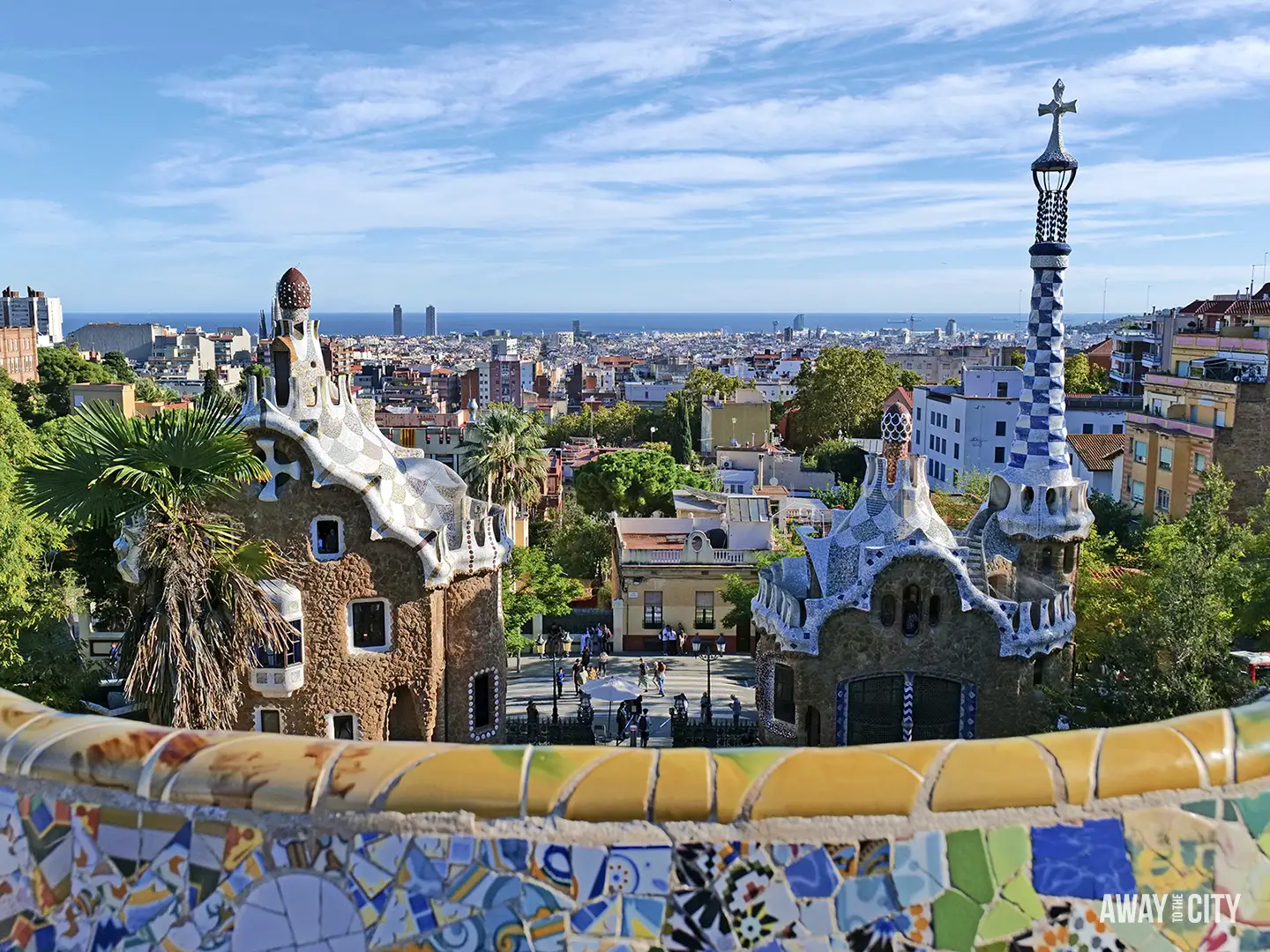
The Gaudí buildings are the obvious draw, and they absolutely deserve the attention.
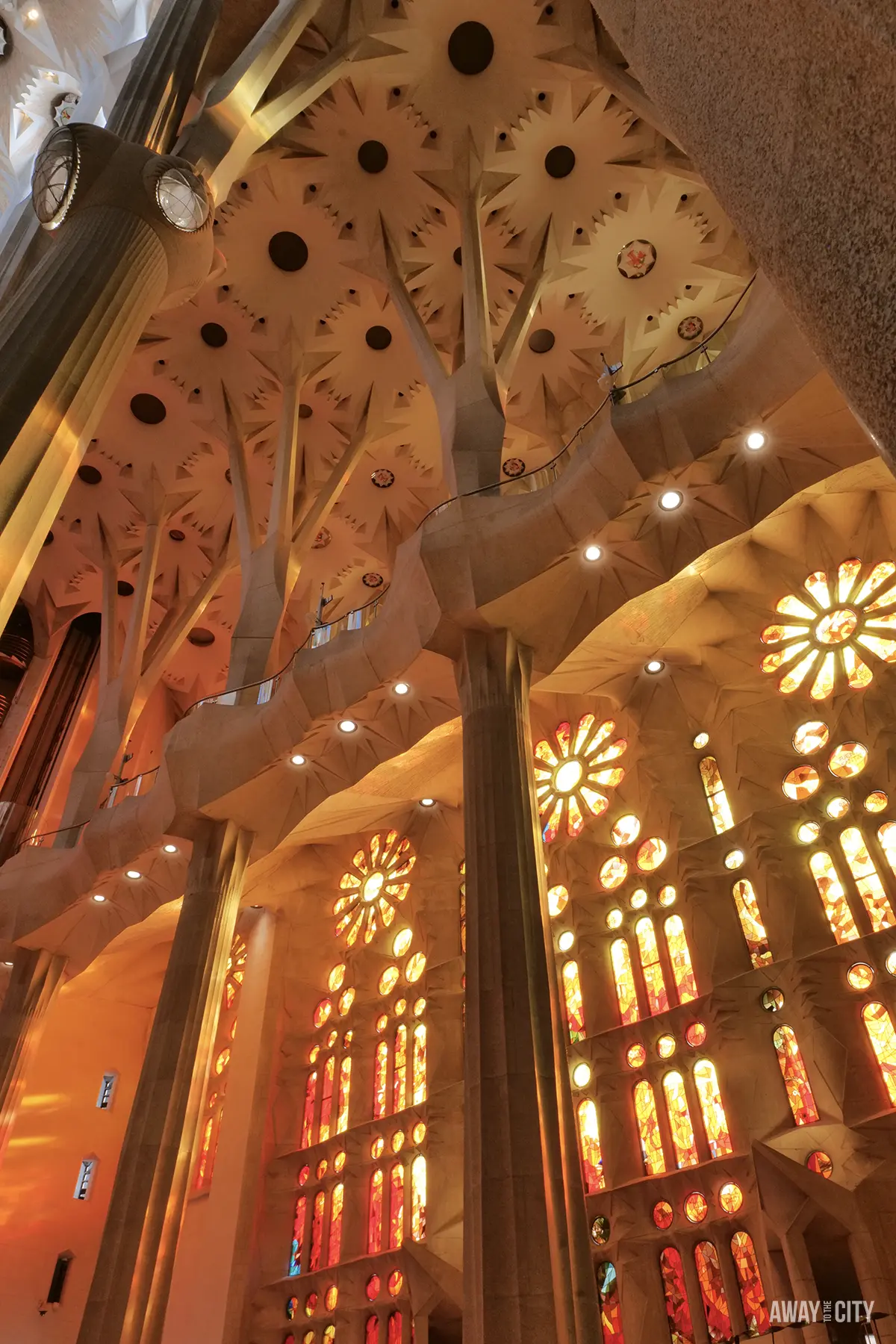
The Sagrada Família is one of the most extraordinary buildings we’ve ever been inside.
If you time your visit right, the light inside the Sagrada Família is genuinely beyond explaining.
Barcelona has become incredibly popular in recent years.
On our first visit, we didn’t think to book tickets in advance, queued for almost two hours outside the Sagrada Família, and by the time we reached the front, tickets had sold out. Don’t make the same mistake we did.
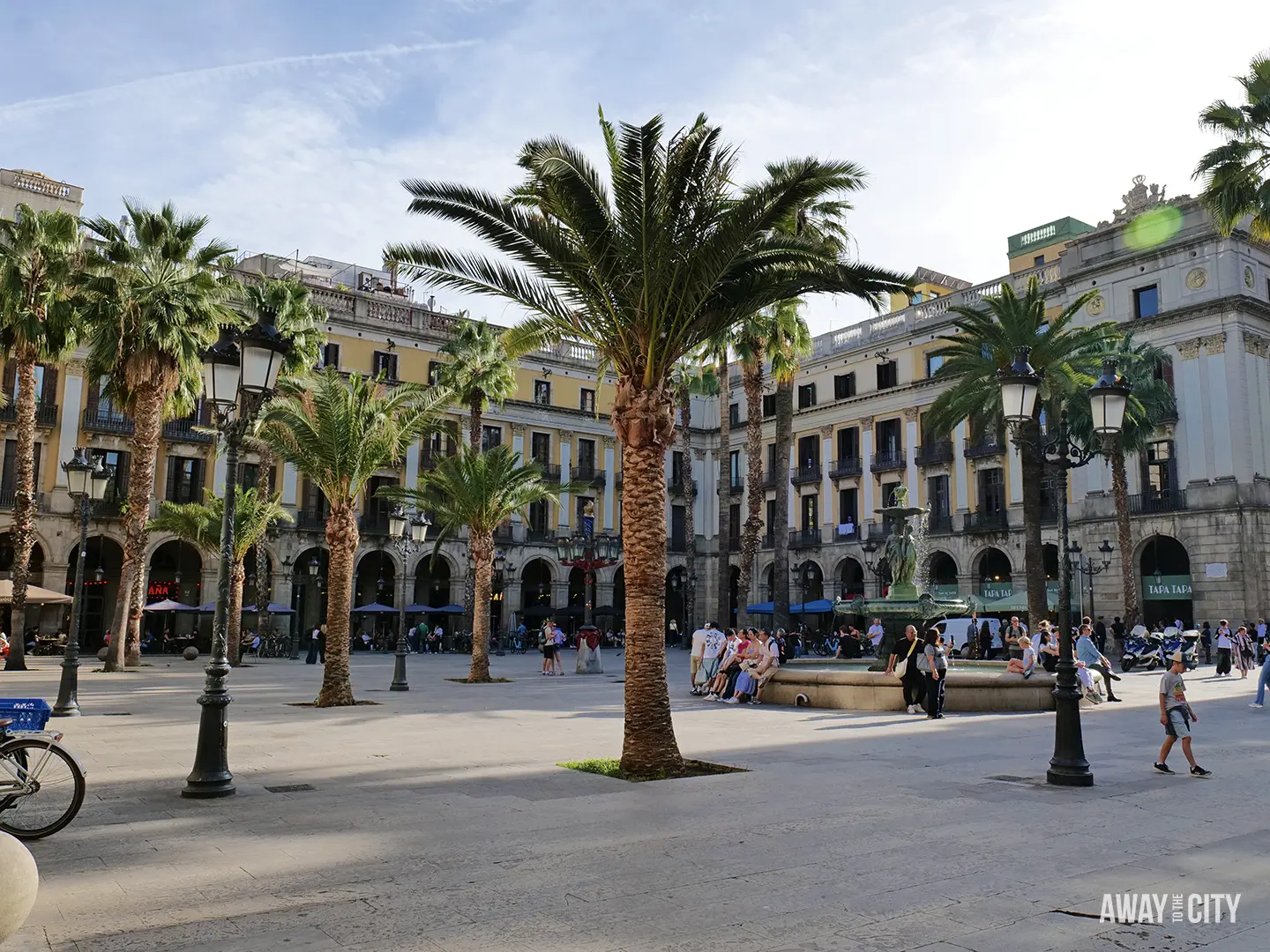
The Gothic Quarter is gorgeous, though it has a certain greyness to it.
And Tibidabo Mountain is more of a hidden gem, but worth the trip up (most visitors never make it there, which is exactly why you should).
Read more about Barcelona: Best things to do in Barcelona, Tips for a Barcelona visit
6. Seville, Spain
If someone asked us for one Spanish city to add to their trip, we’d say Seville every time.
We’ve loved cities like Barcelona, Valencia, Granada, and Girona (Madrid didn’t leave the same impression on us), but Seville in southern Spain has this easy, sunny charm that made us feel at home almost instantly.

The beautiful architecture alone is reason to go. Seville spent centuries under Muslim rule during the Middle Ages, and you can still see and feel that Moorish influence in the tiled courtyards, carved archways, and intricate details.
Then you have the Setas de Sevilla. This giant wooden structure looks like it crash-landed from a futuristic design expo, yet it fits right in. We went up for the sunset views and ended up staying far longer than planned.


Oh, and the orange trees… everywhere! We were told they’re the bitter kind used for marmalade, which explains why no one picks them. When the trees are in bloom, Seville smells like one big orange.
We’re hopeless at choosing one main dish (there’s always too much that sounds good), and Seville’s tapas culture makes it easy with all the little plates arriving one by one.
Some of our best meals in Spain have been in tiny tapas bars, often with flamenco guitar playing in the background.

The warm weather definitely helps too, although we’d avoid the peak of summer when the heat can be intense. Spring and autumn are perfect for long days on foot and late dinners outside.
Read more about Seville: Best things to do in Seville
7. Florence, Italy
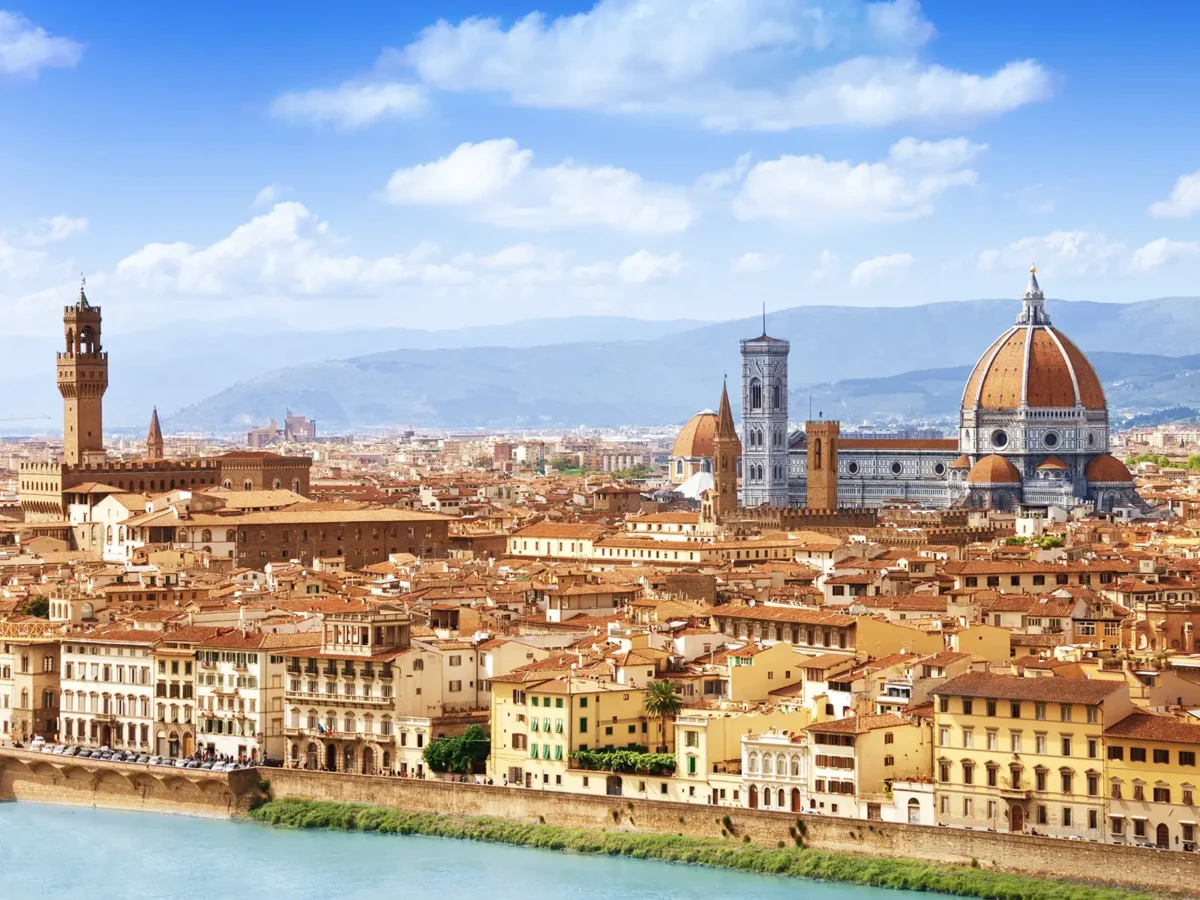
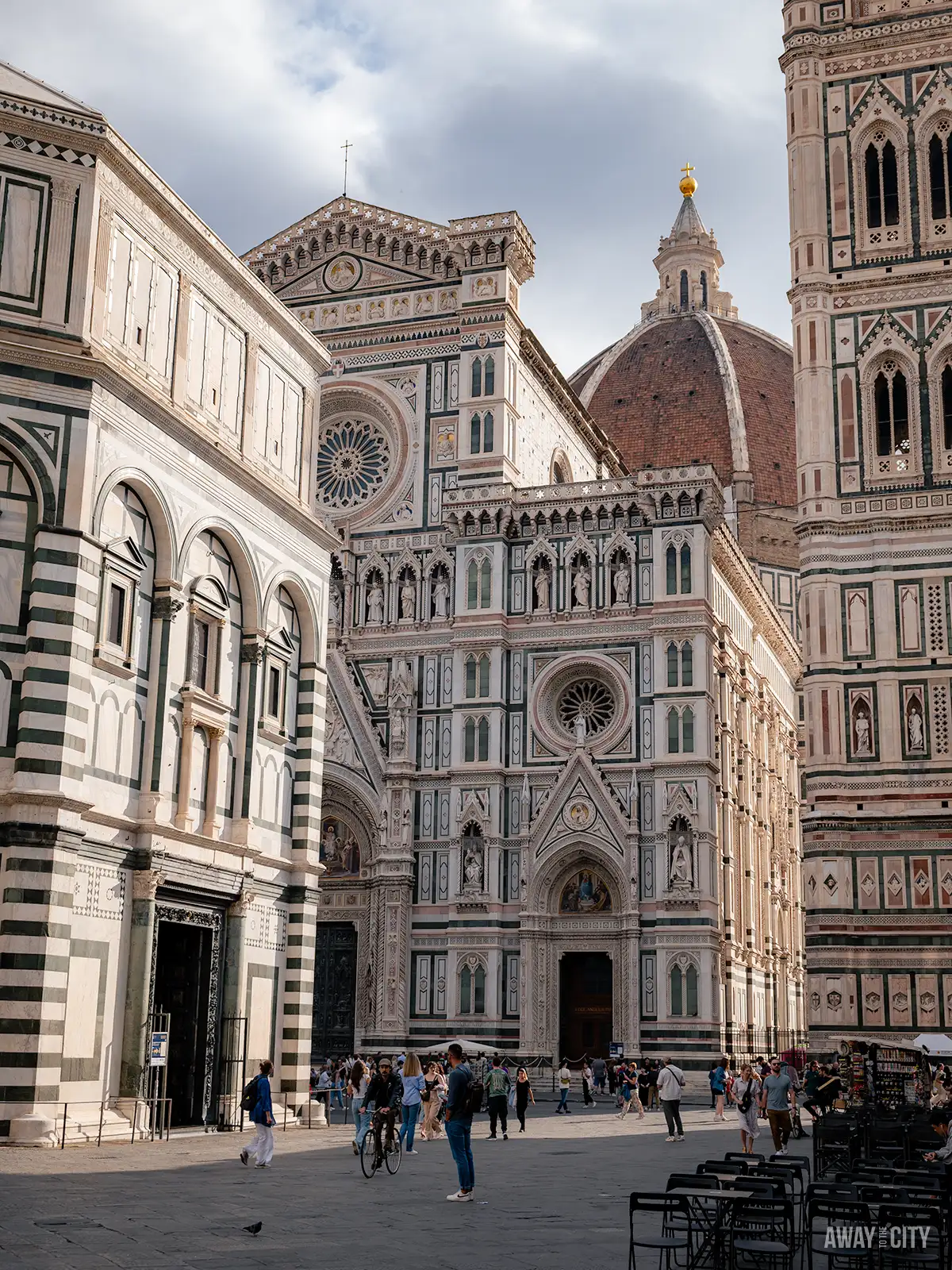
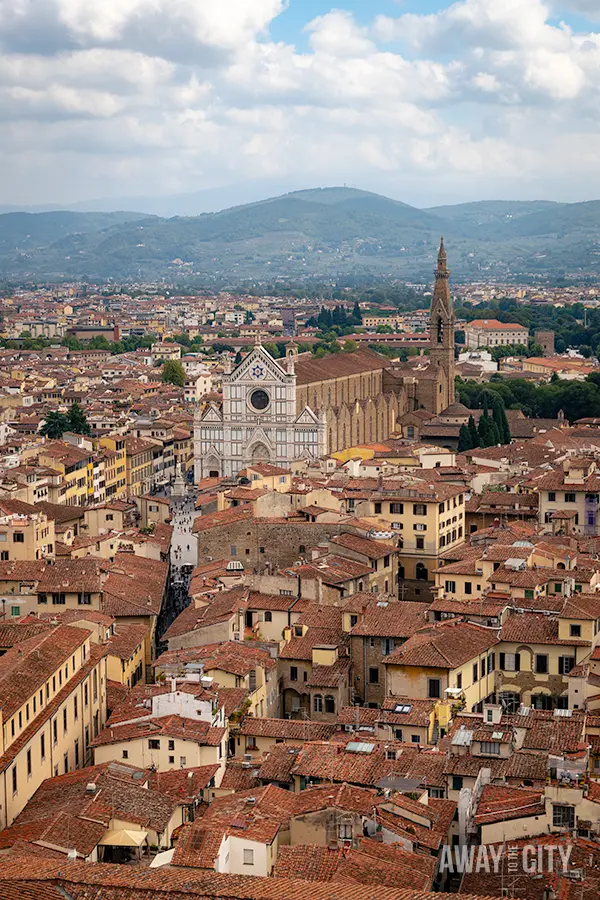
Florence gave us everything we wanted from Italy: clean, walkable, compact enough to cover on foot, and so dense with Renaissance art and architecture that you can’t walk a block without stopping to look up.
We must admit that sculptures aren’t usually our thing. But the Galleria dell’Accademia completely changed that. Seeing Michelangelo’s David in person is one of those experiences that photos genuinely don’t prepare you for.
And then there are his unfinished works nearby, where you can see the chisel marks, the bodies emerging from the marble, the emotions forming on faces that were never completed. It’s extraordinary.

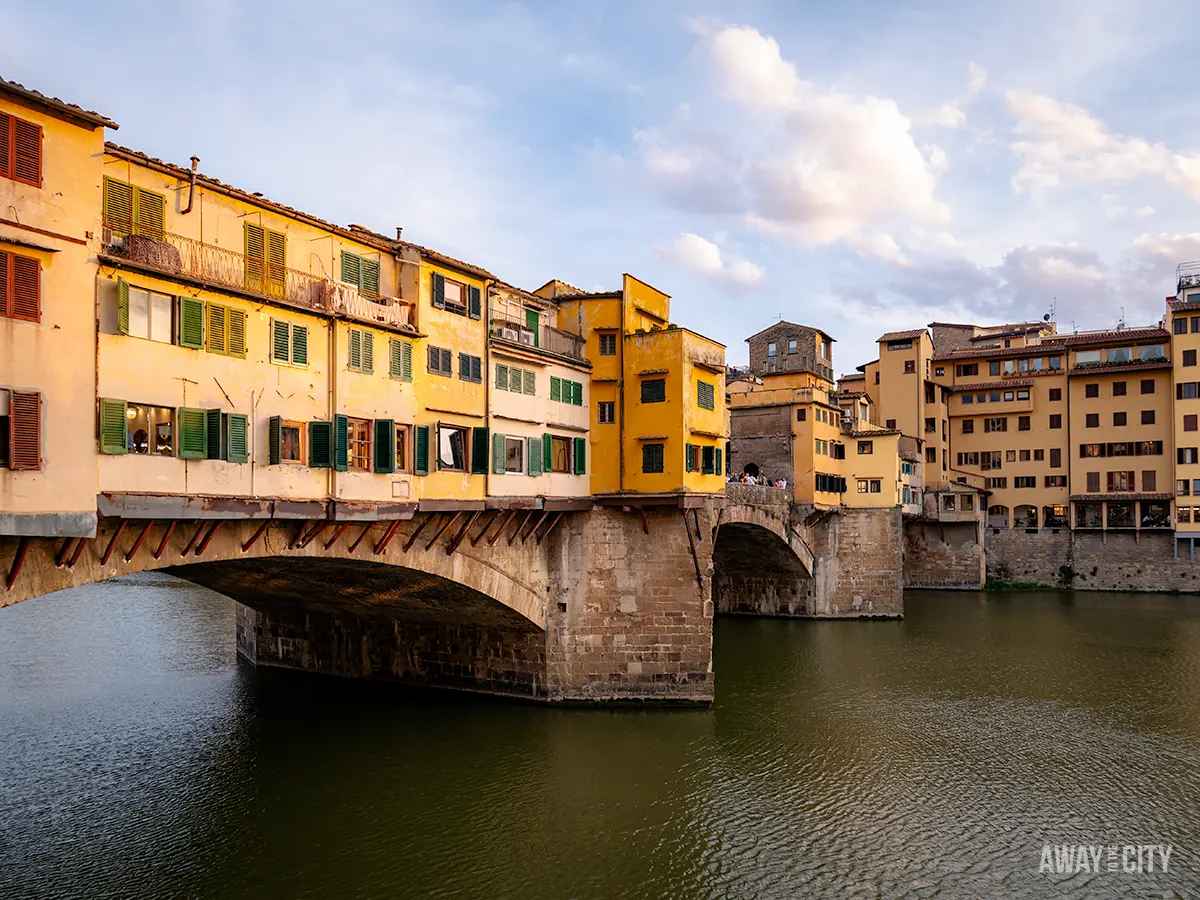
The Basilica of Santa Croce, where Michelangelo and Galileo are buried, and the Ponte Vecchio (with its jewellery shops spilling over the bridge) are both worth adding to your list too.

Our top tip: Skip the Florence Cathedral for panoramic views and climb the Arnolfo Tower instead. Better views, far fewer crowds, and most visitors walk straight past it.
Florence does get very busy in summer. Spring or late autumn is the sweet spot, and two full days is the minimum… one isn’t enough!
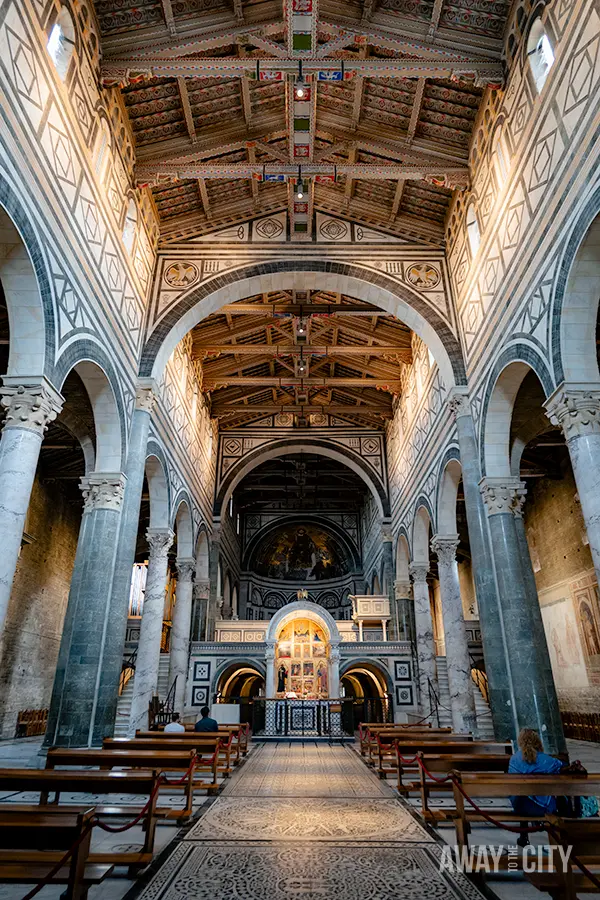
Read more about Florence: 2-day Florence itinerary, Where to stay in Florence
8. Valencia, Spain
Spain has so many great cities that it’s almost unfair. Valencia is the one that genuinely left us wondering how one country pulls this off.

The City of Arts and Sciences feels like arriving on a film set. Futuristic architecture that seems to belong to another century entirely. No surprise they filmed Star Wars here.
And then 15 minutes away, you’re walking through Roman ruins, Gothic buildings, and 800-year-old narrow streets. The contrast is almost surreal.


The Turia Gardens run for 9km (5.6 miles) through the city along a former riverbed. We did what many locals do and cycled the whole length. Honestly, one of the most laid-back mornings we’ve spent in any Spanish city.
Afterwards, we found a spot nearby for proper Valencian paella. Valencia is where it comes from, and the difference is noticeable.

9. Vienna, Austria
Vienna is probably the most elegant city on this list, and one of the few places we could genuinely see ourselves living in. We’ve been several times now, and it never gets old.

Growing up in Germany, the Habsburg dynasty is a big part of the school curriculum, so we arrived with more context than most.
The Hofburg (Imperial Palace) and Schönbrunn Palace are both extraordinary, and we find the whole imperial history genuinely fascinating rather than just impressive to look at.

The café culture is something we look forward to on every visit. We always make time for a slice of Sachertorte and an Apfelstrudel (two of the best things to eat in Vienna) with a proper Viennese coffee.


The Viennese can be a little stern at first, especially the older generation. But scratch the surface and there’s a dry, sarcastic humour that we genuinely enjoyed.
We often get the question about whether Vienna or Berlin is better. For art, museums, and historical landmarks, we’d pick Vienna every time.
Read more about Vienna: Interesting facts about Vienna, Where to stay in Vienna
10. Athens, Greece
Aww, Athens! The Acropolis is the obvious reason to visit, and yes, it lives up to its reputation, though the Acropolis Museum just below the hill is arguably more fascinating.
One thing we learned there: the Parthenon wasn’t always the white marble structure you see today. It was once decorated with vivid colours, stripped away by centuries of weathering.


Our top tip: One of the best viewpoints of the Acropolis is from the rooftop bar at A for Athens. It’s the perfect spot for a drink while admiring the city spread out below you.
Athens is a little rough around the edges, and that’s part of what makes it interesting. Plaka (the old town neighbourhood) is a lovely, colourful place to wander, with its narrow streets, local shops, and traditional tavernas.

Greek cuisine is genuinely one of our favourites anywhere in Europe, and Athens is the perfect city to eat your way through. We always end up consuming alarming amounts of feta and tomatoes that actually taste like something.
11. Lisbon, Portugal
We spent five days in Lisbon, and we’re already going back this year! The last time was just before Covid, and we’ve been thinking about it ever since.
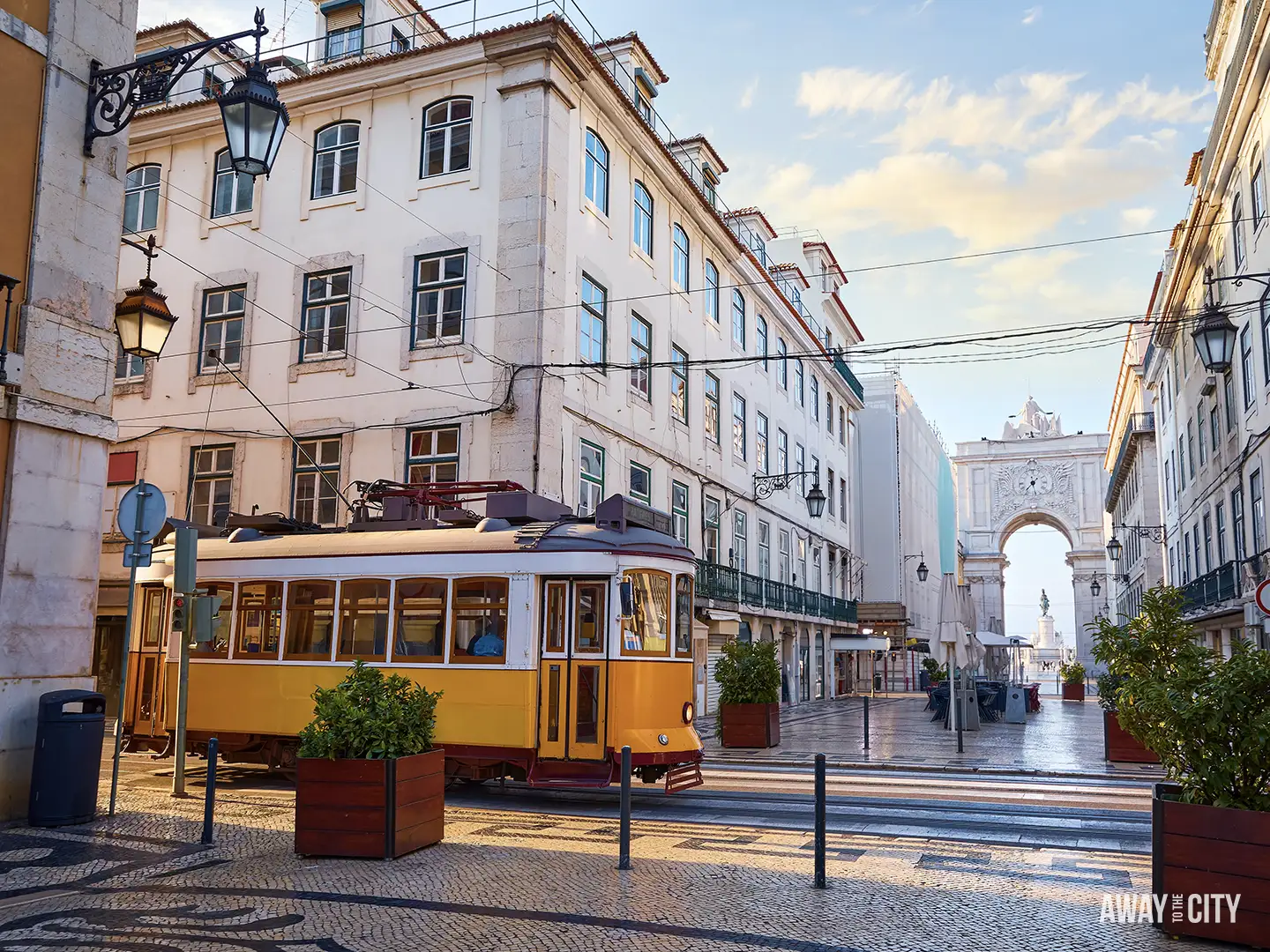
Like most Southern European cities, Lisbon moves at its own pace. An espresso at a café counter, sunset from a miradouro, fado music drifting through the alleys of Alfama. You feel it within hours of arriving.

The architecture is stunning throughout, from hilltop palaces to ornate monasteries to colourful historic buildings that line every street.
And then there are the tiles. We never thought we’d be the kind of people who go completely overboard about decorative tilework, and yet here we are.
There are so many beautiful buildings with stunning tiles all over the city, but Campo de Santa Clara, with its yellow, blue, and white tiles depicting baroque busts, was probably our favourite one.
And the Museum of Portuguese Tiles (housed in a former monastery) is worth a few hours too.
We have friends who moved to Lisbon years ago. They’ll tell you the housing market has become brutal for locals, and some neighbourhoods are losing their character to tourism.
But they also still say it’s easy-going and stunning. That matches exactly what we experienced.

The day trip to Sintra is worth every bit of the effort. Hilltop castles, fairytale palaces, and views we’re still thinking about.
Read more about Lisbon: Best things to do in Lisbon
12. Stockholm, Sweden
Before our first visit, we’d heard Stockholm described as boring. We couldn’t disagree more.
Gamla Stan (the old town) is one of the largest and best-preserved medieval city centres in Europe, and we spent hours wandering through it without any particular plan.
The harbour is beautiful, the whole city has this calm, unhurried Nordic energy, and nature feels surprisingly close even when you’re right in the centre.

The Vasa Museum was the highlight by some distance.
A fully intact 17th-century warship that was designed for a crew of 450 men, sank on its maiden voyage in 1628, and was preserved almost perfectly on the seabed for centuries. The ship is huge, and photos really don’t do it justice.

And then there’s the liquorice. We are completely, unashamedly obsessed (we always have been!), and Stockholm feels like something of a pilgrimage destination for us.
Sweet, salty, every variety imaginable. We tried almost everything they had. The UK really needs to sort itself out on this front.

13. Venice, Italy
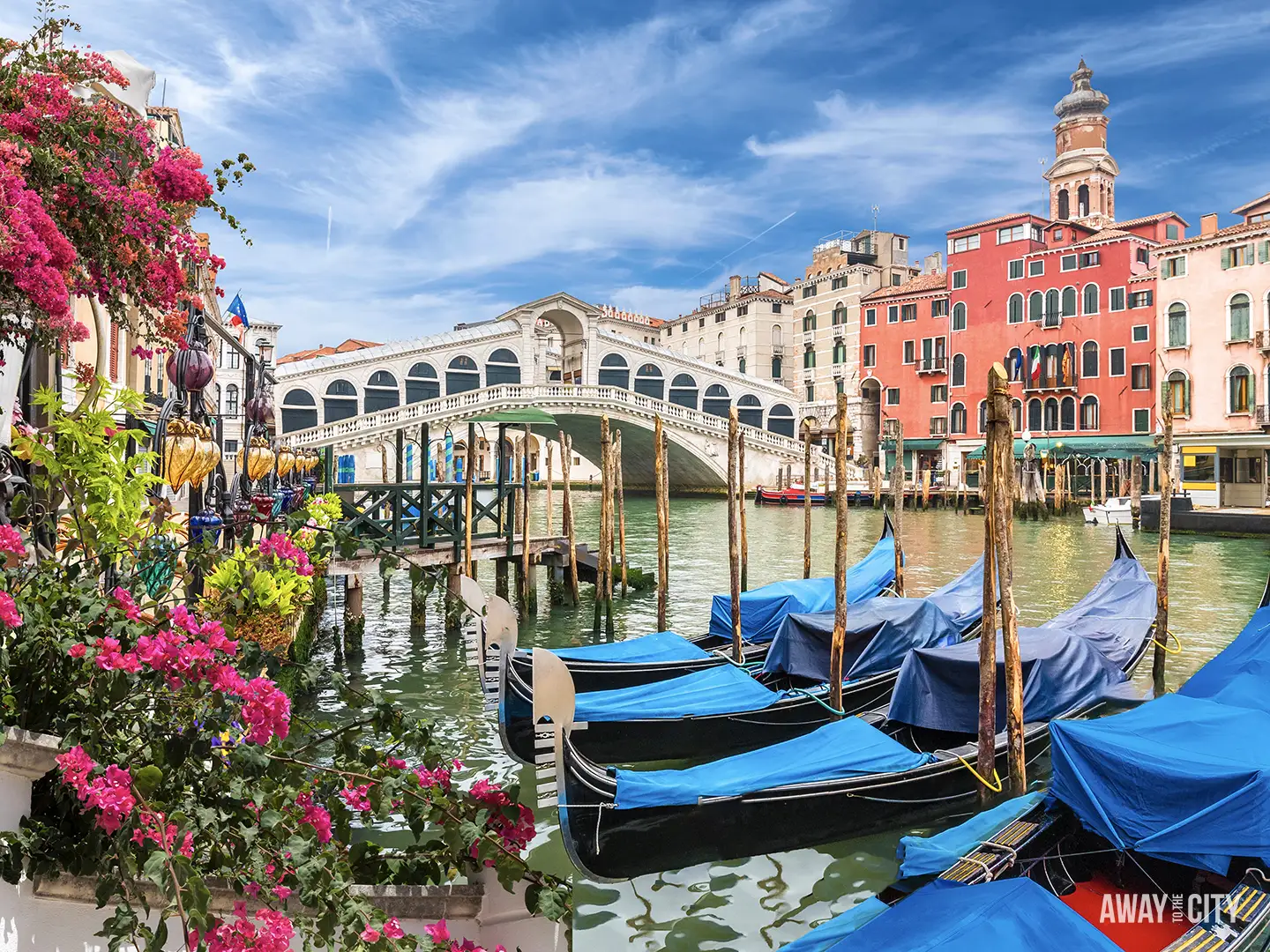
Venice is unlike anywhere else we’ve ever been, and we mean that literally. Spread across 118 small islands and connected by over 400 bridges, with boats instead of cars and canals instead of roads.

It feels the least like a city out of this list… even a bit like a theme park. When we visited DisneySea in Tokyo, we actually found a full Venice replica inside the theme park.
The tourists there were absolutely in love with it. We understood completely, because the two experiences aren’t as different as you’d expect.

The crowds can be overwhelming, especially around the Grand Canal and the main squares. But turn a few corners and the city changes completely.
There, you’ll find quieter canals, emptier streets, and a pace that feels much more manageable.

Venice is famous for its carnival, but it isn’t really for us. We lived in Cologne for more than three years, which has its own famous carnival, and fled every year. At some point, you just have enough of it.
A day trip is enough, two days maximum. But you need to go at least once, and sooner rather than later. Venice is sinking, slowly but surely. If you believe the experts, parts of the city could be underwater within a century.
14. Porto, Portugal
Porto is one of those cities that’s hard not to love immediately. The Ribeira district, with its colourful buildings and steep cobbled streets along the Douro River, is exactly as lovely as it looks in photos.

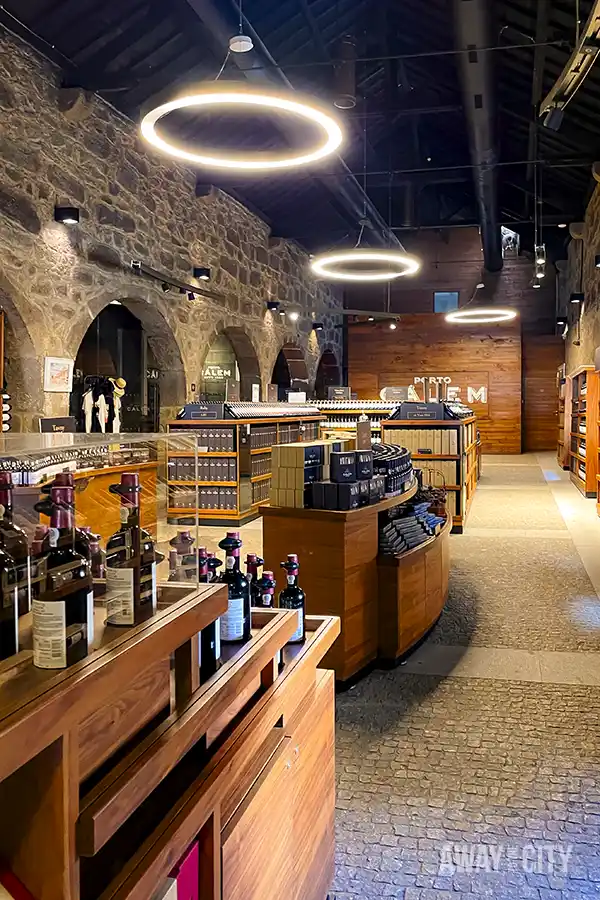
If you’re even vaguely interested in wine, do a port wine cellar tour. We did one and loved it. It’s a genuinely interesting way to understand the region’s history, and the tasting at the end obviously didn’t hurt either.

And yes, more tiles. We really can’t help ourselves. The Chapel of Santa Catarina, covered in blue azulejos depicting scenes from everyday life, is one of the most beautiful things we saw in Portugal.

Porto is also great value compared to most cities on this list. Two days is the sweet spot… enough to see the highlights without rushing.

15. Dubrovnik, Croatia
Few cities are as instantly recognisable as Dubrovnik, and in person it’s even more extraordinary than the photos suggest. Terracotta rooftops, sparkling blue sea, tiny alleyways that seem to go on forever. It’s small, but it feels almost unreal.

The walk along the medieval city walls is the highlight, and we say that having almost talked ourselves out of it because of the admission fee. We’re glad we didn’t.
The views over the Adriatic are extraordinary, and the walls themselves were so formidable that they were never breached in medieval times.

If you’re a Game of Thrones fan, you’ll recognise Dubrovnik instantly as King’s Landing. We’ve never actually watched the series, but even we could see why they filmed part of it here.
The crowds can be overwhelming in peak summer. We went at the end of September and had perfect sunny weather with far fewer people. If you have any flexibility on timing, it makes a real difference.

16. Bruges, Belgium
Bruges is one of our favourite non-capital cities in Europe, with its medieval buildings, canals, and cobblestone streets.
The entire historic centre is a UNESCO World Heritage site, and it feels a bit like walking through a fairy tale, in the same way Strasbourg does.


It has gotten more touristy over the years, but the small-town charm is still very much there.
Climb the Belfry Tower for a panoramic view over the rooftops, and you’ll instantly understand why we keep coming back.

They love chocolate in Bruges… we love chocolate. It’s the perfect match! The waffles and beer aren’t bad either (even though we’re not big beer drinkers).
Bruges also makes a great base for the region. We spent two weeks in Belgium in 2025 and explored several cities. Ghent and Antwerp are definitely some of the best Belgian cities to visit if you have the time.


Read more about Bruges: Best things to do in Bruges
17. Rome, Italy
Rome is chaotic and beautiful in equal measure, and somehow that combination works perfectly.
It’s essentially an open-air museum (and we genuinely love open-air museums!), with history at every corner and major landmarks that would be the highlight of any other city just casually sitting there.

Obviously, things like the Colosseum and the Pantheon are must-sees you’ll never forget, but neither will you forget the queues.
We’d walked past the Colosseum several times mid-afternoon, and the queues were enormous. So on our last day of the trip, we went right when it opened at 8:30am. The difference was remarkable.
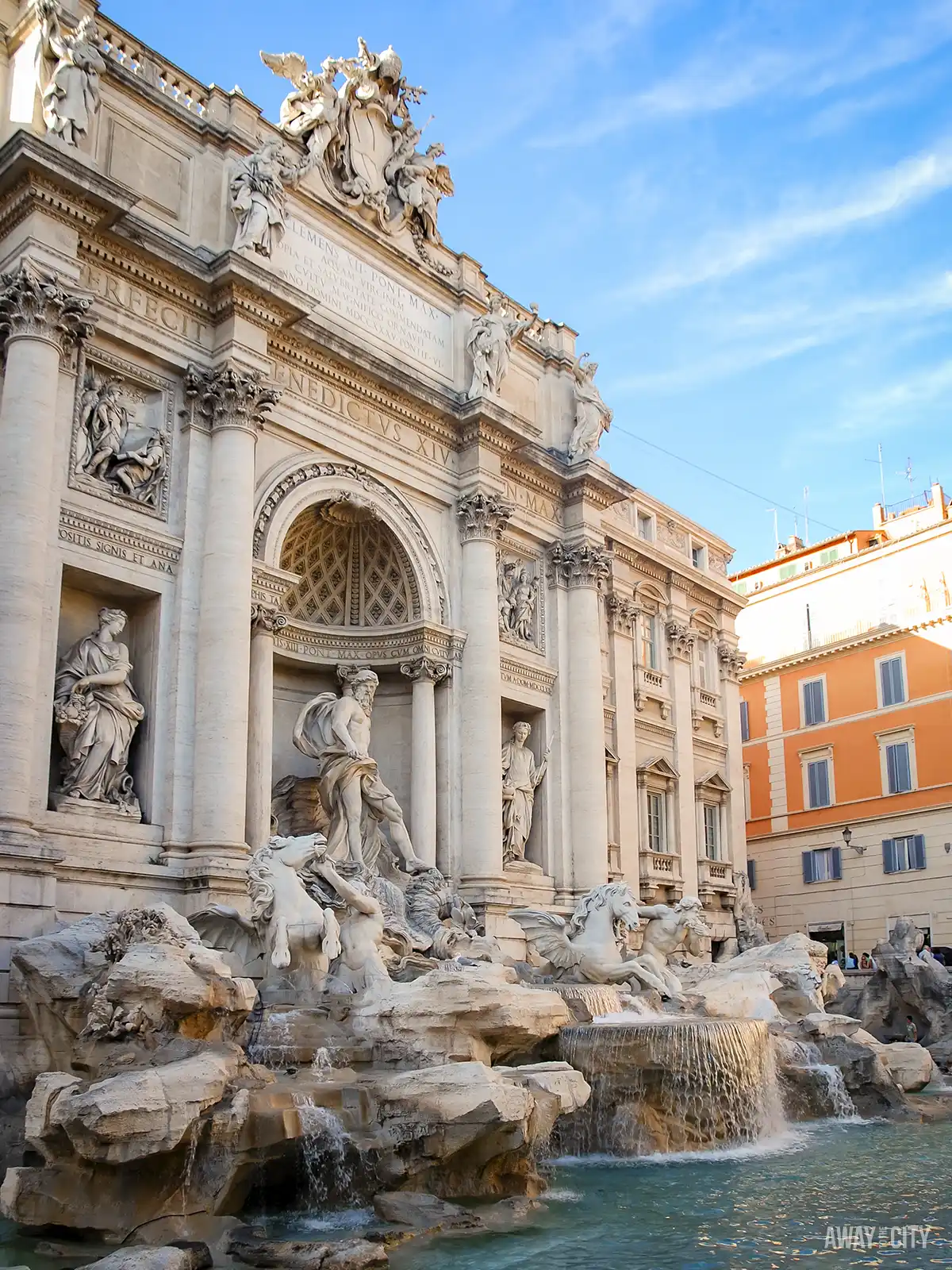
The crowds are real, but Rome is worth every bit of it. The food, the history, the architecture, the art… Rome delivers on all of it!

We averaged about two gelatos a day, working our way through pistachio with tiramisu, biscotto della nonna, and sweet milk cream with hazelnuts. Well, let’s just say our step count justified it. Mostly.
All roads lead here for a reason.
3 European cities we’d skip
Naples, Italy
Naples looks incredible on social media: Vespa-filled streets, laundry strung between buildings, pizza everywhere, and Mount Vesuvius in the background. We stayed for a few days because of that exact hype.
It’s often presented as a can’t-miss destination in Europe, but for us it ended up being one of the most overhyped cities we’ve visited. Honestly, it didn’t land for us at all.


We found it chaotic, dirty, and hard to relax in. The one highlight was leaving for the day to visit Pompeii, which was fascinating. Italy has so many cities that we genuinely love. Naples isn’t one of them.
Brussels, Belgium
We’ve been to Brussels many times, for leisure and for work, and it never quite worked for us. Outside the centre, it feels messy and disjointed, and even within it, the nice parts feel isolated.

Grand-Place is genuinely stunning, and we loved the Comic Art Museum. But those highlights feel limited compared to what you’ll find in Bruges or Ghent. We genuinely love Belgium. Brussels just isn’t the best of it.
Frankfurt, Germany
People ask us about Frankfurt more than we’d expect, and honestly, we don’t quite get the appeal. It’s mainly a business city and a travel hub, and the atmosphere reflects that.
The Römerberg square is fine, the riverfront is pleasant enough, but there’s not a great deal to do beyond restaurants and shopping.
If you’re passing through the airport, keep going. Mainz and Rothenburg ob der Tauber are both within easy reach and far more rewarding.
So… which one will it be?
If you’re looking for the best cities to visit in Europe, any of the 17 above would be a great decision. The real difference comes down to what excites you right now.
A big European capital like London? A fairytale skyline in Prague? Thermal baths and ruin bars in Budapest?
We’ve written in-depth guides to all three, because they’re cities we know deeply and keep returning to. If one of those caught your attention, that’s a very good place to start.
Start with the best things to do in London, top experiences in Prague, or must-sees in Budapest and go from there.
Pick one city that feels right… and start planning.
Save this post for later: