
12 Best Things to Do in Reykjavik in Winter (2026 Guide)
This post may contain affiliate links, including from Amazon and other trusted partners. If you click a link and make a purchase, we may earn a small commission at no extra cost to you. That said, we only recommend products and services we genuinely use and love. Learn more in our Privacy Policy page.
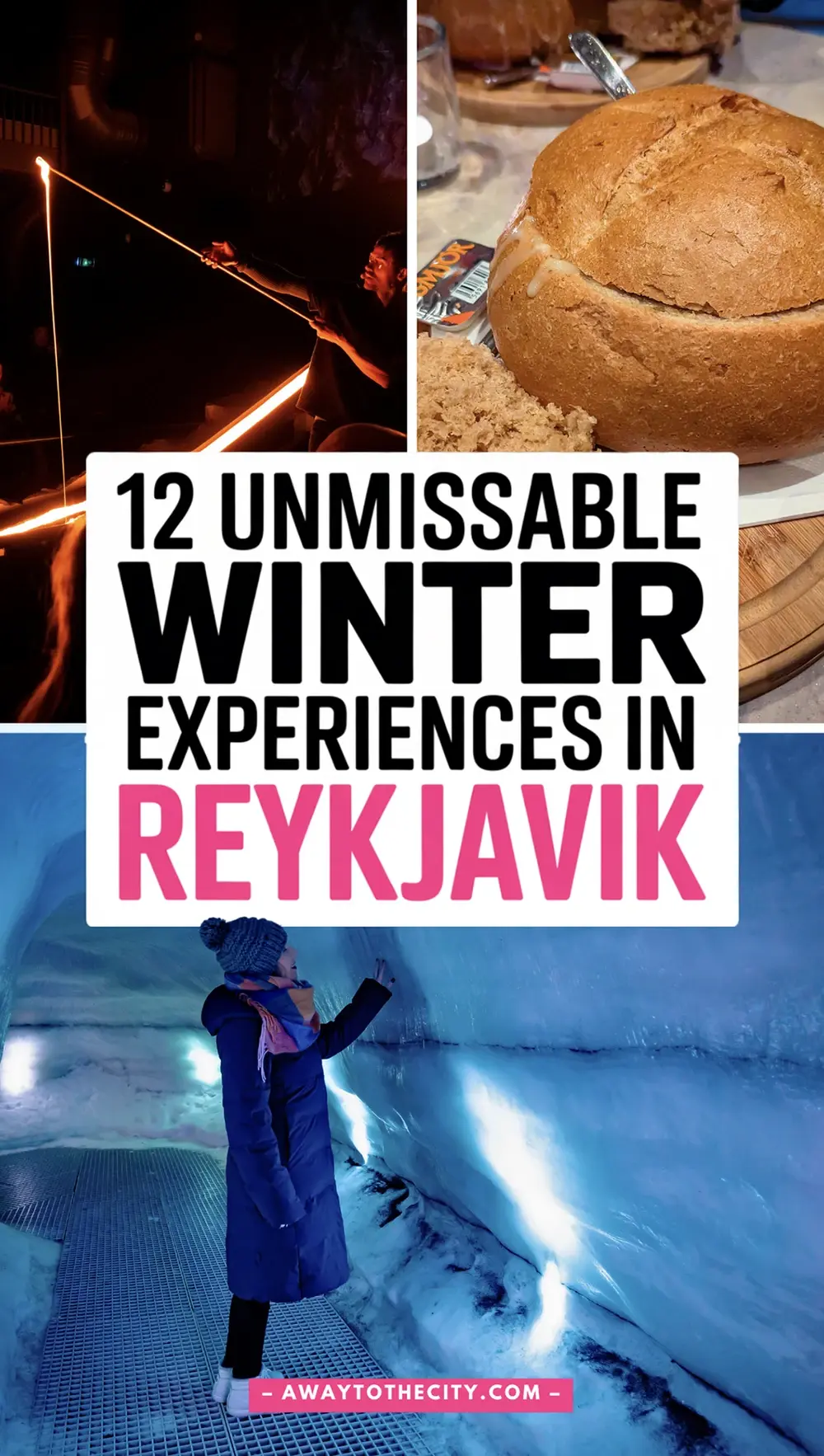
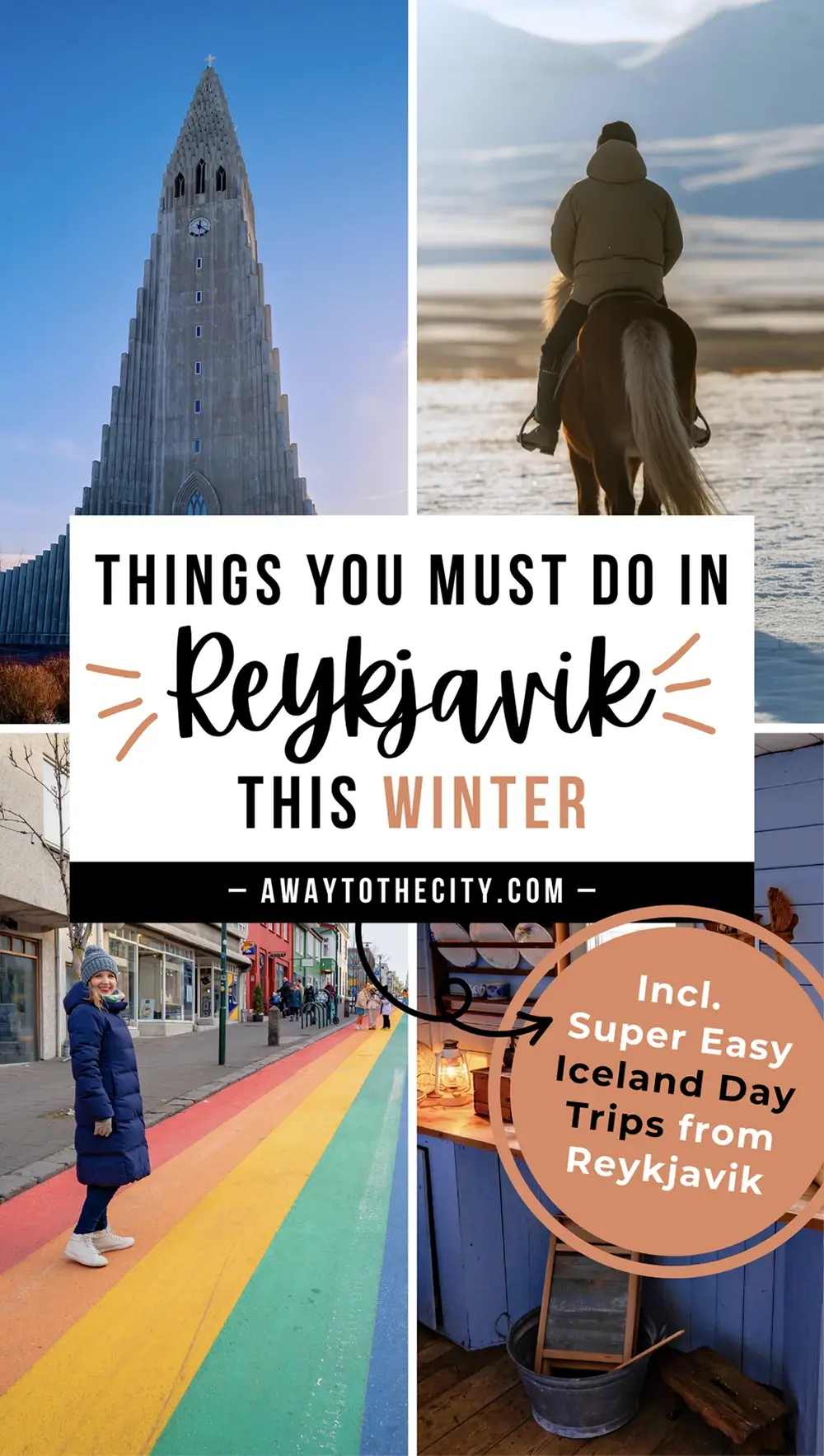

We’re city travellers at heart. And after visiting 400+ cities, we’ll be honest: Reykjavik isn’t one of the world’s great urban destinations. It’s small, expensive, and (whether you visit in summer or winter) it’s a bit underwhelming as a city break.
But that doesn’t mean it’s not worth your time. Reykjavik works well as a base for Iceland’s real highlights: day trips, dramatic nature, and cold-weather adventures. And if you’ve got a day or two to spend in the city itself, there are a few experiences that genuinely stood out during our trip.
We spent a week here this past December and used the city as a launchpad – navigating snowstorms, chasing the Northern Lights, and warming up with the best cinnamon roll we’ve had in years. In this guide, we’re sharing what was actually worth our time, and what we’d book again in a heartbeat.
Whether you’re planning a weekend escape or building out a full Reykjavik winter itinerary, this post will help you confidently pick the best winter experiences in and around Reykjavik, with tips and honest takes along the way.
Don't miss these!
Our Top Reykjavik Winter Picks
Reykjavik itself is small and cosy, but the real magic happens when you head out on winter tours. We booked these ourselves and would do them all again!
 Top Winter Experiences
- Northern Lights small-group tour (the highlight of our Iceland trip, top-rated and with free rebooking if you miss the lights)
- Icelandic horseback riding (easy even for beginners, ride through snowy lava fields and open plains)
- Golden Circle day trip (classic must-do from Reykjavik, covers geysers, waterfalls, and a volcanic crater)
 Where to Stay in Reykjavik
- Exeter Hotel (our #1 hotel choice, stylish and central with a delicious on-site bakery)
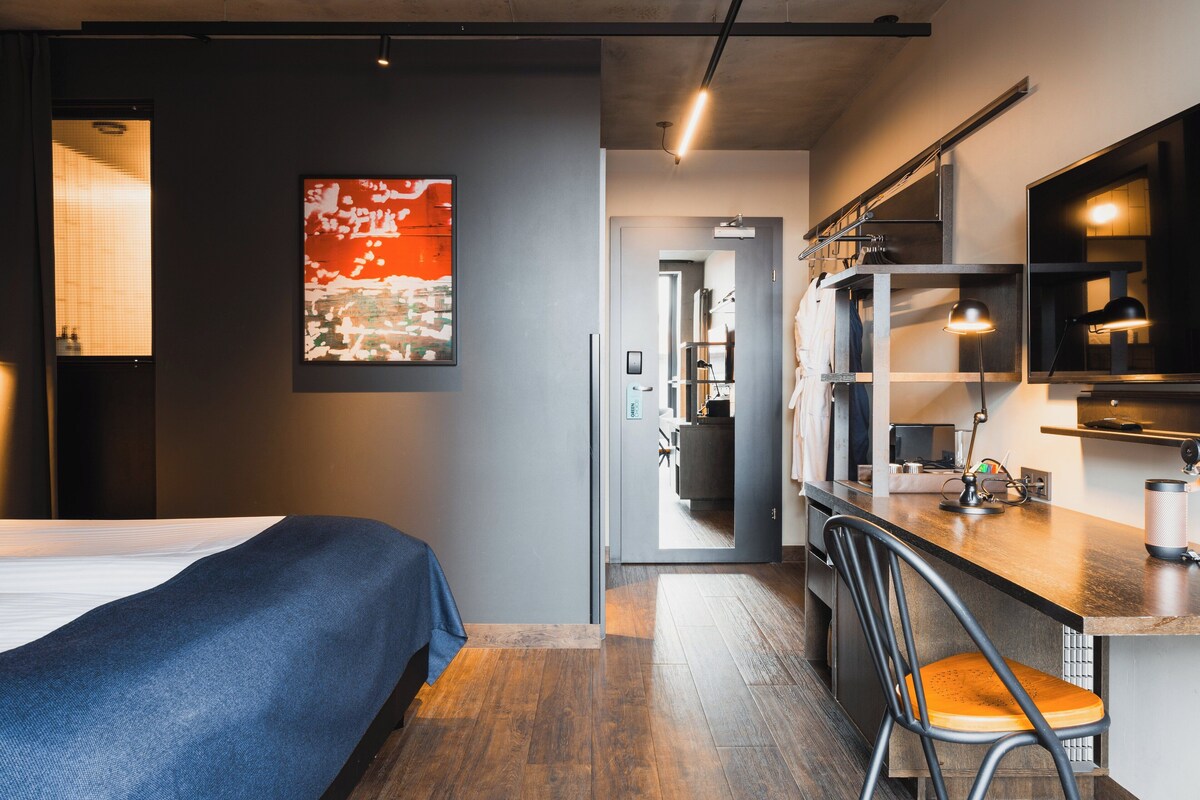
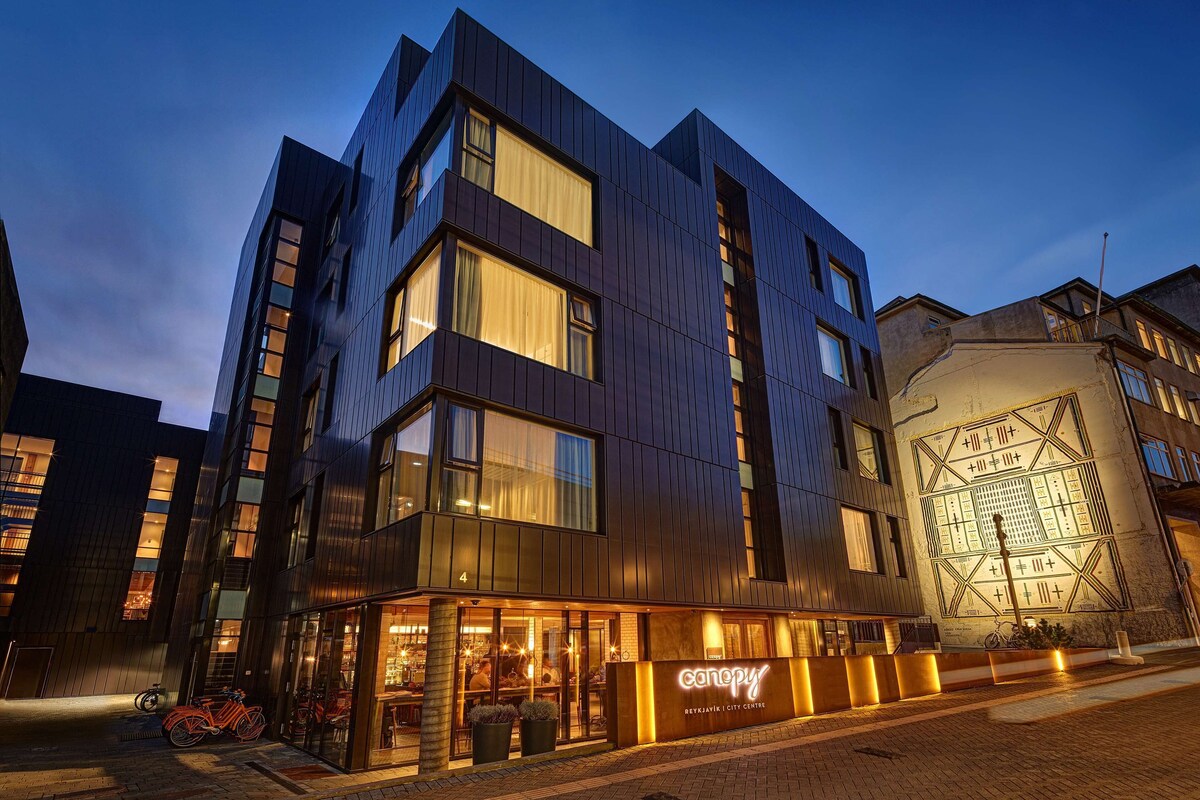
- Canopy by Hilton Reykjavik City Centre (modern rooms and one of the best breakfasts we had in Iceland)
 Planning to travel around Iceland independently? Find and compare the cheapest rental car rates here!
Must-Try Winter Activities in Reykjavik
Reykjavik is the world's northernmost capital, and one of the smallest. But don't let that fool you. In the past few years, tourism here has grown fast, and that means there's now a solid mix of places and experiences to fill your time.
Here's what we'd put at the top of your list of winter activities in Reykjavik, based on what actually felt worth it during our trip.
1. See Reykjavik from above at Hallgrímskirkja
Hallgrímskirkja is one of Reykjavik's most recognisable landmarks and Iceland's largest church. You can spot its rocket-like spire from almost anywhere in the city.
Inside, you'll find a massive pipe organ with more than 5,000 pipes.
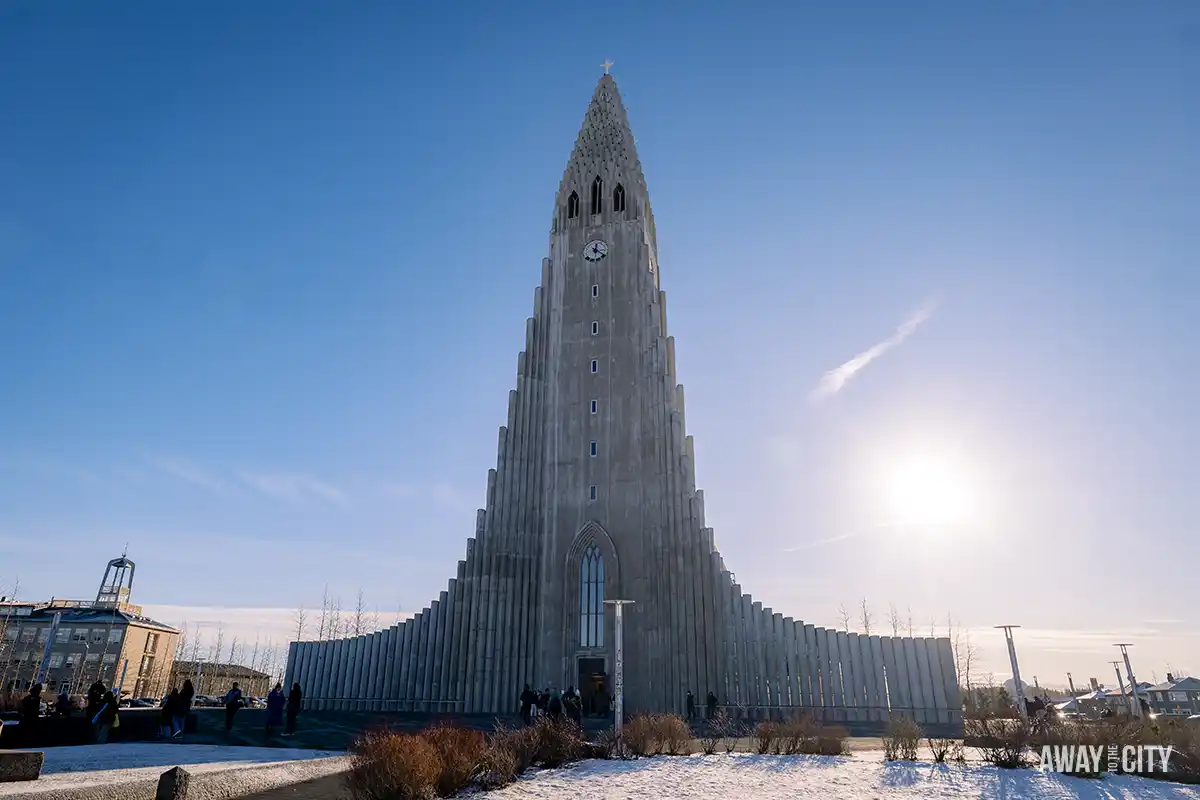

Did you know? The church's design is inspired by Iceland's landscape, from jagged basalt columns to flowing lava.
But it's the view that really makes it. The lift takes you 73 metres (240 feet) up for a full-circle look at Reykjavik, with its colourful roofs, Mount Esja in the background, and the harbour laid out in front of you.
We spent way too long up there trying to figure out which building was our hotel.
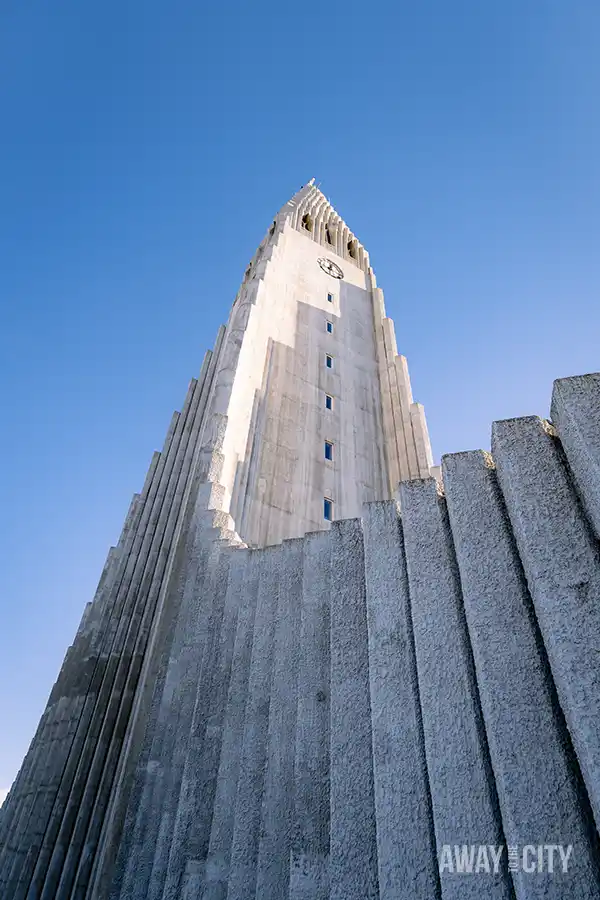
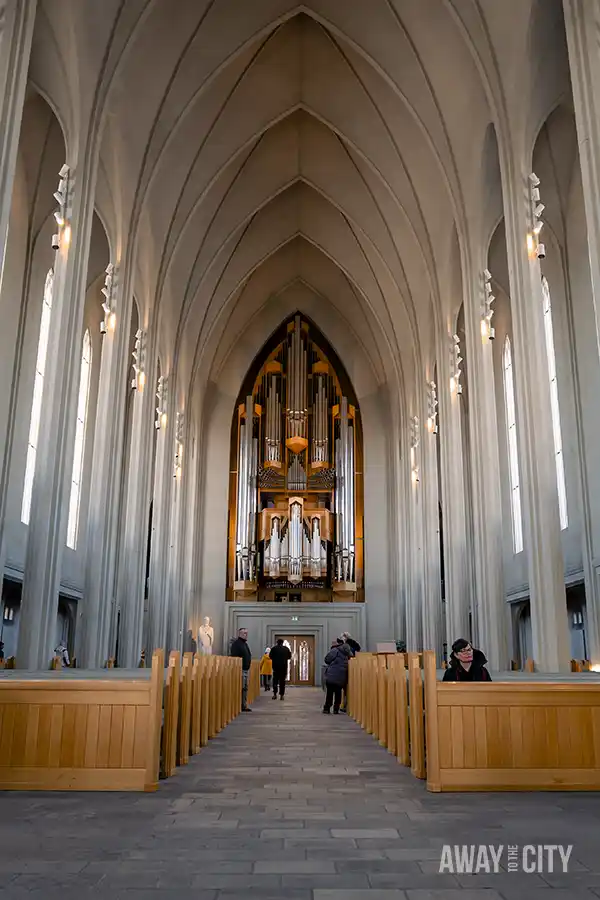
If you plan to go up (we'd definitely recommend it), keep in mind the lift only holds six people. To avoid queues, aim for before 10:30am or after 4pm.
Our top tip: The bells are no joke. They ring every 15 minutes, and they're loud! We saw one couple jump so hard they almost dropped their camera.

Admission & opening hours: The church itself is free and open daily from 10am–5pm. Tickets to the top cost ISK 1,400 (about US$11, £8, or €10), and you can grab them at the small shop inside the foyer.
2. Ride an Icelandic horse through winter landscapes
If we had to pick just one highlight from our week in Reykjavik, this would be it! Months later, we're still talking about it.
Icelandic horses are small, sturdy, and almost too photogenic. They've adapted to Iceland's tough winters with thick double coats and are known for being sure-footed on ice and lava. Since horse imports have been banned for over a thousand years, this is one of the purest breeds in the world.
Did you know? Unlike most horses, which have three gaits (walk, trot, gallop), Icelandic horses have five. The tölt is so smooth you could carry a full mug of beer without spilling – something a local guide demonstrated mid-ride on one of our day tours, to much cheering from the group.
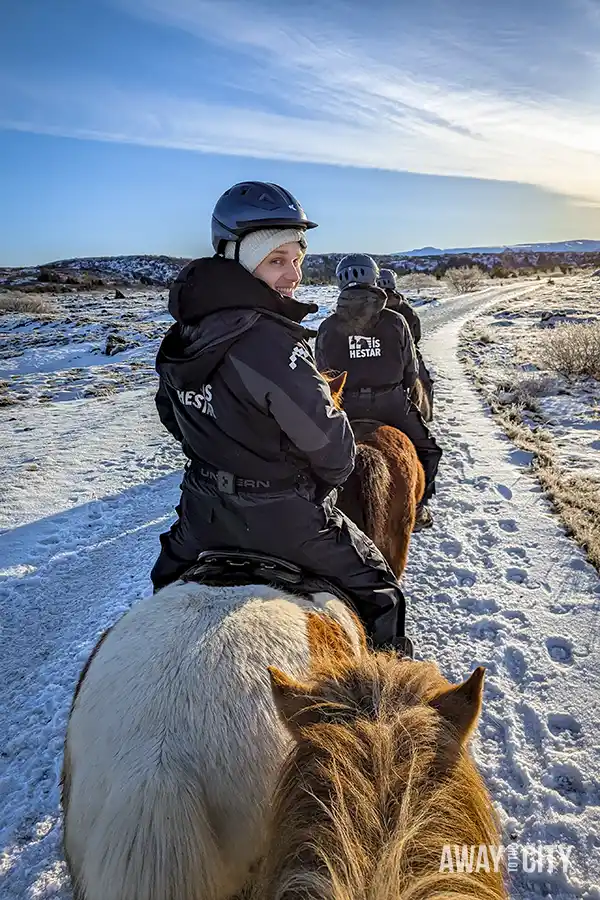
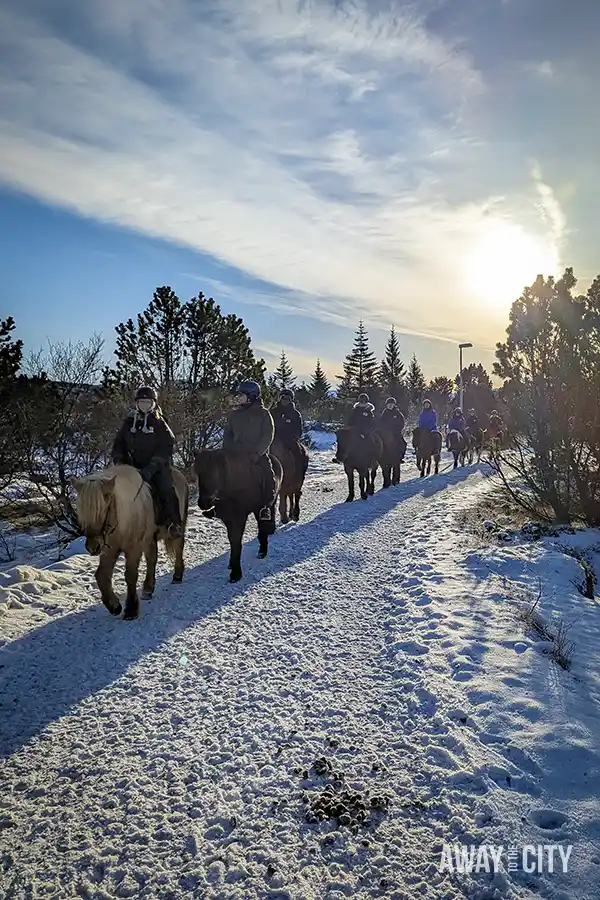
Our two-hour winter ride took us through forests, open plains, and lava fields. Most of us were beginners (us included), but the guides were great, and more experienced riders got to try the tölt.
The horses were gentle, friendly, and curious. One kept nosing my jacket, clearly expecting snacks.
Our top tip: Wear more layers than you think you'll need. Even with gloves, the wind sneaks in after a while.
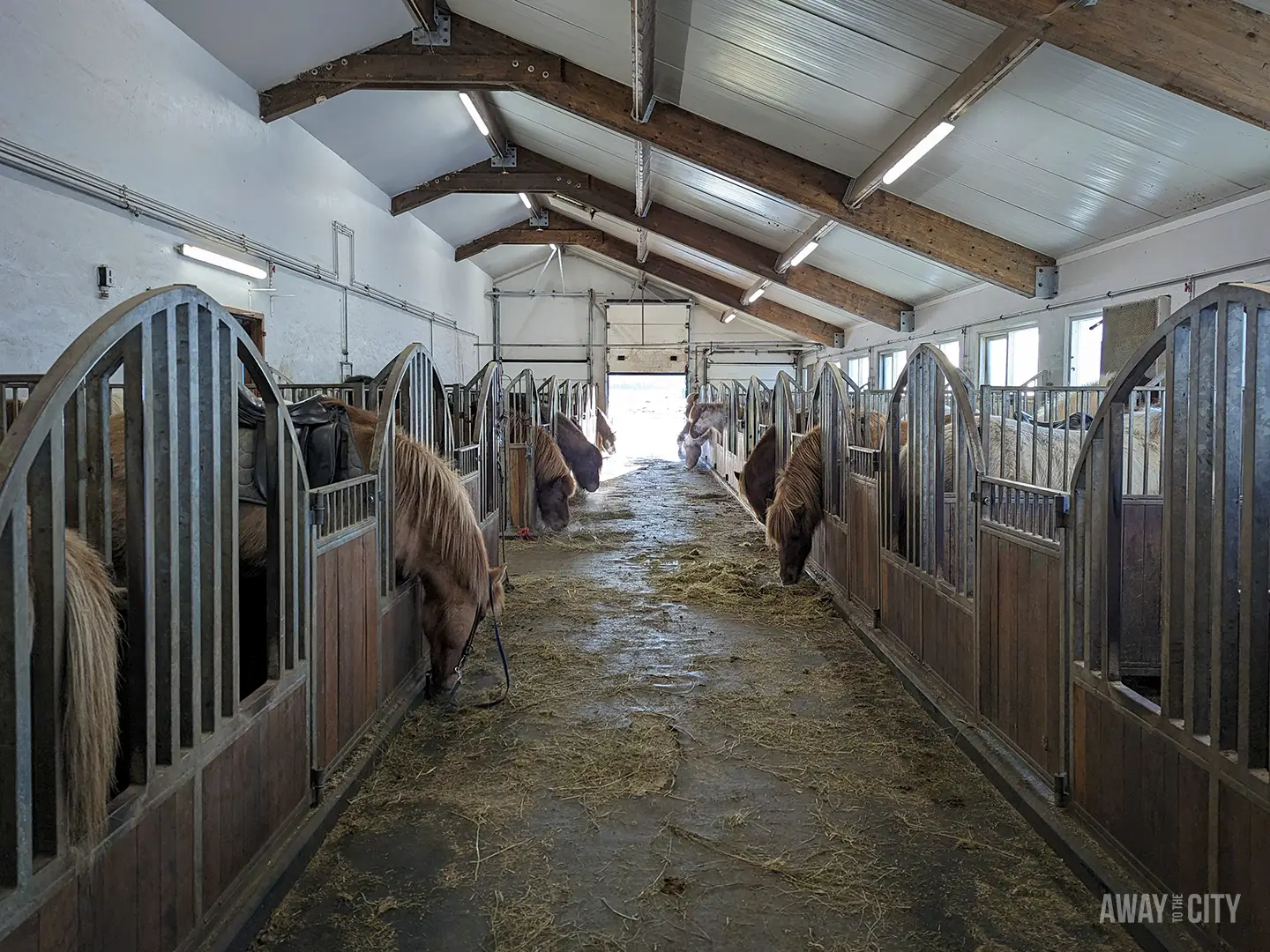
The stables are about 25 minutes from Reykjavik. You can add a hotel pickup when booking, which we did, or drive there if you've got a rental car.
 Ready to ride through Iceland’s lava fields? Book the horseback tour we loved
3. Browse shops and cafés on Laugavegur
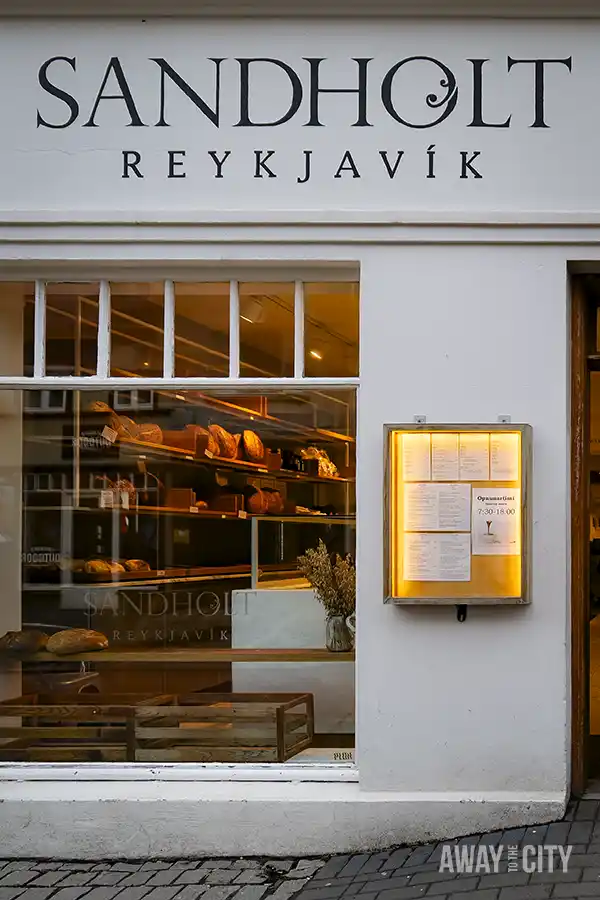
One of our favourite ways to get to know a city is simply walking. We love spending hours watching the street life and people, and taking café breaks (we stopped at Sandholt – highly recommend!) when our legs start to complain.
In winter, when sidewalks can be icy and daylight is short, Laugavegur's central location and slow pace make it perfect for warm-up breaks and low-key exploring.
Laugavegur is Reykjavik's main shopping street and also one of its oldest. It runs right through the centre and is full of local shops, cafés, bars, and plenty of design-forward boutiques.
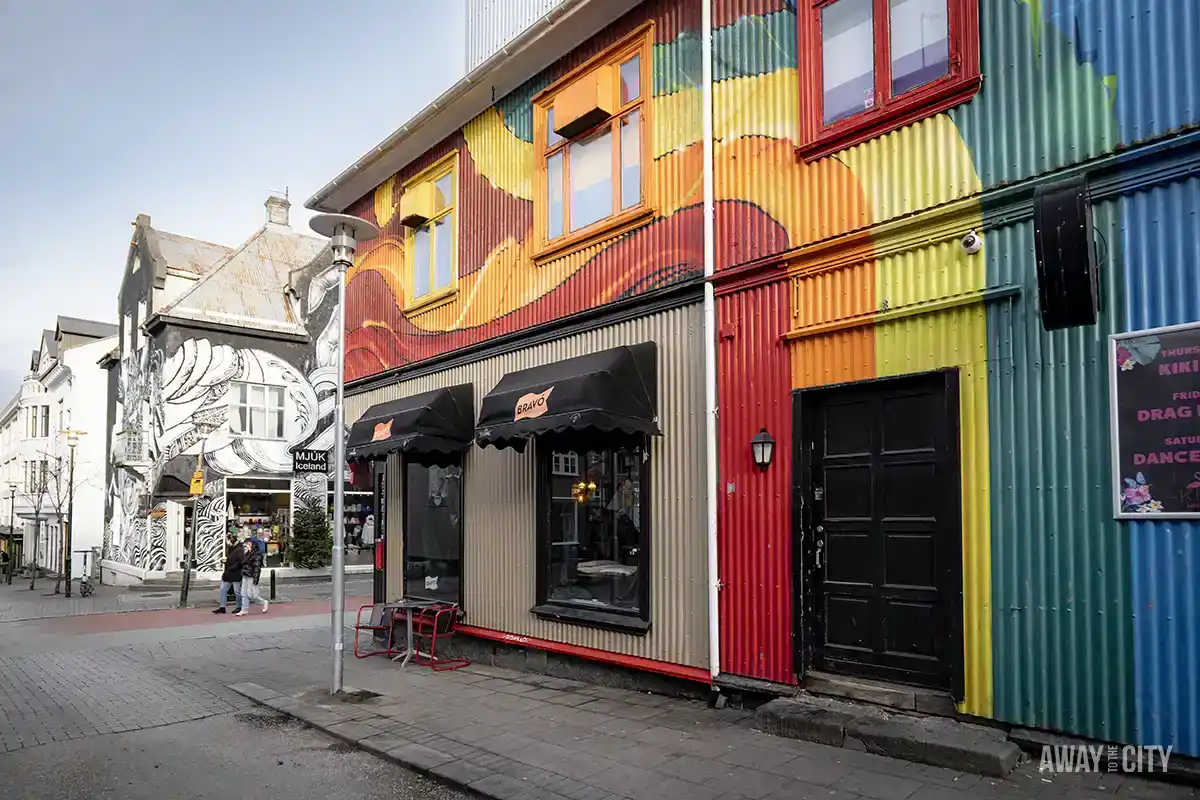
You'll also spot quite a bit of street art if you pay attention to side alleys and doorways.
Winter adds a bit of magic to it. Strings of lights hang between rooftops, there's often a faint smell of cinnamon in the air, and everyone seems to be ducking in and out of shops to stay warm.
Did you know? Laugavegur means “Wash Road” and got its name from the hot springs nearby, where locals used to do their laundry.
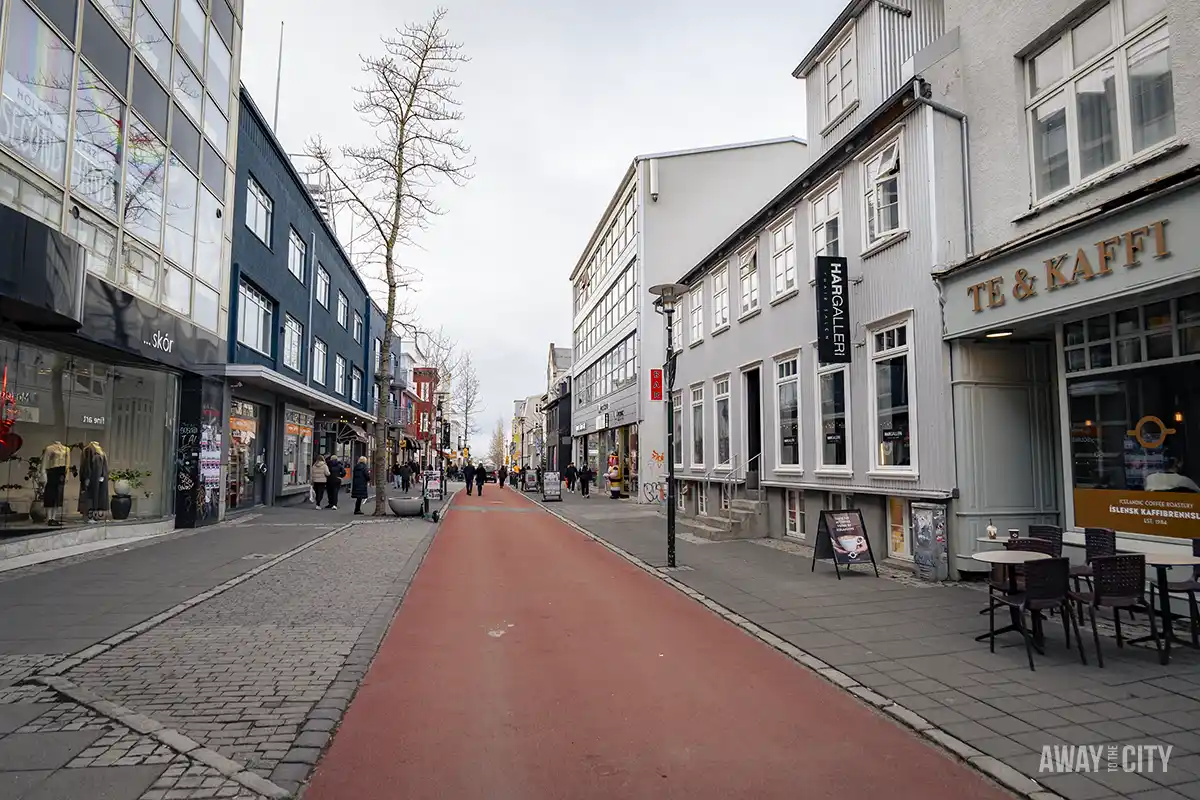
We spent more time than we meant to trying on gloves and hats. To be fair, the ones we packed weren't quite built for Iceland's wind.
Our top tip: If you spend over ISK 12,000 (around US$98, £72, or €84) in one place, ask for a tax refund form. You can claim back the VAT at the airport before your flight home.
It's an easy walk from Hallgrimskirkja and finishes close to the Sun Voyager sculpture, so it fits neatly into a city loop if you're planning to explore on foot.
4. Explore the architecture inside Harpa
If you're into architecture, the Harpa concert hall is one of Reykjavik's most eye-catching buildings. Its glass facade is made up of hexagonal panels that shift in colour depending on the light.
The design was inspired by Iceland's basalt formations, and it's even more striking in winter, especially around sunset when everything reflects in deep blues and golds.
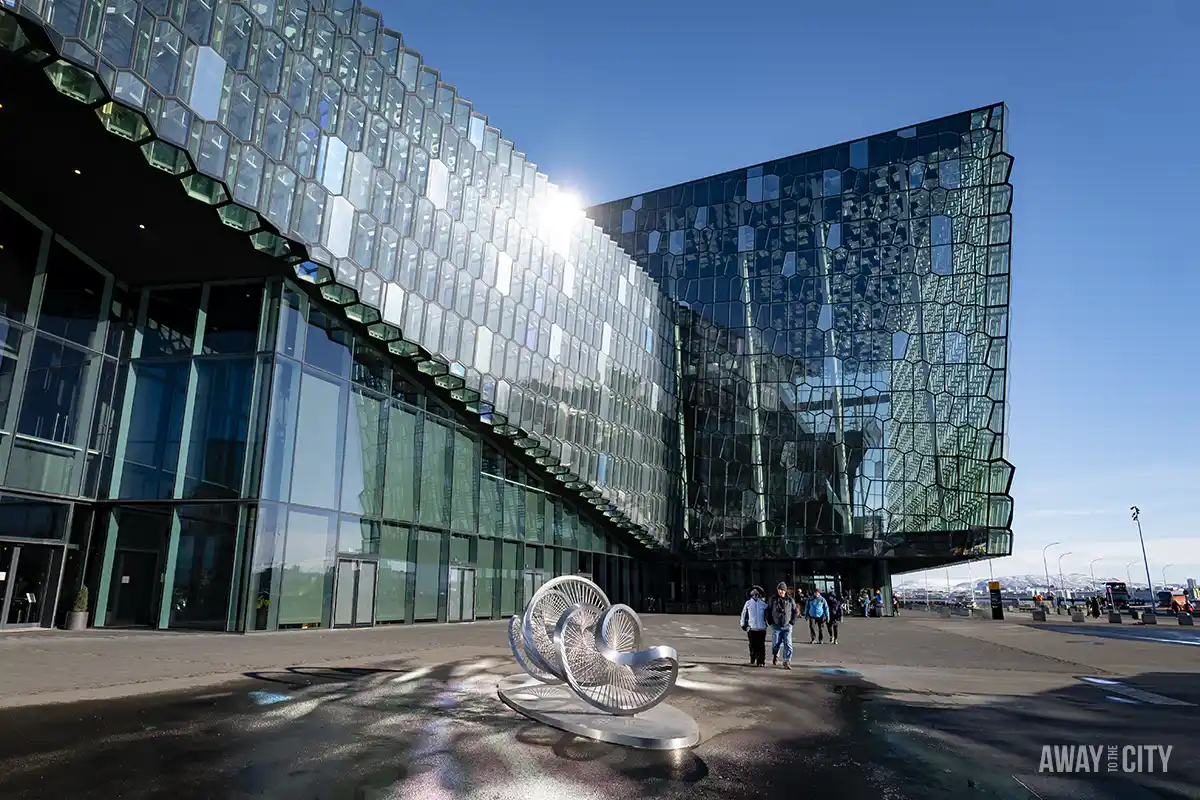
We initially popped in to warm up but ended up staying much longer than planned. Harpa looks sleek and compact from the outside, but it's much bigger once you're in (it's a great indoor stop on freezing winter days!).
Inside, there are four concert halls, a few exhibition spaces, a restaurant, a café, and one of the nicest gift shops we found in Reykjavik.
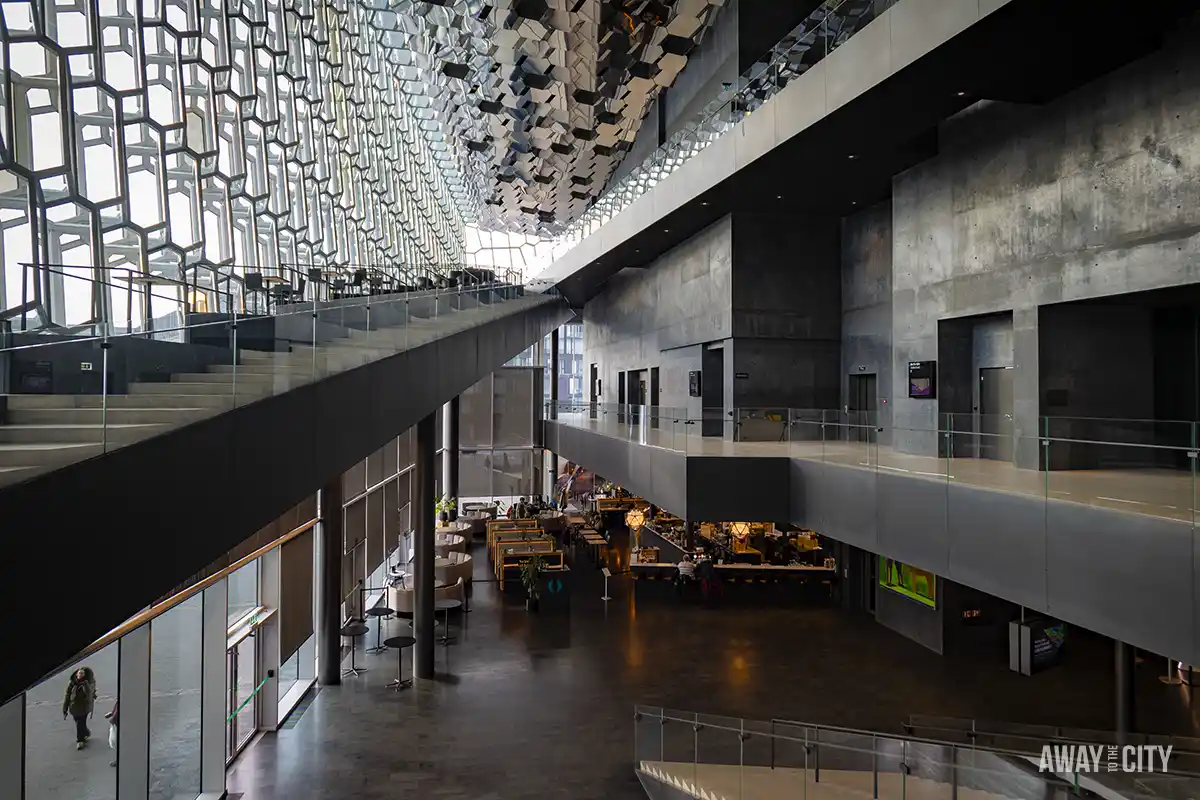
Our top tip: You can take the lift up to the top floor for free! The views over the harbour and across to Mount Esja are brilliant, especially on a clear day. And they're especially beautiful around sunset, which in winter can fall as early as 3:30pm.
Admission & opening hours: Entry is free, and the building is open daily from 8am-midnight.
5. Chase the Northern Lights beyond the city (our favourite tour!)
For many travellers, winter in Iceland is about the Northern Lights – and we felt the same.
Between September and March, the nights are long and dark enough to give you the best chance of seeing them. That was one of the big reasons we came in winter.
Did you know? You need three things for the aurora to appear: solar activity, clear skies, and complete darkness.
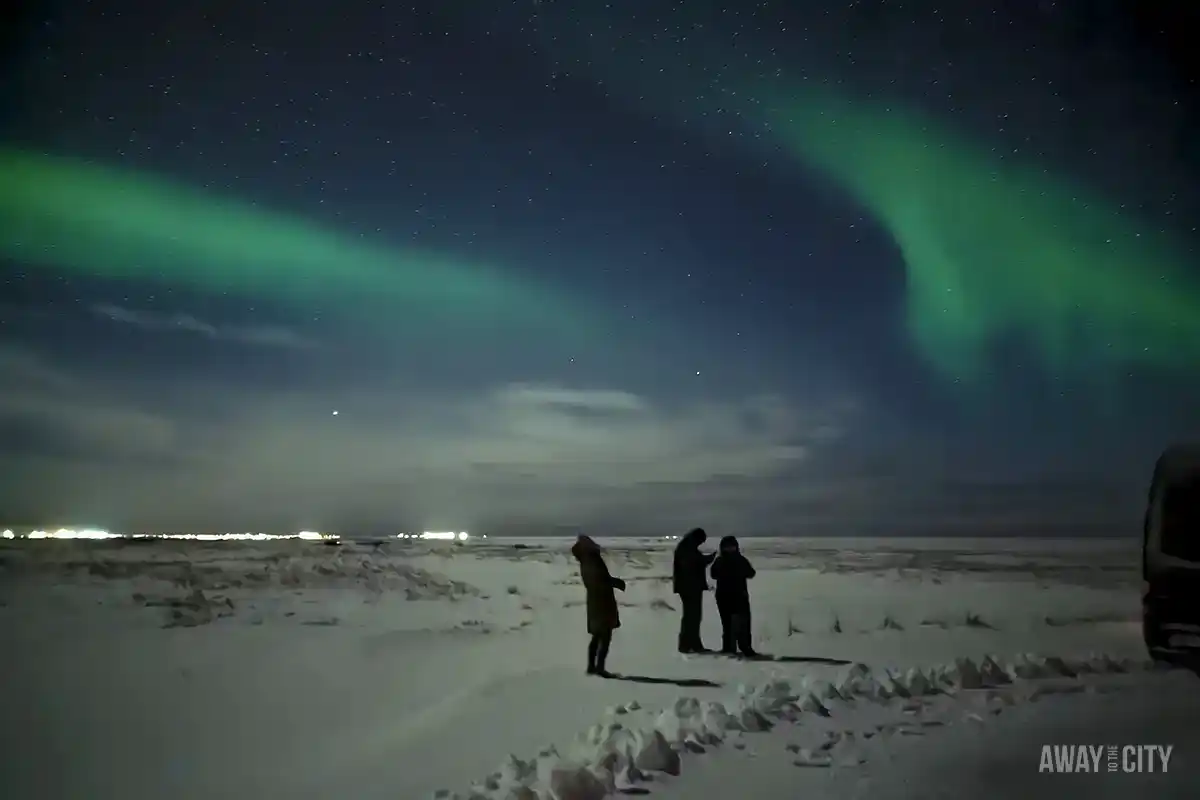
Reykjavik isn't the best place to see them because of light pollution, but it's a great base for joining a tour. We considered renting a car, but a guided trip made more sense.
The drivers know how to read the forecast, find the darkest skies, and adjust the route based on the weather conditions. If the weather looks bad, they cancel and let you rebook at no extra cost.
Our top tip: Book your Northern Lights tour for your first night in Iceland, so you have backup nights if the winter weather doesn't cooperate. Choose a tour that offers free rebooking until you see the lights. And book early, especially during peak season, as the best tour operators fill up quickly.
We chose this small group tour with great reviews. They picked us up in the city and took us to a few different locations based on the sky that evening.
The wait didn't feel long thanks to the hot chocolate and cinnamon buns they handed out. Best of all, if you don't see anything, you can join again for free.
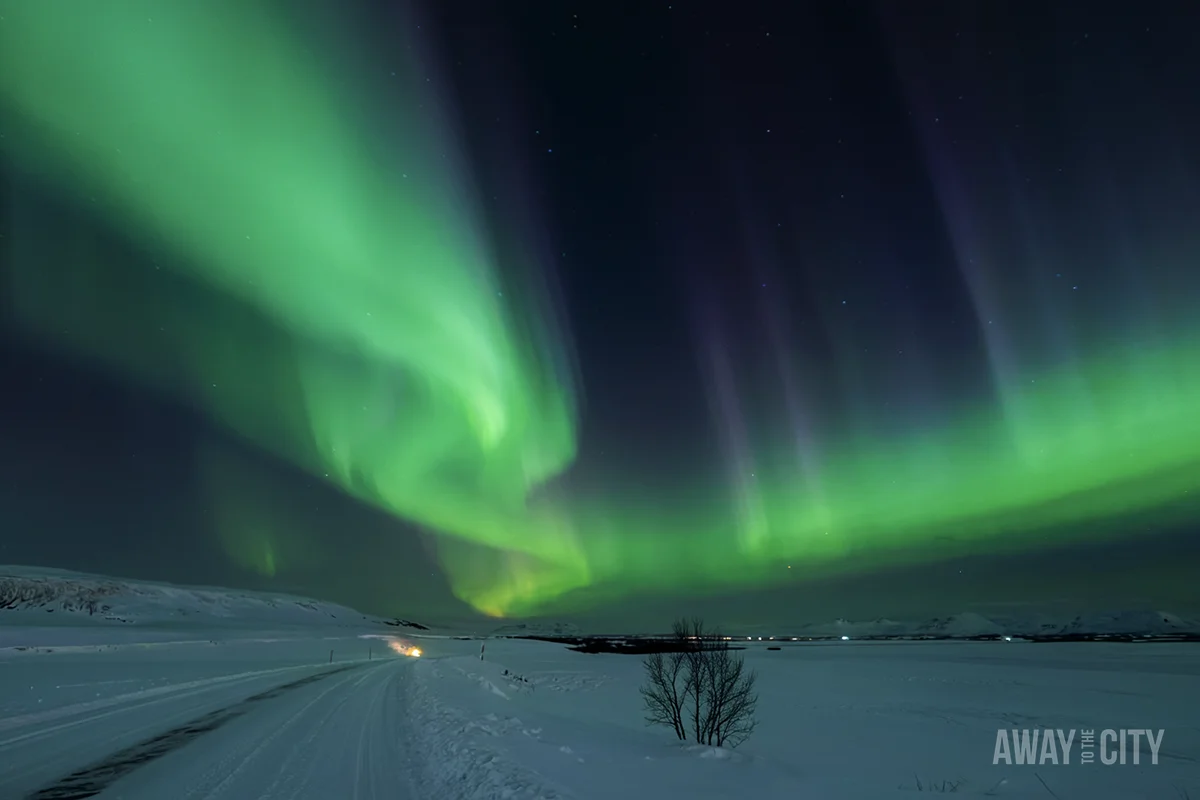
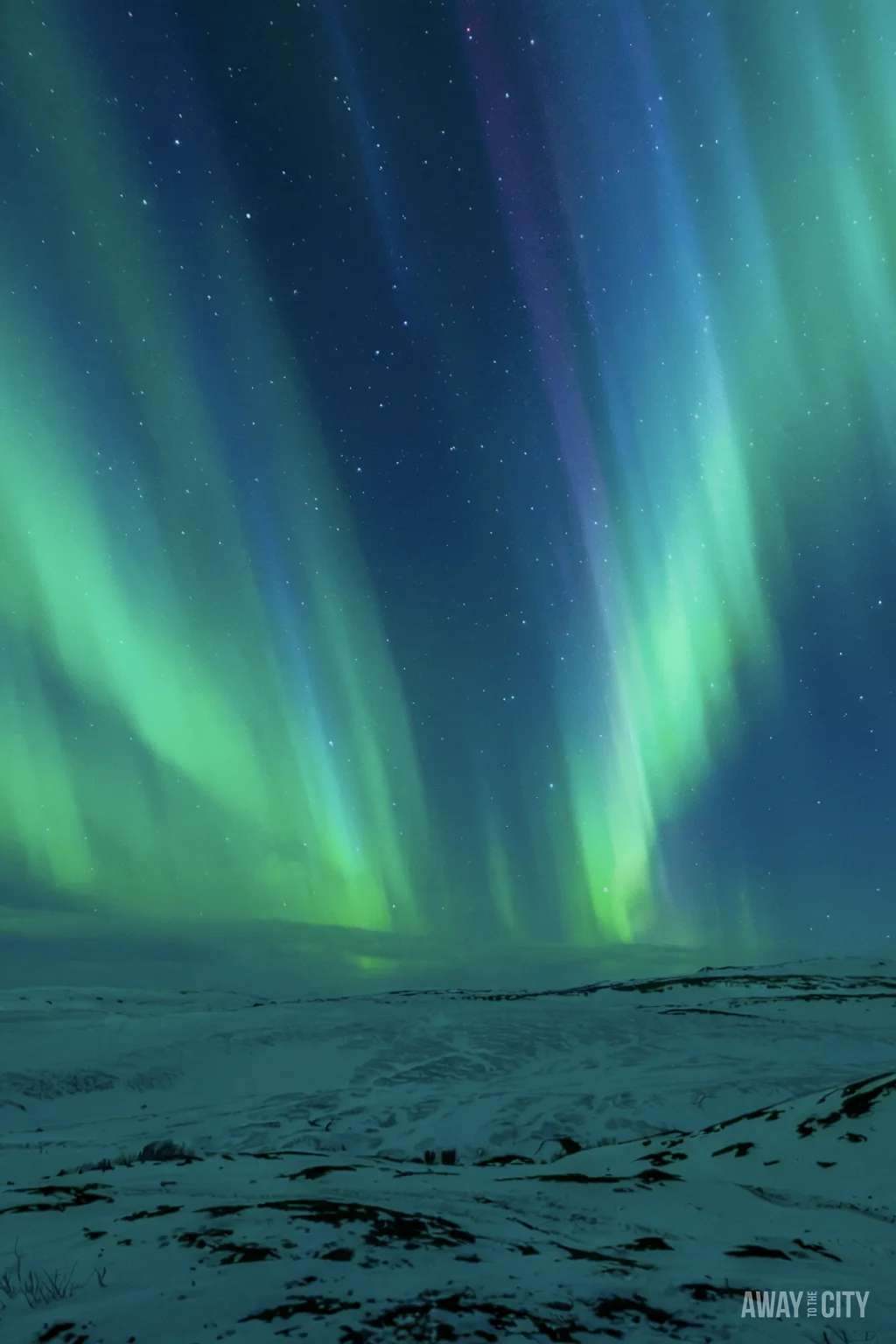
It took us three tries. On the third night, the lights finally danced across the sky in green and purple waves. For a moment, no one said a word. Everyone just looked up and let it sink in.
Want the best shot at seeing the aurora? Book the tour we chose with free rebooking.
6. Stroll Reykjavik's colourful Rainbow Street
Rainbow Street (officially called Regnbogagatan) is the lower part of Skólavörðustígur, the sloping street that runs from Hallgrimskirkja into downtown Reykjavik.
It's instantly recognisable thanks to its bold rainbow stripes painted on the pavement, with colourful buildings on either side. On a clear day, you can see all the way down to the harbour.
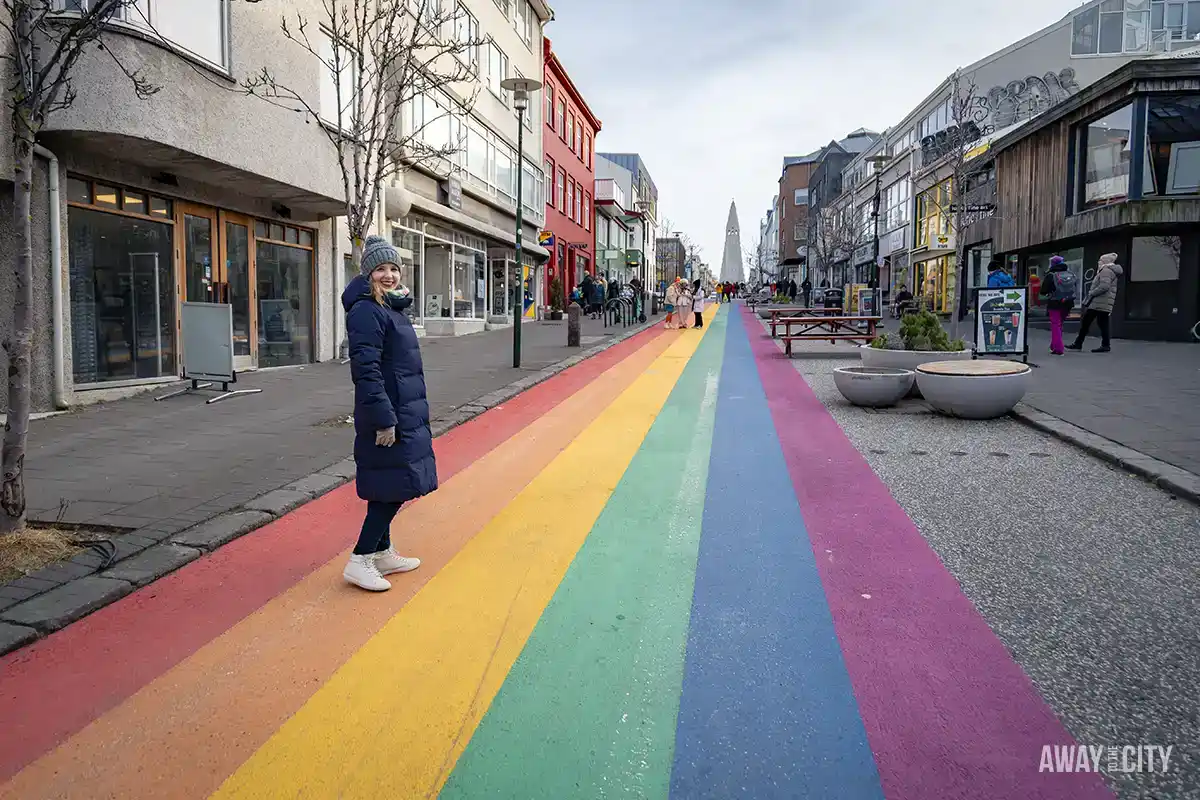
We actually walked it twice during our trip: once after a snowfall and once when it was clear. It felt like two completely different experiences.
With no snow, the colours were vivid and almost too perfect, like the street had been designed for social media. When it snowed, the colours faded under the powder, but that didn't stop people from lining up to take photos.
There are cafés and small shops along the way, so it's worth slowing down here. Grab a coffee, peek into a few boutiques, and soak up the slow pace of the city. If you're walking from Hallgrimskirkja into town, this is the most scenic route by far.
7. Discover Reykjavik's best museums
We always make time for museums when exploring a new city. Some cities really shine when it comes to museums (London and Vienna, we're looking at you!), and Reykjavik holds its own surprisingly well for its size.
There are over 60 galleries and collections across the city, and with the winter chill outside, this is the perfect time to explore a few.
They're also some of the cosiest things to do in Reykjavik, especially if you're looking for winter activities in Reykjavik that go beyond the usual city sights.

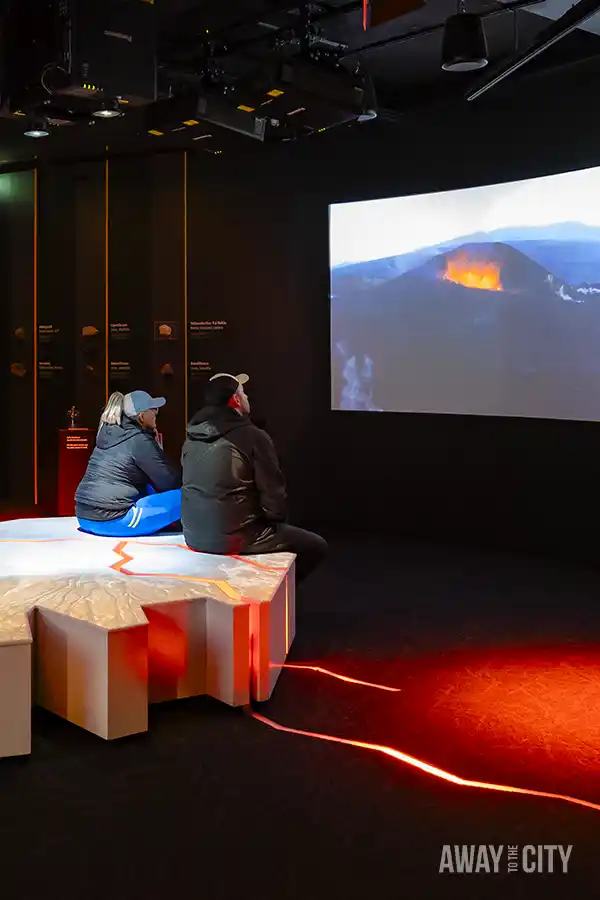
We were here for a whole week and had the Reykjavik City Card, so we ended up visiting more museums than we usually would on a shorter trip.
Here are the three museums we enjoyed most:
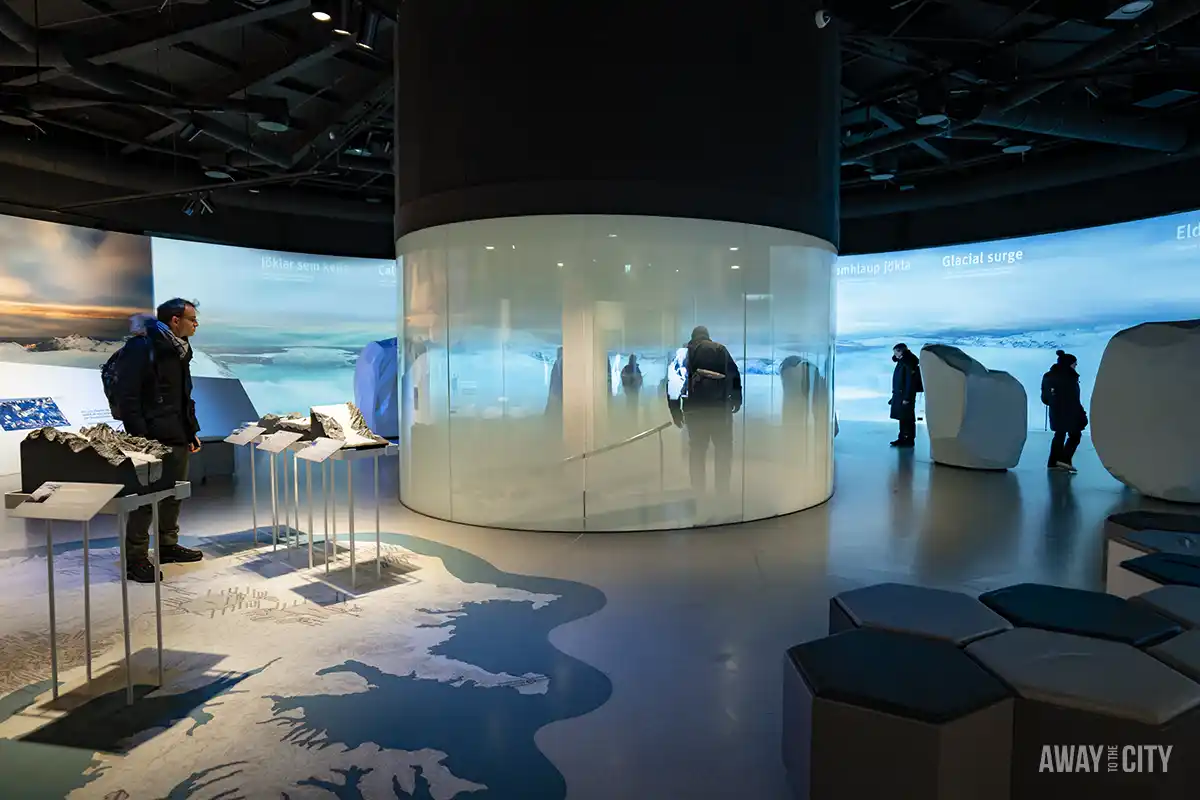


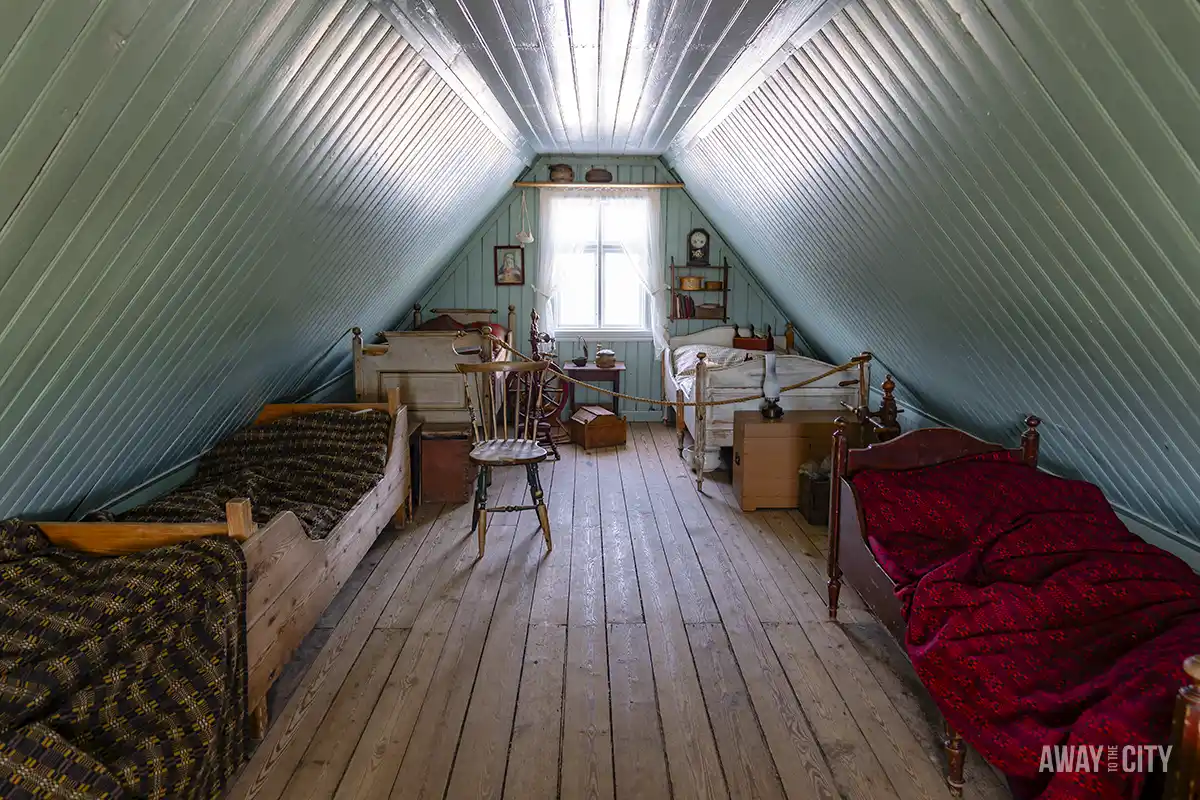

Looking for a different museum? We've put together a full guide to Reykjavik's museums, grouped by theme – whether you're into history, photography, nature, or design!
8. Eat your way through Reykjavik
If you're a foodie, Reykjavik might surprise you. The dining scene is small but creative, and it leans into seasonal ingredients (root veg, wild herbs, fresh seafood, and a fair bit of lamb). That said, we'll be honest: we're not the biggest fans of traditional Icelandic cuisine.
The good news? Reykjavik has loads of variety, with everything from falafel wraps and Asian street food to modern European menus and a Michelin-starred splurge if you're in the mood.
These were some of our favourites:
Restaurants
- Skál! ($$$) – Inside the Hlemmur food hall. Trendy, delicious, and a good intro to Icelandic flavours with a twist.
- Chickpea ($) – Small, family-run, and surprisingly filling falafel.
- Bæjarins Beztu Pylsur ($) – A famous Icelandic hot dog stand since 1937. Simple, but iconic.
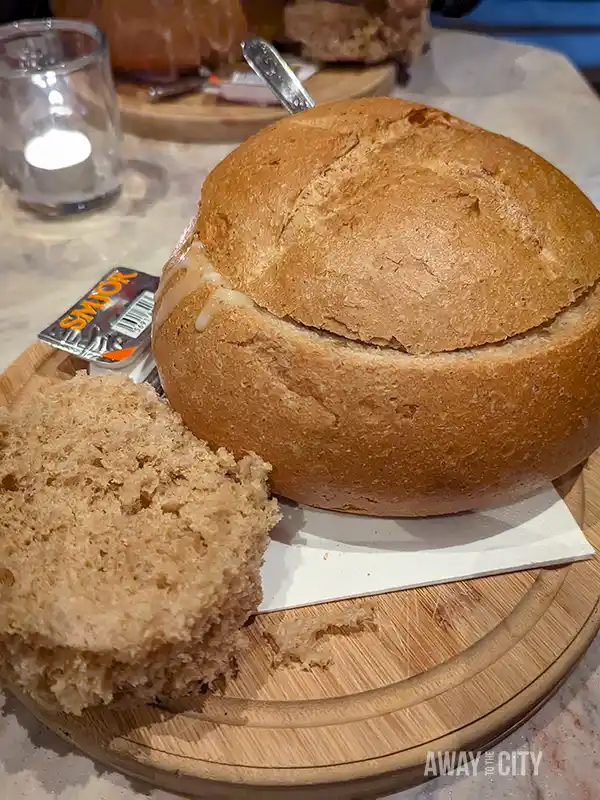
- Svarta Kaffid ($$) – Two soups a day (meat and vegetarian) served in giant bread bowls. A must when it's freezing out.
- Dill ($$$$) – Reykjavik's Michelin-starred spot. Pricey but beautifully done (a real experience if you want something special).


Cafes & Bakeries
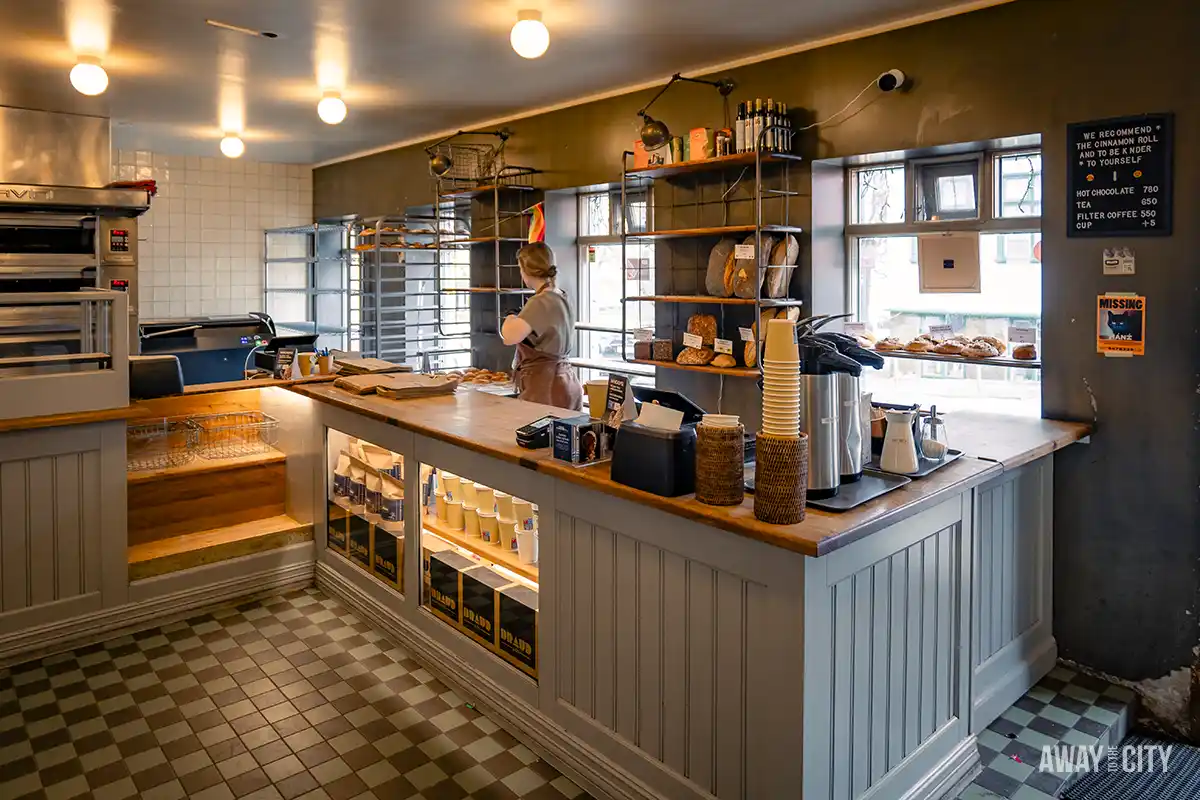
- Brauð & Co – A wide selection of breads and cakes, and the best cinnamon rolls we've had in Iceland.
- Deig – American-style bakery known for fluffy pancakes, cinnamon rolls, and hearty bagel sandwiches. Try a filled one.
- Sandholt – A family-run bakery with fresh bread, pastries, and sourdough sandwiches. Great for a breakfast stop or quick lunch while exploring.
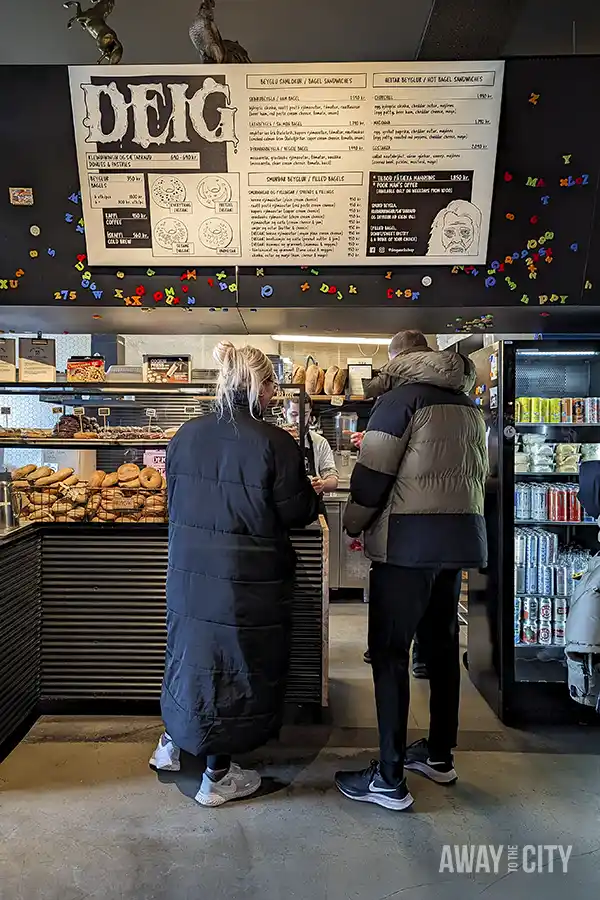
Our top tip: If you're into food culture, book this 3-hour guided Reykjavik food tour. The tour took us to five local restaurants and covered everything from sumptuous lamb to Icelandic desserts. It gave us a real sense of how Icelanders eat – and we wouldn't have found half of these places on our own.
Enjoy authentic flavours on this Reykjavik foodie tour led by a local expert.
9. Bathe in Iceland's famous Blue Lagoon
If it's your first trip to Iceland, the Blue Lagoon is probably already on your list. Yes, it's touristy, and yes, it can be busy, but it's also one of those places that really does live up to the hype.
This geothermal spa sits in the middle of a lava field and is famous for its surreal milky-blue water: it's a natural phenomenon caused by a mix of silica and algae that stays at a steady water temperature of 37–39°C (98–102°F) all year.
When we visited in winter, light snow was falling and drifting in the warm water, while snowflakes landing on the surface felt almost unreal.

We've tried both the Blue Lagoon and the newer Sky Lagoon: Sky Lagoon wins for its more local feel, ocean views, and convenient location closer to downtown, but the Blue Lagoon still has the bigger wow factor.
Iceland's Blue Lagoon is more spacious, has better facilities, and that bright, opaque blue colour is unlike anywhere else. If you have time, visit both – but if you have to choose, we'd pick the Blue Lagoon first.
Our Top Tips for Visiting the Blue Lagoon
Admission and opening hours: Tickets start from ISK 9,990 (about US$81, £60, or €70) for the Comfort package, which includes a towel, silica mask, drink, and locker. In the winter season, the lagoon is open daily from 8am–10pm.
Secure your Blue Lagoon tickets early, since same-day entry often sells out.
10. Experience Reykjavik's Festive Side in December
Reykjavik in the festive season feels like someone took the whole city and dipped it in fairy lights. Decorations go up as early as November, and by mid-December, the streets glow under strings of bulbs.
Shop windows sparkle, frost clings to the glass, and even the lampposts seem to have joined in.
Did you know? Iceland has 13 Yule Lads, mischievous gift-giving pranksters from folklore, said to be the sons of the troll Grýla and her husband Leppalúði. One arrives each night in the 13 days before Christmas Eve, leaving treats (or potatoes, if you've been naughty) in children's shoes.
Before Christmas, you can visit the outdoor ice rink at Ingólfstorg Square or try skating on frozen Tjörnin Lake if the ice is thick enough.

On December weekends, Christmas markets pop up across Reykjavik, with the Hjartartorg Christmas Market and the Christmas Market at Austurvöllur Square among the most popular. You'll find everything from handmade wool sweaters to steaming cups of hot chocolate.
Add in carol services and Christmas concerts, and you have plenty to fill a December evening.
Over New Year's Eve, the whole city comes alive with bonfires and fireworks. Displays erupt across the skyline for hours, lighting up the snow and reflecting in the harbour.
11. Join a Golden Circle tour from Reykjavik
If we had to rank our winter tours from Reykjavik, the Northern Lights would be top of the list… BUT the Golden Circle winter tour comes a very close second!
It's one of the most popular day trips from the city and, while it's not the cheapest day out, we thought it was worth every króna.
We booked this Golden Circle tour, and it couldn't have gone more smoothly. Pickup was close to our hotel, the minibus was warm and spacious, and our guide kept things lively with a mix of history, local stories, and just the right amount of humour.
Our top tip: Even if you're planning to rent a car, consider doing the Golden Circle on a guided tour in winter. No icy roads to worry about, no trying to guess which turn to take, and you can just sit back and watch Iceland roll past your window.
Highlights of the Golden Circle Tour
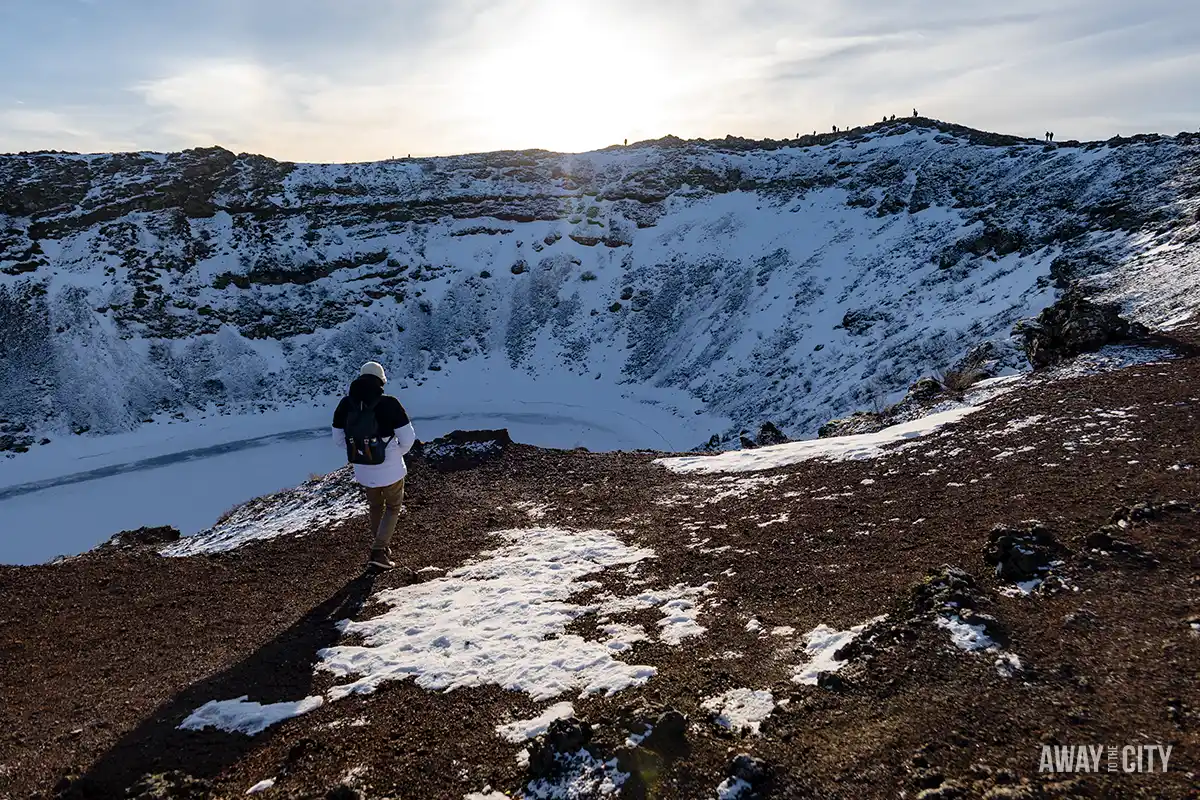
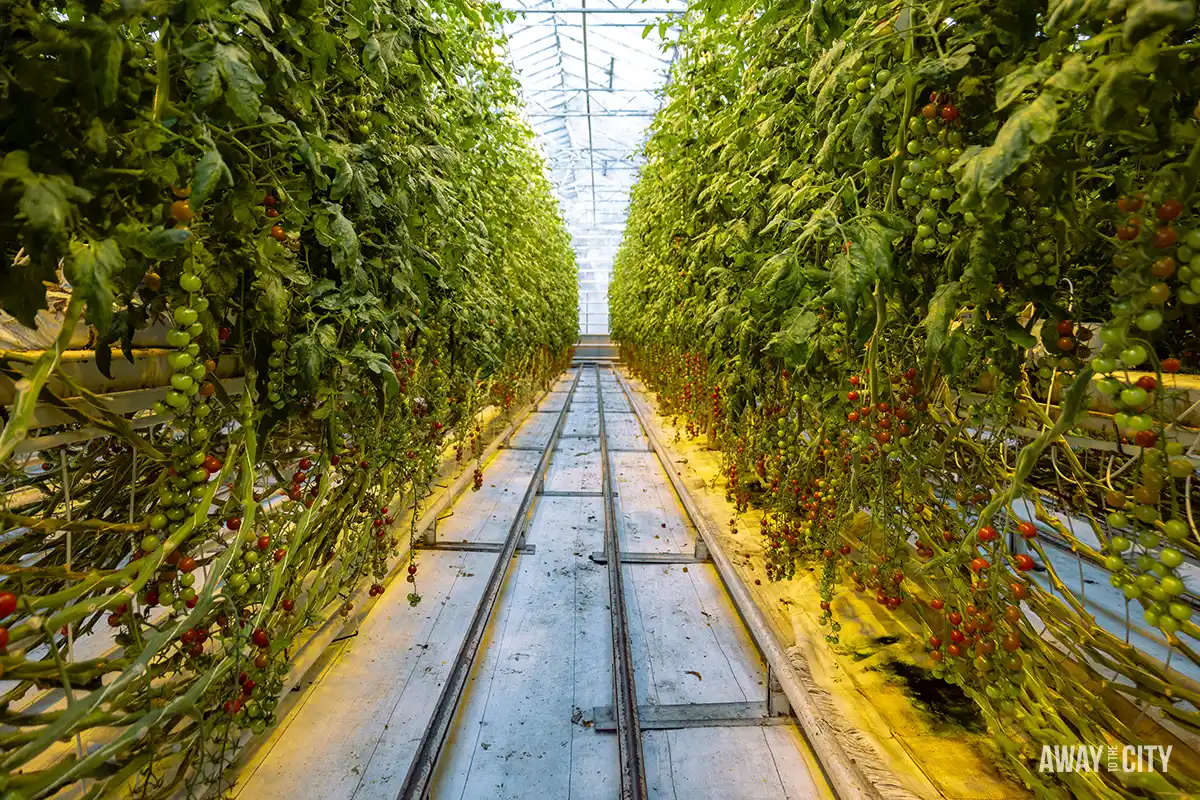
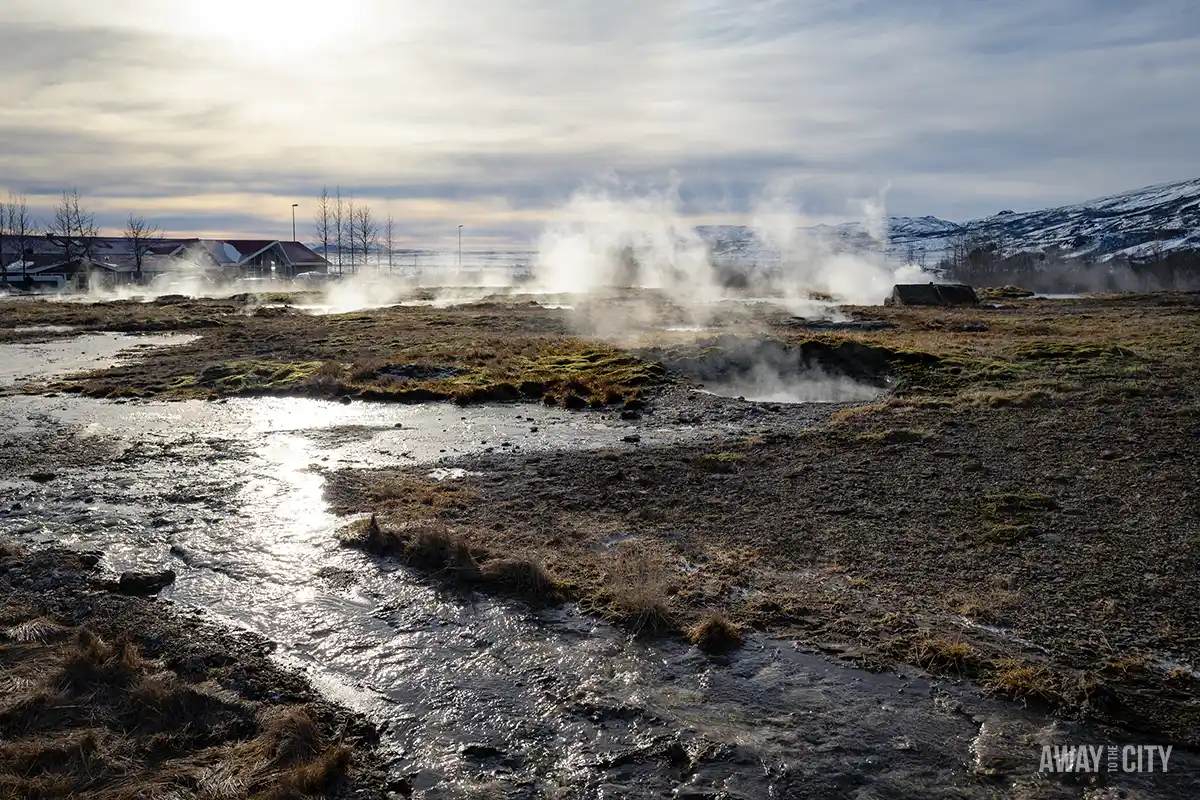
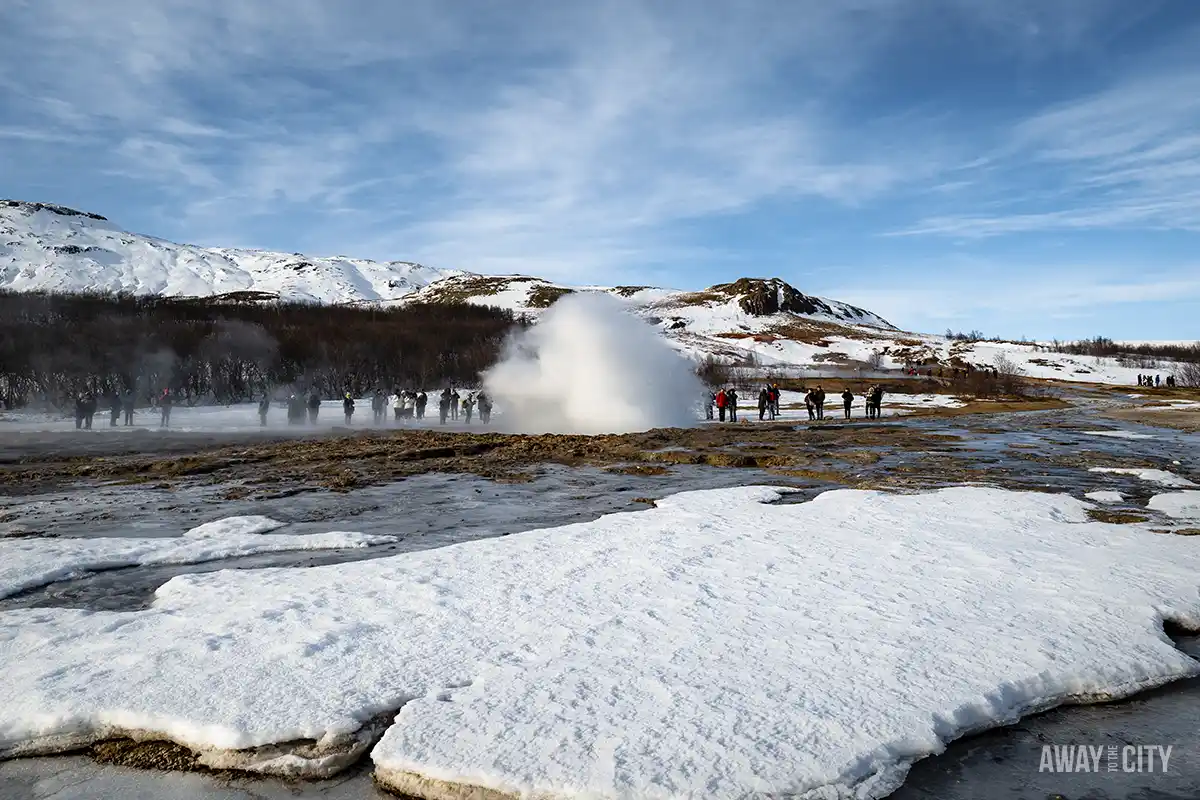

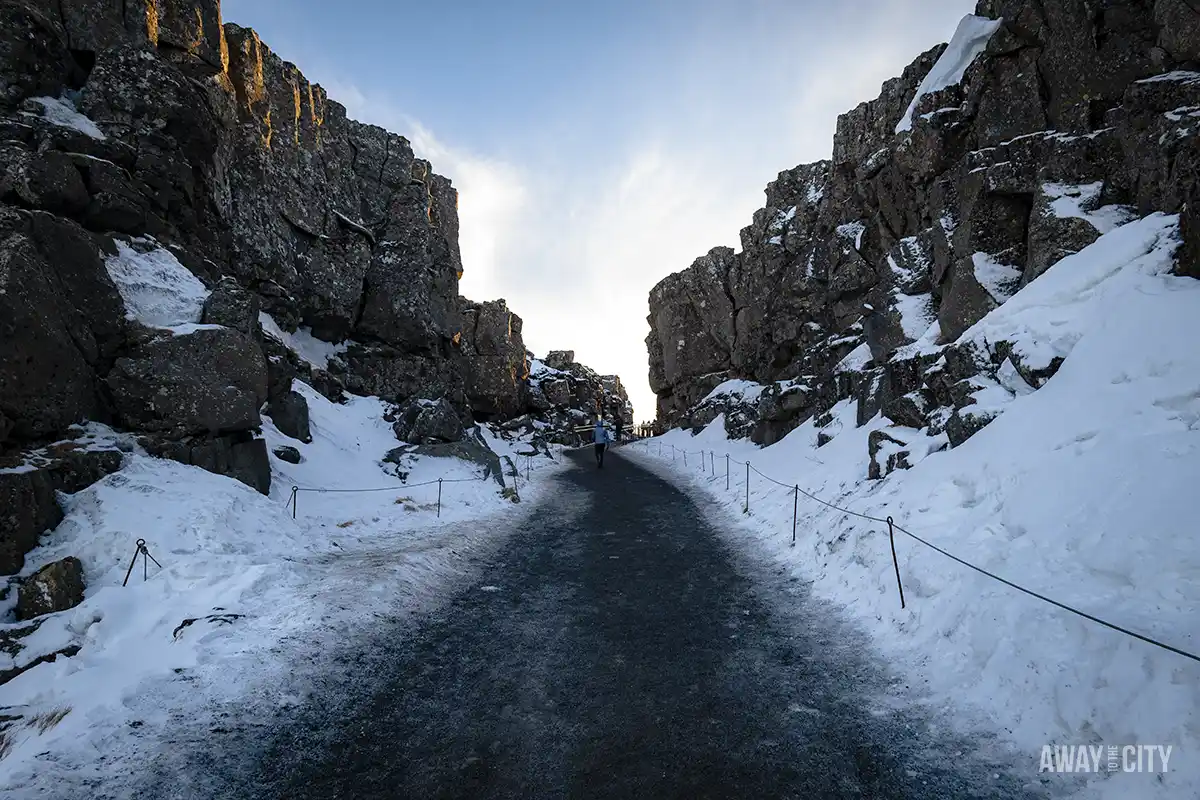
The pacing of the tour was perfect. We were never in the van for too long and never rushed at a stop, with enough time to take photos, explore, and enjoy each place.
See geysers, waterfalls and craters on the Golden Circle guided tour we loved.
12. Explore Iceland's dramatic South Coast from Reykjavik
If you've got the time, the South Coast is well worth a day. It's where you'll find glaciers streaked with volcanic ash, black sand beaches, and some of Iceland's most photogenic waterfalls.
We joined this South Coast small-group tour from Reykjavik, which kept things comfortable and nicely paced.
Our top tip: If you're short on time in Iceland, prioritise the Golden Circle and Northern Lights tours first. But once you've ticked them off, this is the kind of trip that rounds out an Iceland trip perfectly (with some of the best places to photograph in the country!).
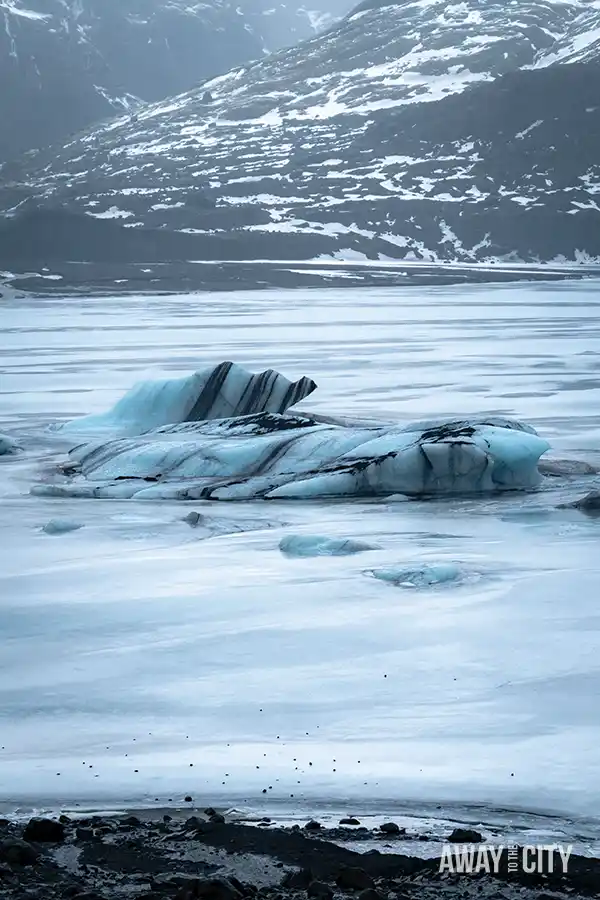
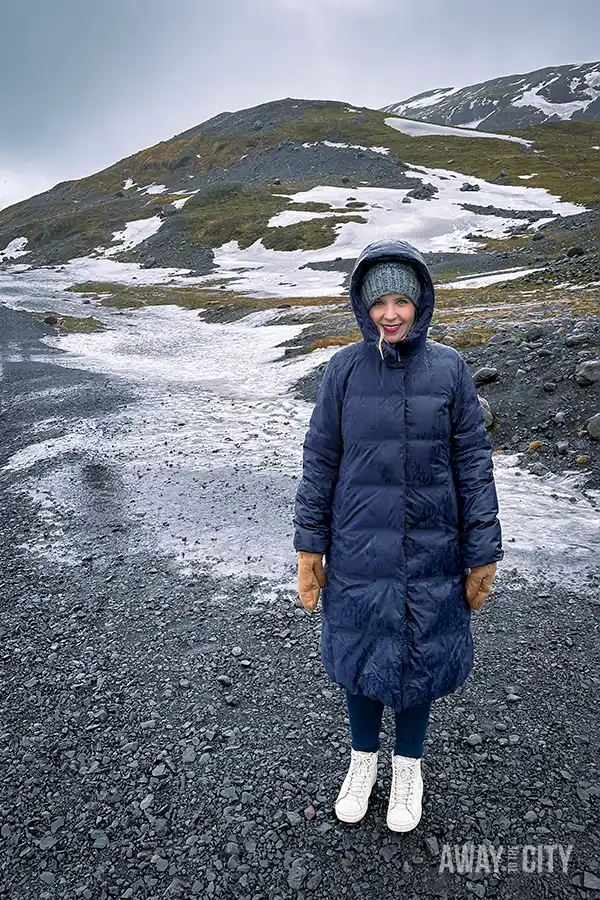
At Sólheimajökull Glacier, the rain came down hard, but we still walked the 15 minutes from the car park to the glacier's edge. The ice was laced with dark ribbons of ash, and meltwater pooled into a small, glassy lagoon.
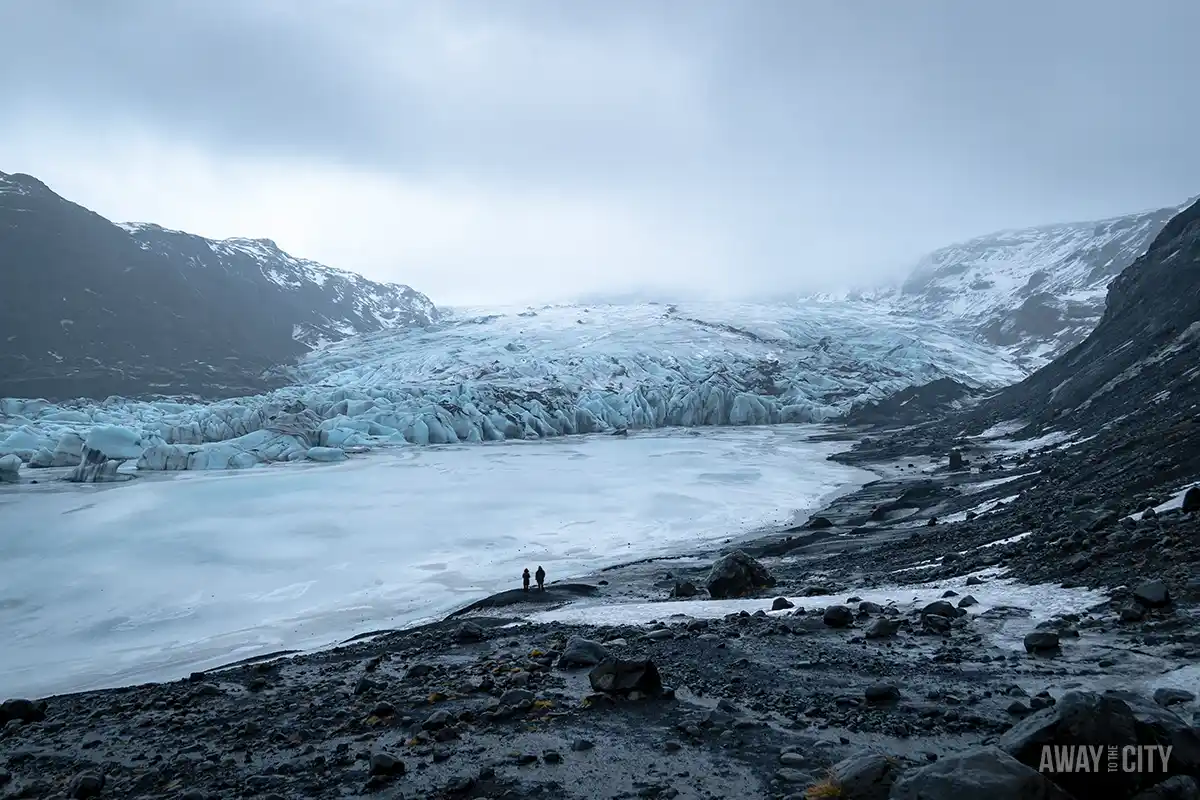
Like many glaciers worldwide, Sólheimajökull has experienced a dramatic retreat due to climate change. Studies indicate its extent has shrunk by hundreds of metres in recent decades.
For us, visiting the glacier was an eye-opening experience and a powerful way of seeing the effects of climate change firsthand.
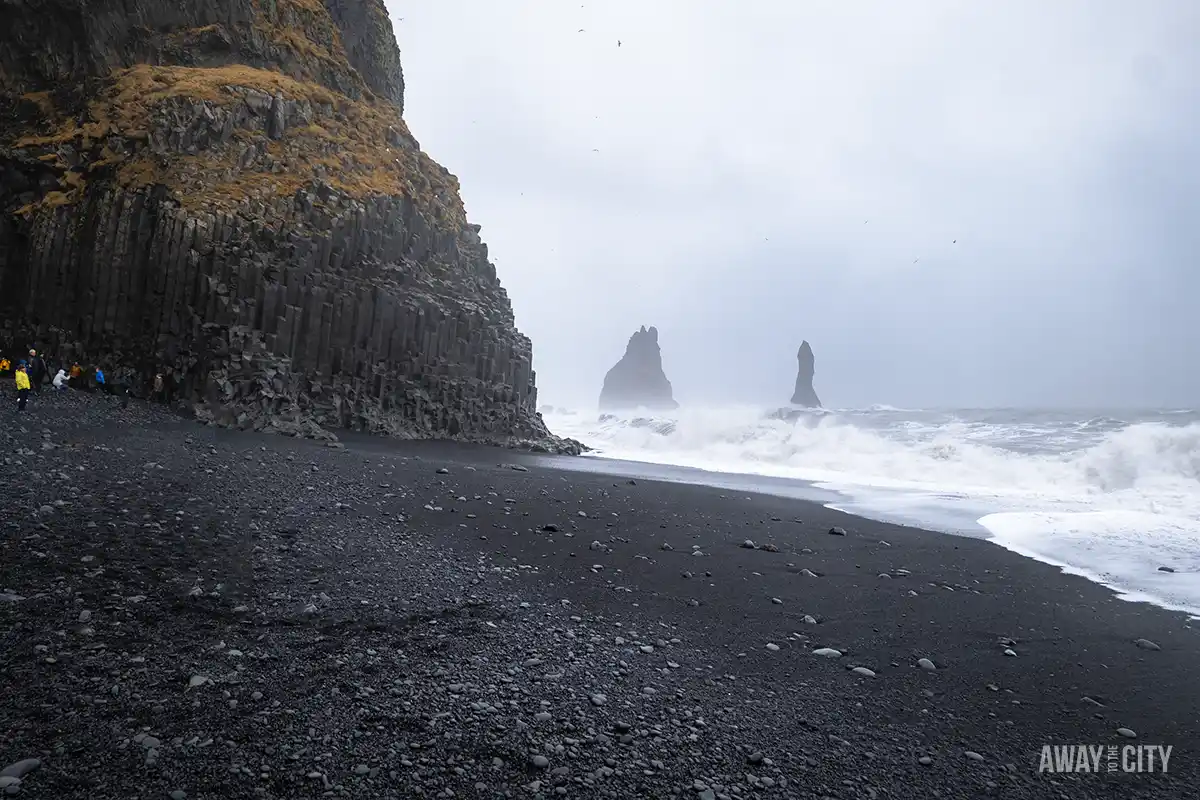
Reynisfjara Beach felt like stepping onto another planet: black sand underfoot, towering basalt columns at your back, and sea stacks rising out of the Atlantic.
The “sneaker waves” here are no joke, and the tour guides make sure you know exactly where it's safe to stand.
Did you know? The South Coast sits along Iceland's Ring Road, the highway that circles the whole island. Many travellers drive the full loop on a road trip, but even this single stretch delivers some of the country's most dramatic scenery.
The day also takes in two waterfalls: Skógafoss, with its wide, thundering curtain of water, and Seljalandsfoss, famous for the path that loops behind the falls (closed during our visit due to ice).
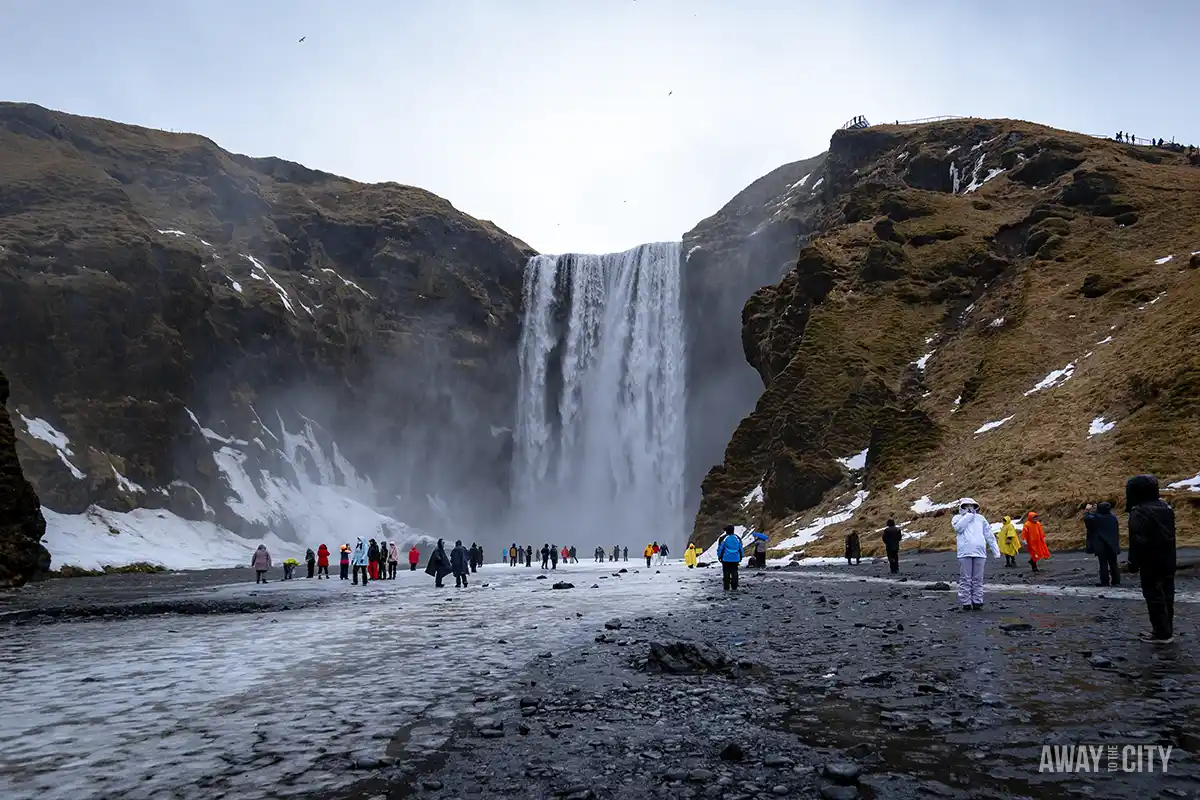
Join this South Coast tour for iconic waterfalls and Iceland’s most photogenic black sand beach.
Interactive Map: Things to Do in Reykjavik in Winter
To help you plan your Reykjavik adventure, we've put together an interactive map with all the winter attractions mentioned in this guide. Click on the map to explore where each spot is located in and around the city.

How to use this map: Click the icon in the top left to see the full list of locations. For a bigger view, open it in a new tab via the top-right icon. You can also save it to your own Google Maps by clicking the star next to the map title.
Additional Reykjavik Attractions Worth Checking Out
If you've already ticked off the activities above and are still looking for things to do, these are also worth a look:
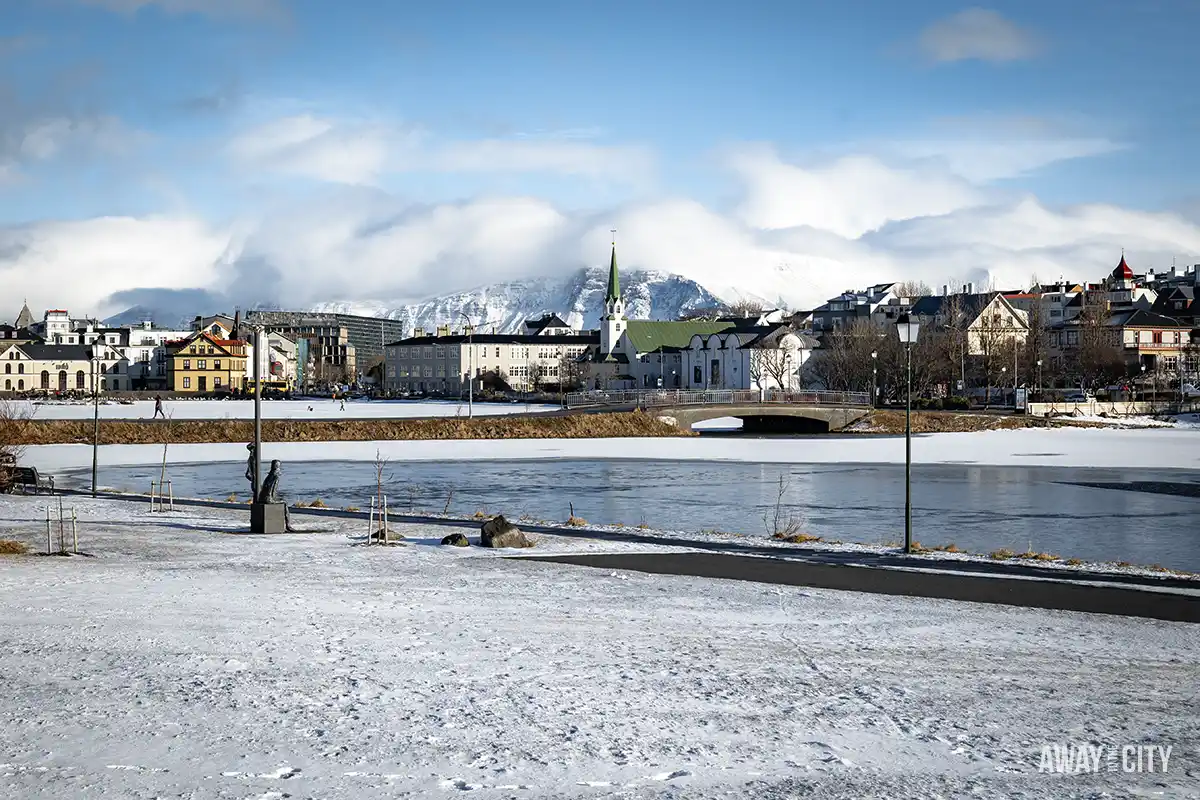
Tjörnin Lake – A peaceful stroll around this city-centre lake is especially lovely when it's frozen and dusted with snow.
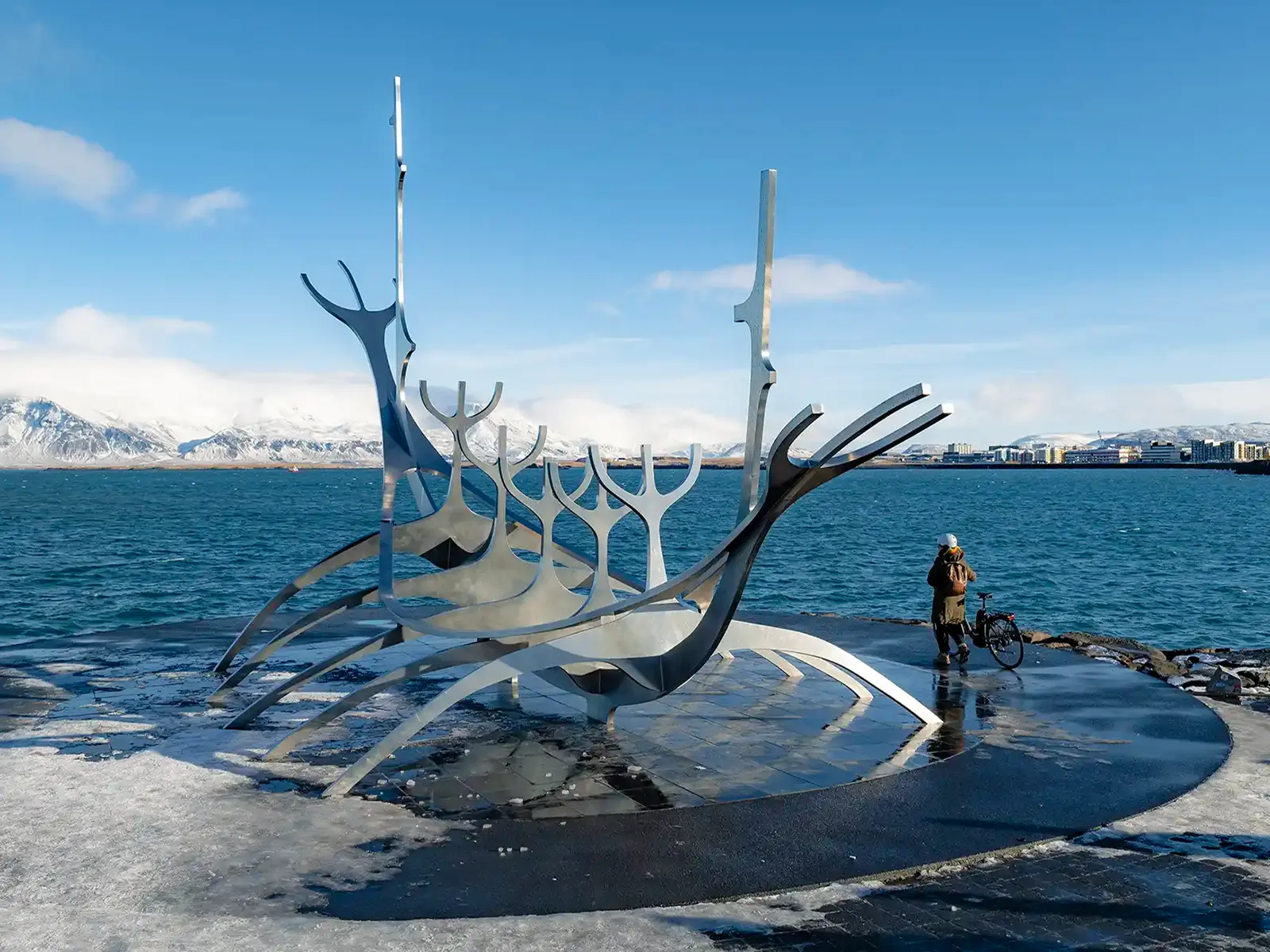
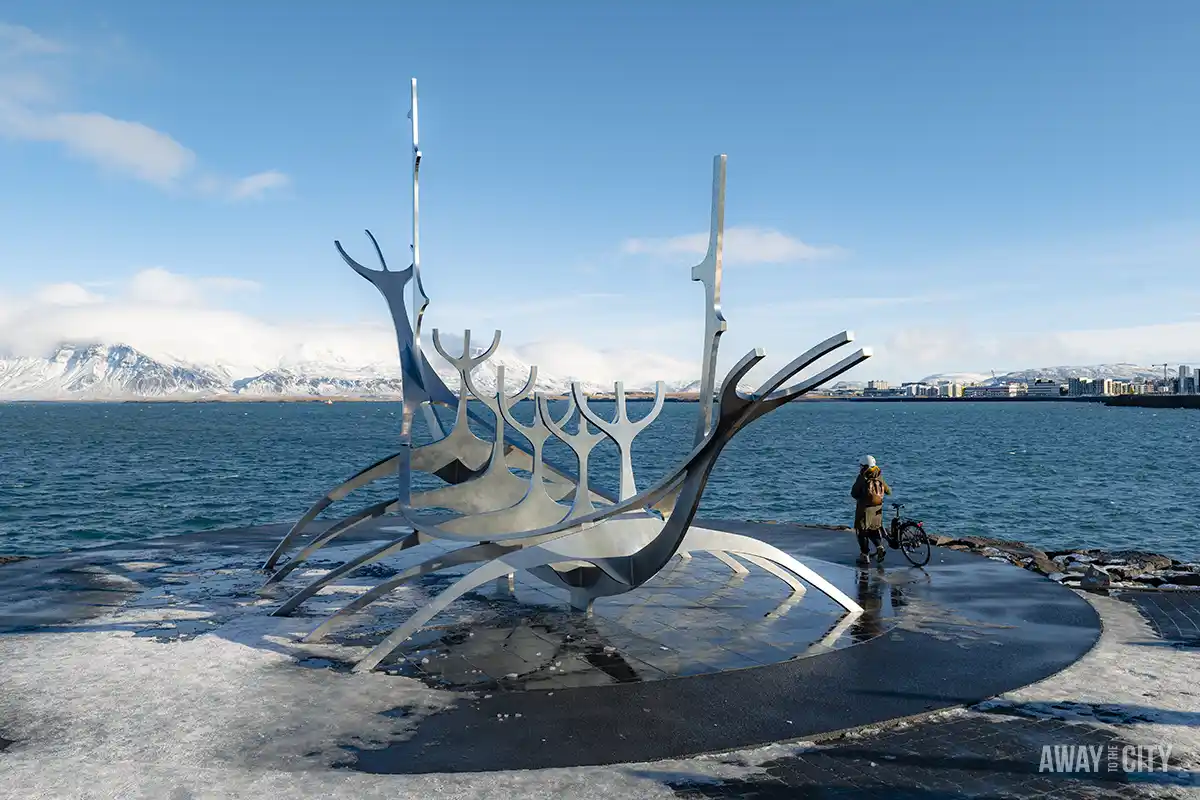
Sun Voyager – An iconic, ship-like sculpture on the waterfront symbolising the promise of undiscovered territory and hope for a better future. Great for a quick photo stop.
Whale Watching – Seeing humpback whales breach just metres from the boat was unforgettable, but we still preferred the three Reykjavik winter tours we highlighted earlier (Northern Lights, Golden Circle, South Coast).
Harbour Walk – The waterfront offers beautiful views of the city and surrounding mountains, especially at sunrise or sunset.
Where to Stay
Best Neighbourhoods in Reykjavik
For a convenient stay, it's best to base yourself near the city centre.
The Icelandic capital is compact and easy to get around on foot, even in winter, so staying central means you'll be within walking distance of most of the main sights and the major pick-up points for tours. Side streets are usually cleared quickly after snowfall, and main roads stay accessible.
If it's your first time in Reykjavik, we recommend looking at these four neighbourhoods:
- Vesturbær – A quieter, more local part of town with a relaxed vibe. In winter, it's perfect for slow mornings in cosy cafés, browsing great bakeries, and taking peaceful walks along the frosty waterfront.
- Miðborg (Downtown) – Right in the middle of everything. Easy access to shops, restaurants, museums, and nightlife, plus the festive lights in December, make the streets even more inviting.
- Hlíðar – Just outside the centre, this residential area is peaceful and green. In winter, it offers calm, snowy streets and a short stroll to Hallgrímskirkja for panoramic city views.
- Laugardalur – Great if you're into wellness. It's home to a geothermal pool and spa that feel extra inviting in the cold, as well as a botanical garden and family-friendly attractions.

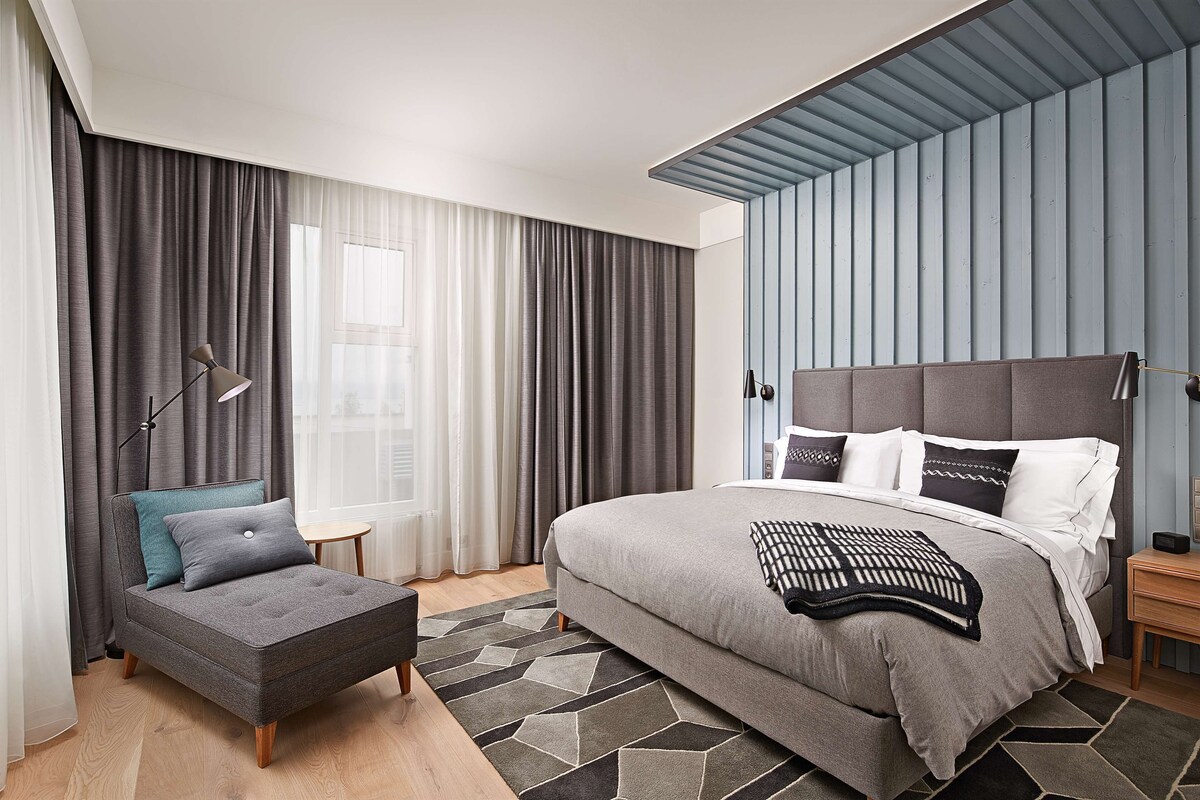
Recommended Hotels in Reykjavik
We actually ended up staying in two different hotels during our week in Reykjavik. Not by design, but because availability in winter can be tight, so learn from our mistake and book your hotel well in advance!
It turned out to be a good thing, though, since we got to try two very different stays:

FAQ: Reykjavik in Winter
Here are answers to some common questions to help you plan your winter adventure to Reykjavik:
When is winter in Iceland?
Winter runs from November to March, with average temperatures around 0–3°C (32–37°F). January is the coldest month, dipping to about -3°C (27°F). Expect short days in mid-winter (4–5 hours of daylight in December and January) and a good chance of snow.
How many days in Reykjavik do you need?
Two days are enough to see the top things in the city on foot. But we wouldn't visit Reykjavik as a standalone city break destination, because the real highlights are beyond the capital. Plan at least 5-7 days to mix in a couple of city days with experiences like horseback riding and trips to the Golden Circle, South Coast, and Northern Lights tours.
Can you see puffins in winter?
No. Puffins come to Iceland from late April to late August to nest on the cliffs. For the best chance to see them, plan your trip in the summer months, between mid-May and mid-August.
Is Iceland cheaper in winter?
According to Eurostat, Iceland is always pricey, but winter is the time of year when flights, hotels, and car rentals are a little easier on the wallet.
What should I pack for winter in Reykjavik?
Layers are key: a warm waterproof jacket, thermal base layers, gloves, a hat, and sturdy waterproof boots. Ice grips or crampons are a must for icy streets. We also brought a 10-pack of hand warmers, which turned out to be a lifesaver on tours.
Also, don't forget to add a swimsuit and flip-flops for hot springs on your Iceland winter packing list. And if you're hiring a rental car, check that it comes with winter tyres and an ice scraper.
Ready to Plan Your Trip?
Reykjavik makes a brilliant base for winter adventures in Iceland. The city itself is compact and full of character, but the real magic lies just beyond – like riding an Icelandic horse, exploring the Golden Circle on a guided tour, or chasing the Northern Lights with experts who know where to look.
If the aurora borealis is on your list, patience is essential. It took us three nights before we finally saw them, but the wait was worth it.
If you want to explore more of Reykjavik itself, don't miss our guide to the best museums in Reykjavik.
Reykjavik also combines well with other European cities. Many travellers pair Iceland with a festive stop in London at Christmas or spend a few days soaking in the thermal baths and cafés of Budapest.