The Best Cities to Visit in Southern Spain (And One We’d Skip)
This post may contain affiliate links, including from Amazon and other trusted partners. If you click a link and make a purchase, we may earn a small commission at no extra cost to you. That said, we only recommend products and services we genuinely use and love. Learn more in our Privacy Policy page.



If you only have time for a few cities in southern Spain, choosing the right ones makes all the difference.
It’s a region we keep coming back to. We’ve travelled to over 50 countries, but Spain remains one of our absolute favourites. And within Spain, southern Spain (the region of Andalusia) stands out the most. Roman ruins, Moorish architecture, and dramatically different cities all within easy reach of each other.
But that variety comes with a downside. It’s surprisingly easy to overfill your itinerary or prioritise the wrong places.
We’ve explored southern Spain across multiple trips, and not every city delivers the same experience. Some stood out immediately, especially Seville, which we’d easily rank among the most captivating cities in Europe. One famous stop, on the other hand, felt hard to justify beyond a single sight.
Here’s what we’d actually put on your itinerary, including the best cities to visit in southern Spain, why Málaga is the ideal base, and one popular stop we’d leave off.
Plan ahead!
Our Top Picks for Your Southern Spain Trip
We’ve been to southern Spain four times. Here are our favourite experiences and hotels we’d lock in as soon as your dates are confirmed.
 Start with Seville: This is the city we’d send any friend to first. Of everything on this list, it’s the one that left the strongest impression. You can find everything worth seeing in Seville here.
 Where to stay in Málaga (our recommended base for southern Spain)
- ICON Malabar (our #1 pick, beautifully restored boutique hotel right in Malaga’s old town)
- Barceló Málaga (a great option for day-trippers, right next to the main train station)
 Getting around: A rental car gives you the most flexibility for exploring Andalusia at your own pace. That said, you don’t need one if you’re based in Málaga, as the region’s train and bus connections are excellent, and day trips like the Caminito del Rey and Ronda and Setenil are easy to do without a car.
Our four favourite cities in southern Spain
What sets Andalusia apart from the rest of Spain starts with its history.
The area was part of the Roman Empire, then ruled by Muslim kingdoms from North Africa for nearly 800 years, before the Spanish Christian kingdoms reconquered it in the 15th century. Those layers didn’t erase each other.
The Moorish influence in particular is still everywhere, in the architecture, the tile patterns, and the layout of the old towns.
The geography makes it even more varied. Within a few hours you can move from coastal cities on the Mediterranean to hilltop towns above dramatic gorges, all connected by the same warm culture.
In our list below, you’ll find most favourite cities and places to visit in southern Spain.
We’ve visited plenty more across the region, including Cádiz, Marbella, and Almería. But the cities below are the ones that left the strongest impression and that we’d prioritise on any trip to Andalusia.
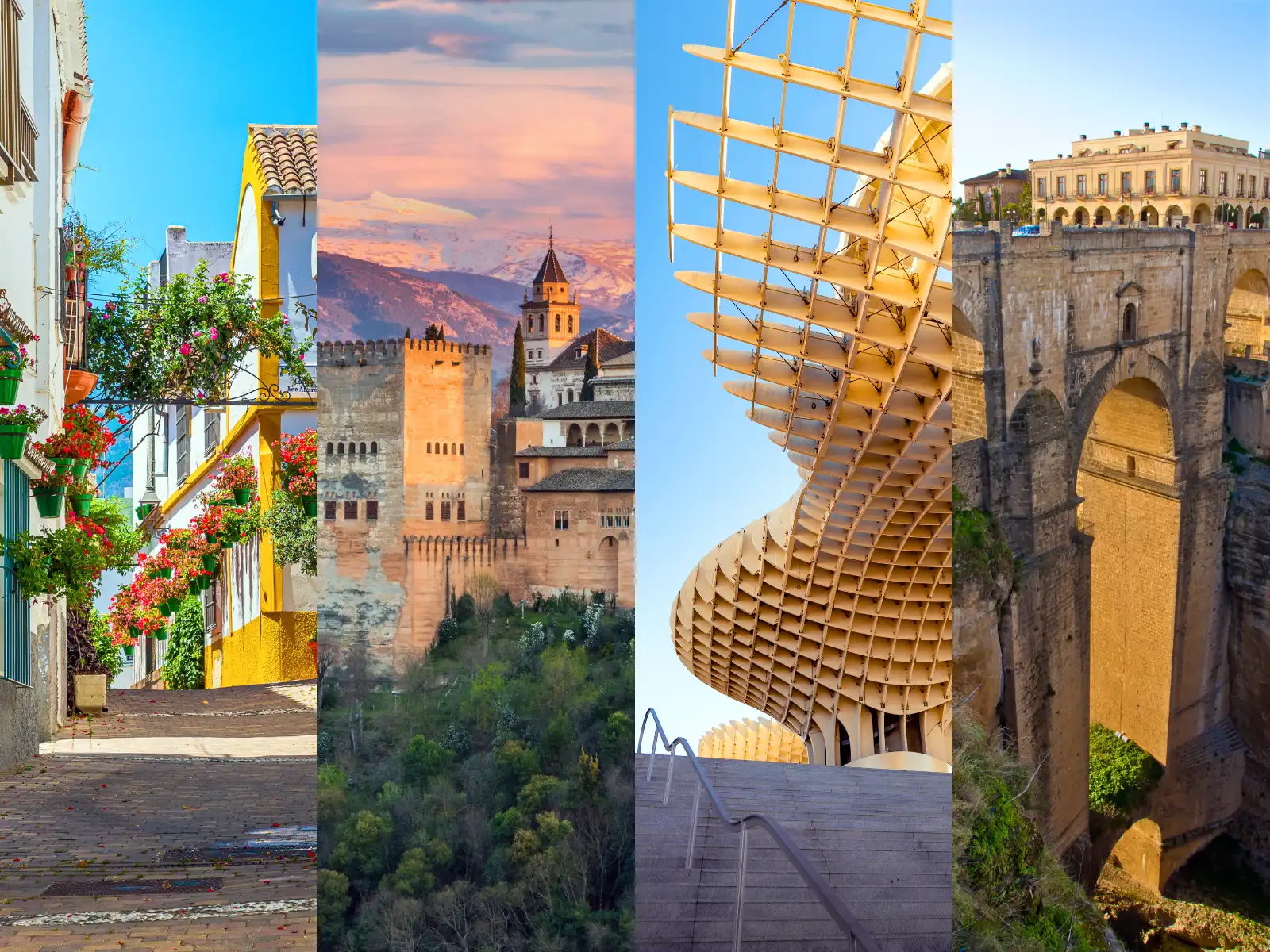
1. Seville
If someone asked us for one Spanish city to add to their trip, we’d say Seville every time.
The Moorish past is visible on almost every corner here, and few cities in Europe are as photogenic.
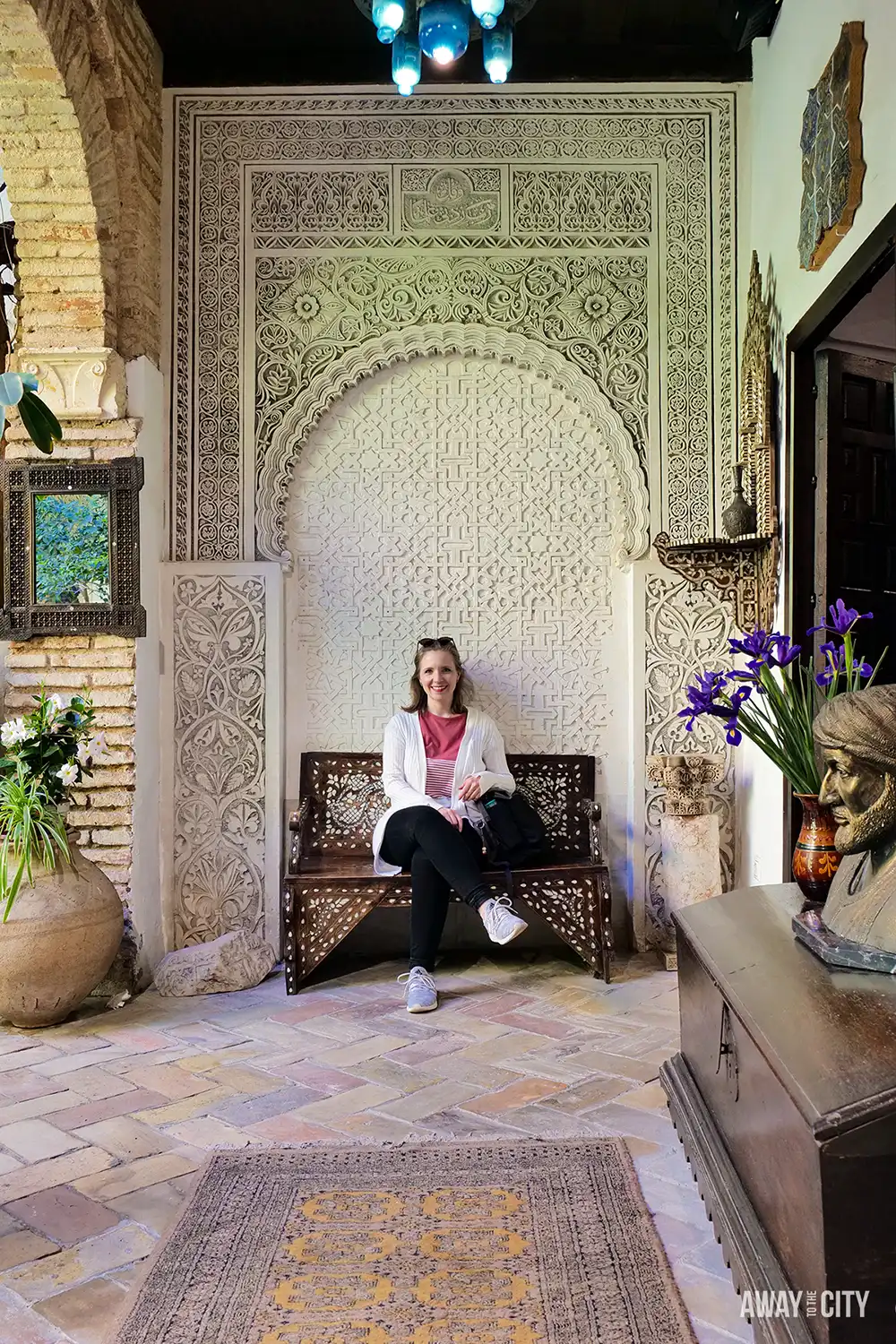
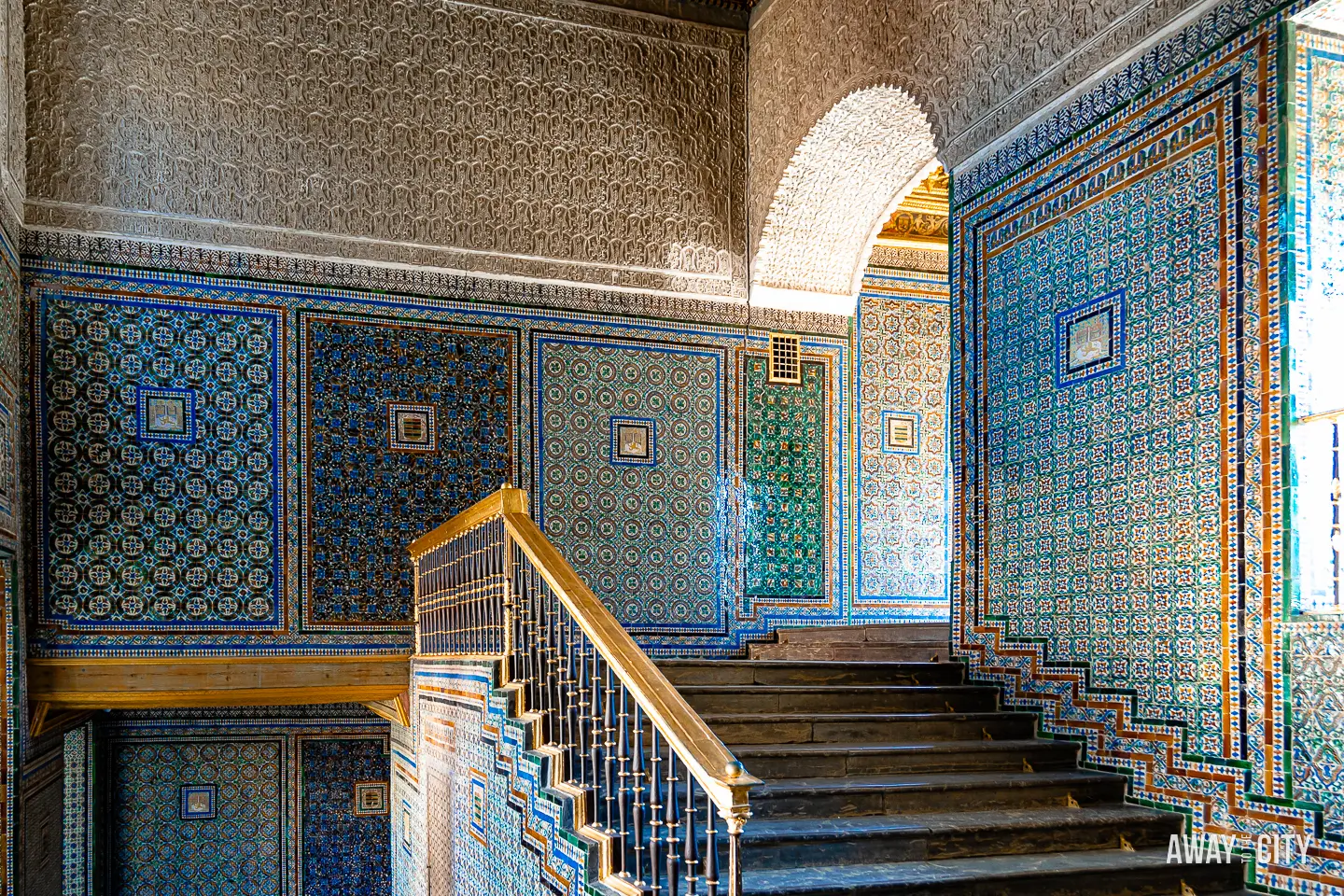
The geometric tile patterns, the carved archways, the ornate stucco details covering buildings across the old town… we found ourselves stopping constantly just to look.
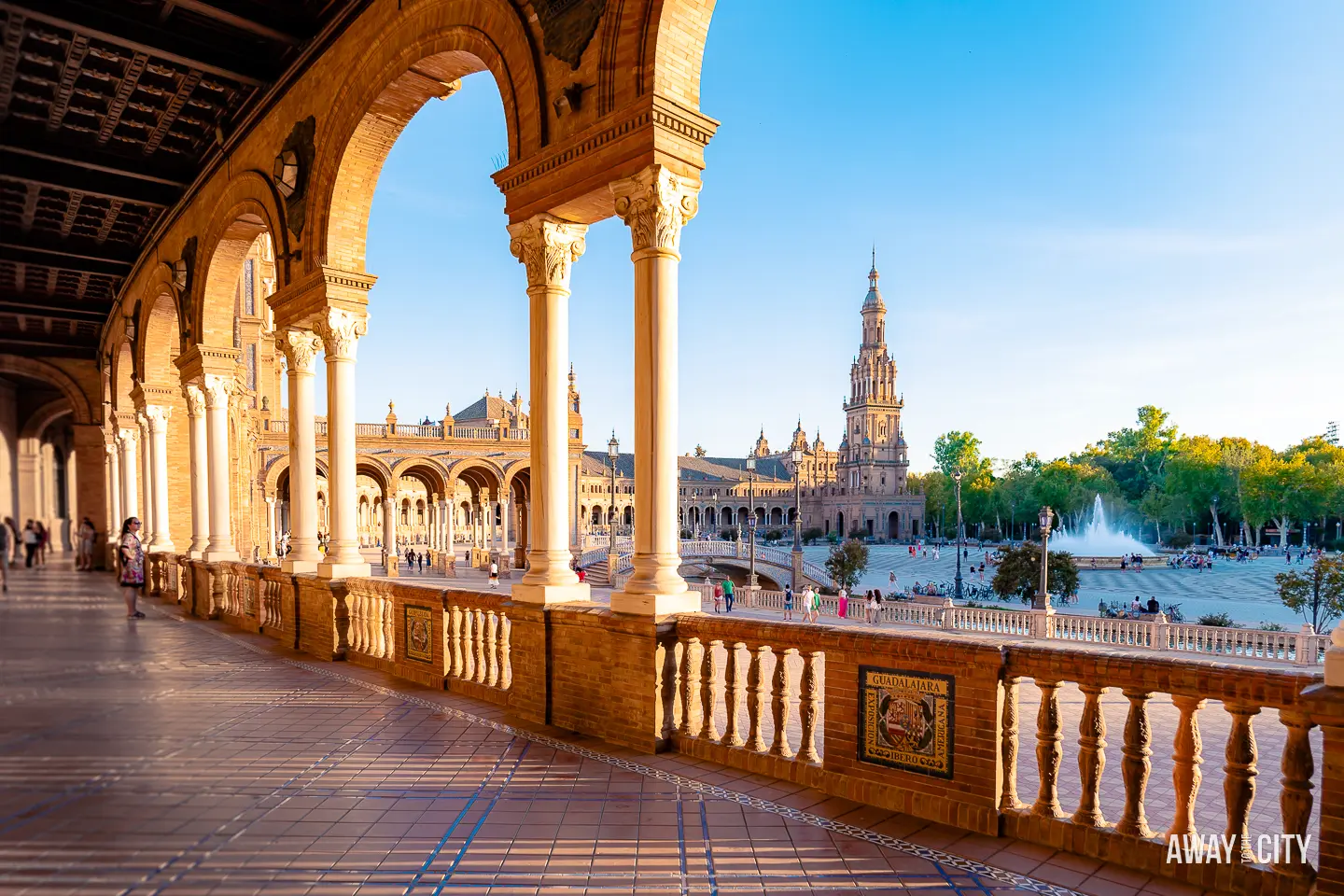
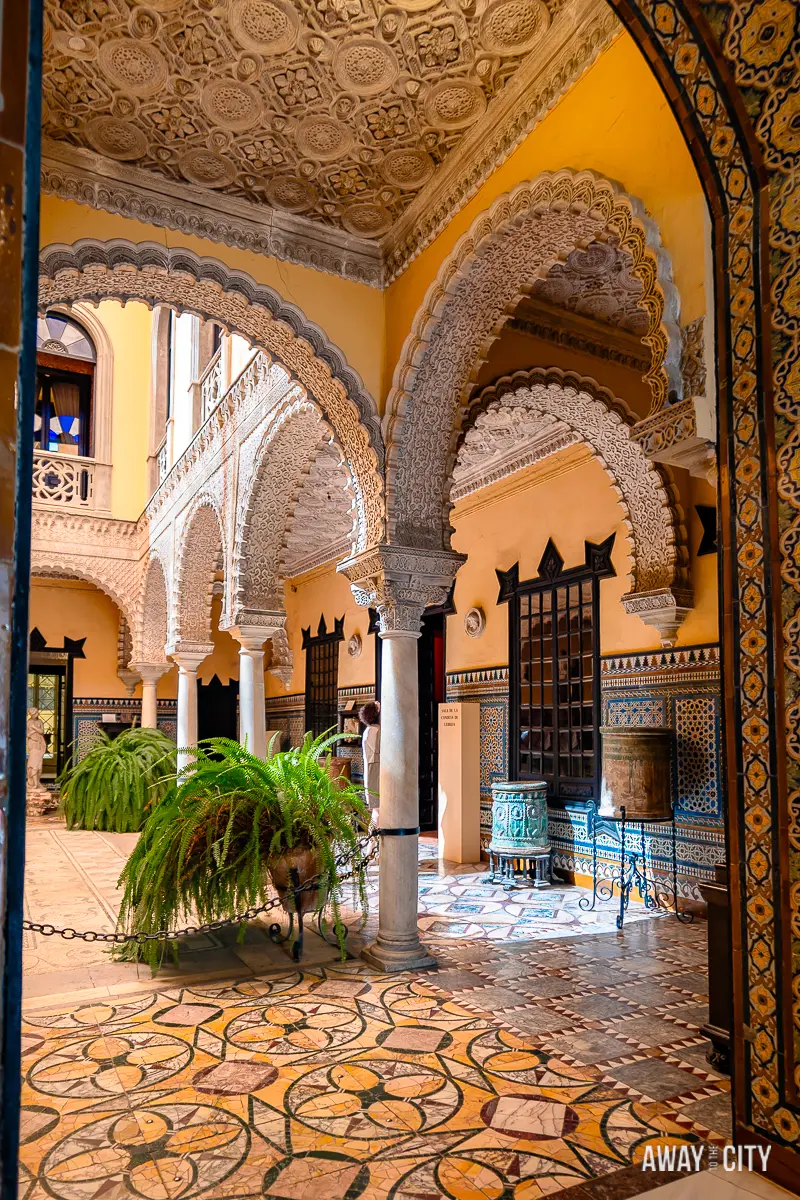
What makes Seville so special is how much of that heritage you can actually step inside. Palaces and houses like the Royal Alcázar, Casa de Pilatos, and Palacio de las Dueñas are open to visitors.
You walk through room after room of tilework and carved stucco. No other city on this list gives you that kind of access and immersion.

We spent hours at the Plaza de España at sunset, watching flamenco dancers perform in front of that large, tiled semi-circular square. We’re not usually the kind of people who linger, but we found it hard to leave, which tells you something.
And then there’s the Setas de Sevilla, an enormous futuristic wooden structure rising out of the old town. We went up at sunset and watched the city slowly light up below us. That contrast (ancient and modern in the same view) is very Seville.


There’s a lot more to Seville than we can cover here. Our full Seville guide has everything.
2. Málaga
Málaga has a large international airport and is often treated as just a stopover. In our opinion, that’s a BIG mistake.
What makes Málaga unlike anywhere else on this list is that it gives you history and coast in one place, right on the Costa del Sol.
Walking through the old town, we’d suddenly feel a sea breeze and remember we were right on the Mediterranean Sea. That doesn’t happen in cities like Seville or Granada.
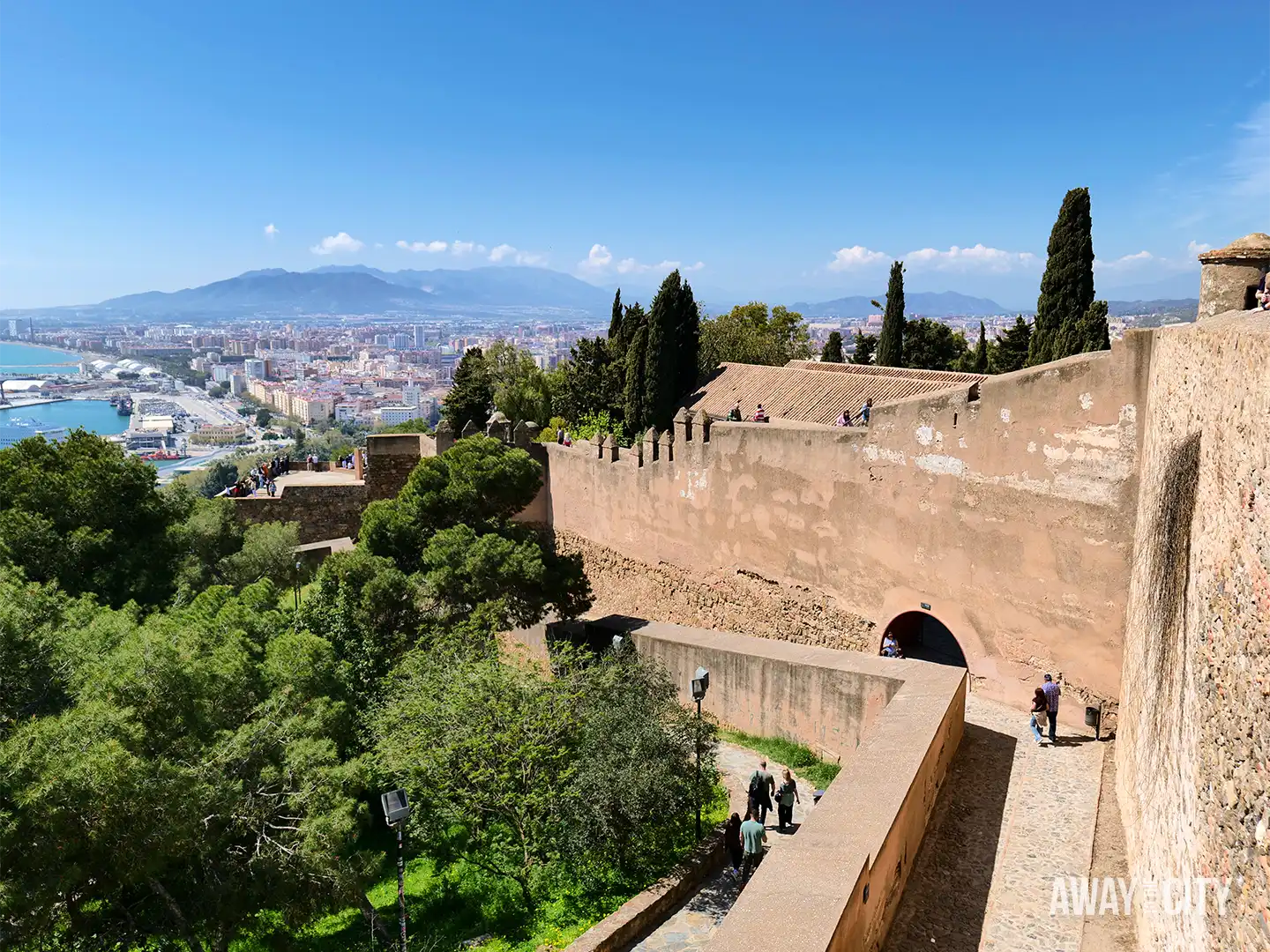
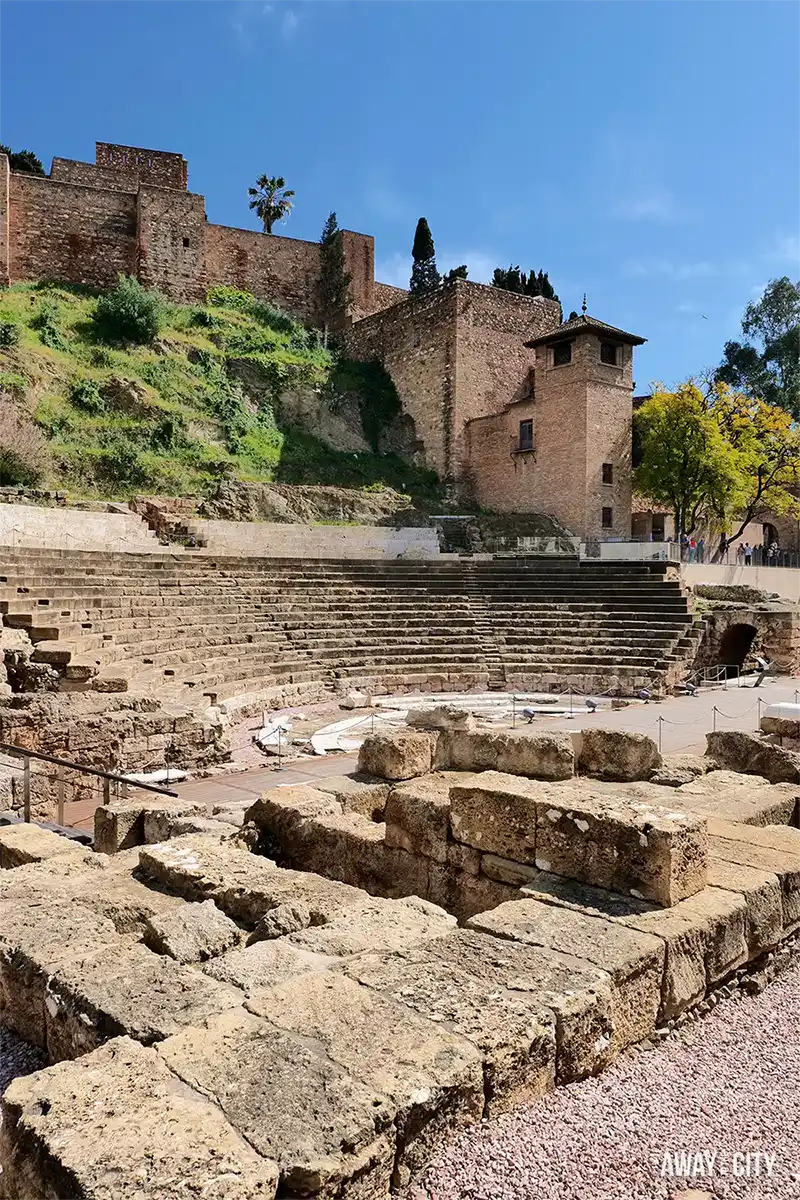
What also surprised us was the sheer density of history here. Roman ruins, Moorish fortresses, and Renaissance-Baroque architecture are all within walking distance of each other.
With more than 40 museums, it’s one of southern Spain’s top cities for cultural attractions, and honestly, we didn’t expect that.
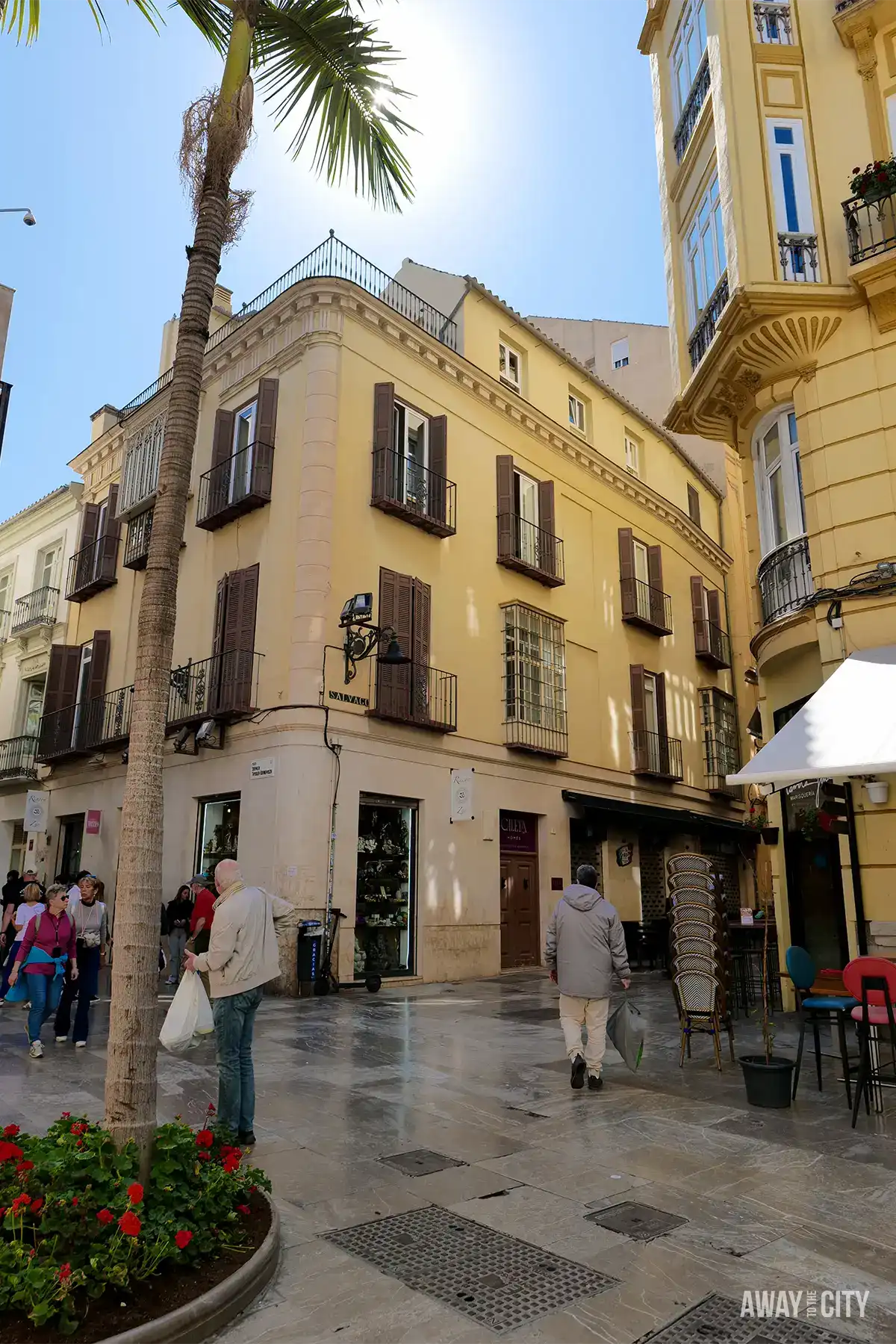
And it feels genuinely young and dynamic. There’s a street art district, a lively food scene (we love tapas!), and a city that clearly knows how to have a good time.
Málaga is also the best base for southern Spain (we’ll give you specific hotel recommendations further below in this post), whether that’s by car, bus or train.
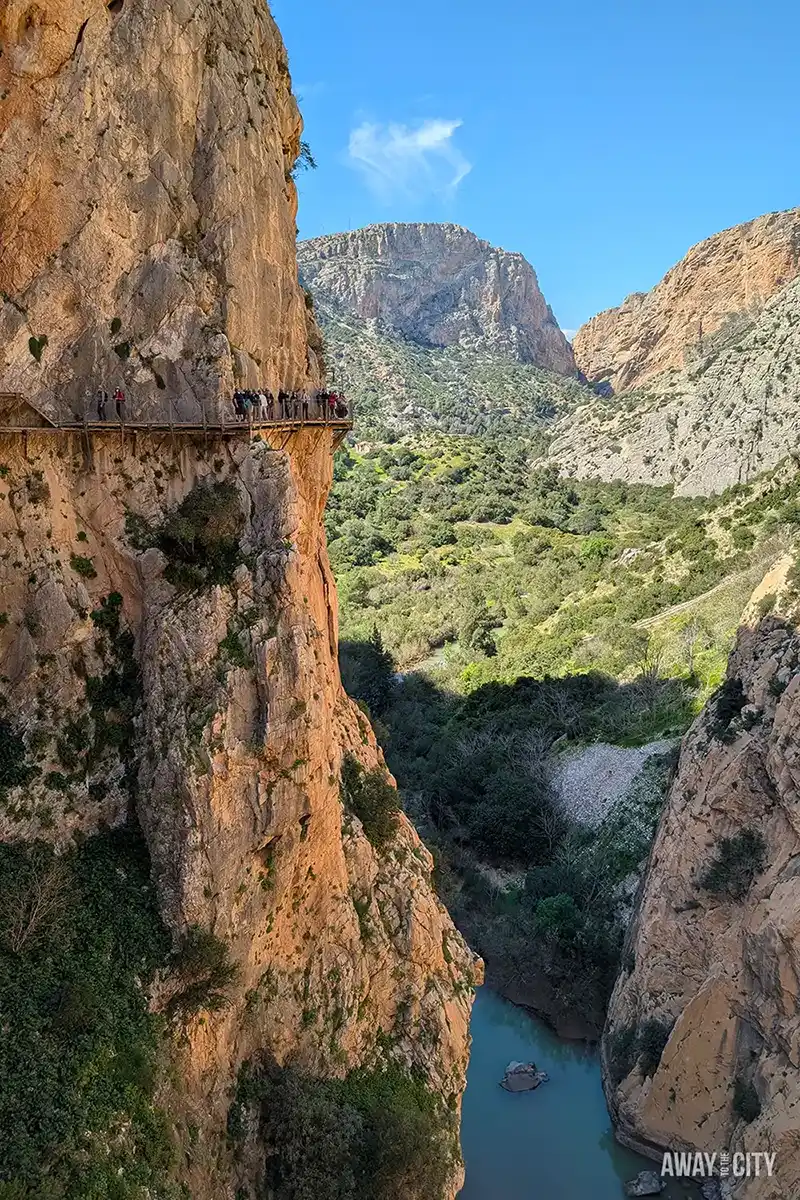
One of our favourite days from Malaga was a trip to the Caminito del Rey (a hiking trail cut into the walls of a dramatic gorge), just an hour from the city. Absolutely do not miss it!
3. Granada
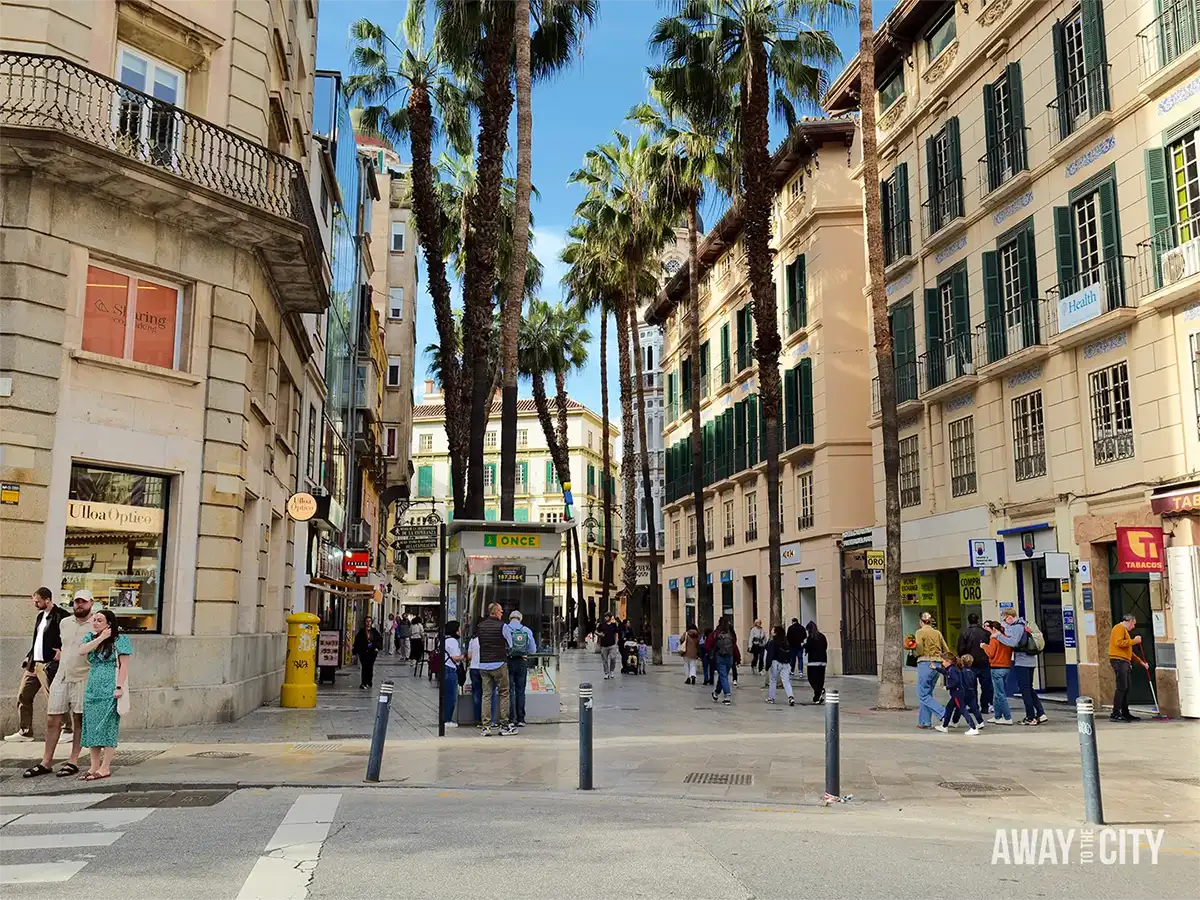
Granada makes for a perfect day trip from any of the southern Spain cities. Stay a second day and you’ll find plenty more to explore.
Either way, the UNESCO World Heritage Site Alhambra alone justifies the trip (even though you need to buy your Alhambra ticket 2-3 months in advance). Sacromonte makes it unmissable.
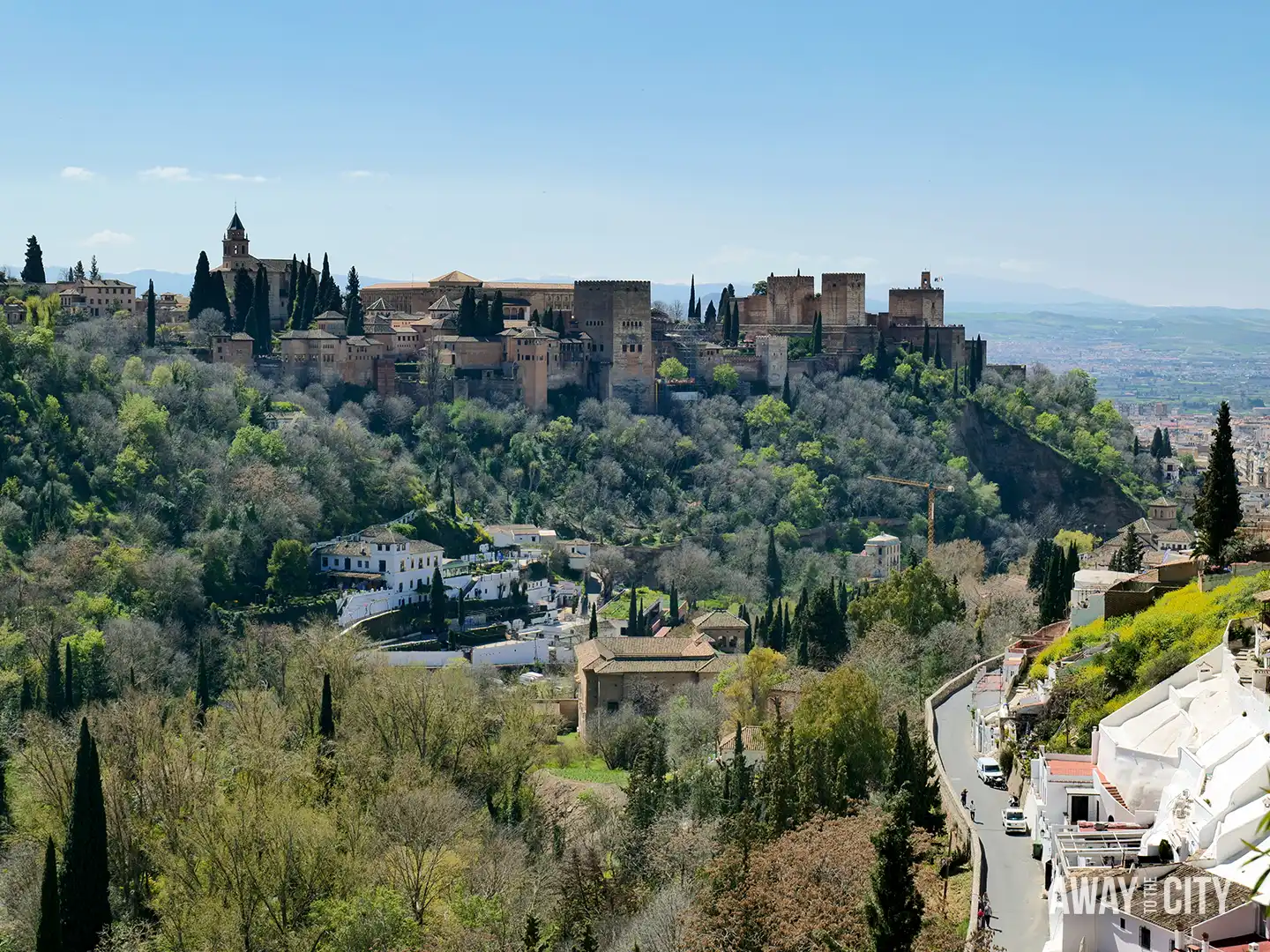
It’s a vast palace and fortress complex built by Moorish rulers, sitting on a ridge above the city. We planned to spend a couple of hours inside. We were there for four.
But Sacromonte was our biggest surprise. One minute you’re walking through narrow white streets lined with Arabic tea houses, the next you’re inside cave homes where families actually lived until 1963. It feels nothing like Spain.
And then you step outside and the Alhambra is right there across the valley, sitting on the ridge opposite. It’s the view of the palace that nobody tells you about.
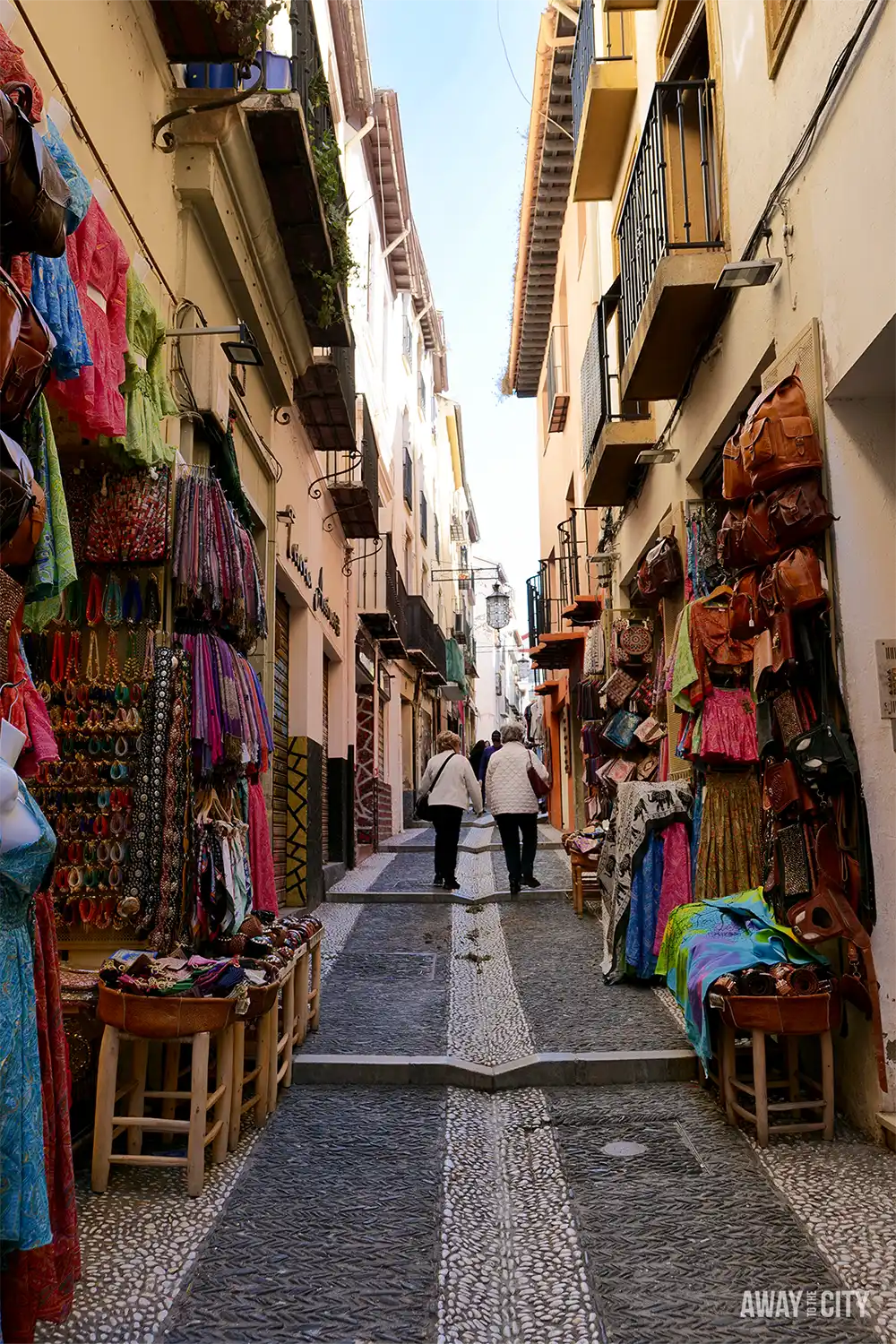
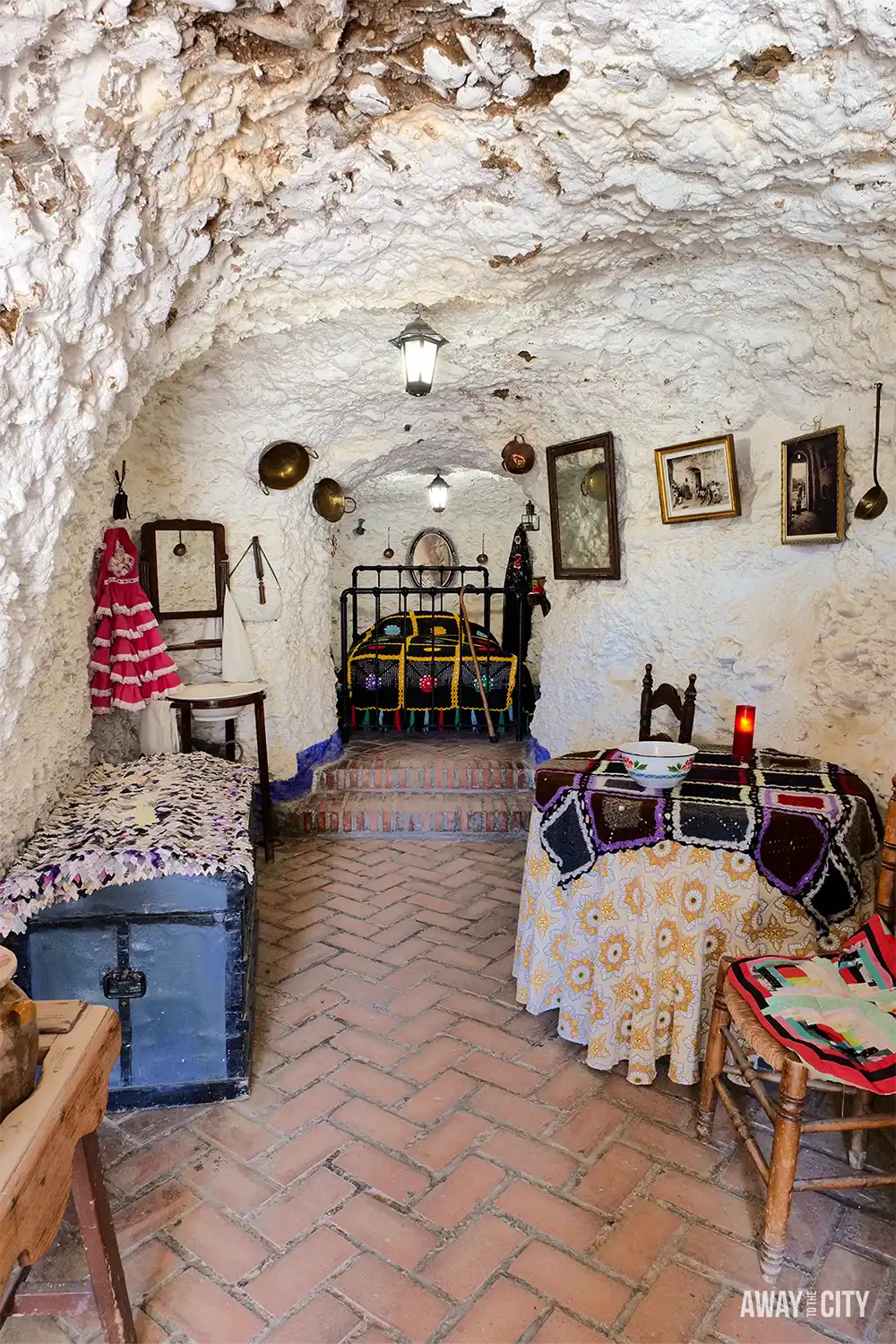
With the Sierra Nevada mountain range rising directly behind the city, you can even see snow-capped peaks from the streets of Granada. In a region known for sunshine, palm trees, and heat, that’s the last thing we expected to see.
4. Ronda
We came to Ronda for the bridge, but that’s not actually what blew us away.
The Puente Nuevo, the 18th-century bridge connecting the old and new town, is impressive.
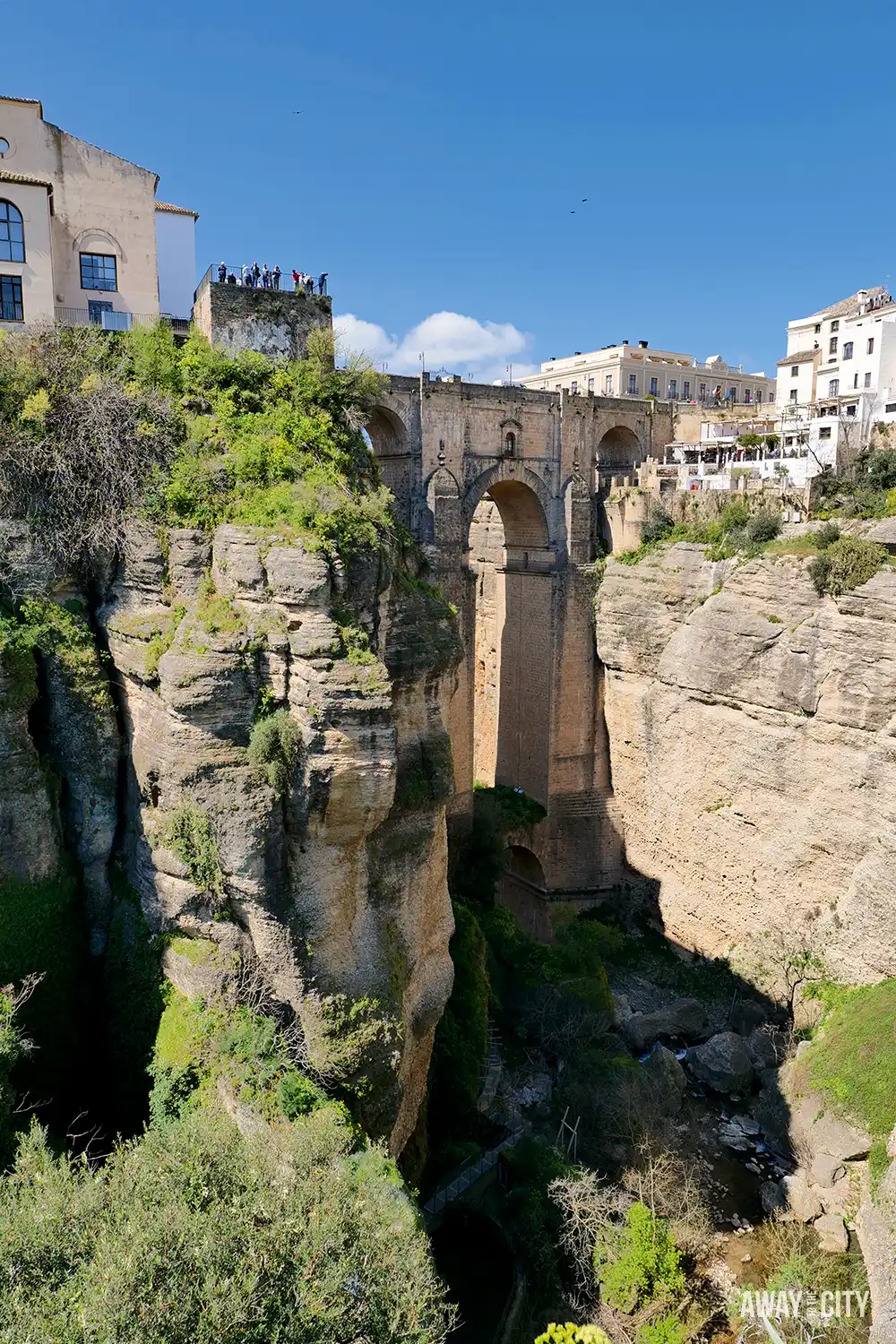
But what makes Ronda special is the city’s cliffs. The buildings sit right on the edge of a cliff, with terraced gardens and buildings stepping down toward the gorge.
There is an observation terrace opposite the bridge (Mirador de Cuenca), and walking along it with those views opening up in front of us is the moment we totally fell in love with the city. The views from there were almost unreal.
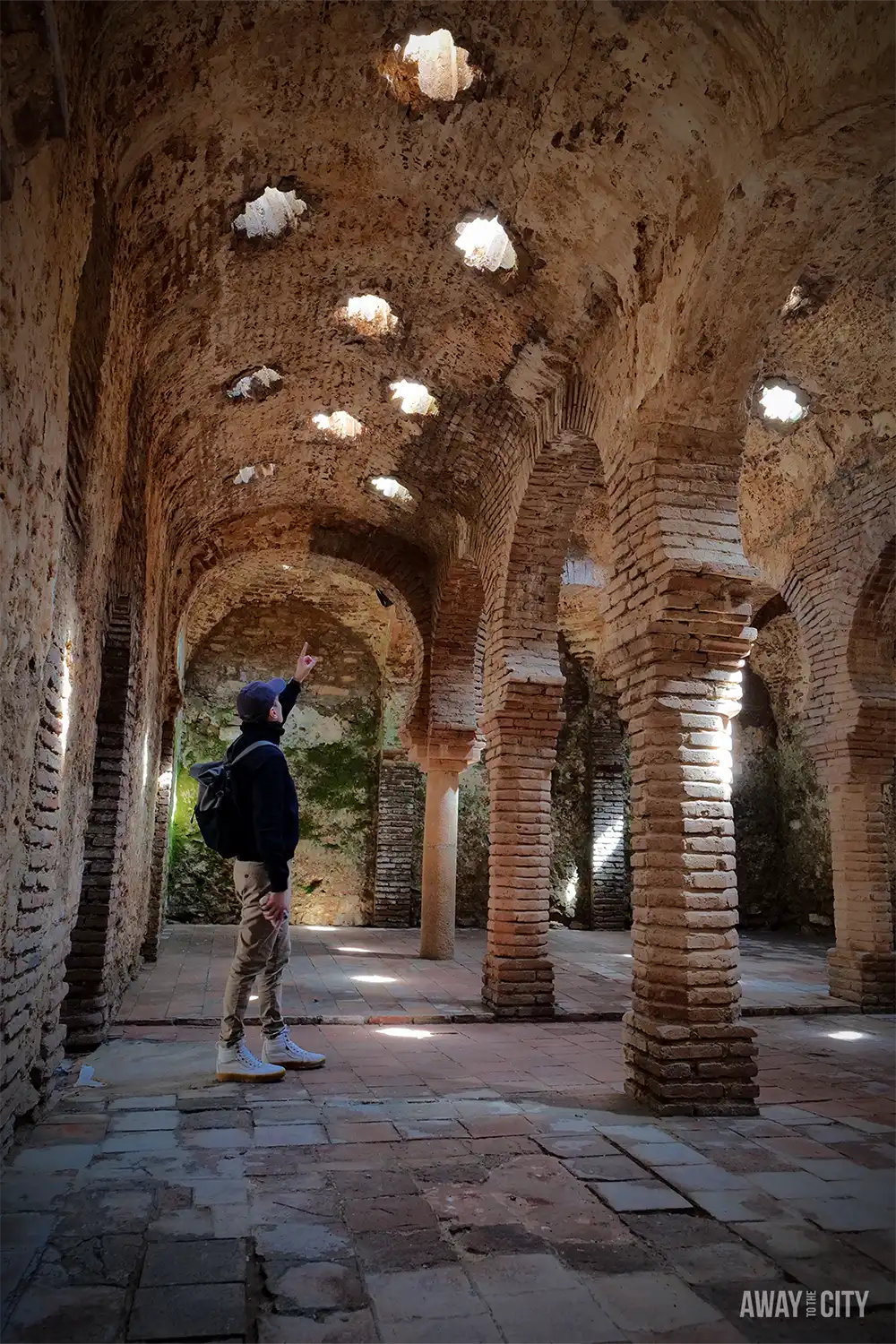
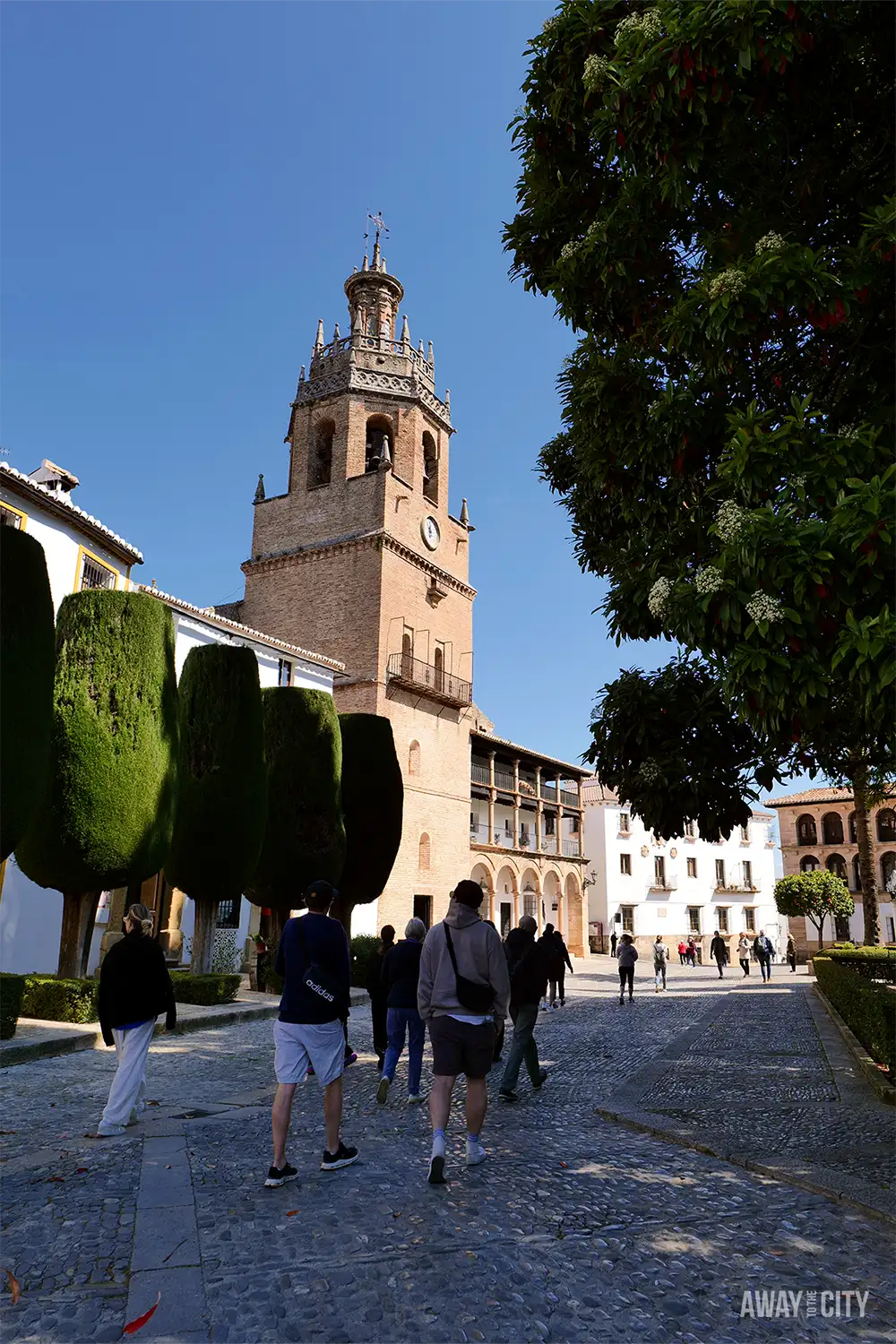
Surprisingly, Ronda shows little of the Moorish architecture you find in Seville or Málaga. But the Arab baths at the bottom of the cliff were a lovely surprise.
Basically windowless, the star-shaped holes in the ceiling let in so much natural light that the whole space glowed.
Ronda works perfectly as a day trip from Seville or day trip from Málaga.
Bonus stop: Gibraltar (not quite southern Spain, but close)
Yes, we know Gibraltar is NOT in Spain. It’s a British Overseas Territory sitting at the very tip of the Iberian Peninsula. But it’s different enough from the other cities on this list, and honestly one of the most surreal places we’ve visited in Europe.

It looks like little Britain accidentally got dropped onto the Mediterranean coast. Red phone boxes, English pubs, fish and chips… and then you look up and there’s the famous Rock of Gibraltar looming above it all.
Up there you’ll also find a Moorish castle, a reminder that Gibraltar shares more history with Andalusia than its British postboxes suggest.
The Rock’s nature reserve makes the city truly unique. It’s home to the only wild monkey population in Europe, and if you’ve never had a Barbary macaque steal your snack, you haven’t lived. Ok, that’s an exaggeration, but still…

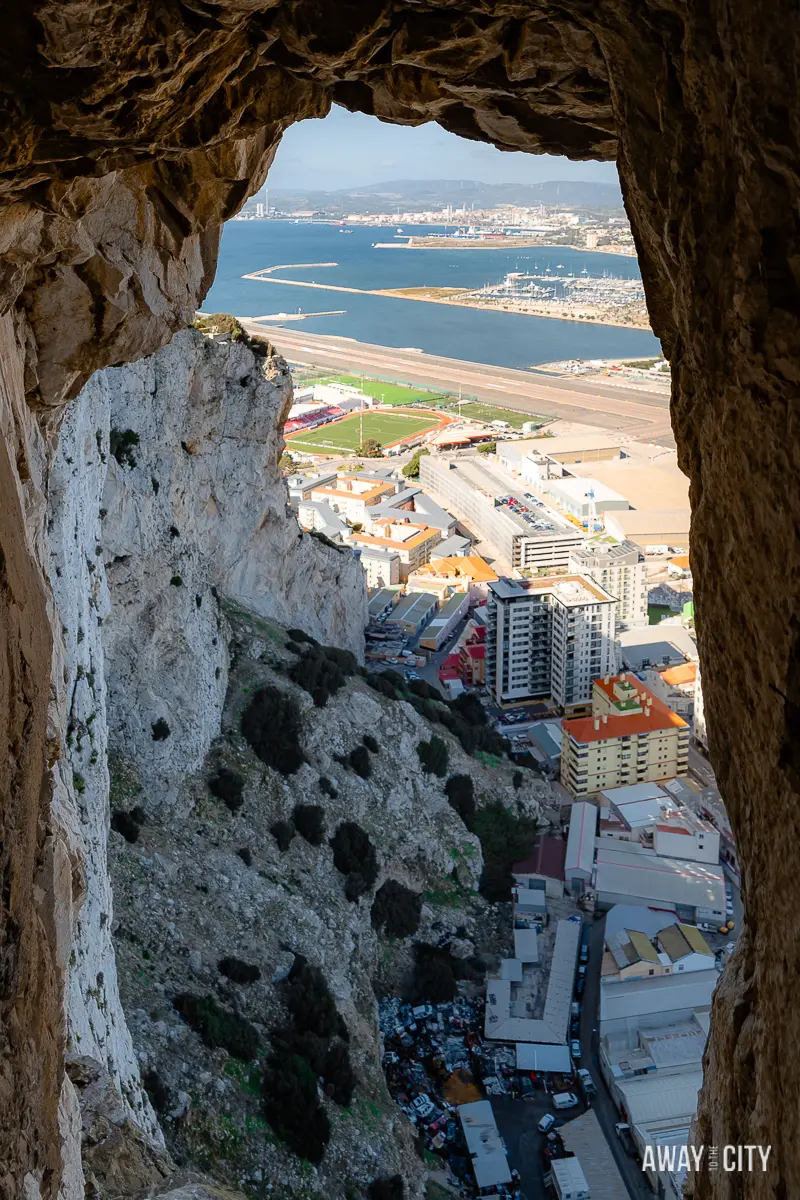
One of the best things we did in Gibraltar was the dolphin watching tour off the coast. There were dozens of dolphins swimming alongside the boat, leaping through the waves.
Want to know more about Gibraltar? Our full Gibraltar guide has everything
The famous city we’d skip: Córdoba
Córdoba appears on almost every southern Spain itinerary. We’re not sure it should.
It’s true that the Mezquita-Catedral is genuinely one of the most unique churches in Europe: a giant mosque with a Renaissance cathedral built directly inside it, like two worlds in the same space. We’ve never seen anything quite like it.
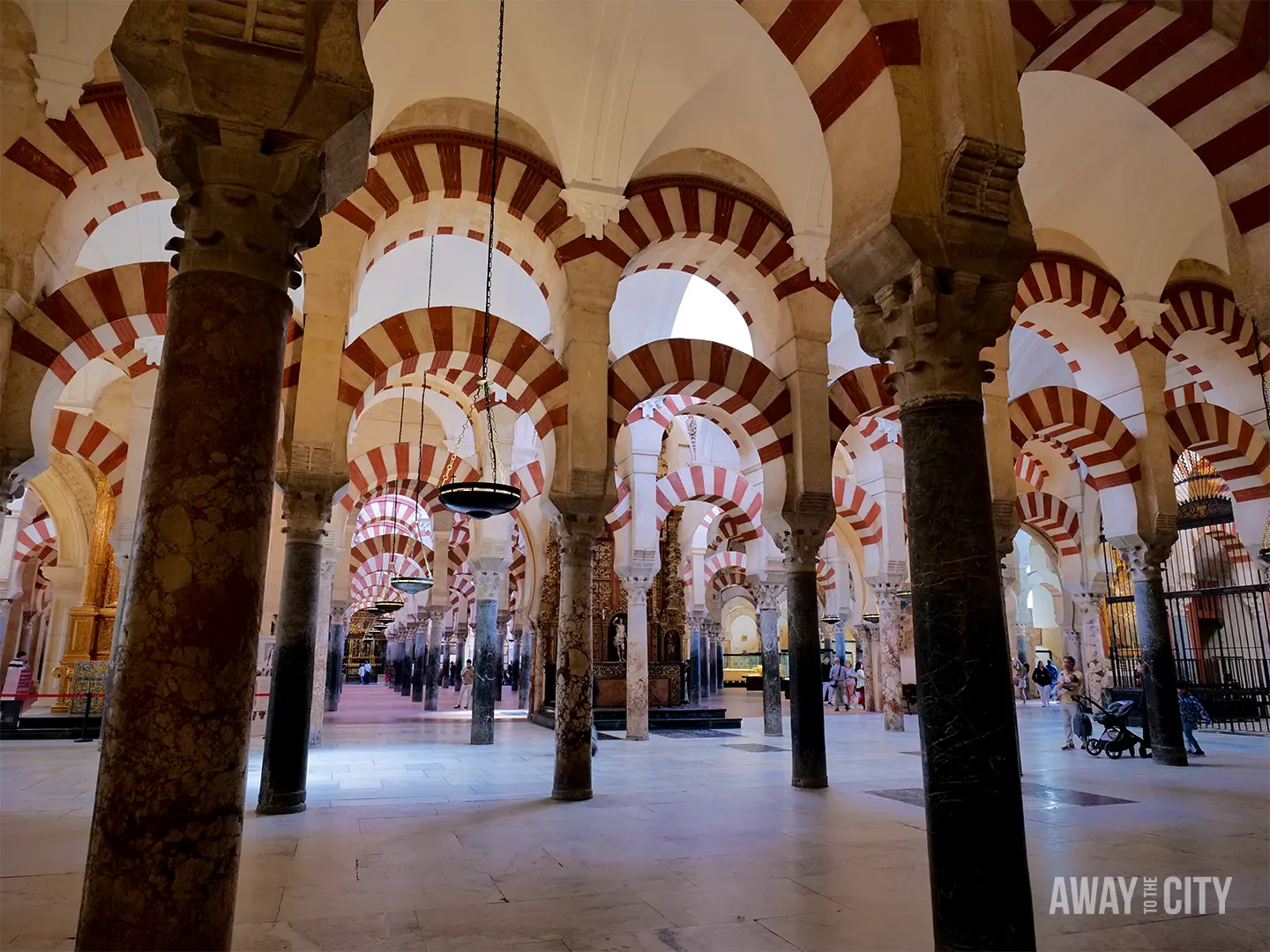
But the Mosque-Cathedral is essentially Córdoba. Once you’ve seen it, the city around it doesn’t offer much to justify a full day. The old town has a handful of pretty streets, but it’s small and you’ll find similar ones in almost every other city in Andalusia.
If you have two weeks in the south of Spain or are dead-set on seeing the mosque, you can consider adding Córdoba to your itinerary. But as a dedicated day trip? We’d spend that day somewhere else on this list.
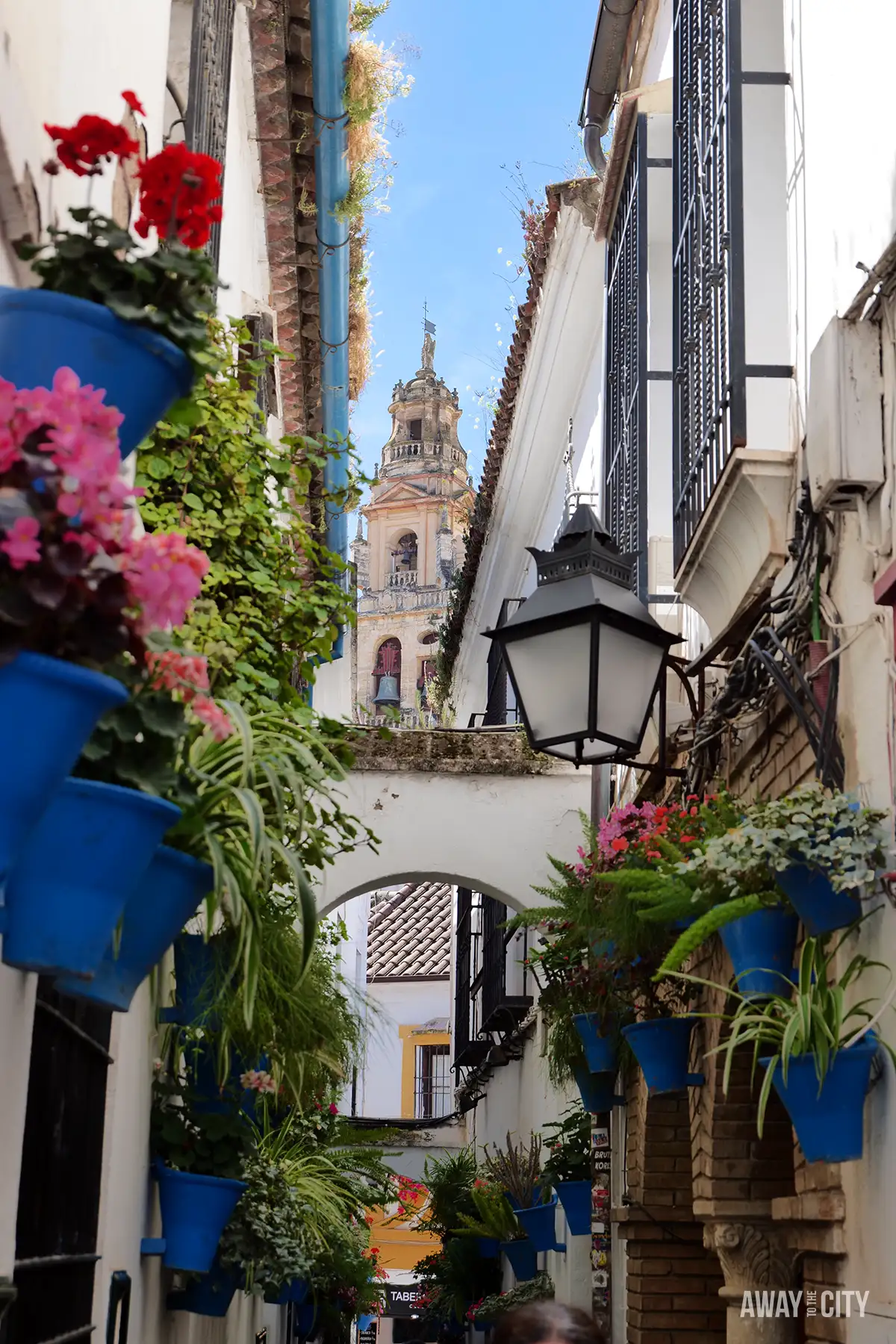
Where to base yourself in southern Spain
The best base for exploring southern Spain is Málaga. Most visitors fly into Málaga Airport anyway, and the city sits roughly in the centre of Andalusia with the region’s best transport connections. Seville, Granada, Ronda, and Gibraltar are all within easy reach by train, bus, or car.
There’s one exception: for longer trips of ten days or more, we recommend splitting your time between Málaga and Seville. This gives you the best variety and the easiest access to everything on this list.
We’ve used Málaga, Seville, and Granada as a base before. And we found Málaga to be the most convenient for a southern Spain trip, whether you’re planning a southern Spain road trip or relying on trains and buses.
Below are two hotels in Málaga that we loved and would happily return to:
- ICON Malabar (our #1 pick!) – a beautifully restored boutique hotel in Málaga’s Soho district, with colonial-inspired interiors, a stunning internal courtyard, and staff that go out of their way. It’s within walking distance of the old town, the Alcazaba, and the promenade.
- Barceló Málaga – right next to Málaga’s main railway station, making it the most practical base for day trips across the region. The rooftop pool with panoramic views over the city is one of the best spots to unwind after a day of exploring.
Is southern Spain worth visiting?
Yes, southern Spain is absolutely worth visiting! Andalusia has become one of our favourite regions in Europe. The weather is reliably warm with few rainy days, the Moorish history gives the whole region a character you won’t find anywhere else in Europe, and the architecture it left behind is extraordinary.
What we love most is how different each city feels despite being so close to each other. Seville is grand and photogenic, Málaga is coastal and dynamic, Granada is dramatic and intimate, and Ronda is built on the edge of a gorge.

You could spend ten days here and feel like you’ve visited four completely different destinations.
The geography adds another layer worth mentioning. Travelling between cities, you pass through hilly landscapes and dramatic mountain scenery, with the Sierra Nevada visible near Granada. It’s a beautiful region to move through, not just to stop in.
If you’re considering it, stop considering and definitely go.
How many days do you need in southern Spain?
Plan at least 7-10 days to cover the highlights of southern Spain. This gives you enough time for Seville, Málaga, Granada, and Ronda without rushing. If you can stretch to two weeks, you’ll have room for day trips to Gibraltar and the Caminito del Rey.
We spent 10 days on our last trip, but this wasn’t our first time visiting. Here’s how we’d break it down for a first trip to see some of the best places to visit in Andalusia:
- Seville: 2-3 days
- Málaga: 2 days (and your likely base for the trip)
- Granada: 1-2 days, or a day trip from Málaga by train or car
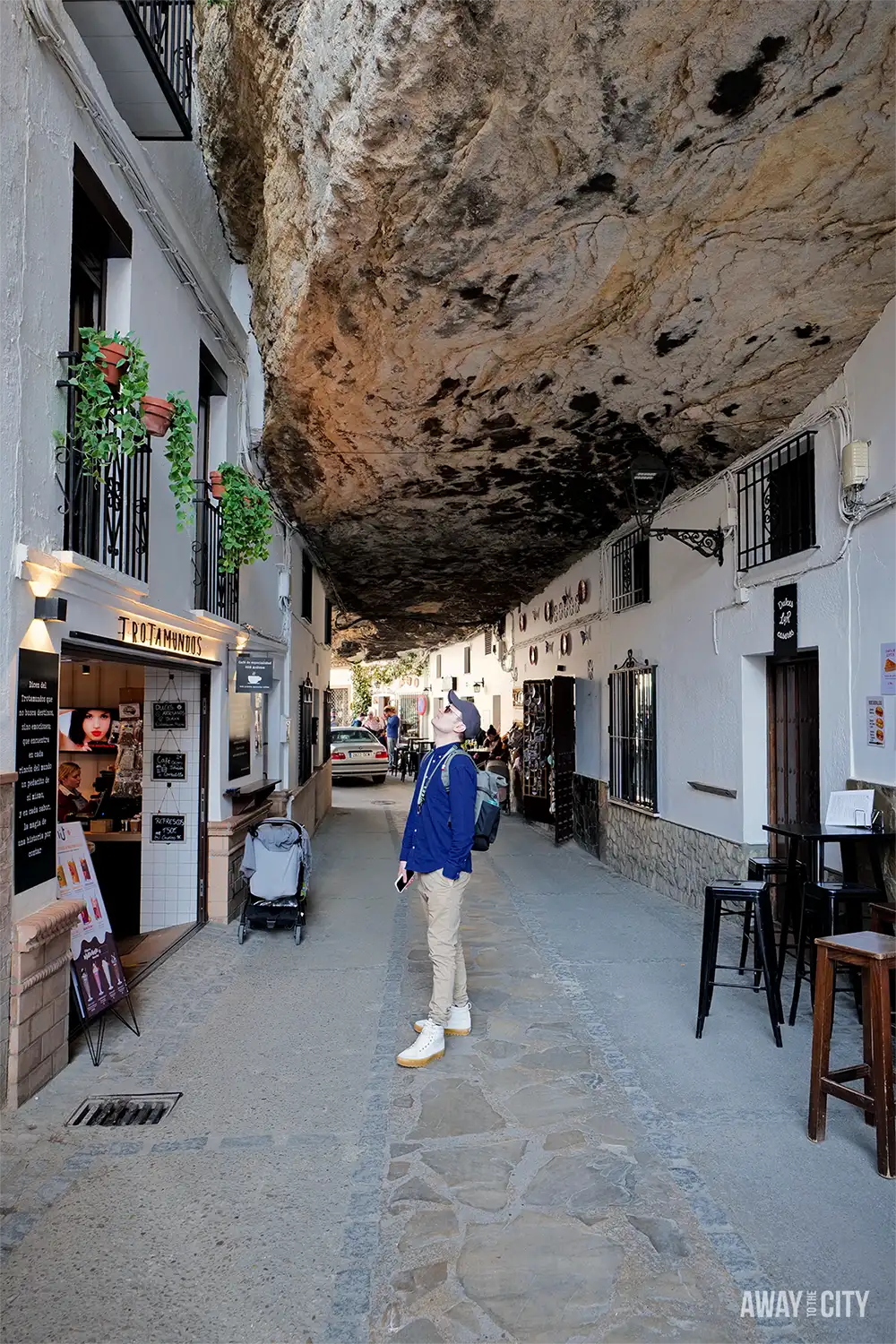
- Ronda: a day trip (we did this guided day trips to Ronda and Setenil, which we loved!)
- Gibraltar: 1-2 days (you can easily do this as a guided day trip from Málaga or Seville)
- Caminito del Rey: a day trip (our guided day trip from Málaga was well organised and so much fun – highly recommended!)
What is the best time to visit southern Spain?
Spring (March to May) and autumn (September to November) are the best times to visit southern Spain. The weather is warm but not punishing, the cities are busy without being overwhelmed, and prices are more reasonable. We’ve visited in March, October, and November, and all trips were excellent weather-wise.
Avoid June, July, and August. Inland cities like Seville and Granada can reach 40°C (104°F) and above, and the crowds peak alongside the temperatures. We really wouldn’t recommend it unless you enjoy feeling like you’re in an oven.
One thing to keep in mind: if you’re visiting in spring, Seville’s Semana Santa (Holy Week) and Feria de Abril (April Fair) are worth planning around. Both are among the most spectacular celebrations in all of Spain.
We experienced Semana Santa first-hand in Málaga in 2026 and it was unlike anything we’ve seen anywhere else… just expect bigger crowds and higher prices.
Ready to start planning your southern Spain trip?
Southern Spain exceeded every expectation we had. We went for the sun, the history, and the flamenco. We got all of that, and also cave homes in Granada, Arab baths in Ronda, and a sea breeze in Málaga that kept reminding us we were right on the Mediterranean.
If you’re planning a multi-city trip across the best cities in southern Spain, definitely base yourself in Málaga (we loved the ICON Malabar Hotel) and head out to the other cities from there.
With time for just ONE city, make it Seville! Our post on what to see in Seville covers everything worth your time there.
And if Gibraltar caught your eye, check out our dedicated post with the must-do activities in Gibraltar, including how to see the only wild monkeys left in Europe.
For a bigger Europe trip, our guide to the best cities in Europe will help you build the rest of the itinerary around it.
🇪🇸 Plan Your Spain Trip with Our Guides
📍 Spain at a Glance
📍 Barcelona
📍 Seville