Barcelona Travel Tips: 19 Things to Know Before You Go
This post may contain affiliate links, including from Amazon and other trusted partners. If you click a link and make a purchase, we may earn a small commission at no extra cost to you. That said, we only recommend products and services we genuinely use and love. Learn more in our Privacy Policy page.
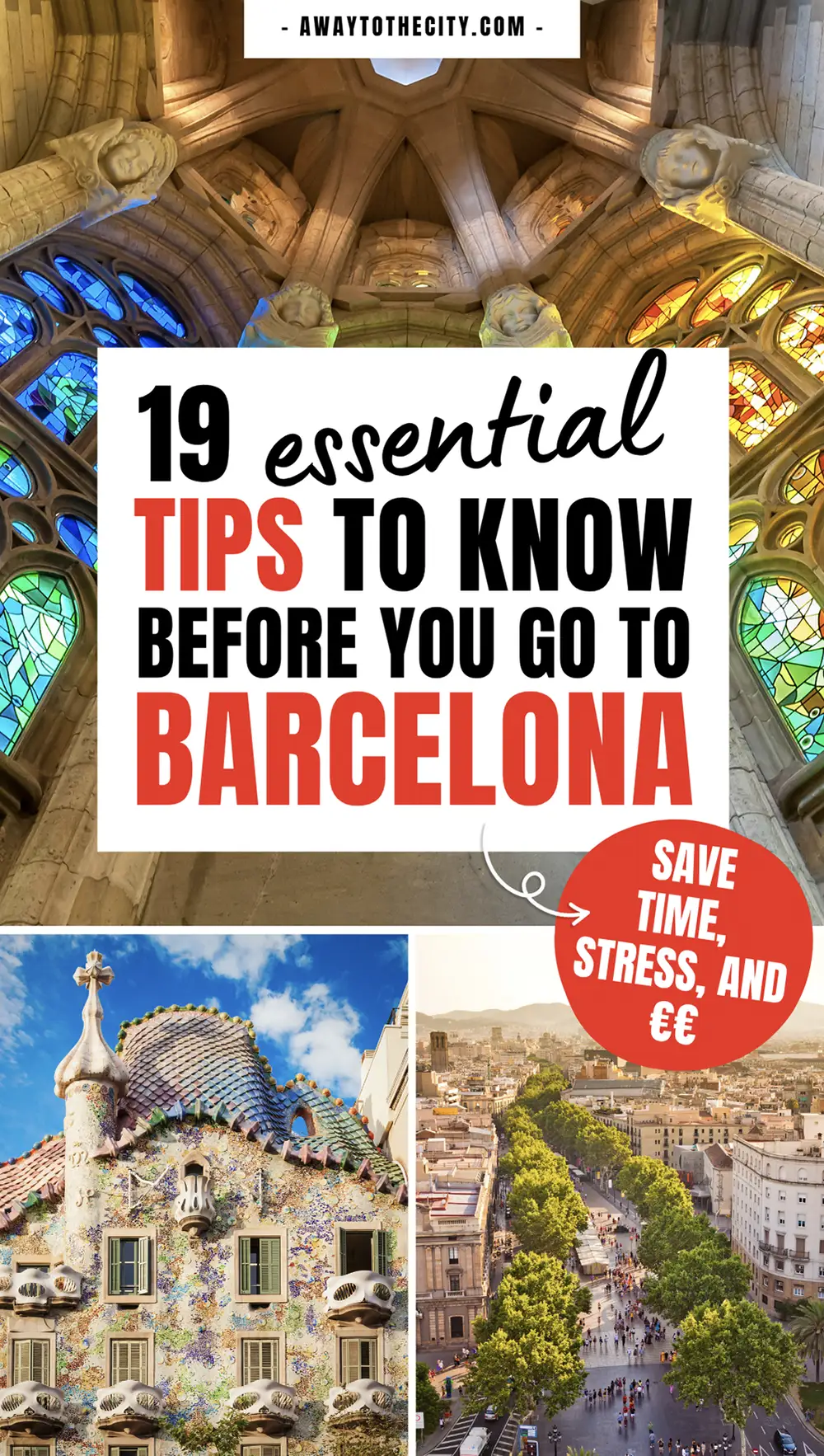

You finally made it to Barcelona… and then suddenly you’re stuck in a snaking queue outside La Sagrada Família, your dinner spot doesn’t open for two more hours, and everyone around you is clutching their bags like their lives depend on it. Yep, we’ve been there too!
Barcelona is incredible. But without a little prep, it’s hilariously easy to get overwhelmed. On our first trip, we missed out on major sights because we didn’t book ahead and paid way too much for bland paella near La Rambla. That’s why we wrote this: the Barcelona travel tips we wish we knew before going.
From what to book in advance to how to avoid tourist traps, blend in with locals, and actually relax, these 19 travel tips will help you skip the chaos and love Barcelona for all the right reasons.
Plan ahead!
Our Top Barcelona Planning Picks
Barcelona is one of Europe’s most visited cities, and a little prep goes a long way. Here are the tickets and hotels we’d sort before flying out.
 Book these before you go
- Sagrada Família entry (an absolute must; we once queued two hours without this and never again!)
- Park Güell entry (often sells out days ahead, especially on weekends)
- Casa Batlló entry (queues can be long here, go for the Gold ticket option)
 Best places to to stay in Barcelona
- Chi Hotel (our top hotel choice; modern, central, and the rooftop pool was a lifesaver after our long days exploring)
- Motel One Barcelona-Ciutadella (stylish, comfortable, and the rooftop bar over Ciutadella Park was magic at night)
 Not sure how to get around yet? We recommend the Hola Barcelona Travel Card. It’s easy to use and includes unlimited metro and bus rides (more on this card below).
1. Watch out for pickpockets
We live in London, so we’re no strangers to pickpockets. A few of our friends have had their phones snatched right off the street, so we know how quickly it can happen.
Not paying attention to your surroundings is one of the biggest mistakes we see London tourists make – and that’s the same for Barcelona, where petty theft is a well-known issue.
While violent crime is rare, pickpocketing is widespread in Barcelona, especially in the area around La Rambla, the metro, the Aerobus, Barceloneta Beach, and near sights like Park Güell and La Sagrada Familia.
Thieves in Barcelona often work in pairs or small groups and blend in easily, and they might even look like fellow travellers.

We heard it firsthand during a walking tour: a couple in our group had their phone stolen the day before, right in front of the Sagrada Família. It happened in a flash while they were checking directions.
That said, it’s good to keep things in perspective. According to The Economist’s Safe Cities Index, Barcelona ranks #11 globally for overall safety, ahead of both London and New York City.
You don’t need to feel anxious about a trip to Barcelona, but staying aware makes all the difference. Here’s what helps:
Once you know what to look out for, you can relax and enjoy everything Barcelona does best, from sunny terrace lunches to the street performers along La Rambla.
2. Book top attractions & experiences before you travel
On our first trip to Barcelona, we queued for nearly two hours outside La Sagrada Família, only to reach the front and find tickets had sold out for the day. And let’s just say… that wasn’t the only attraction we missed.
With 16.0 million tourists in 2025, Barcelona ranks among Europe’s most visited cities, and tickets for major sights often sell out weeks ahead. Missing out simply isn’t worth it!
We learned our lesson: a little pre-planning makes a big difference. You can easily reserve tickets online in advance for Barcelona’s busiest sights – it’ll save you hours (and disappointments). Plus, you’ll breeze past the queues and walk straight in.
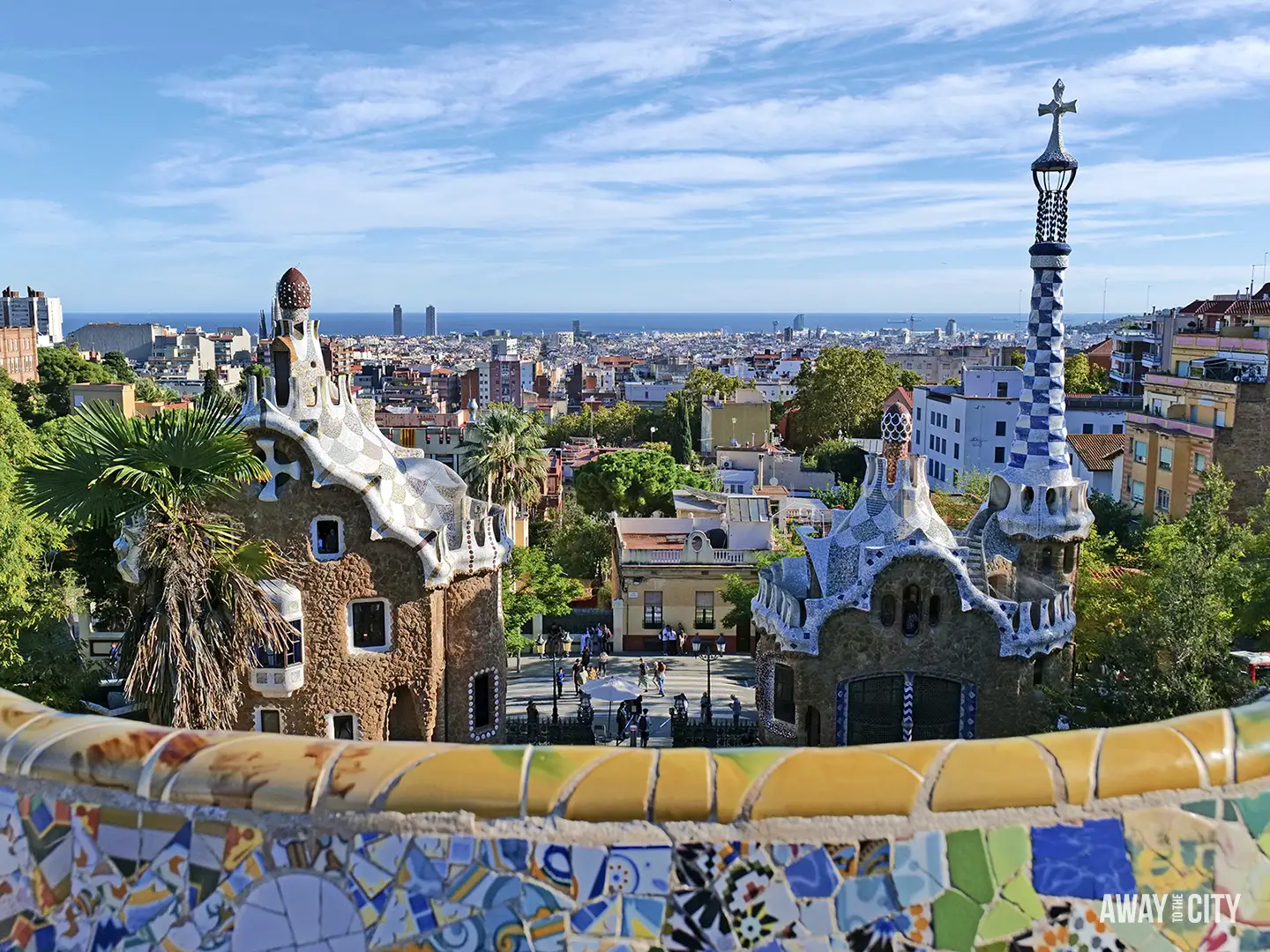

Popular tickets and experiences we recommend booking in advance:
3. Skip the tourist trap restaurants (especially on La Rambla)
It’s easy to see why visitors end up eating on La Rambla. The tables look inviting, the menus are colourful, and the hosts are persuasive.
But for locals, the La Rambla stretch is known for overpriced food and frozen paella that tastes of nothing. You’ll enjoy Barcelona’s dining scene much more if you skip the obvious spots.
A simple rule helps: if a restaurant has a menu in six languages and photos of every dish, it’s probably aimed at tourists. The same goes for places right next to major sights, like La Sagrada Família or Park Güell.

For food that actually feels like Barcelona (and doesn’t cost a fortune), walk a few blocks away. Look for small places filled with Spanish or Catalan speakers or check recent Google Maps reviews.
Neighbourhoods like El Born, Poble Sec, and Gràcia are full of local bars and restaurants where the seafood is fresh, the atmosphere relaxed, and the prices fair.
Some of our favourite meals in Barcelona have been at Casa Maians (try the black rice with red prawns), Al Kostat (their Caesar croquettes are a must), and Paco Meralgo (a modern spot known for excellent tapas).

Our top tip: If you’d rather explore the food scene with a local, join this top-rated food walking tour. You’ll visit hidden bars, try Catalan tapas and wine, and discover where locals actually eat. It’s perfect if you want a real taste of the city without worrying about picking the wrong place.
One trick locals use is the menú del día. It's a set lunch offered by most restaurants on weekdays, usually two or three courses with a drink included.
It's typically €15–20 (about £13–17 or US$16–22) and almost always better value than anything on a tourist menu. If you want to eat well without spending much, lunch is the meal to prioritise.
It’s also important to note that dinner slots at popular places often book up, especially from Thursday to Sunday. If you have your heart set on a specific spot, be sure to reserve it in advance.
4. Eat dinner later to match local dining times
Dinner happens late in Barcelona. Most locals don’t sit down until about 9pm or 10pm, and many restaurants won’t even open before 8pm. That’s not just a Barcelona thing either; late dining is the norm across much of Spain.
If you’re used to eating earlier, it’s worth planning for. Grab a late afternoon snack (merienda) to keep you going.
On our first visit, we wandered around at 7pm thinking we’d missed the dinner rush… only to realise we were about two hours early. These days, we’ve fully embraced the slower rhythm and honestly prefer it.

Meals here are social and never rushed. People take their time, often sitting for hours chatting over food.
It’s part of a tradition called sobremesa, where no one’s in a hurry to leave the table. Service can feel a bit slow if you’re not expecting it, but it’s totally normal. When you’re ready to head off, just ask for the bill: la cuenta, por favour.
Once you get into the flow, eating later starts to feel completely natural. There’s something lovely about tucking into tapas at 10pm while the streets are still buzzing and warm from the day.
5. Don’t stress about cash (just bring a backup note)
Sometimes we forget that not every city is like London, where we haven’t used cash in more than five years.
A recent study on cash use habits showed that 65% of Spaniards still use cash daily, especially in smaller towns. But if you’re visiting Barcelona, you can easily get by paying almost entirely by card.
Barcelona’s one of those cities where you can tap your way through the day without thinking twice. Visa, Mastercard and contactless options like Apple Pay or Google Pay are accepted pretty much everywhere.

We carried €20 as backup on our last trip and didn’t touch our wallet once. There were a couple of moments where we thought we might need it (like at a tiny café or when a card machine took a while to load) but it always worked out.
That said, it’s still handy to keep a few coins for things like public toilets, small tips or market stalls, so having €20–€40 in small notes just in case is never a bad idea.
Our top tip: If you need to withdraw money, avoid the blue-and-yellow Euronet machines, as they tend to charge high fees. Stick to ATMs from major Spanish banks, such as CaixaBank, BBVA, or Santander. And always opt to be charged in Euros rather than your home currency.
Here’s a quick overview of when you’ll need cash vs when a card will do in Barcelona:
Scroll right to see the entire table >>
|
Paying for… |
💳 Card |
💶 Cash |
|---|---|---|
|
Restaurants |
Usually, yes |
Yes |
|
Convenience stores |
Yes |
Yes |
|
Coffee shops |
Yes |
Yes, often preferred for small orders |
|
Public transport |
Not directly (use a reloadable T-casual card or Hola Barcelona Travel Card) |
Yes |
|
Taxis |
Usually, but check with the driver first |
Yes |
6. Use the metro to get around the city
Barcelona is made for walking! Neighbourhoods like El Born, Barri Gòtic and Barceloneta are full of hidden squares, street art and cafés that are best explored on foot.
But if you’re not staying right in the centre (or you want to visit places like Tibidabo or Montjuïc), the metro is the easiest way to get around.

It’s fast, clean, and connects nearly every part of the city. Trains run every 2–5 minutes, so you’re never waiting long.
There are two main ticket options:
Scroll right to see the entire table >>
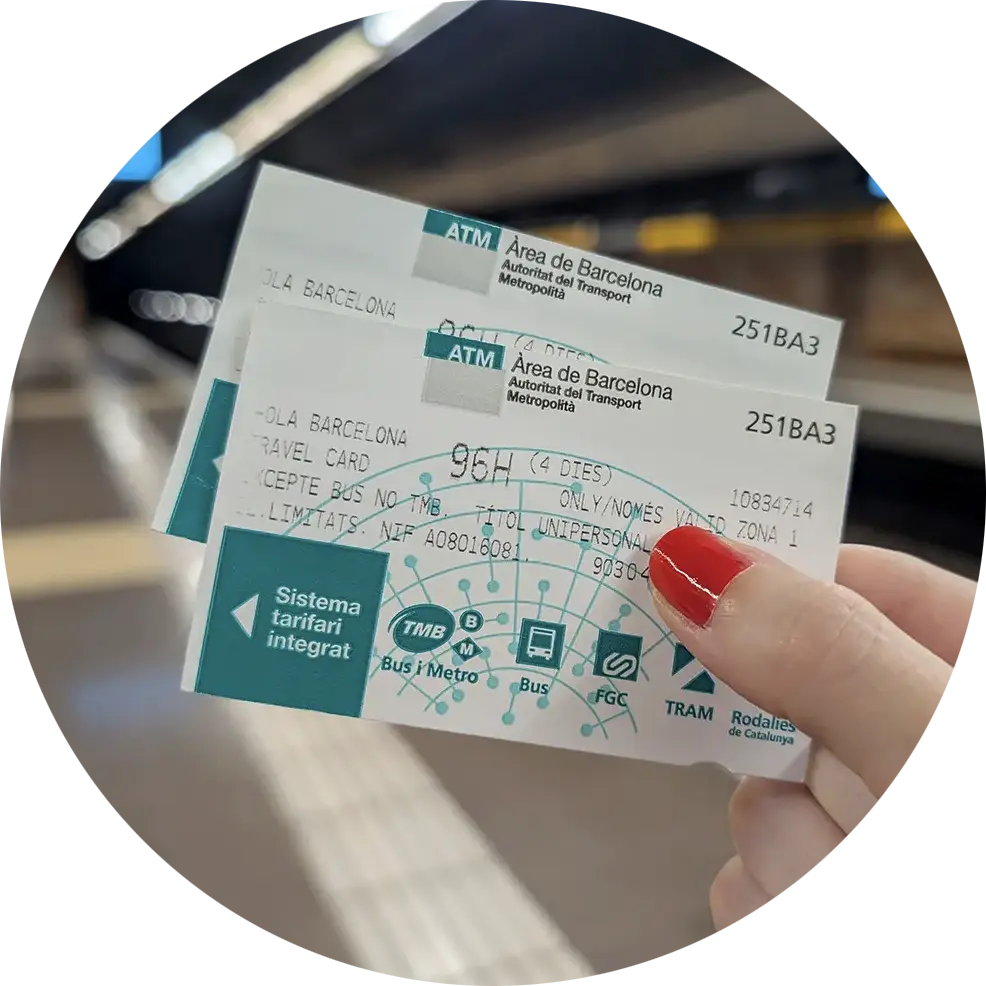 Hola Barcelona Travel Card |
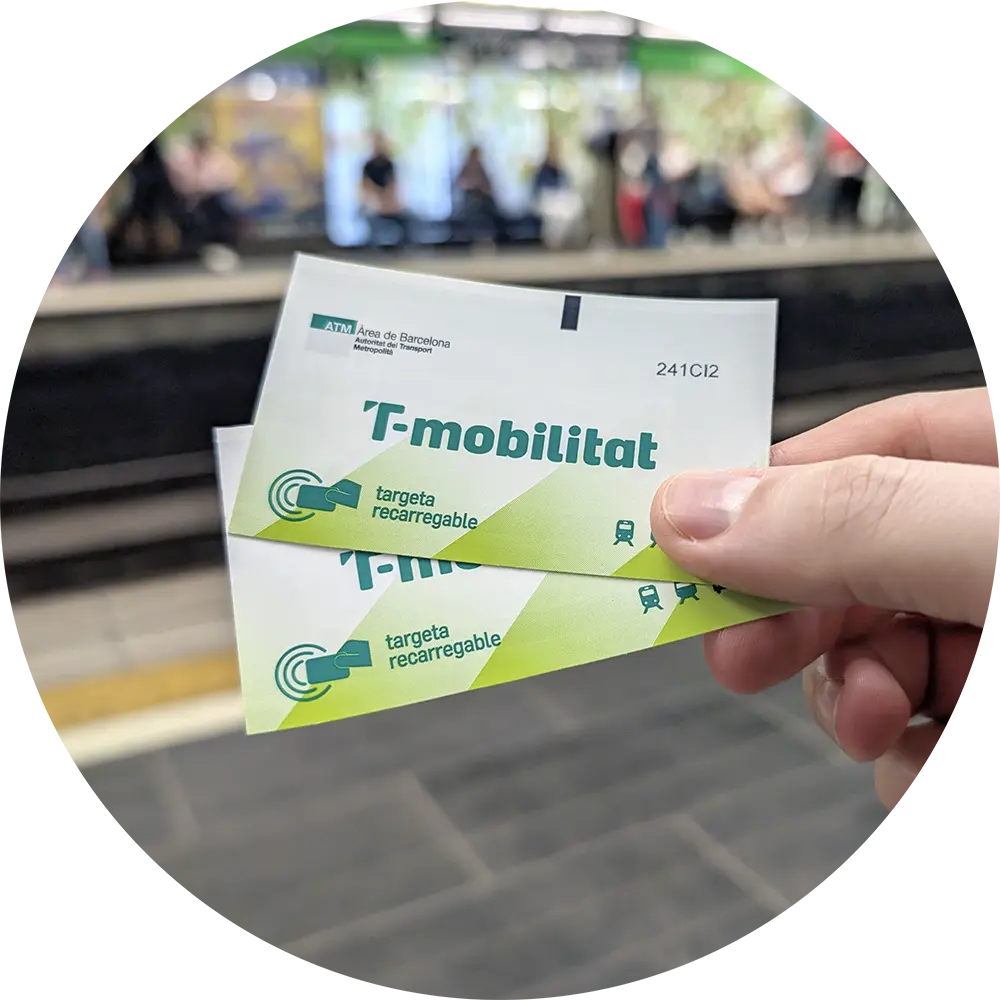 T-casual Card |
|
|---|---|---|
|
Best for |
Using public transport several times a day |
Light travellers (1–2 rides per day) |
|
Type |
Unlimited rides for 2–5 consecutive days |
10 rides within Zone 1 |
|
Includes |
Metro, buses, trams, local trains, airport metro, Montjuïc funicular |
Metro, buses, trams (Zone 1 only) |
|
Sharing |
One card per person |
One card per person (not shareable) |
|
Buy from |
Ticket machines or online |
Ticket machines at any metro or tram stop |
On one of our trips, we stayed in the El Poblenou area, so we always took the metro to get into the city. The Hola Barcelona card ended up being a better value. On another trip, we stayed more centrally and walked almost everywhere, so the T-casual card worked best.
It really depends on where you're staying and how much you’ll be moving around.
Our top tip: There are also taxis and ride-hailing apps like Uber (yes, they’re back in Spain), but they cost far more than the metro. Stick to walking and public transport. It’s cheaper, greener, and you’ll see more along the way.
7. Don’t expect flamenco and bullfights – that’s not Catalonia
We’ve got a few friends from Barcelona who’ll tell you right away: they’re Catalan first, not Spanish. And honestly, that sums up how many people here feel.
Catalonia has its own language, culture, and strong sense of identity… very different from other parts of Spain!
You’ll see Catalan flags hanging from balconies all over the city. They’re a quiet but clear reminder of just how important local pride is in Barcelona.
A 2024 survey by the Catalan government found that over 40% of people in the region feel primarily or equally Catalan.
It’s something you feel as soon as you arrive. We once overheard a tourist ask a waiter about flamenco shows, and he gave a kind smile before replying, “You’re thinking of Andalusia. That’s not really our thing here”. And he was right.
We’ve seen flamenco and passed bullrings in Seville, but in Barcelona, it’s a different story.

Bullfighting is banned in Barcelona, and the culture leans more modern, creative, and proudly distinct. Sure, you’ll see the odd flamenco show advertised in English, but it’s mostly put on for tourists.
Instead, you’ll come across Catalan traditions like castellers (human towers), Sant Jordi’s Day (where people exchange books and roses), and menus written in Catalan rather than Spanish.
It’s all part of what makes the city feel different – and knowing that helps you travel more respectfully.
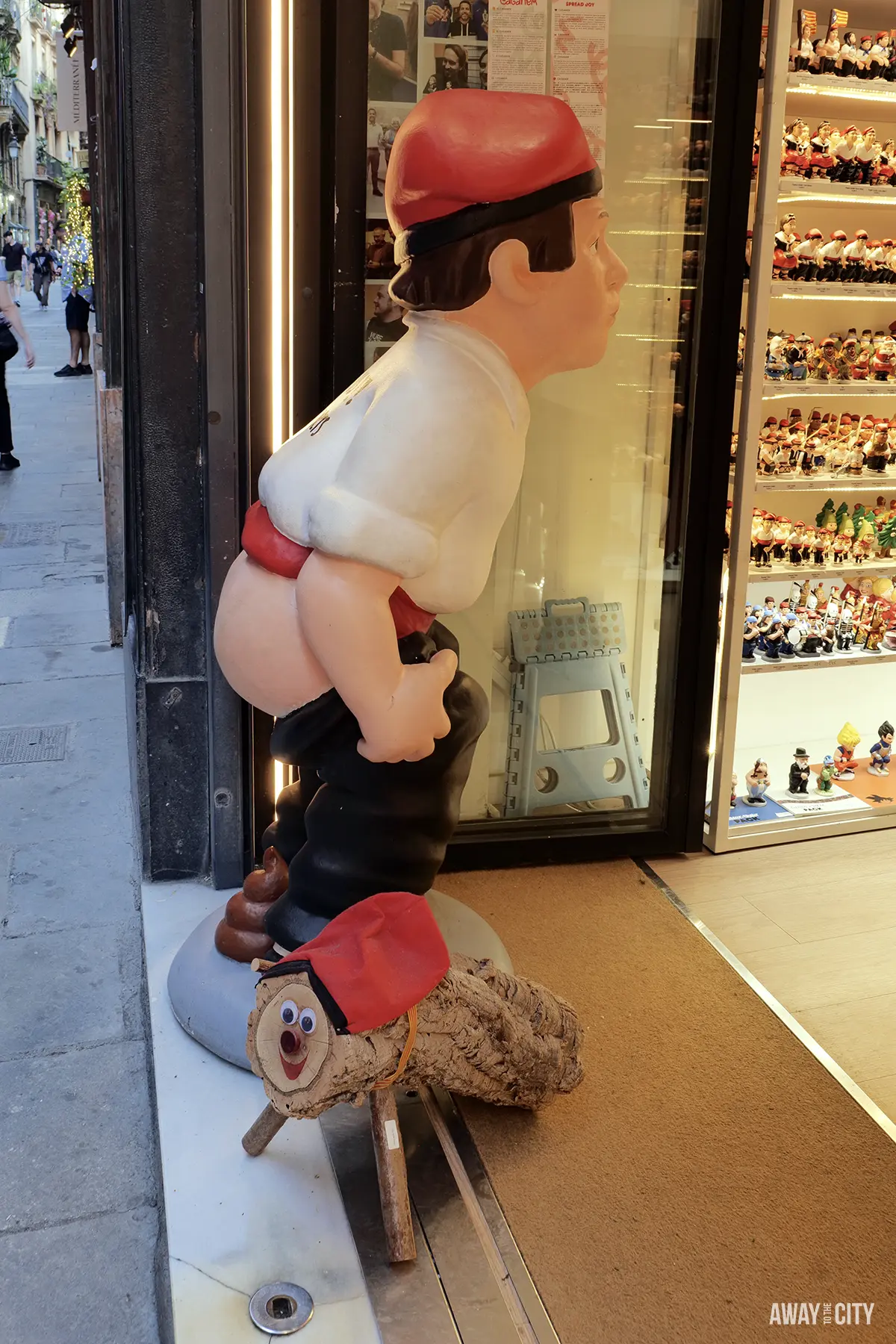
You don’t need to get into politics, but being aware of the local culture shows you’ve taken the time to understand where you are. It’s one of those small things that can lead to great conversations and a deeper connection to the place.
8. Visit major sights early
Barcelona’s top sights are incredible, but they get busy fast. The Sagrada Família, Park Güell, and Casa Batlló all start filling up 1-2 hours after opening, especially in spring and summer.
Arriving early is the simplest way to see them without the crush of tour groups.

We’re not natural early risers, but in Barcelona, mornings are worth it. The streets are quieter, the light’s better for photos, and you get a different feel for the city.
On our last visit, we reached Park Güell just after opening and had the mosaic terrace nearly to ourselves. By the time we left, it was shoulder-to-shoulder with tour groups.
If you can, plan to visit your main attraction first thing, then stop for brunch after. You’ll skip the queues, get better photos, and still have most of the day left to explore at your own pace.
Our top tip: While we recommend going early for most sights, there is one exception: Sagrada Família. It’s worth timing your visit around the light, especially if you’re into photography. You’ll find fewer crowds in the morning, but better lighting in the afternoon. Morning sun lights up the blue and green windows, while late afternoon brings out the reds, oranges and yellows. You can find more tips in our Sagrada Família guide.

9. Beat the crowds by visiting outside May-October
When it comes to things to know before going to Barcelona, timing is one that most people overlook.
Barcelona is one of Europe’s most visited cities, and we’ve seen firsthand how different it feels depending on when you go. If you visit in peak peak season (June to August), expect heavy crowds, higher prices and sweltering afternoons.
We once went in October, thinking we’d avoided the rush… we hadn’t! The odds were clearly not in our favour, as the streets were packed.
That’s when we asked for the official numbers from the Barcelona Tourism Observatory… and yep, October is actually one of the busiest months of the year (see our chart below).

If you’d rather avoid the crowds, go between November and March.
We visited in March once and loved it. The skies were clear, temperatures sat around 20-22°C (68-72°F), and we barely queued for anything. The city still felt lively, just a lot more local and relaxed.
10. Drink the tap water (it’s safe!)
According to the Barcelona Public Health Agency, tap water in the city is safe to drink and meets strict European standards, often stricter than bottled water. The taste, though, might catch you off guard at first.
Most of Barcelona’s tap water comes from the Llobregat River, which has higher levels of calcium and magnesium. That means it’s a bit hard and can have a slightly chalky or metallic flavour.

You might also notice a faint smell from the chlorine used during treatment. It’s totally normal, but a bit different if you’re not used to it.
We’d say give it a try before you start buying bottled water. We’re used to hard water in London, so we’ve never had a problem with it.
We always bring a refillable bottle and top up at the public fountains dotted around the city. It’s easy, sustainable, and saves a few euros.

Our top tip: Unlike in the UK, the US, or the Nordic countries, Spanish restaurants usually don’t serve free tap water. If you ask for water, they’ll usually bring bottled water and pop it on your bill.
11. Don’t overpack your Barcelona itinerary
We’ve been to Barcelona three times now, and honestly, it’s one of those cities where you’ll never see everything. There’s just too much to take in, so be prepared that you won’t be able to pack it all into one trip.
On our first visit, we tried to squeeze way too much into our Barcelona itinerary. By the end of the day, it felt like we’d spent more time rushing between places (and waiting in queues) than actually seeing them.
It’s tempting to plan every hour, but Barcelona isn’t a city that rewards speed.

You’ll enjoy it far more if you pick two or three things a day and leave space to wander, linger over lunch, or simply get lost in the backstreets.
A relaxed day might look like this: a morning at La Sagrada Família, a slow afternoon exploring El Born or Barceloneta Beach, and an evening of tapas and sangria at a local bar.
We speak from experience when we say this is much more enjoyable than racing through five attractions before sunset.
If you’re unsure what to prioritise, our guide to Barcelona’s must-see attractions and experiences highlights what’s genuinely worth your time… and what you can safely skip!
12. Skip free museum days
Free museum days sound like a great idea. But with the popularity of spots like the Picasso Museum, you’ll often find yourself stuck in a queue that barely moves.
Over 15 museums in Barcelona offer free entry on certain days or times. But in reality, it’s rarely worth the wait.
We made the mistake on our first trip to Warsaw: we turned up on a free entry day, and the place was so packed we could barely see the exhibits. We went back the next day, paid a small fee and had the place nearly to ourselves. Barcelona was no different.

Crowds on free museum days often wrap around the block, especially at the Picasso Museum and the National Art Museum of Catalonia (MNAC).
If you value your time and want space to actually enjoy the art, you’re better off visiting on a regular day.
Our top tip: Check free entry times in advance so you can plan around them. It’s usually just a few Euros to get in, and worth it for a quieter, better experience.
13. Explore beyond the main tourist trail
It’s easy to spend your whole trip ticking off Barcelona’s most popular attractions, like the Sagrada Família, Park Güell or Casa Batlló.
But some of the best parts of Barcelona are found outside the main tourist spots and barely make it into the usual travel guides:
Parc del Laberint d’Horta is a quiet maze garden near the city’s edge that hardly sees tour groups.
Casa Vicens, one of Gaudí’s earliest buildings, is colourful and fascinating but still surprisingly under-visited (a proper hidden gem if you’re into architecture).

And the Sant Antoni neighbourhood is ideal for slow mornings, local markets, and cafés where you’ll mostly hear Catalan.
We once headed to Sant Antoni for a quick brunch and ended up staying most of the afternoon. We browsed the market, picked up a few things for a picnic, and had a long lunch at a local bar without a tourist menu in sight.
It reminded us how nice it is to slow down and just explore a neighbourhood.
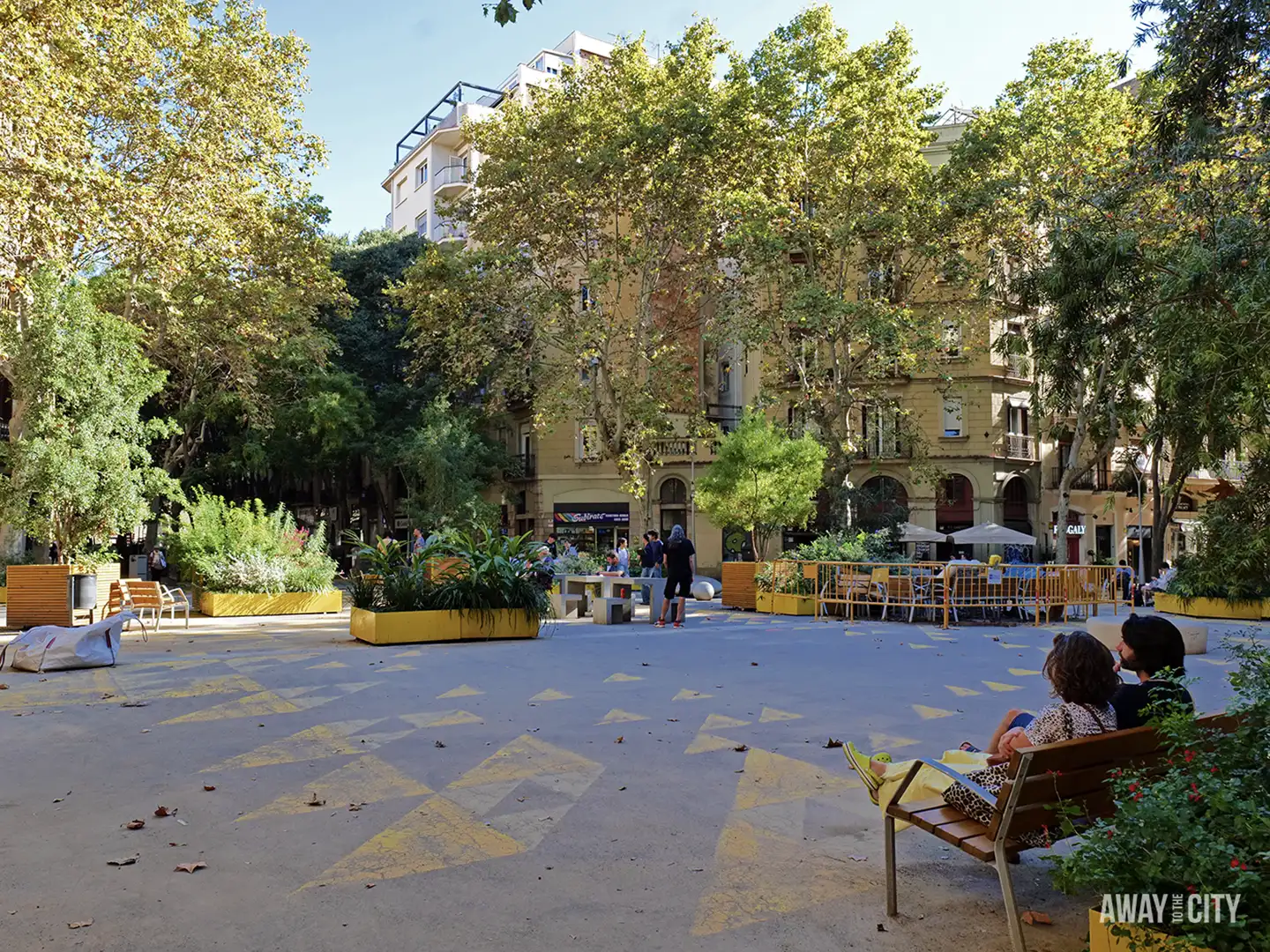
These places give you a more balanced view of the city and help avoid the worst of the crowds.
14. Wear comfortable shoes
Barcelona is a walking city, and your shoes will make or break your trip.
Between the cobbled, narrow streets of the Gothic Quarter, the wide boulevards of Passeig de Gràcia and the hills around Park Güell and Montjuïc, you'll be on your feet a lot.

On our last visit, we averaged 25,000 steps a day and were so glad we'd packed proper trainers. Even locals stick to comfy shoes unless they’re dressing up for the evening. The streets may look stylish, but they’re not made for heels.
Pack the shoes you trust for all-day wandering. Your feet will thank you when you’re still going strong at sunset instead of hunting for plasters.
15. Be a thoughtful guest in an overtouristed city
Barcelona’s one of those cities that everyone wants to visit, and for good reason.
But with around ten tourists for every local each year, it’s also a city under pressure. Like Venice, Amsterdam, and Dubrovnik, it’s dealing with the real impact of overtourism.
In June 2025, locals took to the streets to protest the effects of mass tourism, from sky-high rents to overcrowded neighbourhoods. The message wasn’t “don’t come”, but rather “come thoughtfully”.
We felt it ourselves. When we had drinks in the Gothic Quarter once, we were shocked at how loud the streets got at night. It made us realise how disruptive even well-meaning tourists can be, especially in areas where people are just trying to get some sleep.

One of the biggest steps Barcelona is taking is to phase out short-term holiday rentals (like Airbnb and VRBO apartments) by 2028.
Spain's top court upheld the decision earlier this year, and protests about housing costs have continued well into 2026.
Choosing a hotel over a short-term rental might not feel as ‘local’, but it helps preserve real neighbourhoods. You’ll still find plenty of charm in family-run guesthouses and smaller hotels.
Other easy ways to travel more respectfully? Eat at independent or family-run restaurants, shop at local markets and boutiques, and keep noise down in residential areas.
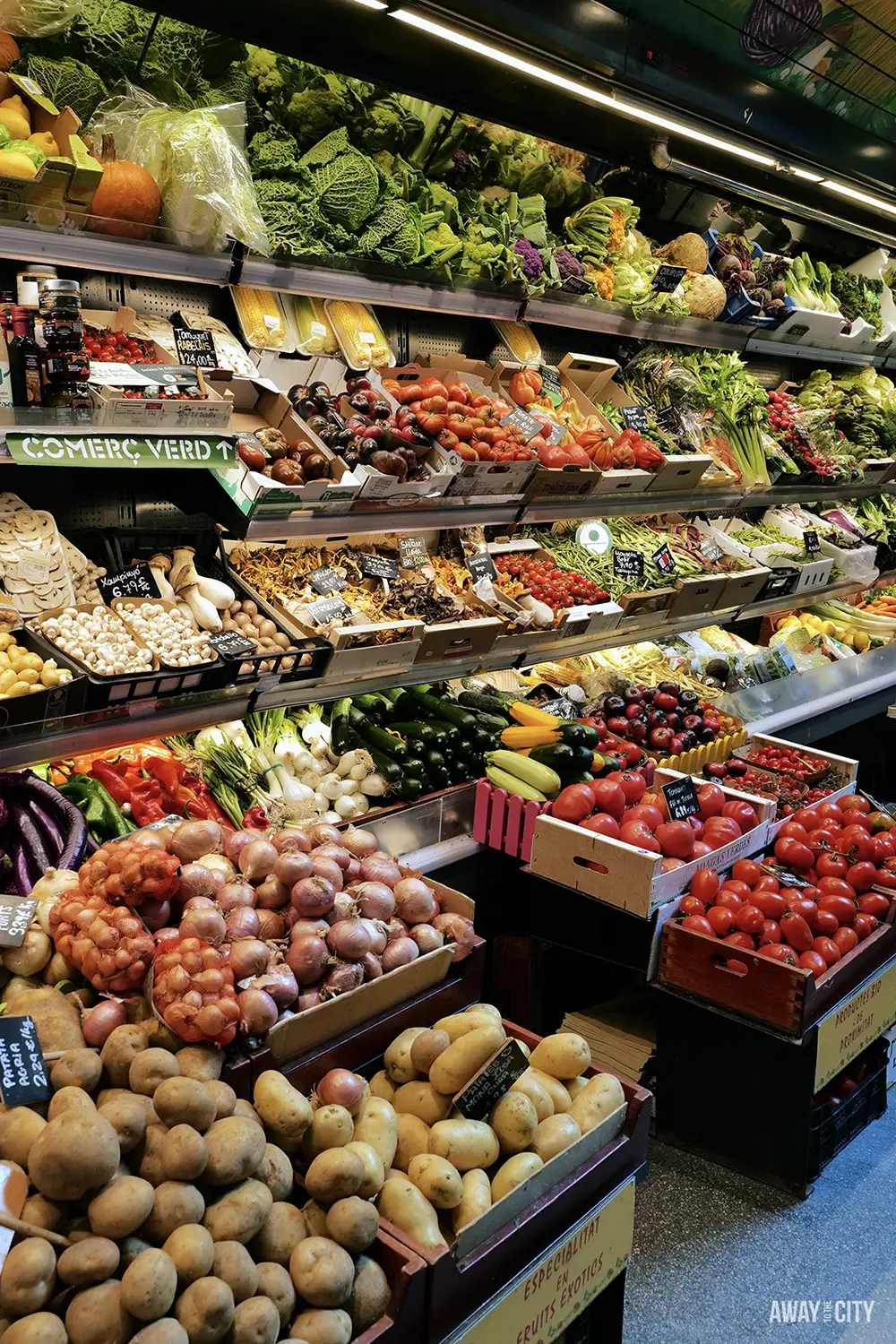
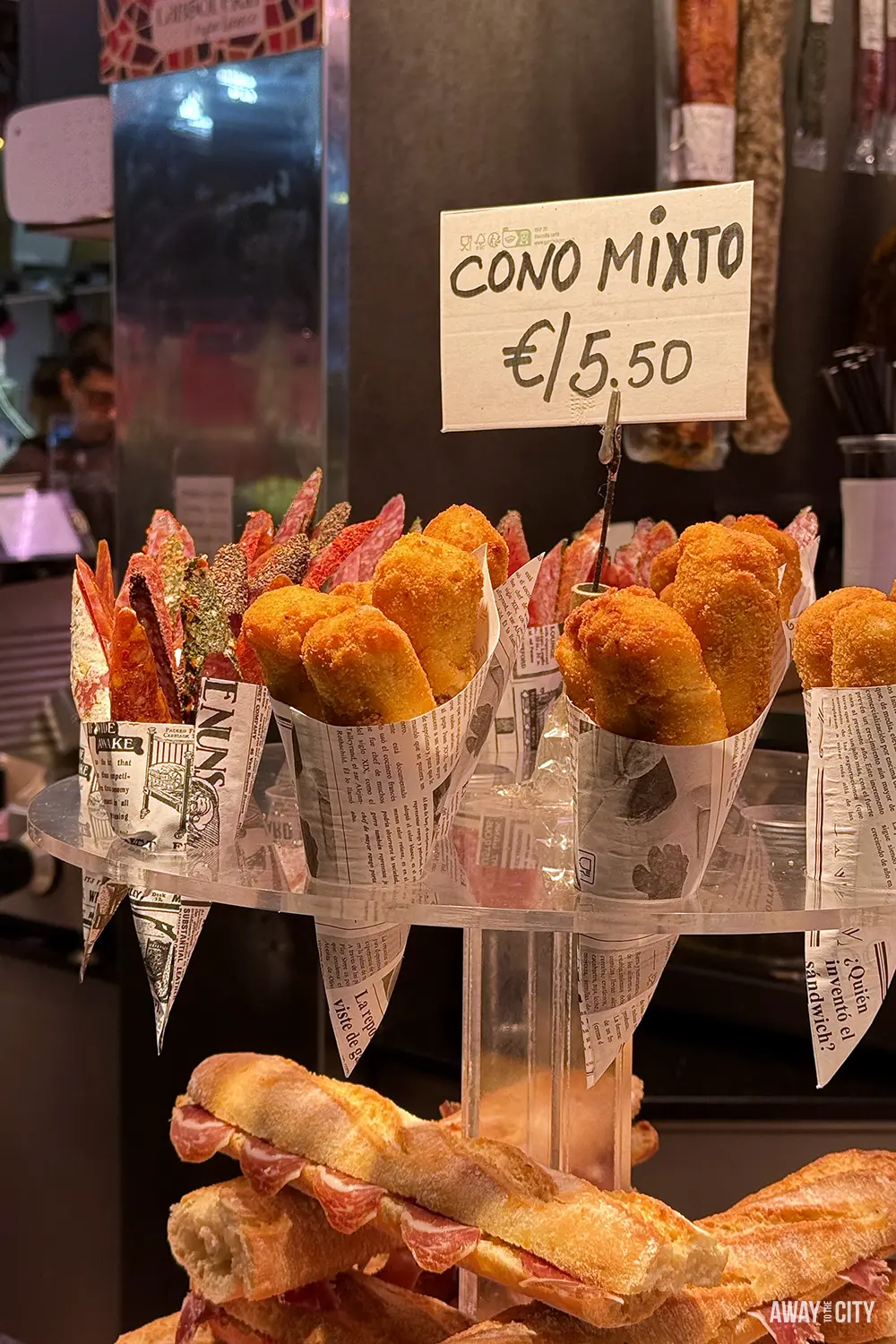
Barcelona also fines public drinking and littering, especially near beaches and in the old town.
For anyone wondering how to avoid contributing to overtourism in Barcelona, the best thing you can do is support businesses that give back to the local community. It’s better for the city, and often leads to a more meaningful travel experience.
16. Learn a few words of Catalan
Catalan is the local language in Barcelona and across the wider region of Catalonia.
Spanish (Castellano) is also widely spoken, and you’ll hear both used day to day. English is common in tourist areas, but less so in neighbourhood cafés or markets.
We don’t speak Spanish or Catalan ourselves, but we’ve found that even trying a few words of Catalan goes a long way. Simple things like:
Also, Catalan isn’t a dialect of Spanish but a separate language with its own roots and identity. Using it, even a little, is a simple way to connect with the culture and show respect for the place you’re visiting.
17. Dress smart-casual, not touristy
One question we get a lot is, “How do I dress in Barcelona without looking like a tourist?”. The short answer: Barcelona is casual but stylish.
Locals dress neatly, even when it’s hot, and you’ll rarely see anyone walking around the city in beachwear.
In summer, temperatures often climb above 30°C (86°F), so stick to lightweight fabrics like cotton or linen and wear proper shoes. Flip-flops and heels don’t mix well with cobblestones.
Spring and autumn are perfect for layers, and even in winter, you’ll usually only need a light jacket or jumper.

Oh, and if you’re visiting La Sagrada Família, remember it’s an active Catholic church. There’s a modest dress code, so avoid sleeveless tops, swimwear, see-through fabrics, or anything shorter than mid-thigh.
18. Don’t overtip
A friend from Barcelona once told us that tipping isn’t a big thing here, and she was right!
Locals usually just round up the bill or leave a euro or two for good service. In restaurants, 5-10% is more than enough, and there’s no need to tip for counter service, drinks at a bar or a quick coffee.

Most restaurants already include service in the bill, and staff are paid proper wages, so tips are seen as a small thank you, not an expectation. The same goes for taxis: just round up to the nearest euro.
Save your bigger tips for truly standout service. A few euros go a long way, and locals will appreciate that you’re following their customs.
19. Prepare for Sunday shop closures
If you’re used to cities where shops open seven days a week, Barcelona might catch you off guard. Most stores, including big supermarkets, are closed on Sundays and public holidays.
Smaller souvenir stalls and convenience shops might stay open in tourist areas, but local bakeries, fashion shops and supermarkets shut for the day.
We were both born in Germany, so we’re used to this. But now that we live in London, where shops are open daily, we notice the difference even more when we travel.
Our top tip: If you’re visiting over a weekend, do your food shop on Saturday or stock up at a bigger grocery store like Carrefour or Mercadona before Sunday. If you’re caught out, small alimentación shops in neighbourhoods like the Gothic Quarter or Eixample often open for a few hours.
Public holidays work the same way, so check dates in advance, especially around Easter or during local festivals like La Mercè.
Make the Most of Your Barcelona Trip: Next Steps
Some cities are easy to wing: you just book your flight and hotel, you arrive, and then you can be totally flexible with your exploration. Barcelona’s not really one of them.
We learnt that the hard way on our first trip, when we missed out on sights and ate some very forgettable paella. A bit of planning here genuinely makes a huge difference.
If you’ve made it this far, you’re already ahead of most visitors and way more likely to dodge the usual mishaps.
Barcelona’s a whole lot better when a few things are sorted in advance. The rest? Leave room for the good surprises.
🇪🇸 Plan your Spain trip with our guides
📍 Spain at a glance
📍 Barcelona
📍 Seville