This post may contain affiliate links, including from Amazon and other trusted partners. If you click a link and make a purchase, we may earn a small commission at no extra cost to you. See our Privacy Policy for more information.
La Sagrada Família Tips: What to Know Before You Go (2026)

See our posts more often
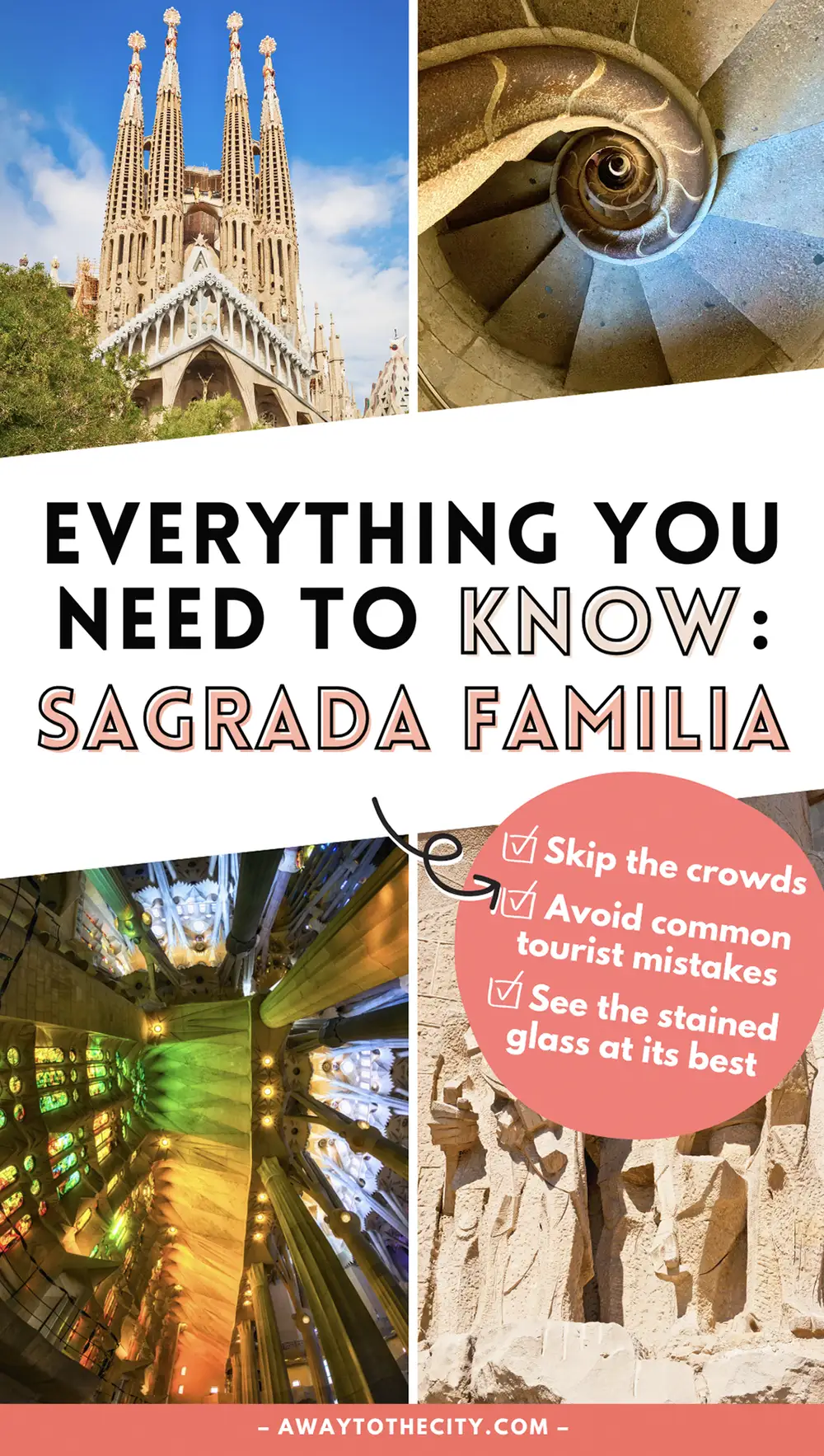


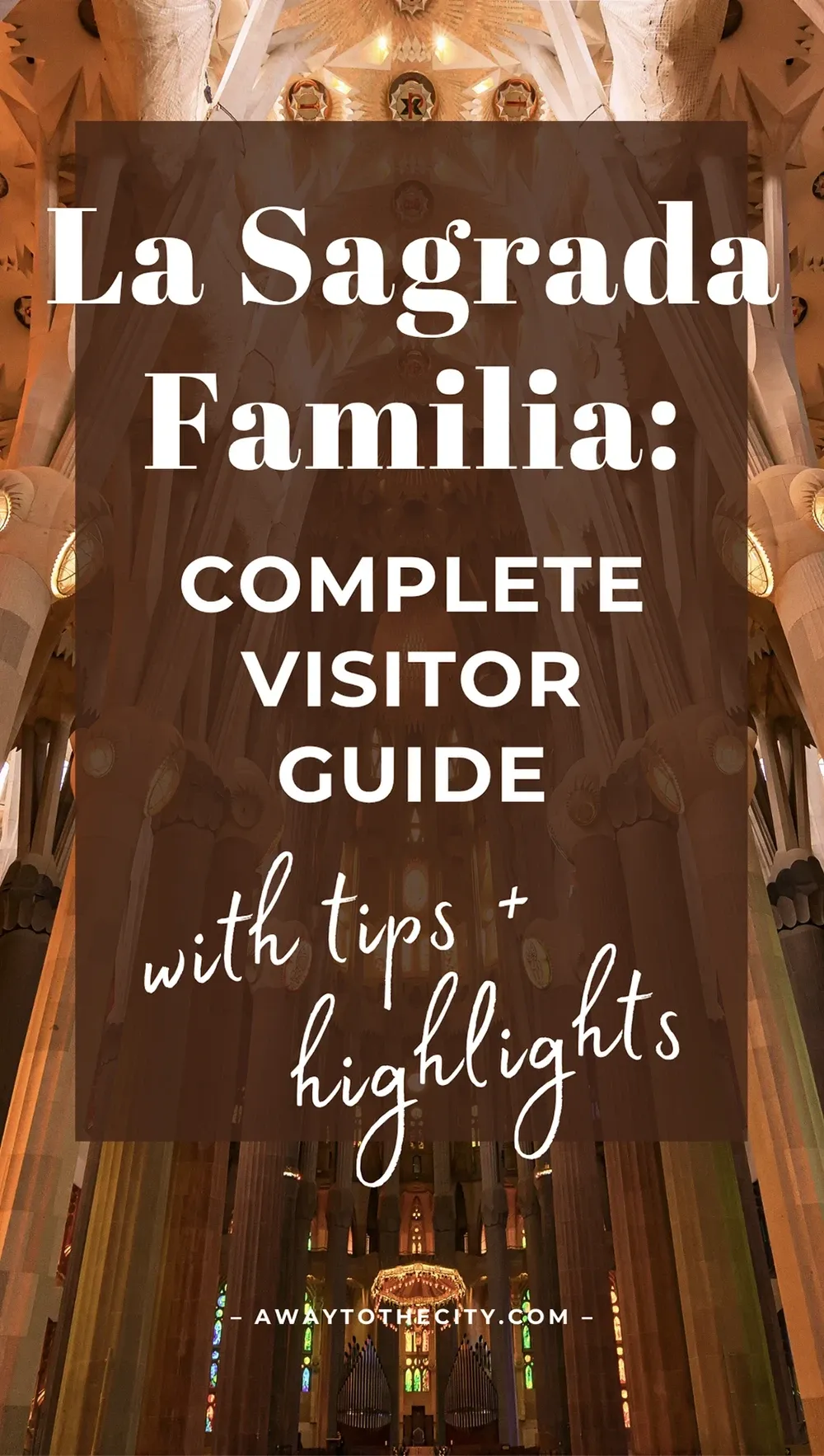
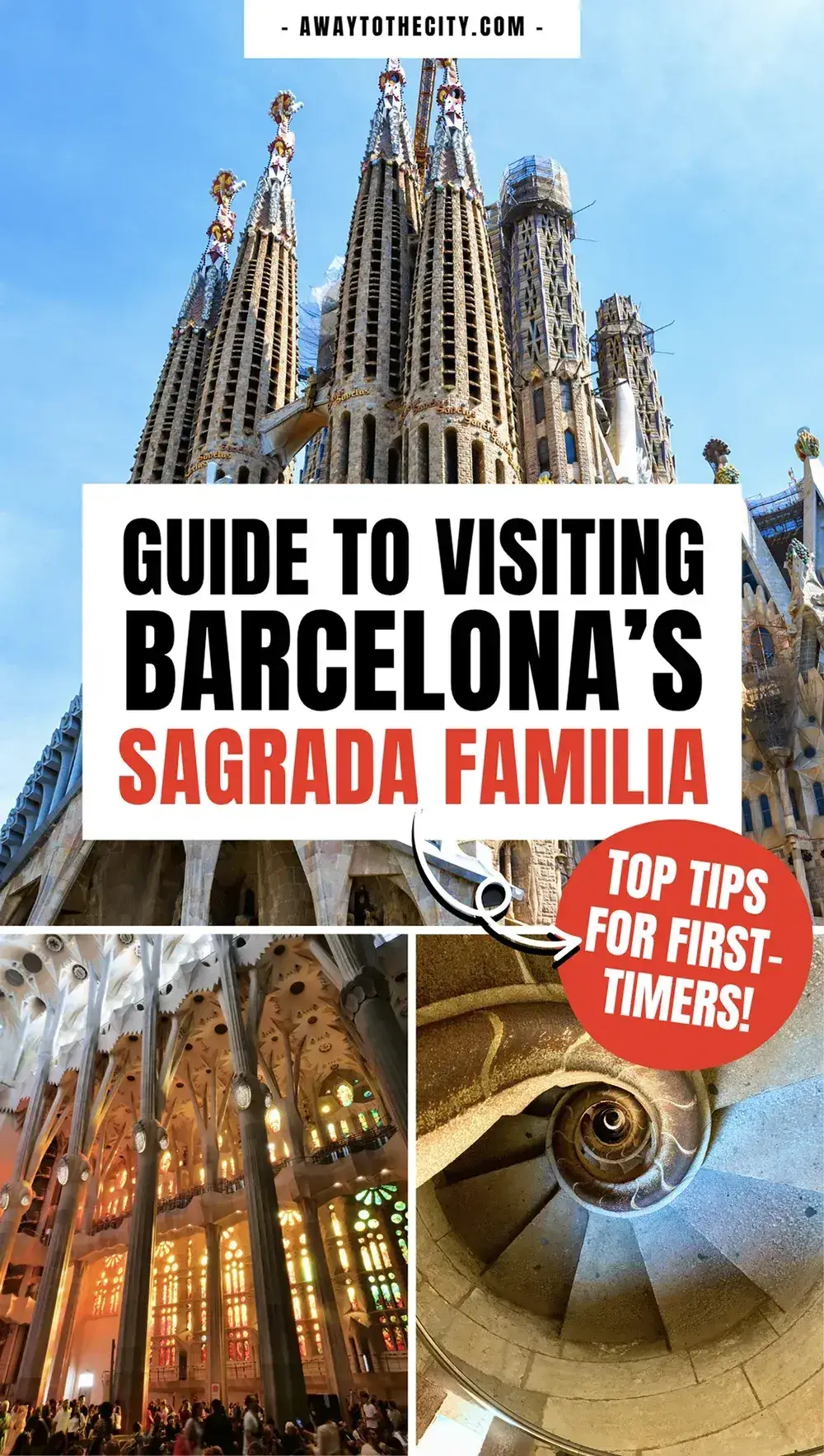

You’ve probably seen the photos already: those tall towers, the rainbow-stained glass, the cranes that never seem to leave. But when you visit the Basilica of the Sagrada Família in person, it’s a whole different experience.
We’ve been to Barcelona three times now, and La Sagrada Família has stayed at the top of our list every single trip. The architecture, the light, the sheer scale of it… it’s unlike anything else we’ve seen in Europe!
That said, it’s easy to make a few mistakes, especially if you’re visiting during a busy time of year. On our first trip to Barcelona, we didn’t buy tickets in advance, spent two hours in the queue, and then got told they’d sold out for the day.
So if you’re heading to Barcelona soon, don’t risk it! Book your Sagrada Família entry ticket before it sells out… and keep reading for tips on when to go, how to skip the crowds, and the truth about those tower tickets (and why we’d skip them).
Don’t miss these!
Quick Facts for Planning Your Sagrada Família Visit
Here’s a quick look at what to expect before you go. If you’re short on time or just want the basics, start here:
 Buy your tickets online in advance: Tickets often sell out a few weeks ahead. We recommend this entry ticket with audio guide (our favourite choice!) or this guided tour with skip-the-line access if you prefer in-person insights.
 Best times to visit: Go early for fewer crowds, or late afternoon for the most dramatic lighting. Morning sun hits the blue and green windows. Afternoon sun lights up the red, orange, and yellow ones.
 How long to spend: Plan for 1.5-2 hours inside. With a guided tour or tower visit, allow 2.5-3 hours.
 Dress modestly: This is an active church. Cover your shoulders and avoid short skirts or shorts. You might be turned away if you’re underdressed.
Why Sagrada Família Is Special
Barcelona has no shortage of iconic architecture, but Sagrada Família is in a league of its own.
Designed by Antoni Gaudí, this basilica has been under construction since 1882. It’s funded almost entirely by visitors, and your ticket still helps pay for its completion.
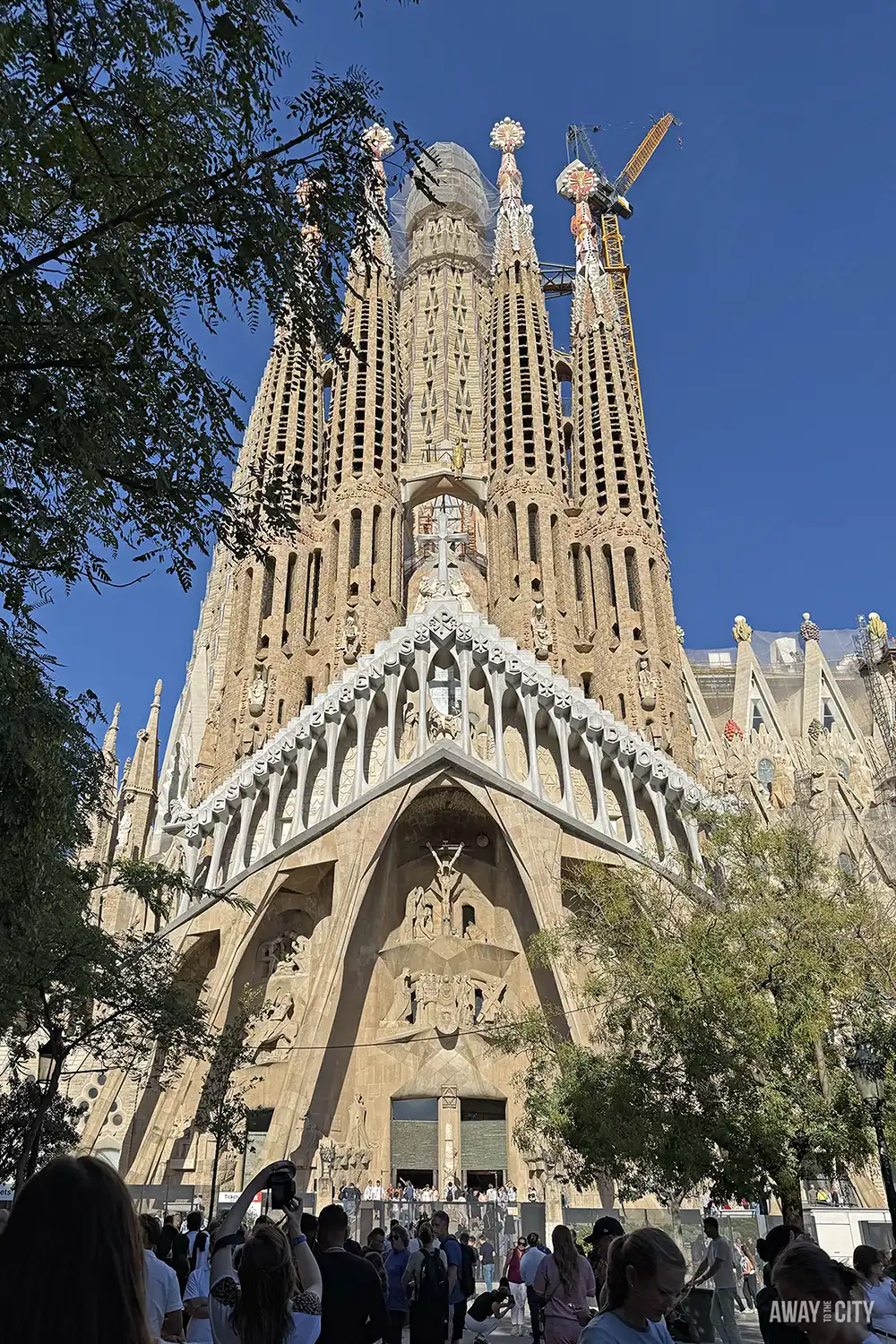
The original plan was to finish by 2026 to mark 100 years since Gaudí’s death. On 20 February 2026, the final cross was installed on the Tower of Jesus Christ.
The basilica now stands at its full height of 172.5 metres (566 feet) and is the tallest church in the world.
The exterior is structurally complete, but the project is not finished. Interior details, sculptures, and the Glory facade are expected to take until around 2034.
2026 is also a landmark year for another reason: the basilica celebrates the centenary of Gaudí’s death with a dedicated programme of events.
We’ve explored over 50 countries together and seen some incredible churches across Europe and beyond. Sagrada Família is the most beautiful of them all.
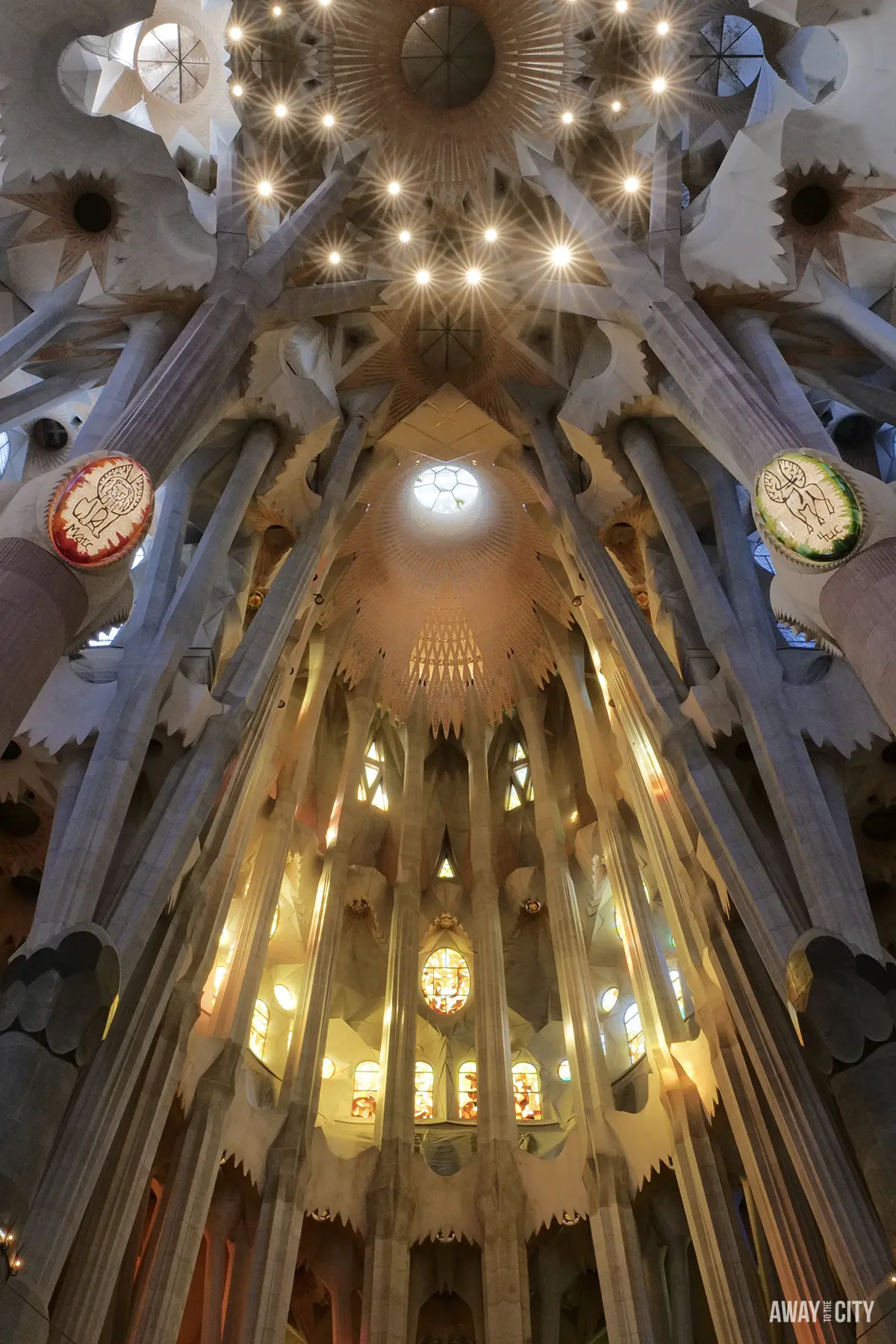
From the outside, this UNESCO World Heritage site looks almost surreal, like a massive sandcastle carved in stone. Inside, it’s flooded with colour and soft light, with columns shaped like trees and stained glass that changes with the sun.
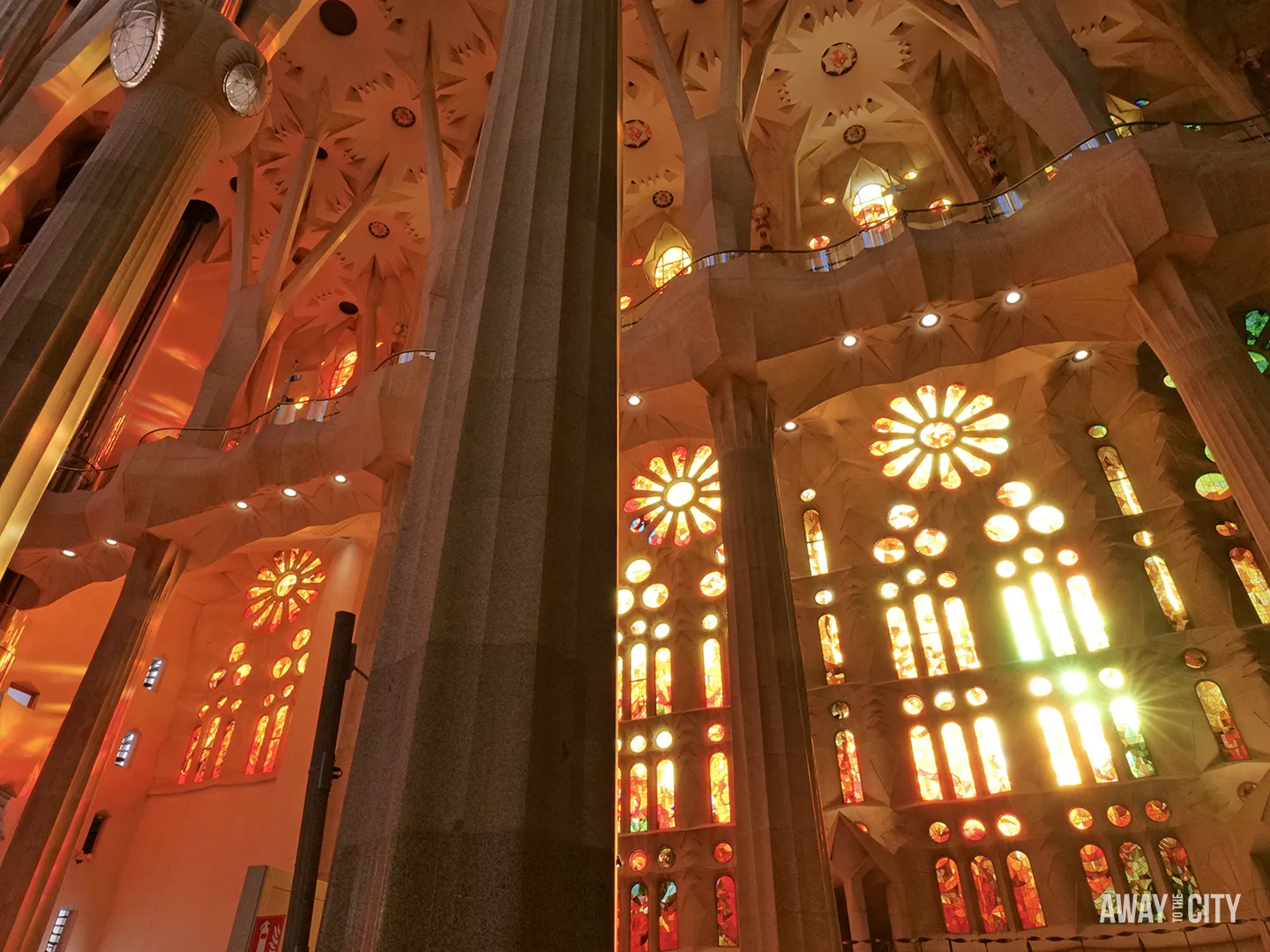
It’s also a working church, with mass held regularly. Gaudí is buried in the crypt, and the basilica even survived damage during the Spanish Civil War.
There’s nothing else like it. Let’s get into the tips to help you plan your visit without the usual stress.
How do you get to Sagrada Família?
Sagrada Família is in Barcelona’s Eixample neighbourhood, just north of the Gothic Quarter.
It’s easy to reach on foot or by public transport, and trust us, you’ll know when you’re getting close! Those spires peek over the rooftops long before you arrive.
- Metro: Take Line L2 (purple) or L5 (blue) to Sagrada Família station. As you come up the escalator, the basilica appears right in front of you… a pretty unforgettable first view!
- Bus: Lines 19, 33, 34, D50, and H10 all stop at the nearby Mallora – Marina bus station, but honestly, the metro is quicker and more straightforward.
- Walking: If you’re staying in Eixample or near Plaça de Catalunya, it’s walkable (around 25-30 minutes through safe, interesting streets). It’s an easy route and lets you explore a bit of the city on your way.
- Taxis or rideshares: They’re fine in a pinch, but traffic can crawl in this area. The metro usually beats them.
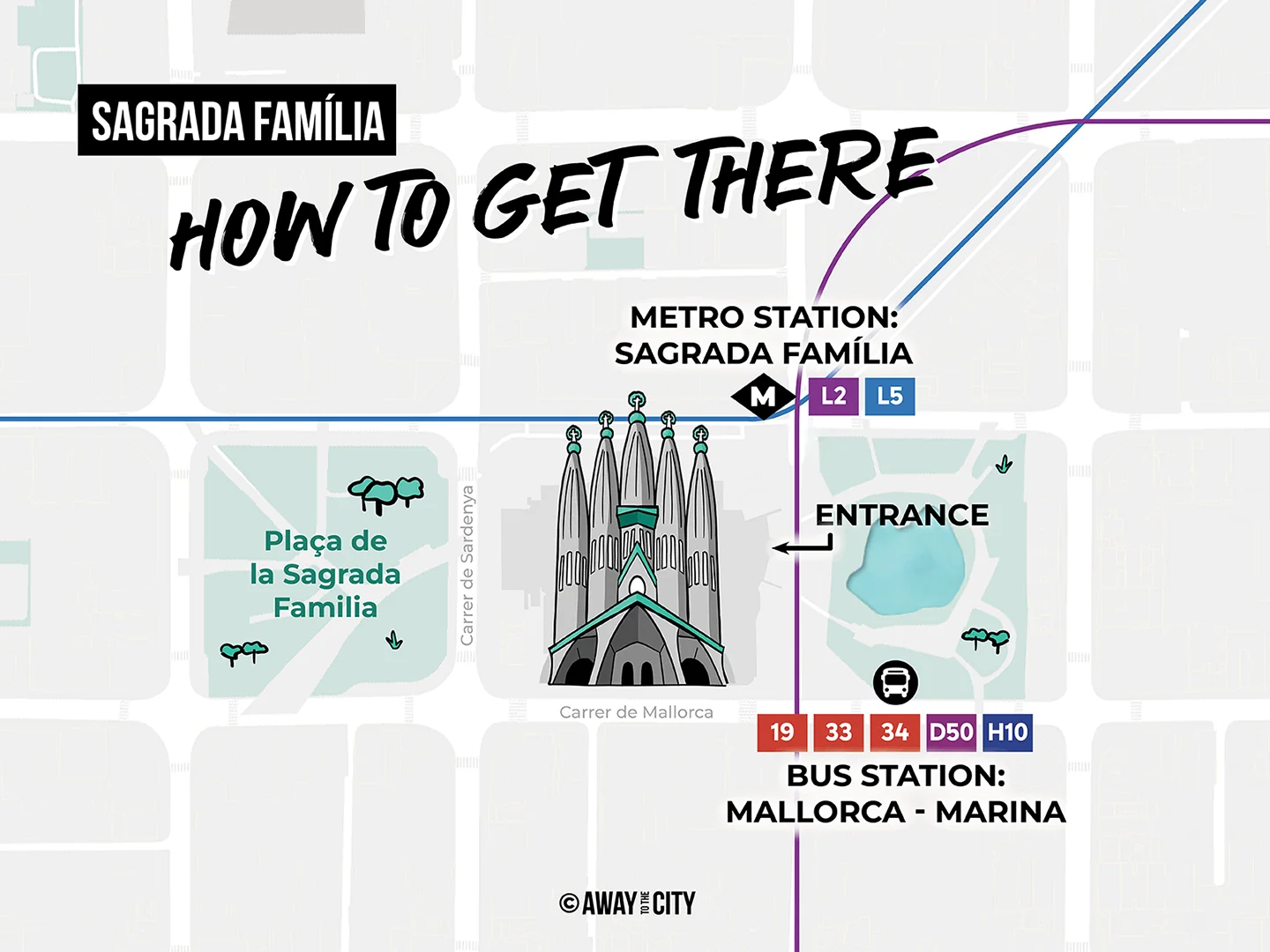
Our top tip: Use Google Maps or a transit app like Citymapper to navigate easily. Barcelona’s public transport is clean, safe, and very tourist-friendly.
How much do Sagrada Família tickets cost? And what ticket options do I have?
Our #1 tip? Book your Sagrada Família tickets in advance. They often sell out weeks ahead, especially in summer. It’s the one mistake we made on our first trip and never repeated.
We always recommend GetYourGuide (our go-to platform for tickets and experiences) because it’s simple to use and lets you cancel for free if your plans change. You can book weeks in advance, skip the long queues outside, and walk straight in. Perfect if you like flexibility and peace of mind.
Our top picks:
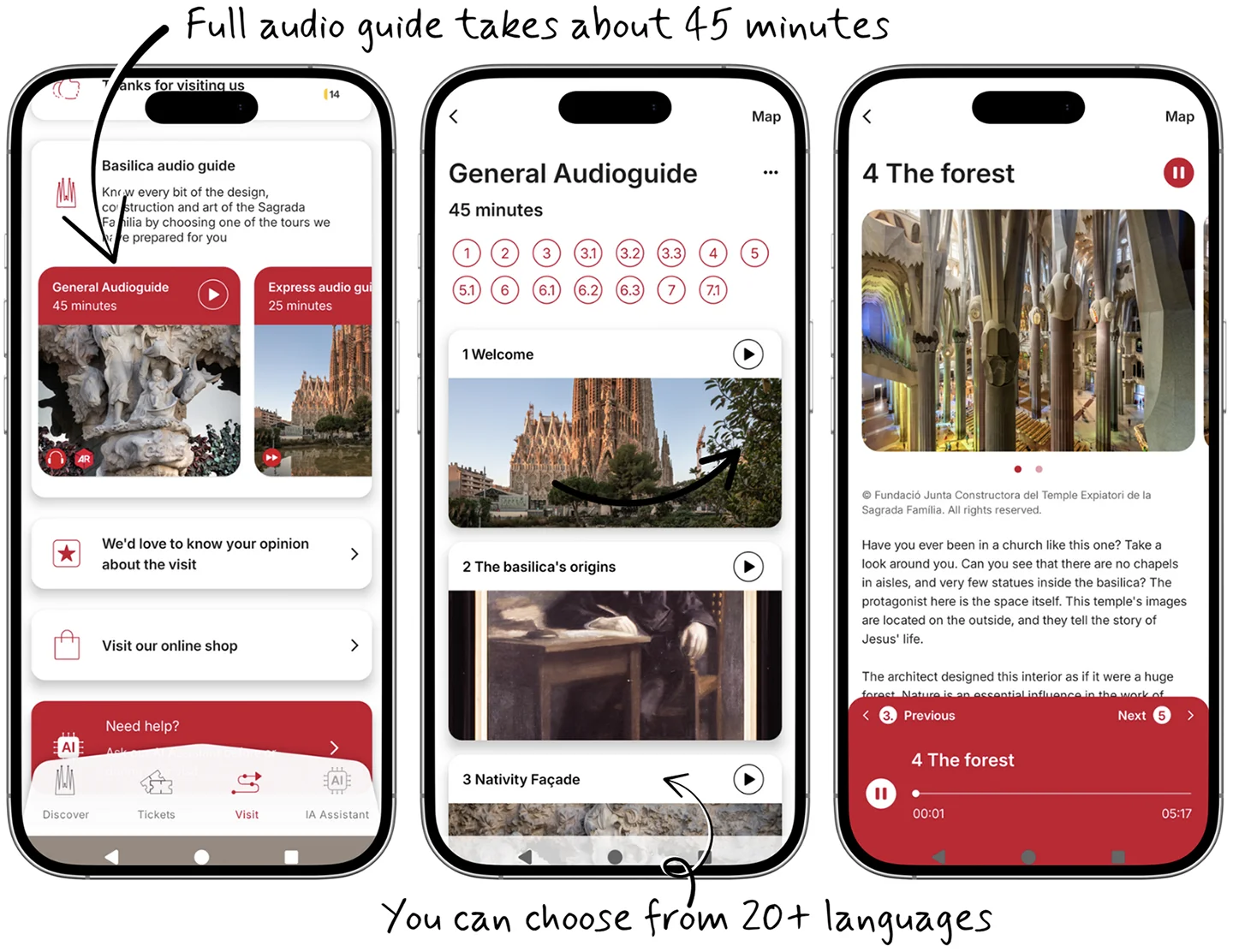
- Sagrada Família entry ticket with audio guide (optional: tower access) (our favourite option!) – best if you like to explore at your own pace. This one can be cancelled up to 2 days before. We’ve used it ourselves and loved how clear the audio guide is.
- Sagrada Família entry ticket with guided tour – ideal if you prefer hearing stories in person. This ticket can be cancelled up to 1 day before. We did this on our last trip and really liked the extra insights that connect the basilica to Barcelona’s history.
You’ll also find slightly cheaper tickets on the official website, but those are non-refundable and can’t be changed. It’s fine if your plans are fixed, but travel doesn’t always go as planned – delays or bad weather can happen.
There are 4 types of Sagrada Família tickets available:
- Entry with audio guide – from €26 (about £22 or US$30)
- Entry with guided tour – from €30 (about £26 or US$35)
- Entry with tower access – from €36 (about £31 or US$42) → you’ll learn more about the towers in this guide
- Entry with guided tour and tower – from €40 (about £35 or US$46)
What is the best time to visit Sagrada Família?
The best time to visit Sagrada Família is either at opening time for smaller crowds, or late afternoon (around 4-6pm) for the most dramatic stained-glass light. Avoid midday. For fewer tourists overall, aim for a weekday in November to February.
You can find the full breakdown of timing, seasons, and crowd patterns below:
Best Time for Photos and Fewer Crowds
There are two ideal times to visit Gaudí’s unfinished masterpiece, depending on what you value most: a quieter experience or incredible lighting.
- Early morning (opening time): Ideal for smaller crowds and a slower start. In the warmer months, it’s cooler too. The Nativity facade catches the morning light beautifully, though the stained glass inside is softer and less vibrant at this time.

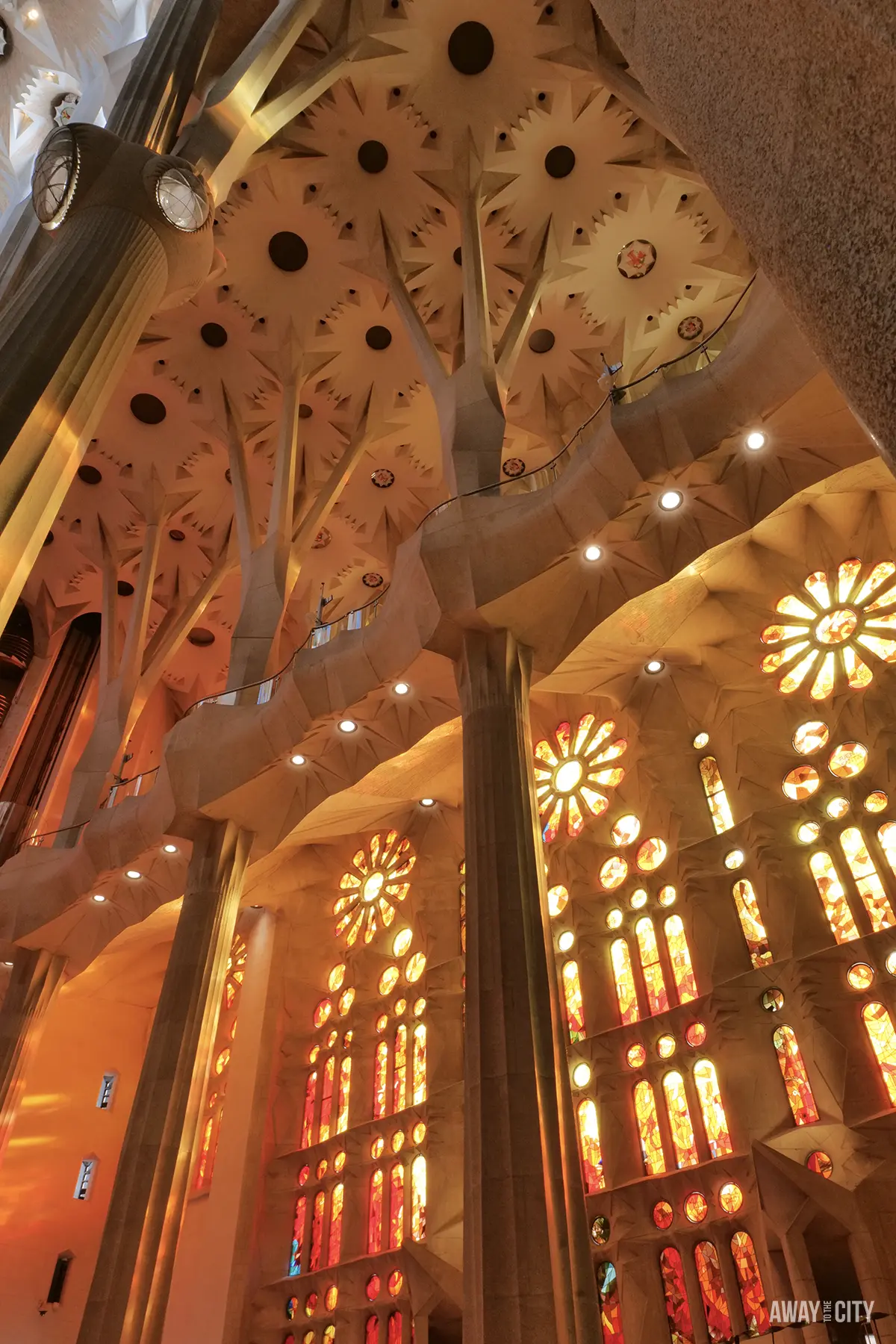
- Late afternoon (around 4-6pm) – our favourite!: As the sun lowers, the light streams through the Passion facade and fills the space with warm reds and oranges. It’s absolutely stunning, especially in spring, summer, and early autumn. One staff member even told us it’s the most beautiful time of day to visit.
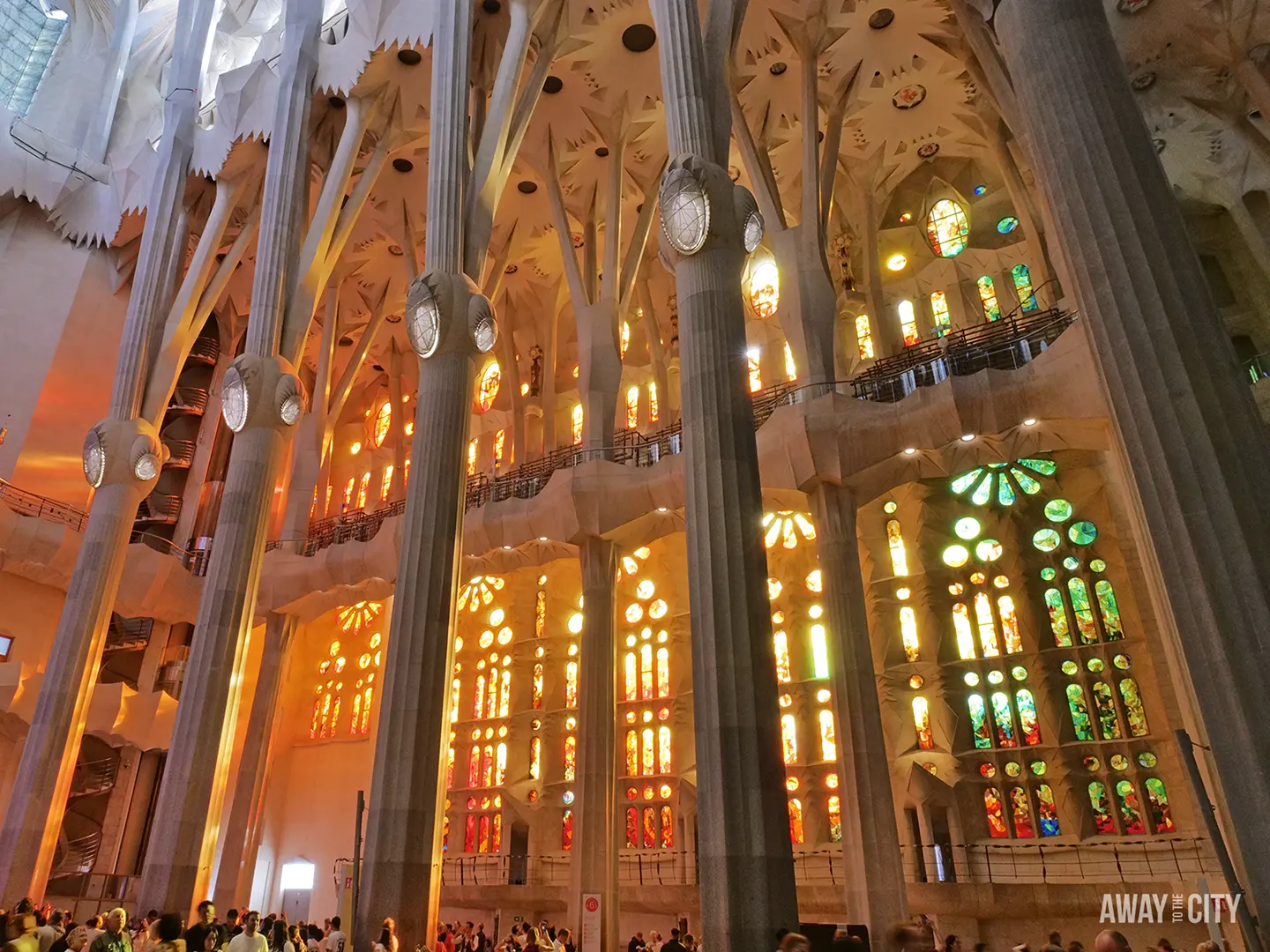
Our top tip: Avoid midday if you can! It’s the busiest time, and the light tends to be flatter inside. If that’s your only option, it’s still worth going, just expect more people and a noisier atmosphere.
The last entry is usually 30-60 minutes before closing, so plan to arrive at least 1.5-2 hours before closing time if you’re aiming for a late visit.
Here’s when you should aim to enter for a relaxed late-day visit:
- November-February: Closes at 6pm → Arrive by 4:30pm
- March & October: Closes at 7pm → Arrive by 5:30pm
- April-September: Closes at 8pm → Arrive by 6:30pm
This gives you enough time to explore the full interior without feeling rushed. Staff start gently clearing visitors out about 30 minutes before closing. You can always double-check the latest hours on the official website.
🎟️ This is the exact Sagrada Família entry ticket we’ve used. You can cancel up to 2 days before if plans change. Super convenient!
Best Days and Seasons to Visit
If you want a quieter visit, aim for a weekday, especially Tuesday, Wednesday, or Thursday. These tend to be less crowded than weekends. Mondays and Fridays can be surprisingly busy with long-weekenders.
Sundays are a bit different. The basilica opens later, and the main nave is often closed to tourists during the morning because of Mass. If you’re planning a Sunday visit, check the official schedule to avoid disappointment.

As for seasons:
- November to February: This is the quietest time overall. Cooler weather and fewer tourists mean less waiting and more space to explore. It also makes for a good indoor activity if you’re visiting during a rainy spell. The trade-off is shorter opening hours and less sunlight through the stained glass. We visited in November once and still saw same-day time slots available. In contrast, when we visited in October, tickets were already booking out at least two weeks in advance, so it’s worth planning ahead.
- March, April, September: These shoulder months are ideal. You’ll get mild weather, decent daylight, and crowds that are manageable.
- May to August + October: This is peak tourist season in Barcelona. Expect crowds, heat, and long queues outside if you didn’t book in advance. Inside stays relatively cool, thanks to the high ceilings, but bring water and a fan for the wait outside. July and August are especially busy. Plus, it’s peak holiday time across Europe.

Public holidays like Easter, Christmas, and major Catalan festivals (like La Mercè in September) can also bring larger crowds and reduced tourist access due to religious services.
Our top tip: If you’re visiting in summer, a late entry around 6pm works well. Most tour groups will have cleared out, and you’ll still catch the stained glass in action. In winter, go earlier in the day to make the most of the light.
Key Highlights of Sagrada Família (What Not to Miss Inside & Out)
There’s so much to see in the basilica that it’s easy to miss things if you don’t know what to look for. Here’s what we’d say not to miss:
The Nativity Facade (Outside, East Side)
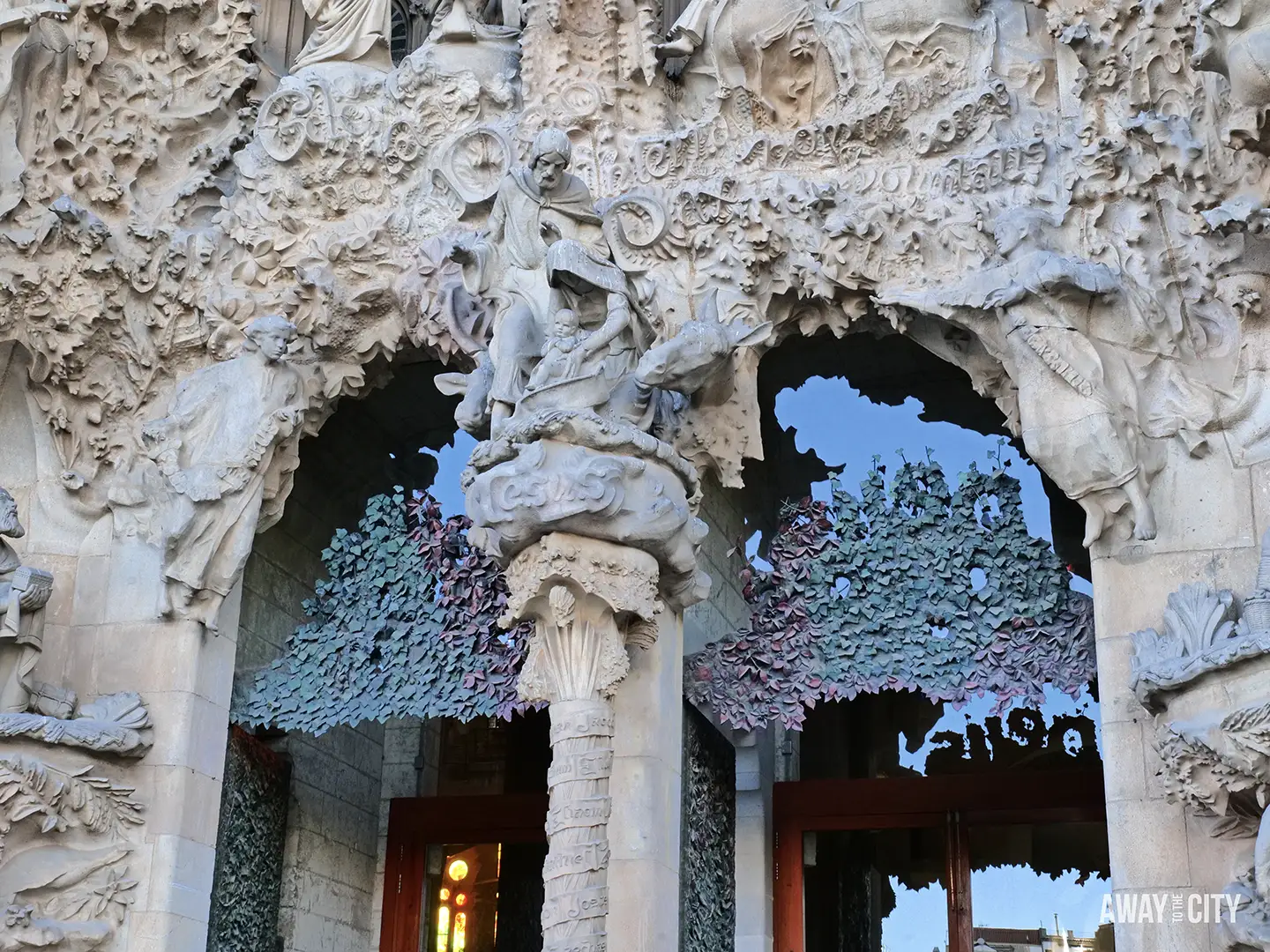
The Nativity facade is one of the three main facades of the basilica.
Each one reflects a different phase of the life of Christ: the Nativity facade shows his birth, the Passion facade depicts his death, and the unfinished Glory facade will eventually represent his resurrection.
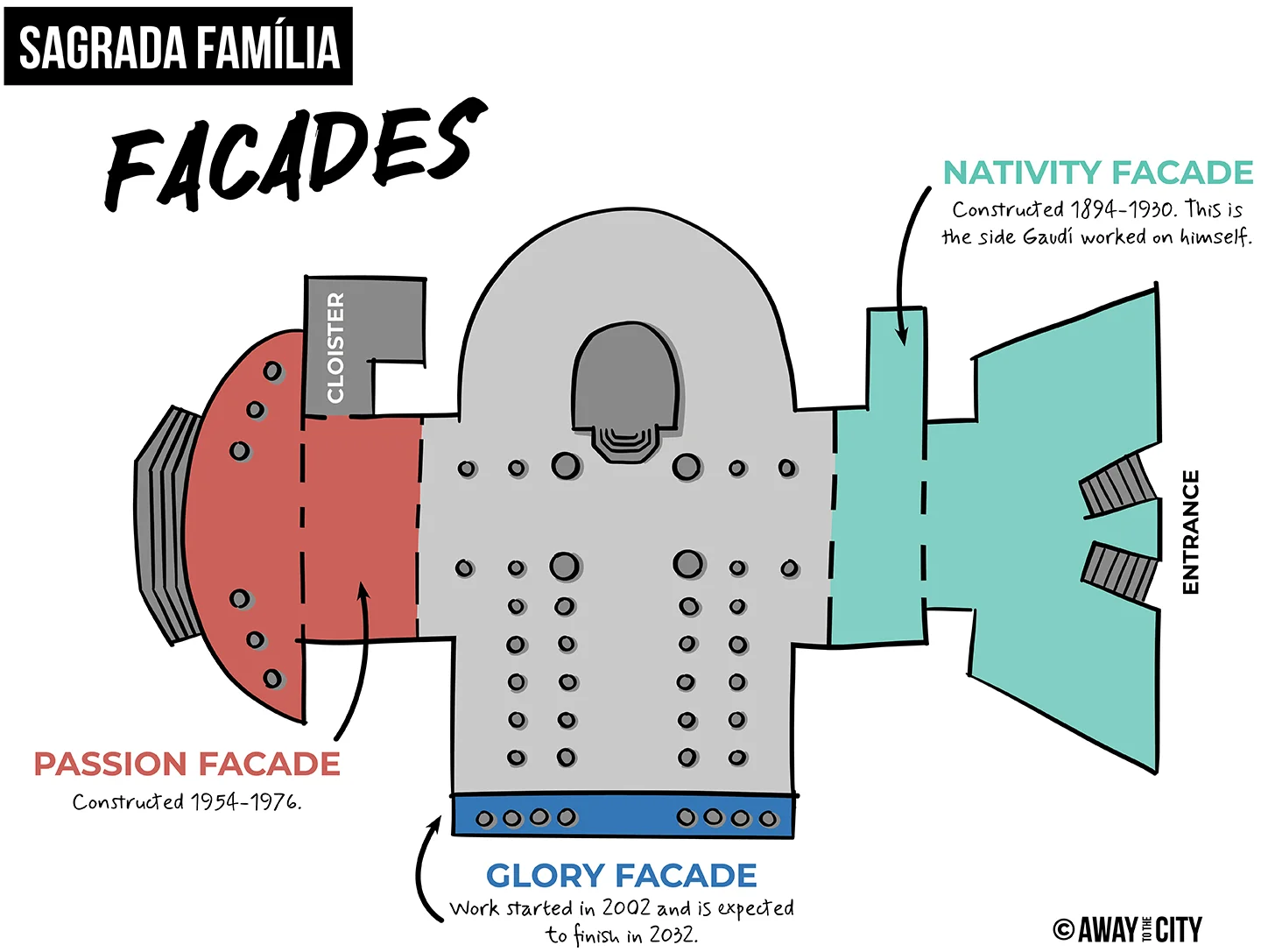
If you only walk around to see one part of the outside, make it the Nativity facade. It’s the oldest side and the one Gaudí worked on himself. It’s full of energy and incredible details: doves, angels, animals, even a Christmas tree carved above the door.
For the best view of the Nativity facade, we recommend going in the morning. That’s when the light is soft and the park across the road (Plaça de Gaudí) offers the best reflections.
The Stained Glass Windows
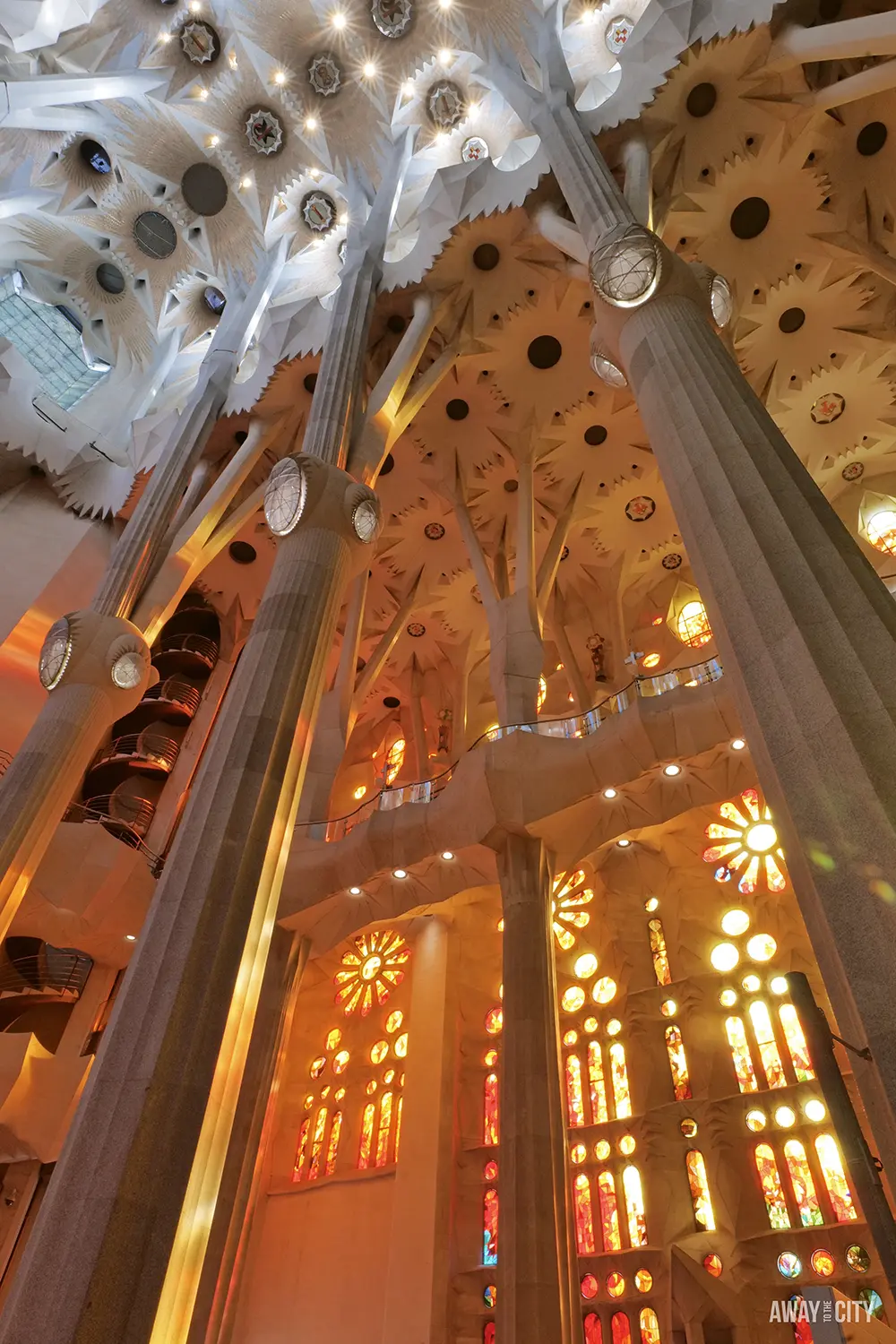
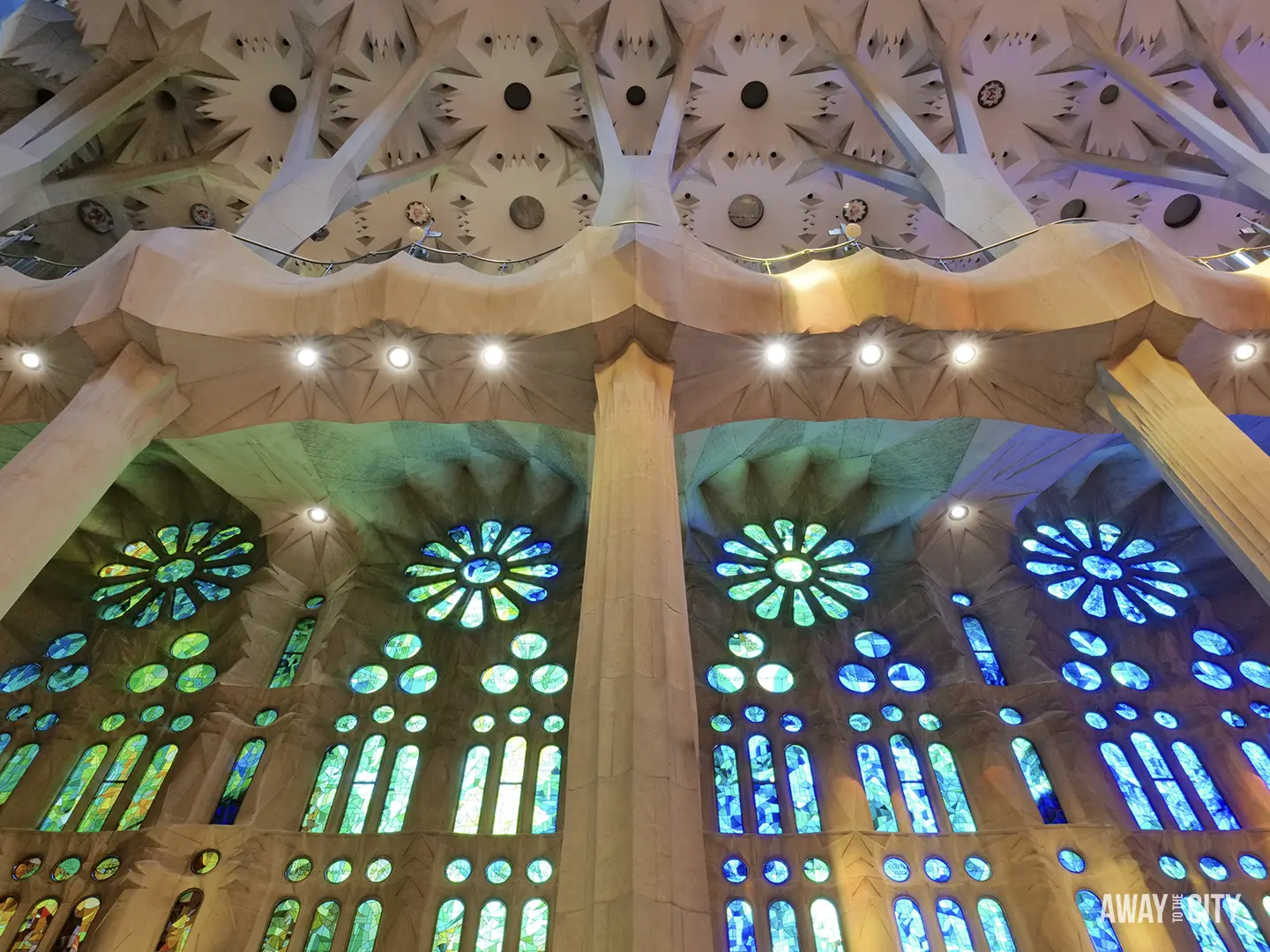
Inside, this is what takes your breath away. The windows are arranged by colour, so one side glows with cool blues and greens, while the other side fills the space with fiery oranges and reds.
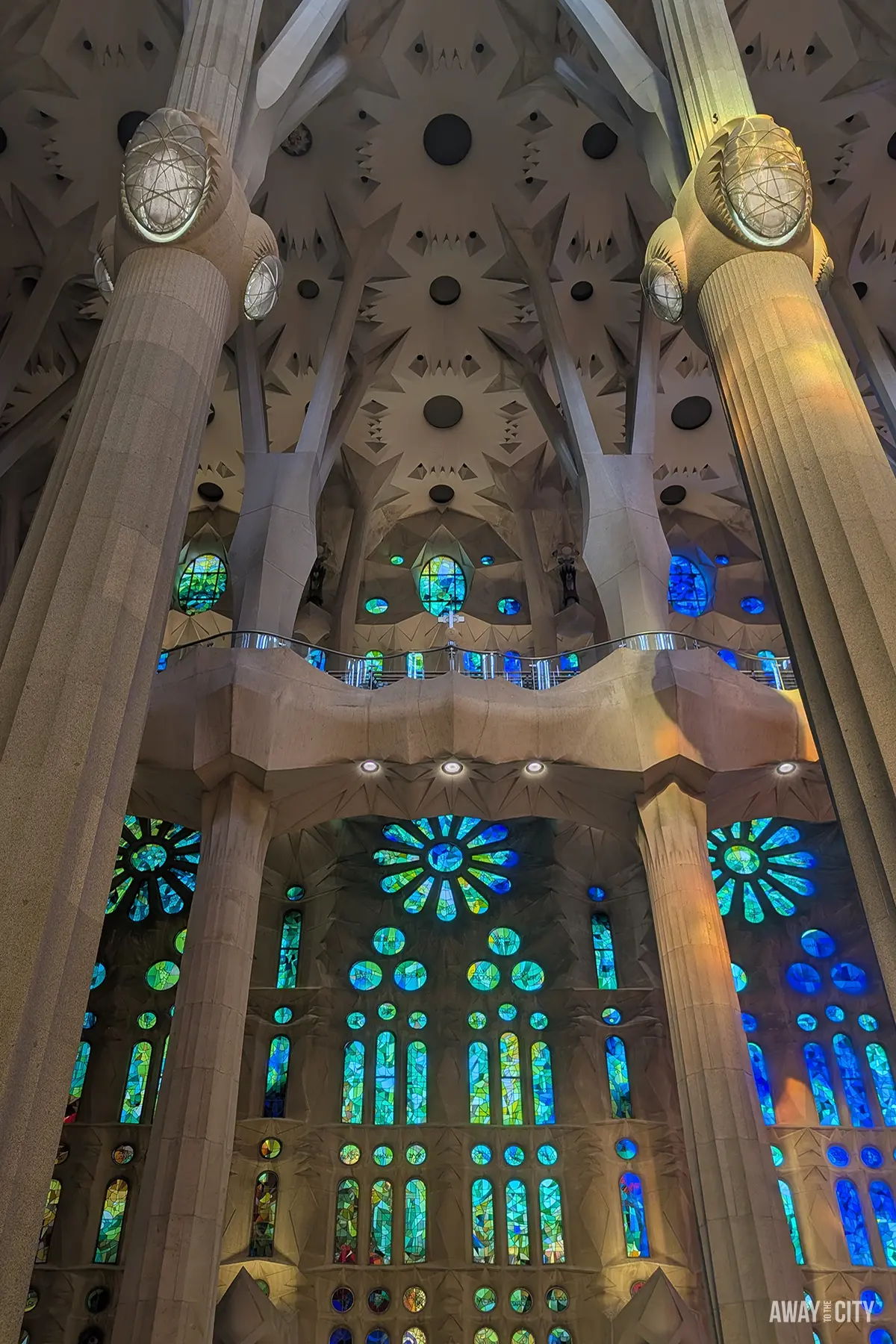
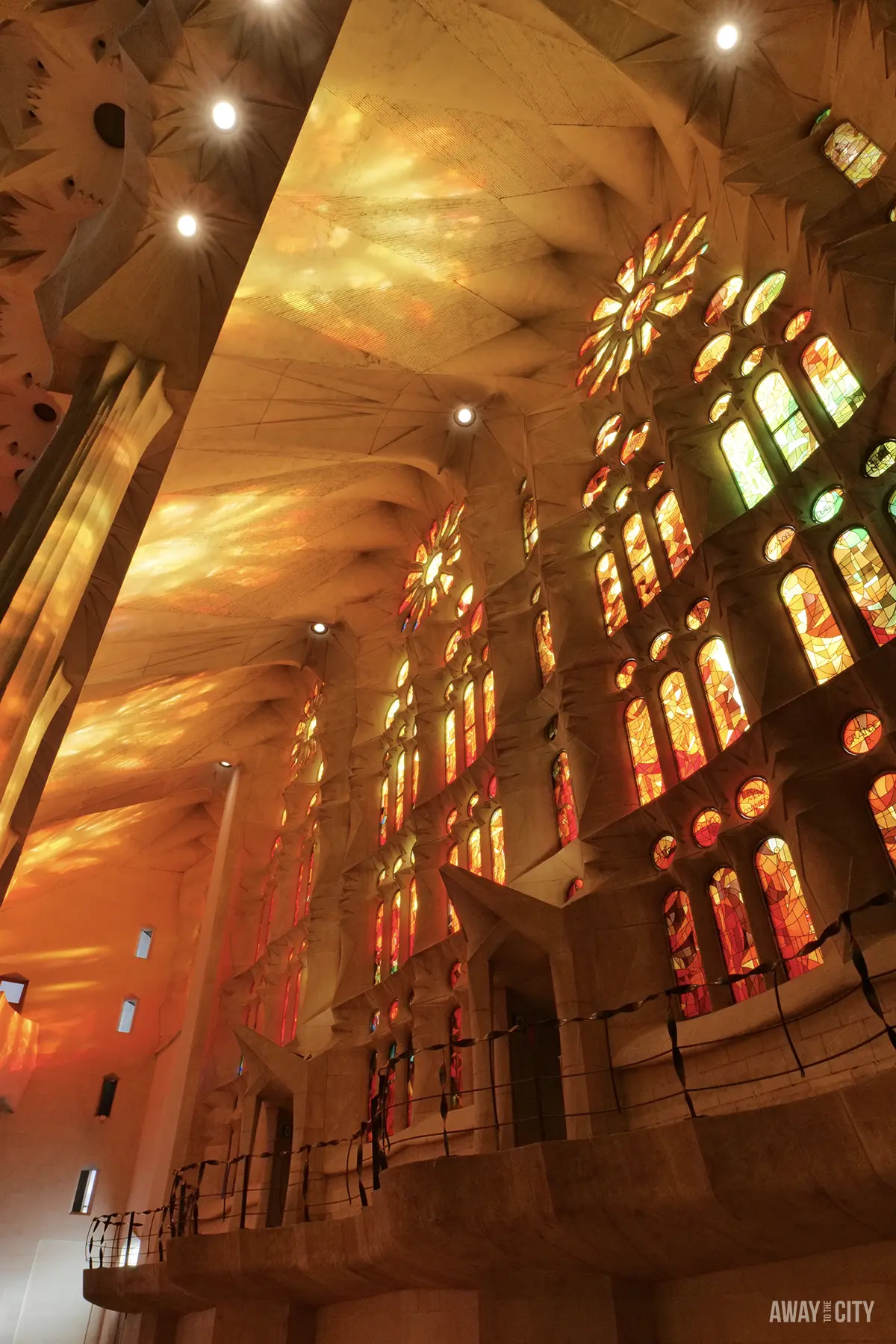
In the late afternoon, the Passion side lights up in gold. It’s stunning! Stand back, look up, and just watch the colours move with the sun. It’s like standing inside a kaleidoscope.
The Forest of Columns
Don’t forget to look up! The stone columns of Gaudí’s masterpiece aren’t just structural; they’re meant to feel like tree trunks, and you can see how they branch near the ceiling.
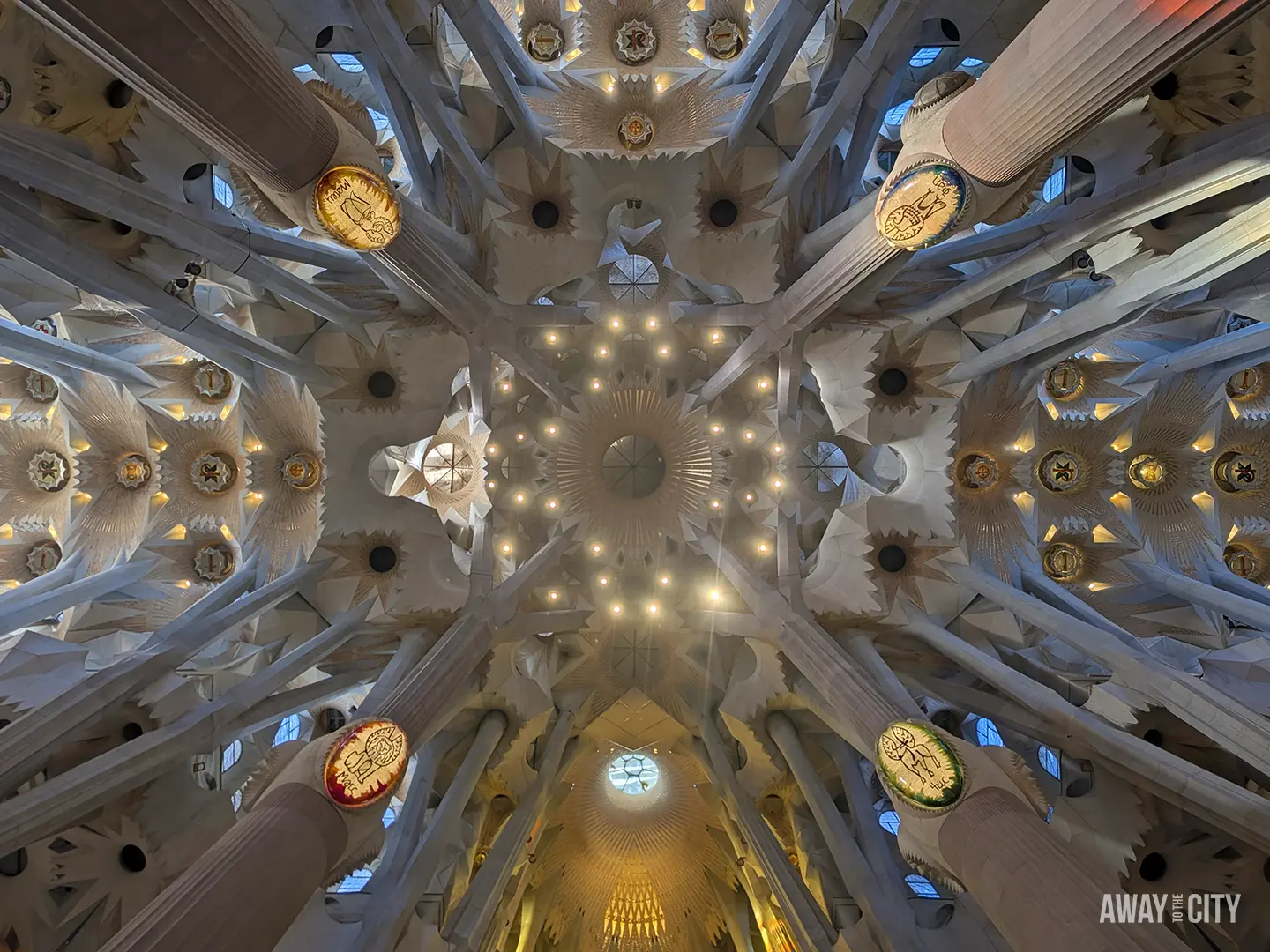
It gives the whole space a quiet, natural feel, even with all the tourists inside.
This is the first thing that made us stop talking. You walk in, look up to the tree-like columns, and suddenly everything else fades out.
Gaudí’s Crypt (Inside, Under the Main Altar)
Beneath the main altar, you’ll find the crypt, where Antoni Gaudí is buried. It’s smaller and much plainer than the basilica above, but this is the spiritual heart of Sagrada Família.
If it’s open during your visit, pop in for a quick look. It’s a striking contrast to the dazzling interior upstairs and feels much more intimate.

Did you know? Gaudí died in 1926 after being hit by a tram just a few streets from here. He wasn’t carrying ID, and because of his worn-out clothes and unkempt appearance, people mistook him for a beggar. He was taken to a public hospital, and by the time anyone realised who he was, it was too late.
The Hanging Canopy Above the Altar
In the middle of the basilica, above the main altar, there’s a floating canopy (called a baldaquin) with a figure of Christ hanging underneath.

It’s easy to miss because there’s so much going on around you. The details are odd but fascinating: ropes, grapes, lanterns – all suspended in the air.
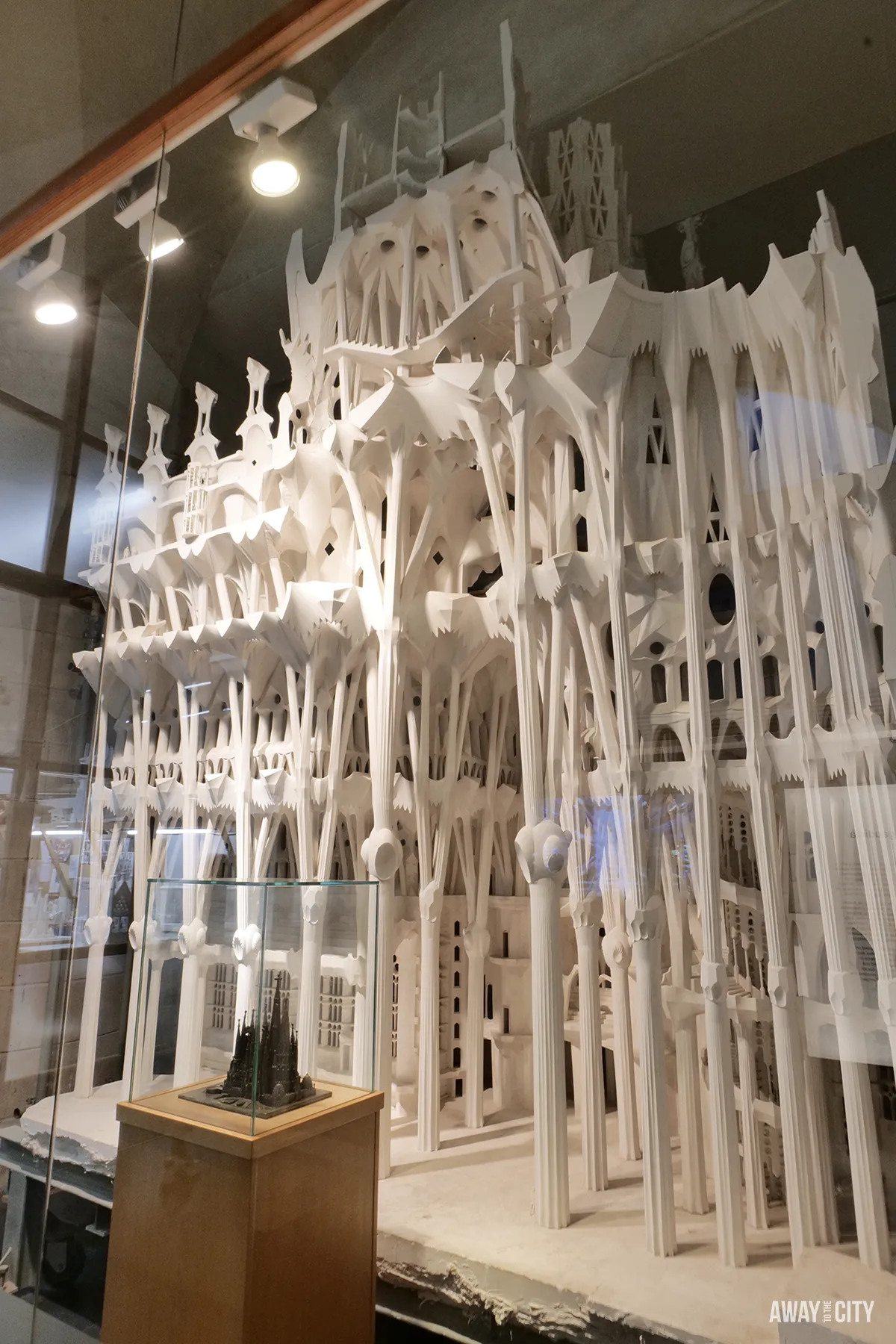
The Museum & Workshop
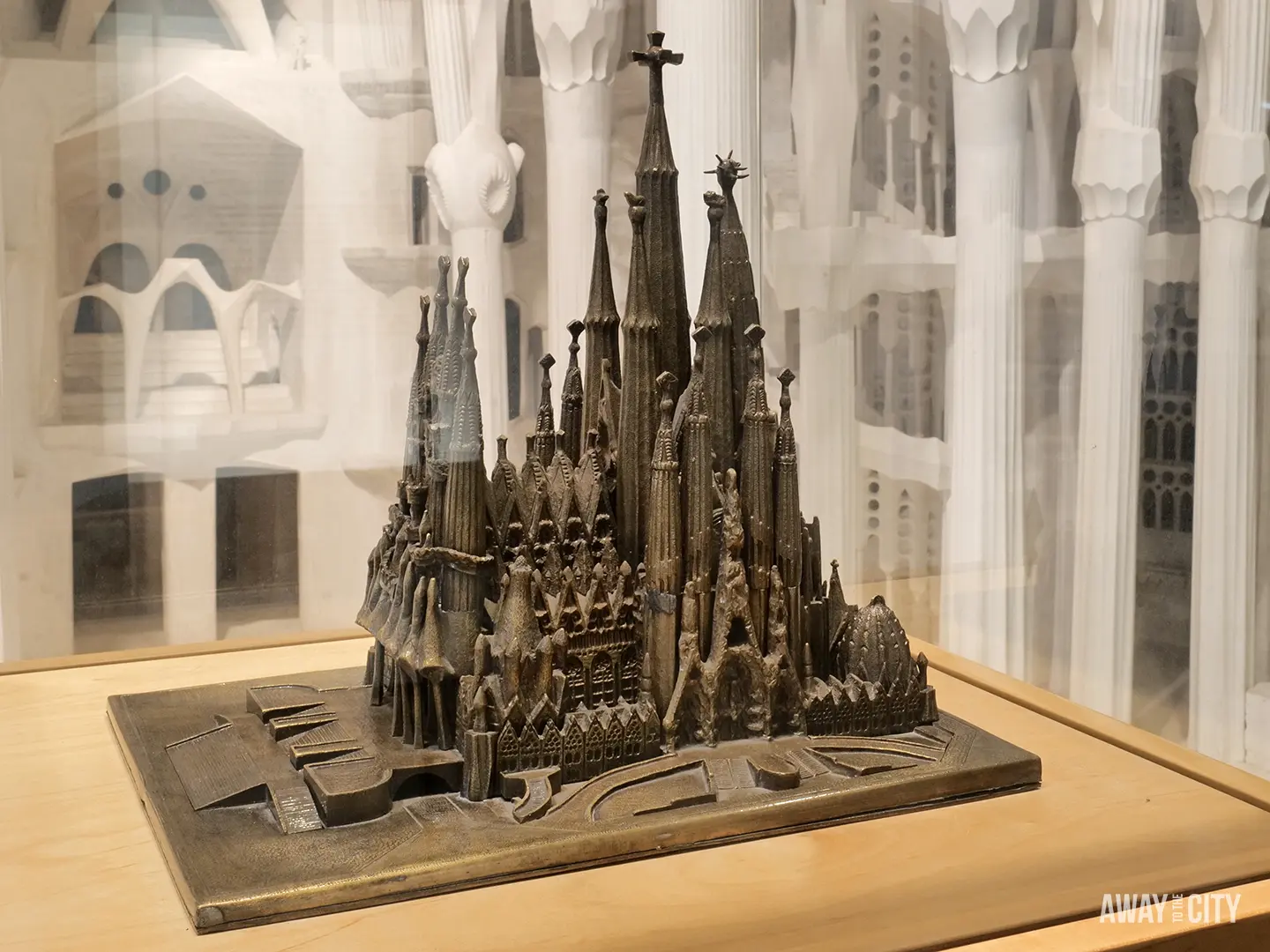
Many visitors walk straight out after leaving the basilica, but we’d really suggest stopping by the museum. It’s just downstairs near the exit and gives you a fascinating look at how the church is still being built today.
Inside, you’ll find Gaudí’s original models, construction photos, and early sketches that show just how ambitious the project has always been.
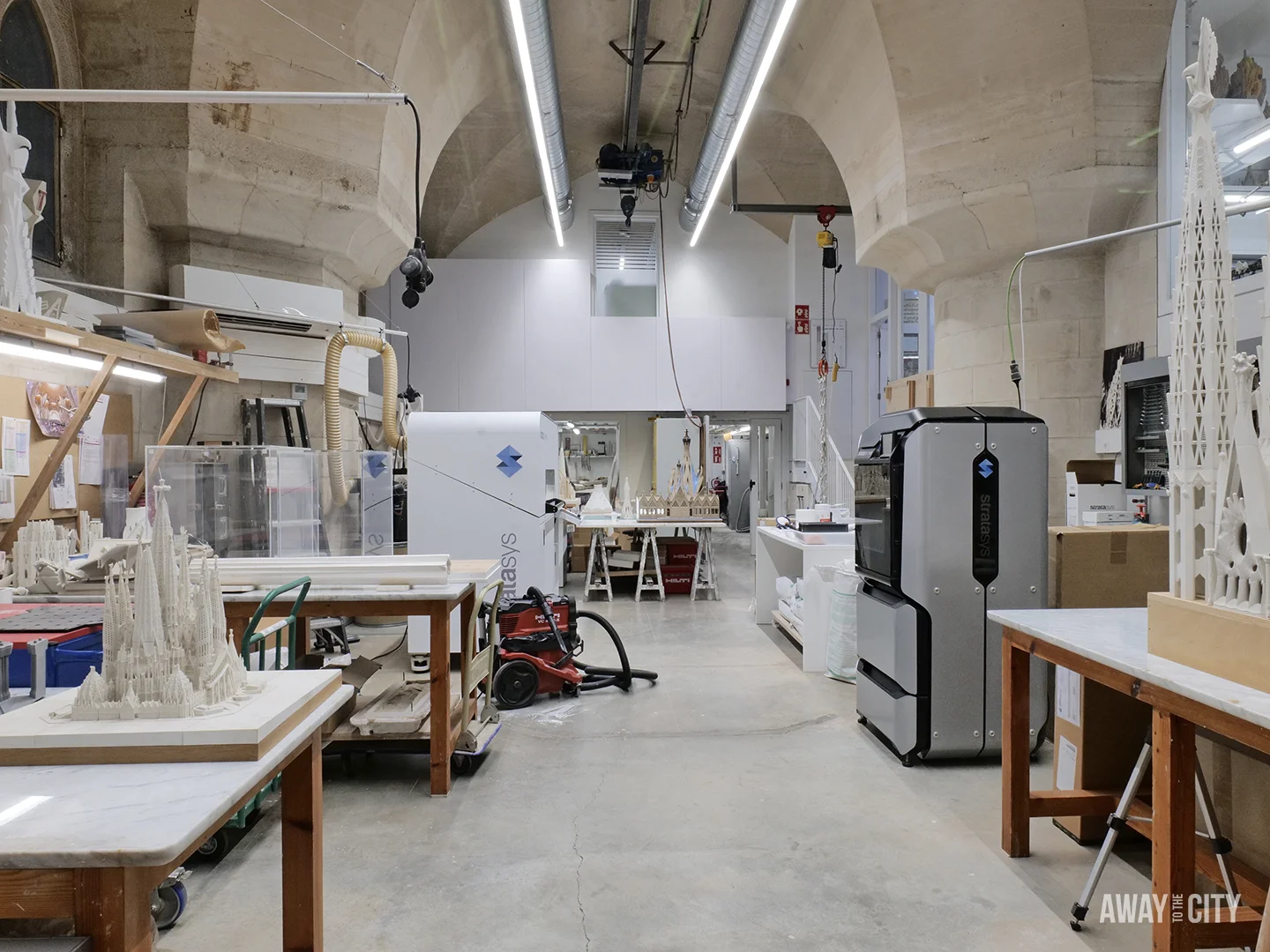
You can also watch the model workshop in action, where craftspeople continue to build using Gaudí’s traditional methods alongside modern technology.
🙌 Curious about the meaning behind every detail? This expert-led tour brings Gaudí’s vision to life.
Are the Sagrada Família Towers worth it?
For an extra fee, you can choose to go up one of the towers: either on the Passion facade or the Nativity facade. Here’s our honest take: you can skip both.
We’ve done both, and we’d rate the views a 6 out of 10. They’re fine, but not that memorable. You’ll be looking through narrow, enclosed windows, and you won’t see much of the basilica from above either.

If it’s views you’re after, we’d recommend Tibidabo Mountain or Montjuïc Park. Both give you a better city panorama, are free to visit, and include Sagrada Família in the skyline.
Still curious about the towers? Here’s what you should know first:
Tower Comparison
|
Passion Tower |
Nativity Tower |
|
|---|---|---|
|
Height |
88 metres (289 feet) |
65 metres (213 feet) |
|
Steps (down) |
426 steps |
340 steps |
|
View direction |
South-west over Eixample and Montjuïc |
North-east towards rooftops and the sea |
|
Best light |
Late afternoon |
Morning |
|
Choose this if… |
You want a broader city view |
You want to see sculptural details up close |
Still thinking about the towers? If you’re curious to try one, we’d go with the Nativity Tower. You can grab your ticket here – just make sure to select the option with tower access! It’s the better choice, with closer views of Gaudí’s sculptural details.
9 Essential Tips to Save Time & Avoid Crowds
 TIP #1 – Don’t show up without a ticket: We know, we said it before, but we really can’t stress it enough to book your ticket in advance. It’s the biggest mistake you can make, because we missed out on it on our first visit ourselves, because we thought we could do so. Tickets often sell out, especially in high season. Book online at least 2 weeks ahead (ideally 4 weeks in summer). Don’t be that person left outside, watching everyone else walk in.
TIP #2 – Arrive 10-15 minutes early: Even with a timed ticket, there’s a queue for security and bag checks. Arriving early gives you time to breathe, take a few exterior photos, and start your visit without a rush.
TIP #3 – Go early or late in the day for smaller crowds: The basilica is busiest from around 11am to 2pm. For fewer people and better lighting, go first thing in the morning or later in the afternoon (our choice!). Tuesdays, Wednesdays, and Thursdays tend to be quieter than weekends and Mondays.
TIP #4 – Dress respectfully: This is an active place of worship, and there is a modest dress code. Avoid wearing sleeveless tops, super-short skirts or shorts, and low-cut clothing. We’ve seen two girls who were turned away because of their miniskirts. Dress in a way that shows respect for the space!
TIP #5 – Don’t bring tripods or use flash: Tripods aren’t permitted, and using flash ruins the colour of the stained glass anyway. But the interior is surprisingly bright on sunny days, so your smartphone or camera will still capture great photos.
TIP #6 – Watch your belongings outside: The area around Sagrada Família is a hotspot for pickpockets. Stay alert in the metro, outside the basilica, and while taking photos in the square. Inside the church, it’s generally safe.
TIP #7 – Bring your headphones: The included audio guide is genuinely worth using, but you’ll need headphones to enjoy it properly. We saw so many people walking around holding their phones to their ears, struggling to hear over the background noise. With headphones, you can wander freely and actually take in the stories as you go.
TIP #8 – Use the correct entrance line: There are different queues for general tickets, guided tours, and groups. If you’re unsure which one to join, ask a staff member. It’ll save you time and confusion. We overheard a couple who had waited more than 20 minutes in the wrong queue, only to be sent to the back again.
TIP #9 – Skip the gift shop if it’s packed: You’ll exit through the shop, and it often gets crowded. If you’re not planning to buy anything, you can walk straight through. If you change your mind later, the shop is also accessible from the outside.
 We missed out on our first trip because we didn’t book ahead. Don’t make the same mistake! Secure your Sagrada Família ticket now before they sell out.
FAQ: Your Sagrada Família Questions Answered
How long should I plan for a Sagrada Família visit?
About 2 hours inside is a good average. Some people spend just an hour, others three. Add 30 minutes to clear security and explore the exterior. If you’re doing a guided tour or visiting the towers, set aside closer to 2.5-3 hours.
Can I attend mass at Sagrada Família?
Yes. There’s usually an international mass on Sunday mornings at 9am. It’s free and open to all, on a first-come, first-served basis. Just dress respectfully and don’t expect to take photos during the service. It’s a spiritual event, not a sightseeing opportunity.
Which Sagrada Família tower is better – Nativity or Passion?
Neither offers amazing views, but the Nativity Tower lets you see sculptural details up close and feels more connected to Gaudí’s vision. The Passion Tower is higher and faces central Barcelona, but the views are more obstructed. If we had to pick one: go with the Nativity.
Is it worth going inside, or should I just see it from outside?
Go inside, no question! The outside is impressive, but the interior is what makes it unforgettable. The light, the colours, the feeling when you first walk in… it’s not something you’ll get from a photo!
Can I take photos inside Sagrada Família?
Yes, photography is allowed, and the light is stunning, especially in the late afternoon. Just avoid flash and tripods, which aren’t allowed. A smartphone or DSLR camera will do the job perfectly.
Is there anything worth seeing near Sagrada Família?
Plenty. Plaça de Gaudí (the park directly opposite the Nativity facade), is the best spot for photos of the basilica and worth a few minutes before or after your visit. The Eixample neighbourhood surrounding it is full of modernista architecture, including Casa Batlló and Casa Milà (La Pedrera), both within walking distance.
Still Planning Your Barcelona Trip? Start Here
We hope you’re feeling more prepared for your visit to Sagrada Família after reading this guide. It’s busy, yes, but worth the effort, especially when you know how to avoid the usual pitfalls.
For us, it’s the most beautiful church in Spain (and honestly, in Europe). If there’s one thing not to skip in Barcelona, this is it.
👉 If you haven’t booked yet, don’t wait too long! Tickets regularly sell out weeks in advance, especially from May to October. We personally used and recommend this entry ticket with audio guide for flexible entry, or this guided tour option if you prefer hearing the stories in-person as you go.
Hope your Barcelona trip is every bit as good as you’re planning it to be!
🇪🇸 Plan your Spain trip with our guides
📍 Spain at a glance
📍 Barcelona
📍 Seville