
18 Most Iconic & Famous Buildings in Vienna, Austria (2026)
This post may contain affiliate links, including from Amazon and other trusted partners. If you click a link and make a purchase, we may earn a small commission at no extra cost to you. That said, we only recommend products and services we genuinely use and love. Learn more in our Privacy Policy page.


Looking for the most impressive and famous buildings to visit in Vienna? Here are the top 18 landmarks that define Vienna’s architectural heritage!
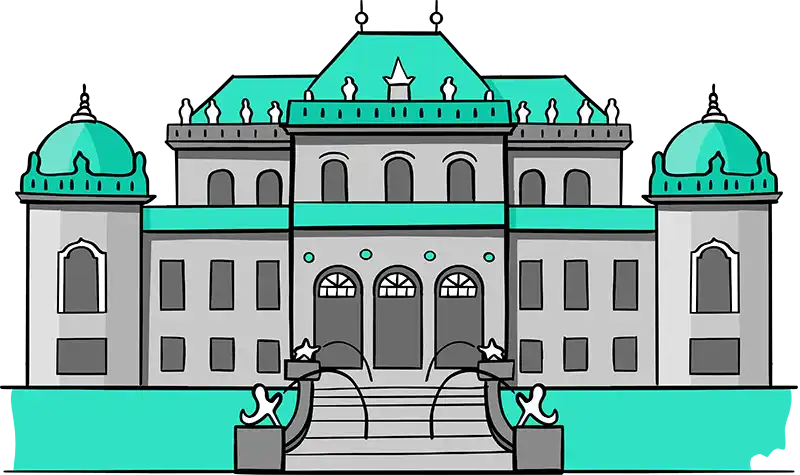
Vienna, the capital of Austria, is renowned for its rich history and stunning architecture. From historic palaces and grand cathedrals to modern marvels and quirky creations, Vienna has something to offer for everyone.
We love Vienna and have visited the city a few times! Over the years, we’ve developed a deep appreciation for its diverse and iconic landmarks. In our opinion, Vienna is easily one of the most beautiful cities in Europe!
With our passion for architecture and extensive experience exploring Vienna, here’s our list of the 18 most iconic & famous buildings you simply can’t miss! There’s also a map at the bottom to guide you around.
Whether you’re an architecture buff or simply appreciate beautiful buildings, we’re sure Vienna will leave you awestruck!
Short on time?
Here’s our Vienna architectural must-see list:
 Must-See: Our top 5 picks for iconic buildings in Vienna include:
 Interactive Map: Explore all the key landmarks in this post in our interactive map here.
18 Most Famous Buildings in the Austrian Capital
Here are the top 18 buildings that define Vienna’s architectural style and heritage:
1. St Stephen’s Cathedral (Stephansdom)
Style: Gothic
St. Stephen’s Cathedral is an iconic symbol of Vienna and a must-see if you visit the city! The cathedral has a beautiful, colourful roof with over 230,000 glazed tiles. It shows two large mosaics: the double-headed eagle symbolising the Habsburg dynasty and the coat of arms of Vienna.
The cathedral was first built in 1137. Over the centuries, it has been expanded and renovated many times, mixing Romanesque and Gothic styles. The current structure, primarily Gothic, was completed in 1511.



Did you know? In 1781, the famous composer Wolfgang Amadeus Mozart married Constanze Weber at St. Stephen’s Cathedral.
For amazing views of Vienna, you can either climb 343 steps to the top of the South Tower or take the elevator to the North Tower. Although shorter than its southern counterpart, the North Tower offers stunning views – we loved the views from there!
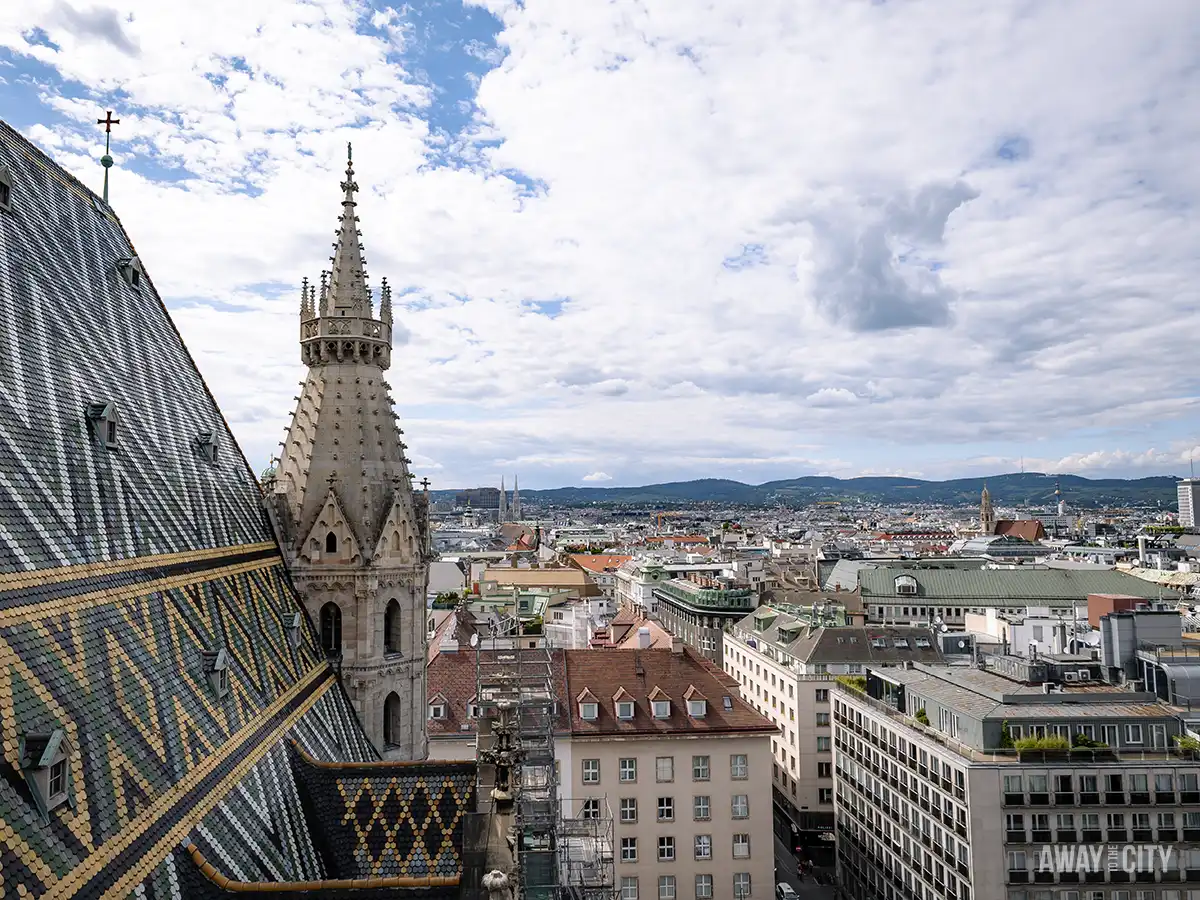
Our top tip: We recommend joining a guided tour of St. Stephen’s Cathedral, such as this Secrets of St. Stephan’s tour. These tours often include areas not accessible to the general public, like the cathedral’s upper floors.
2. Schönbrunn Palace (Schloss Schönbrunn)
Style: Baroque, Rococo
Schönbrunn Palace is Austria’s most visited tourist attraction for a reason! This UNESCO World Heritage Site is a great place to experience the grandeur of Vienna’s imperial past. It was once the summer residence of the Habsburgs.
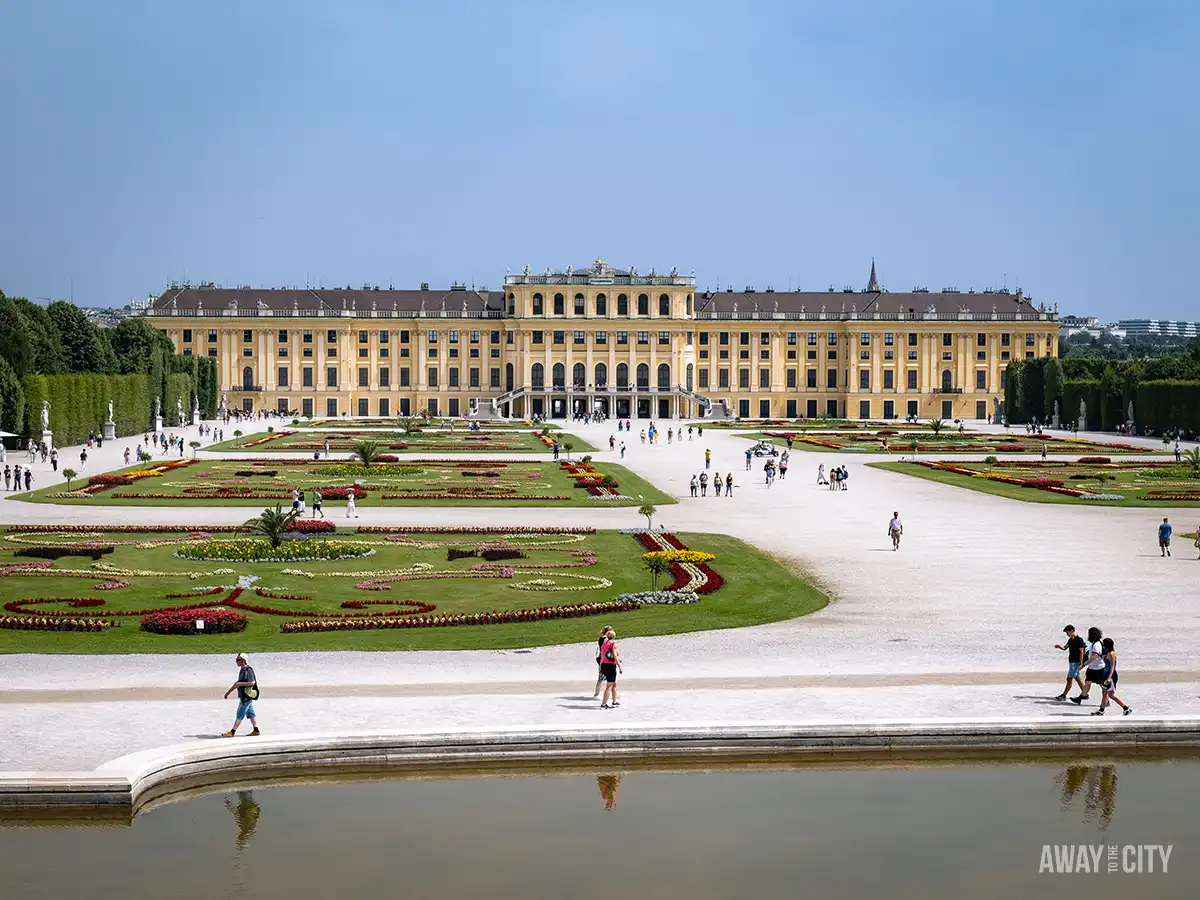
Originally built as a hunting lodge in the 16th century for Holy Roman Emperor Maximilian II, Schönbrunn was transformed in the 17th century. Empress Maria Theresa expanded the lodge into a grand summer residence fit for royalty.
The complex is massive! Schönbrunn Palace has 1,441 rooms, with 45 open to the public. Highlights of the palace park include the Gloriette (a grand pavilion), the Tiergarten (the world’s oldest zoo), a Maze, and the Palm House.
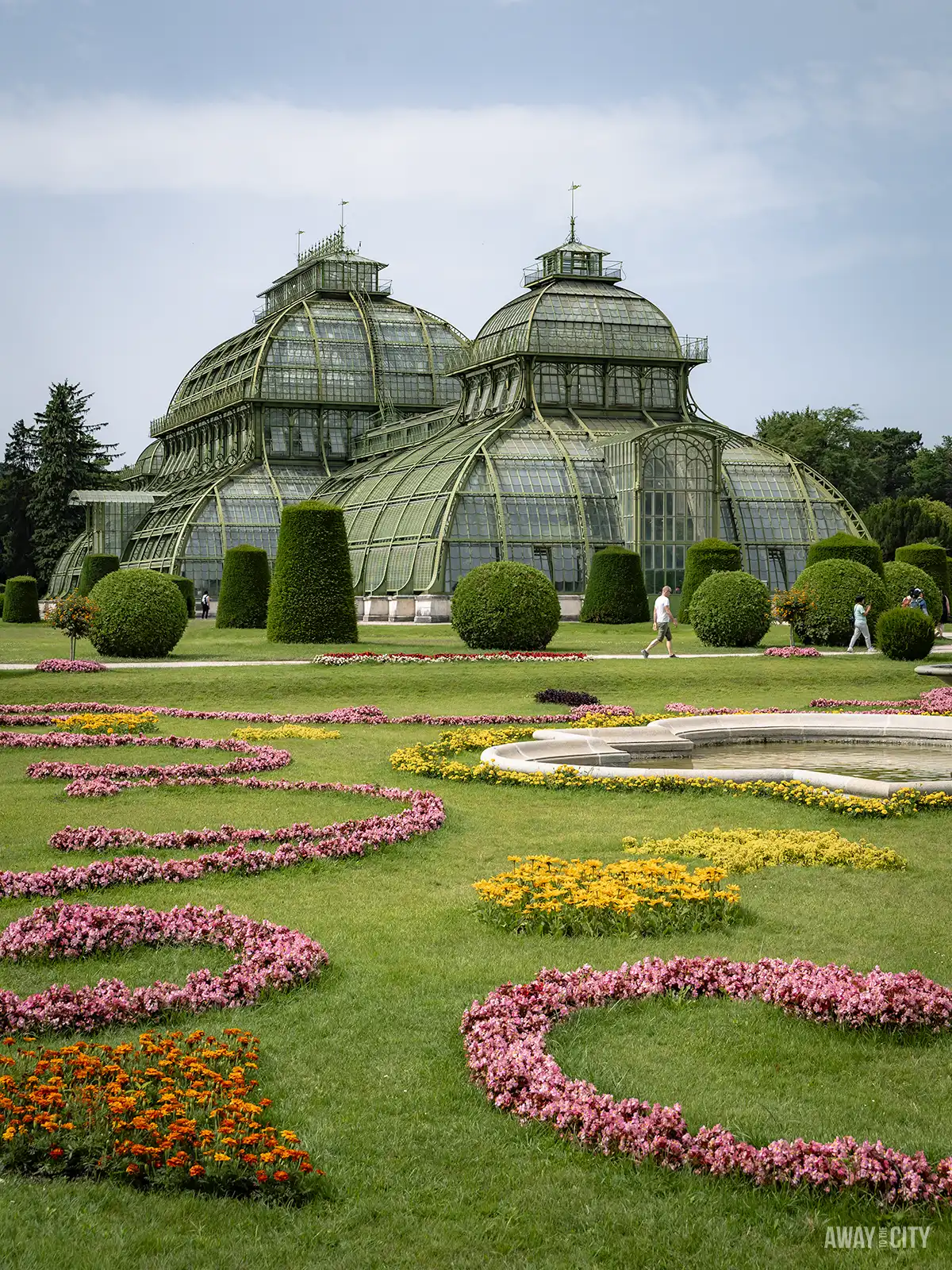
While the interior of Schonbrunn Palace is impressive, we preferred the interior of the Habsburgs’ winter residence, the Hofburg.
Our top tip: You can visit the gardens for free all year round. If you want to see the interior of Schönbrunn, buy your entrance ticket online in advance on the official Schönbrunn Palace website.
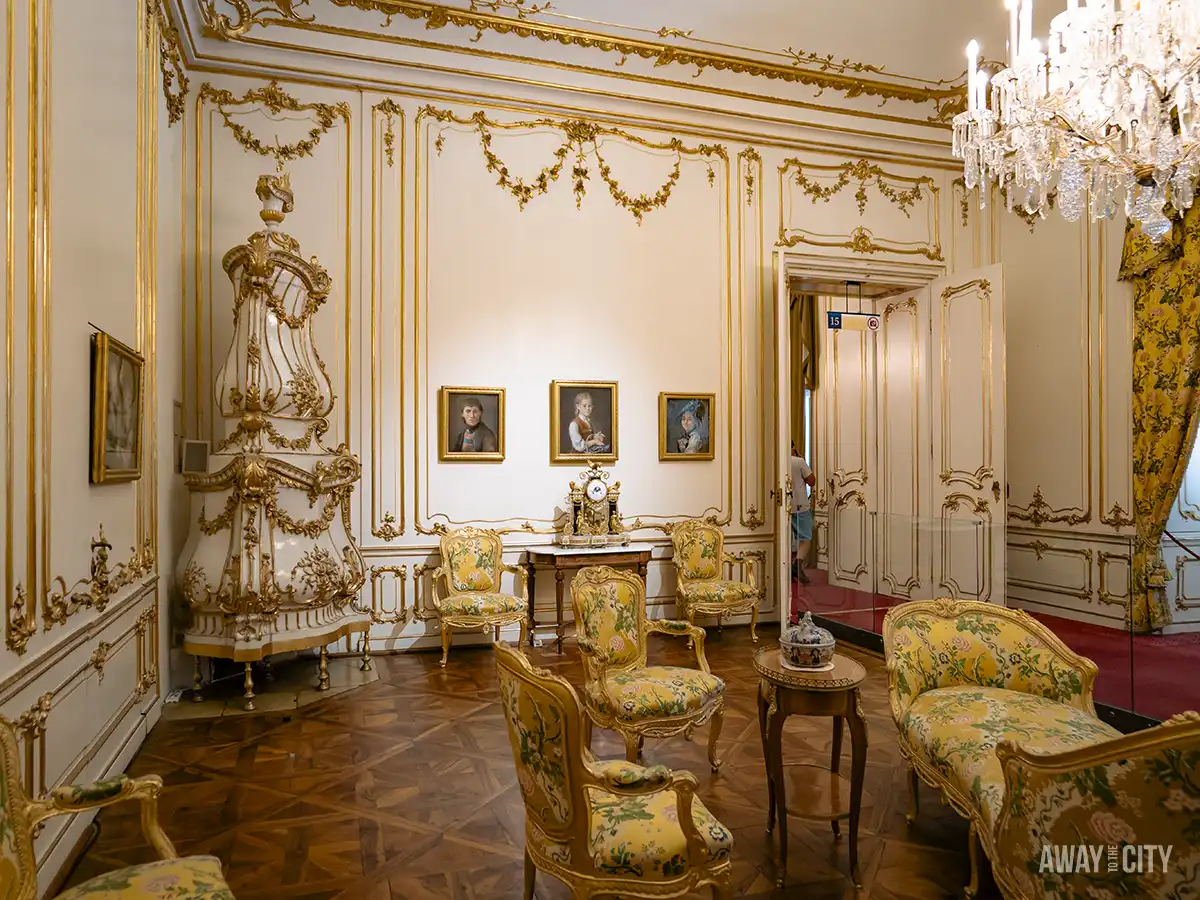
Schönbrunn Palace is an absolute must-visit for anyone interested in Vienna’s imperial past and stunning palace grounds!
3. Vienna State Opera (Wiener Staatsoper)
Style: Neo-Renaissance
The Vienna State Opera is one of the world’s most prestigious opera houses, along with others like the Teatro alla Scala in Milan, the Metropolitan Opera House (“The Met”) in New York City, the Sydney Opera House, or the Hungarian State Opera in Budapest.
This neo-Renaissance masterpiece was designed by architects August Sicard von Sicardsburg and Eduard van der Nüll.
The Opera House in Vienna was the first major building constructed on the Ringstrasse (Ring Road), a grand boulevard that circles Vienna’s historic city centre. Completed in 1869, it marked a new era in Viennese architecture and cultural significance.

Did you know? The Vienna State Opera House offers a unique and affordable way to experience opera: standing-room tickets are available for most performances.
Every year, the Wiener Staatsoper hosts the Vienna Opera Ball, a glamorous social event that attracts international celebrities. This glittering ball, steeped in tradition, is a highlight of the Viennese social calendar.
4. Library and Learning Centre, Vienna University of Economics and Business
Style: Blend of Deconstructivism and Futurism
We absolutely love Zaha Hadid’s designs, so visiting one of her latest projects in Vienna was a must for us!
Hadid is famous for designing landmarks like London’s Aquatics Centre, New York City’s 520 West 28th Street next to the High Line, and Seoul’s Dongdaemun Design Plaza (DDP). Her buildings always push the boundaries of modern architecture.
The Library and Learning Centre (LLC) at the Vienna University of Economics and Business is another stunning example of her futuristic works! It was finished in 2013 as part of the university’s new campus.


Outside, there’s an angular design with black and white colours. However, it’s inside where the building truly shines.
Imagine walking into a place that feels like it’s from a sci-fi movie. There are many sweeping curves, a lot of open space, and tons of natural light.
If you’re a fan of futuristic architecture and find yourself in Vienna, visiting the LLC is a must-do!
5. Austrian Parliament Building (Parlament Österreich)
Style: Greek Revival
The Austrian Parliament is an important historical building where the Austrian Parliament meets. It’s located on the Ringstraße (Ring Road), the boulevard that encircles Vienna’s Innere Stadt (Inner city). It’s lined with many of the city’s iconic buildings.
Designed by Theophil Hansen, the building is home to the National Council (Nationalrat) and the Federal Council (Bundesrat), Austria’s two parliamentary chambers. Construction started in 1874 during the reign of Emperor Franz Joseph I and finished in 1883.
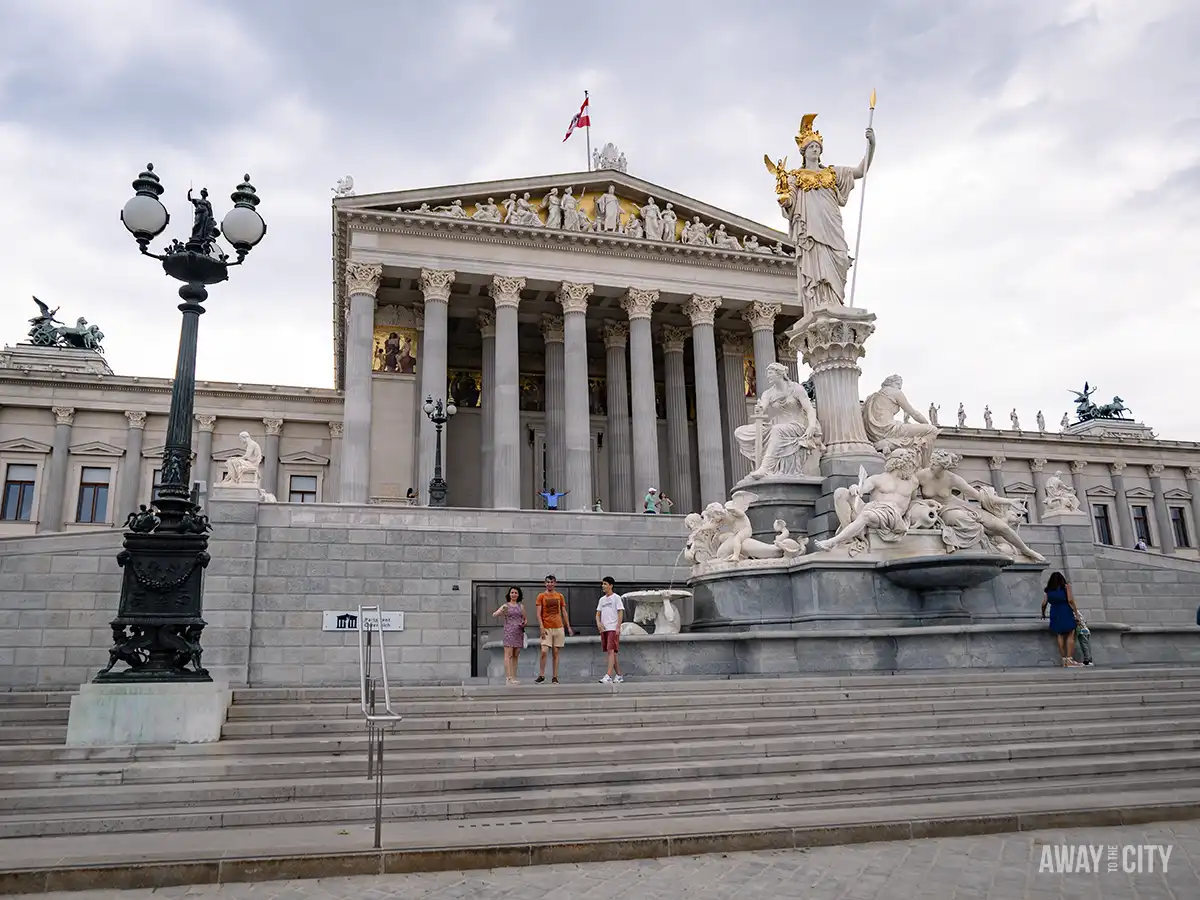
The building’s design is inspired by ancient Greek architecture, known as the Greek Revival style. It was popular in Europe in the 19th century and reflects democratic ideals.
Our top tip: You can take a free guided tour of the Parliament Building to learn about its architecture, history, and how Austrian democracy works. Make sure to register several days ahead on the official Parliament Austria website to secure your spot.
6. Belvedere Palace (Schloss Belvedere)
Style: Baroque
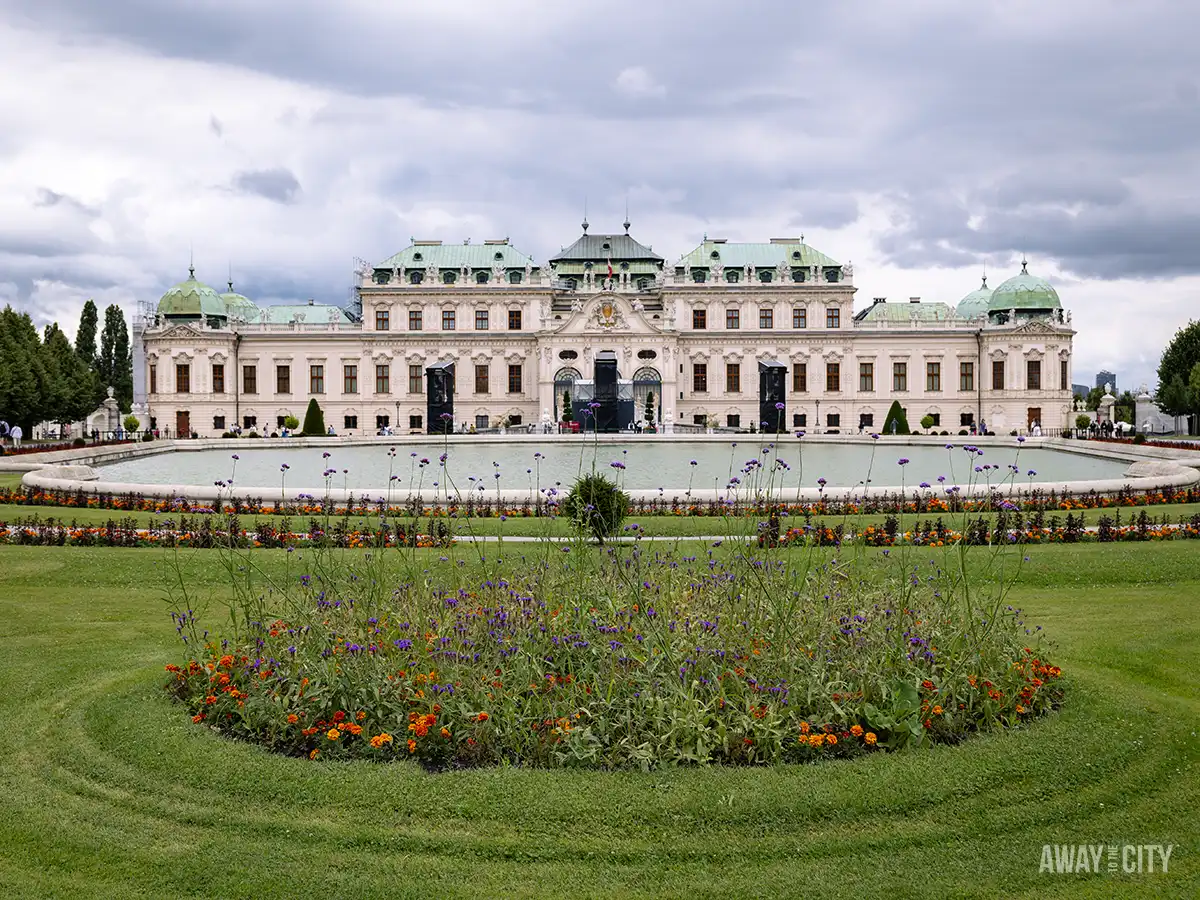
Belvedere Palace is one of Vienna’s most stunning landmarks. The complex includes two Baroque palaces: the Upper and Lower Belvedere. The Lower Belvedere was designed to be a prelude to the grander Upper Belvedere.
The complex was built in the early 18th century as a summer residence for Prince Eugene of Savoy. He was a key figure in European history, known for his military victories against the Ottoman Empire.

Did you know? Napoleon Bonaparte once used the Lower Belvedere as his headquarters during his occupation of Vienna.
These two palaces are connected by beautiful gardens with several fountains and sculptures.
Today, Belvedere Palace houses the art collection of the Belvedere Museum, including works by Gustav Klimt, Egon Schiele, and Claude Monet.
7. Imperial Palace (Wiener Hofburg)
Style: Mix of Baroque, Renaissance, and Neoclassical
The Hofburg served as the imperial palace of the Habsburg dynasty for over 600 years.
It’s a vast complex with 18 buildings and more than 2,600 rooms. For comparison, the Palace of Versailles in France has around 2,300 rooms, while the Buckingham Palace in the UK has ‘only’ 775 rooms.

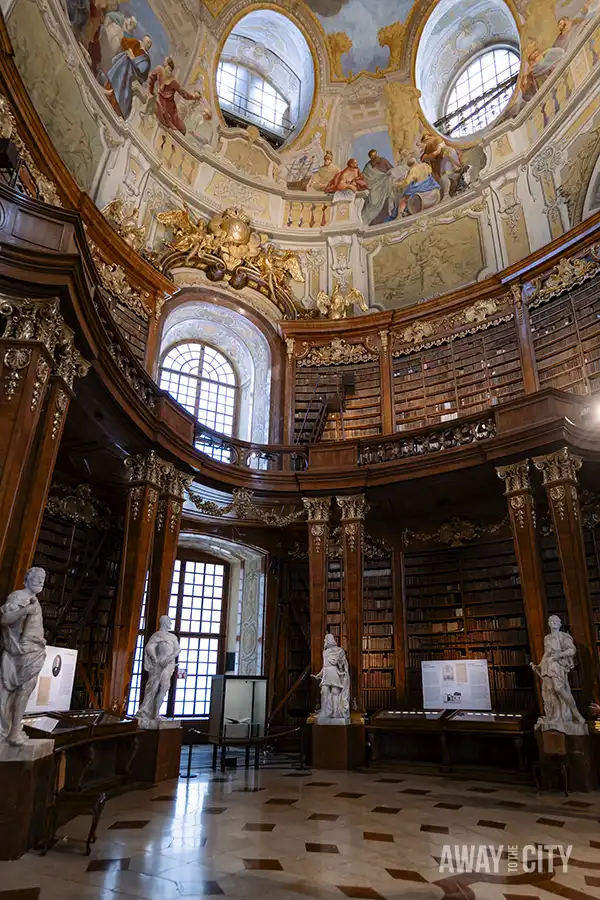

After the Habsburg monarchy fell in 1918, the Hofburg became a versatile complex.
Today, parts of the Hofburg Palace are home to the Spanish Riding School (Spanische Hofreitschule), the Austrian National Library, and several collections and museums. These include the Sisi Museum in the Imperial Apartments (Kaiserappartments), the Imperial Treasury (Kaiserliche Schatzkammer), and more.

Our top tip: Exploring all the museums in the Imperial Palace could easily fill two days. If you only have time for one of Hofburg’s museums, our top pick would be the Sisi Museum in the Imperial Apartments! Empress Elisabeth, known as “Sisi”, remains an iconic figure in Vienna. With your entrance ticket, you’ll get insights into the imperial family and can tour the Imperial Apartments.
In recognition of its historical and cultural significance, the Hofburg was designated as a UNESCO World Heritage Site in 2001.
8. Hundertwasser House (Hundertwasserhaus)
Style: Expressionist
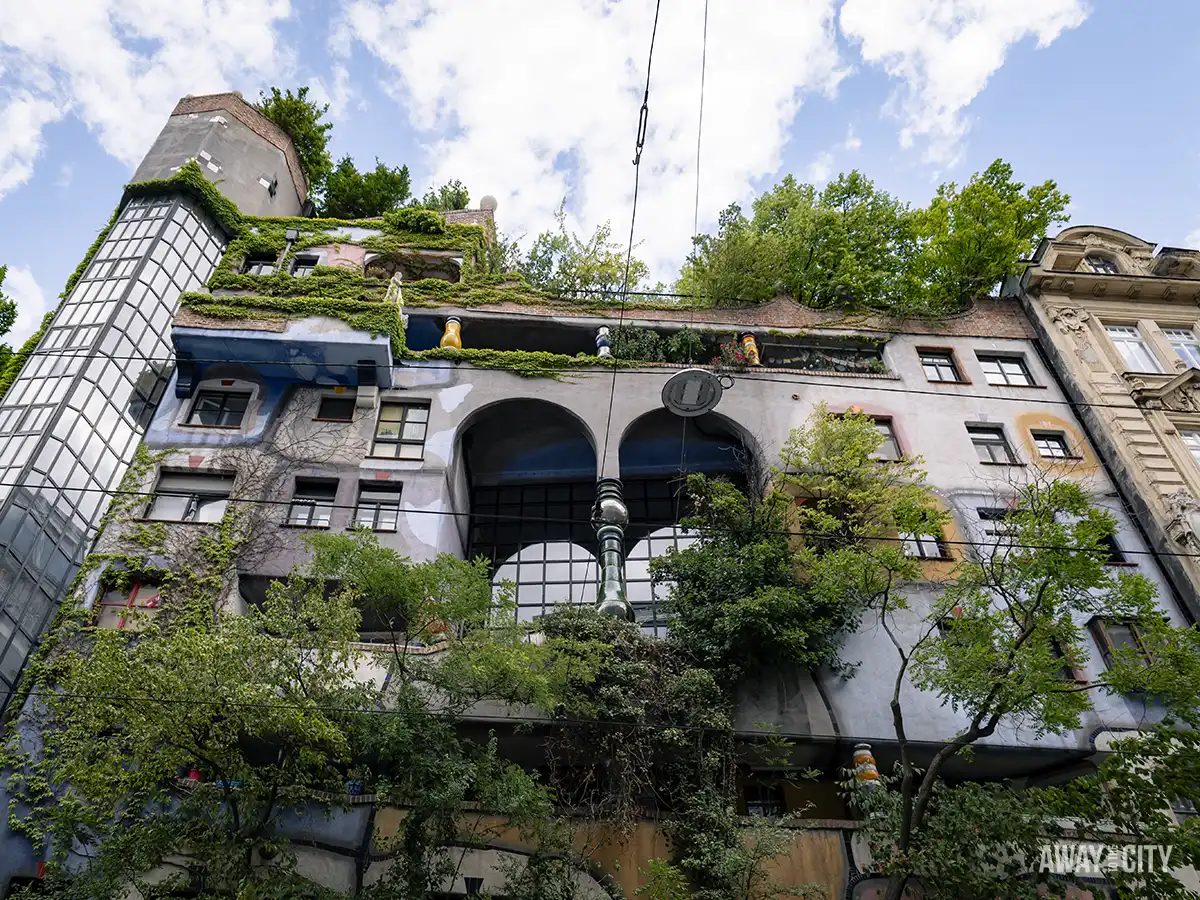
The Hundertwasser House in Vienna is one of Vienna’s most photographed buildings. We have to admit: it’s not our favourite building, but it’s definitely unusual and worth checking out!

The house was designed by Friedensreich Hundertwasser, a renowned architect and artist known for rejecting straight lines and embracing organic shapes. The Hundertwasser House is an excellent example of expressionist architecture.
Built in 1985, the building is covered in colourful tiles, mosaics, and bright paint, showing off Hundertwasser’s artistic style.
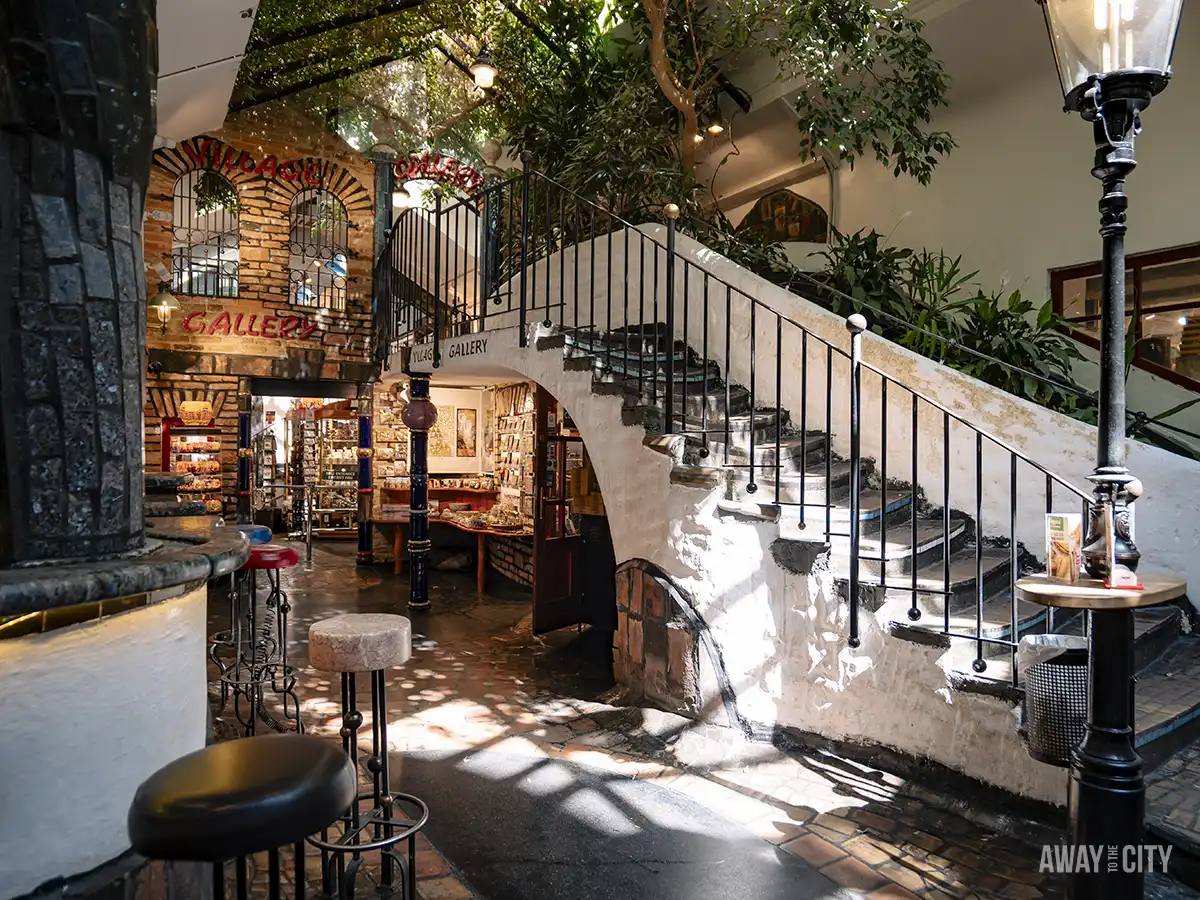
Our top tip: When you visit the Hundertwasser House, take a look at the Hundertwasser Village located directly across from the Hundertwasser House. It’s a small shopping centre that was also designed by Hundertwasser himself.
9. Vienna City Hall (Wiener Rathaus)
Style: Neo-Gothic
Built between 1872 and 1883, Vienna City Hall was designed by the renowned architect Friedrich von Schmidt. The building’s design was inspired by the Gothic style of the Middle Ages, which you’ll notice in its pointed arches, tall spires, and stone carvings. It’s a true Gothic masterpiece!
The City Hall houses the offices of the city administration and the Vienna City Council chambers.
Did you know? Over 30 million bricks were used to construct the Vienna City Hall.
The central tower of the building is topped by a statue of the Rathausmann, a knight holding a lance.
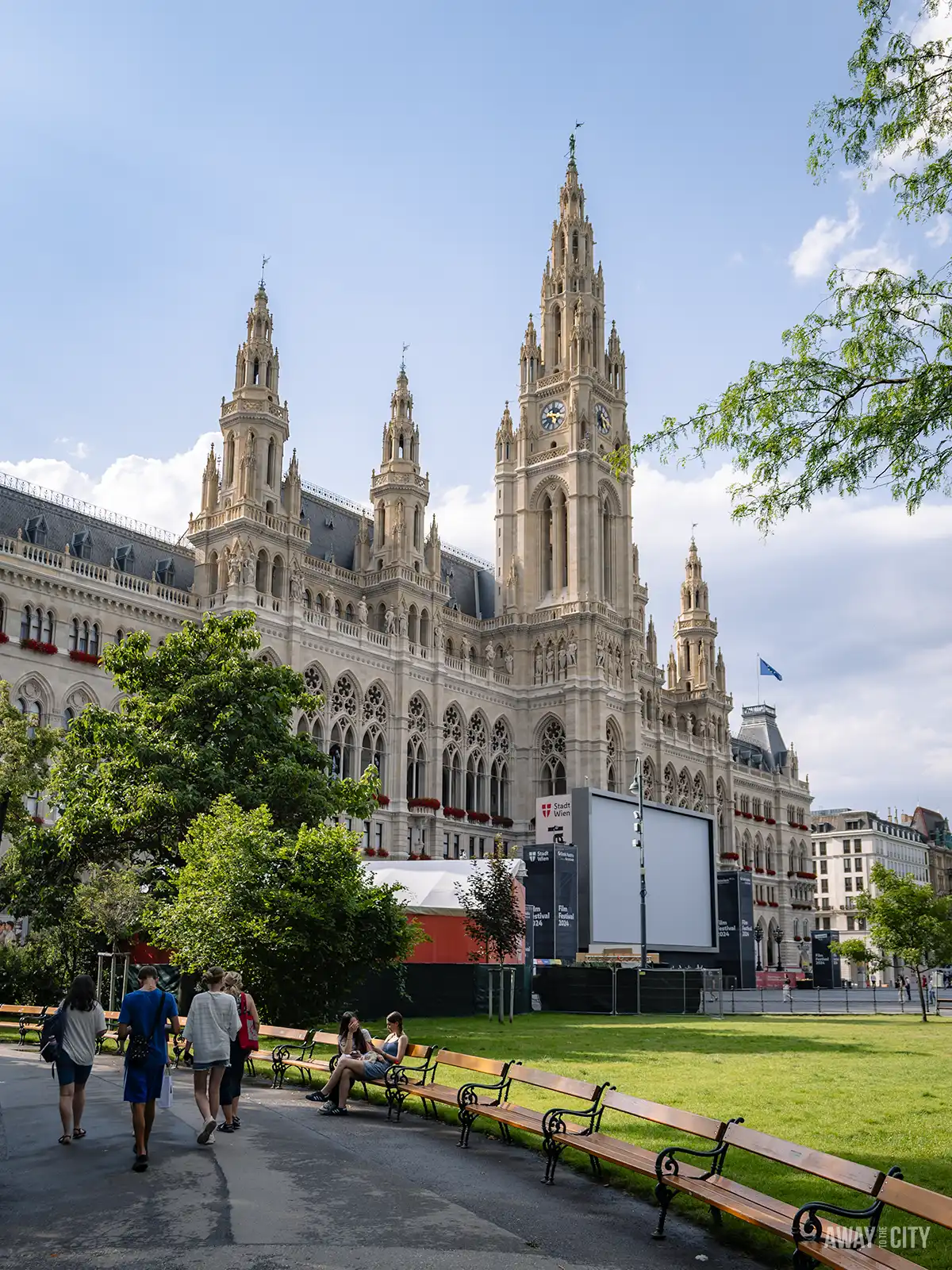
The Vienna City Hall has one of the largest courtyards in Europe, the Colonnaded Courtyard.
The Rathausplatz Square in front of the City Hall transforms throughout the year, hosting everything from Christmas markets and ice-skating rinks to open-air concerts and cultural events.
10. SO/ Vienna
Style: Modern
While you might not notice the SO/ Vienna building during the day, it transforms into a gem after dark! Designed by the French architect Jean Nouvel, this 5-star hotel next to the Danube Canal becomes an illuminated masterpiece.
Formerly known as Sofitel Vienna Stephansdom, the hotel features three levels of colourful ceiling compositions: one at the entrance, another in the lobby’s lofty space, and a third on the top floor.

On the 18th floor, you’ll find Das LOFT, a Michelin-starred restaurant offering spectacular views of Vienna’s skyline, including landmarks like St. Stephen’s Cathedral.
Our top tip: You don’t need to stay at the hotel to enjoy the hotel’s views or reserve a table – just take the lift to the 18th floor and enjoy a cocktail at their bar while taking in the panoramic views that enhance any visit to Vienna.
11. St Charles’s Church (Karlskirche)
Style: Mainly Baroque, with Renaissance and Roman influences
St. Charles’s Church, known as Karlskirche in German, was built as a vow made by Holy Roman Emperor Charles VI.
In 1713, after a devastating plague swept through Vienna, Charles VI pledged to build a church dedicated to his namesake saint, St. Charles Borromeo, known for healing during plagues.
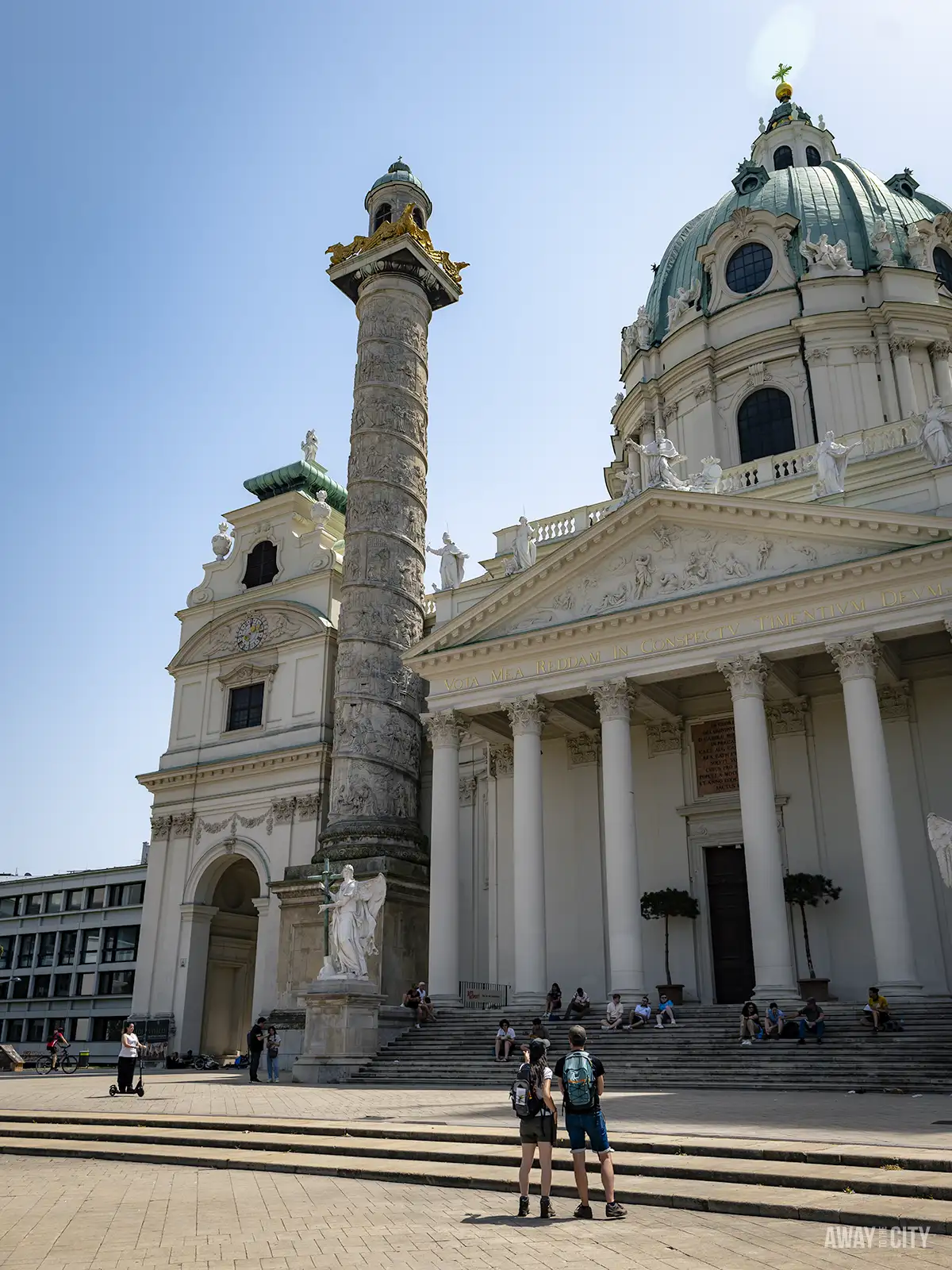
Completed in 1737, Karlskirche is a prime example of the Baroque style in Vienna. However, architect Johann Bernhard Fischer von Erlach also included Renaissance and Roman design elements.
At the main entrance are two 47-metre-tall (154-feet-tall) columns with reliefs showing the life and deeds of St. Charles Borromeo.
Our top tip: When in Vienna, we highly recommend a classical concert at Karlskirche with a period instrument ensemble. You can book your tickets in advance for concerts like Vivaldi’s Four Seasons for a unique Vienna experience!
12. Museum of Art History (Kunsthistorisches Museum) & Natural History Museum (Naturhistorisches Museum)
Style: Renaissance Revival
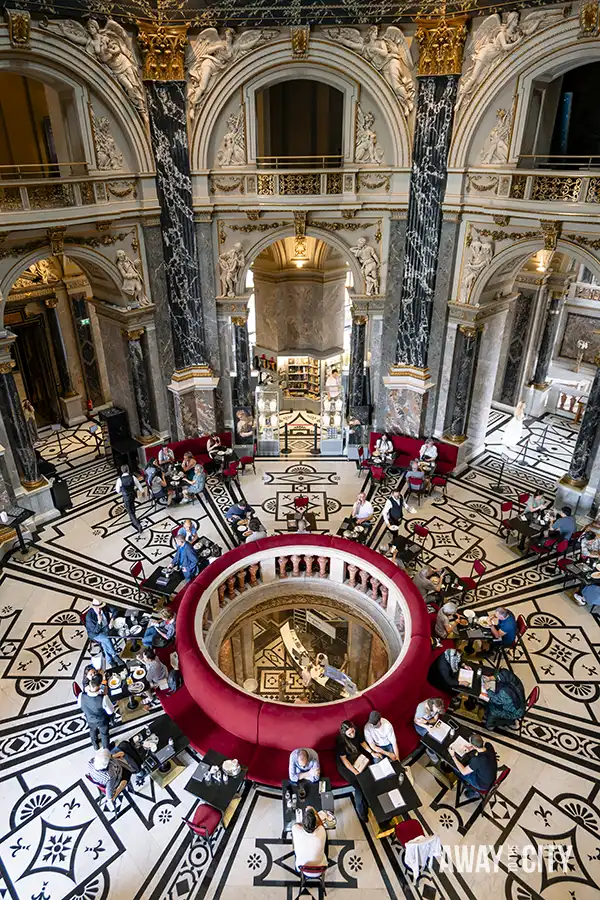
The Kunsthistorisches Museum (KHM) and the Naturhistorisches Museum (NHM) in Vienna are twin museums flanking Maria-Theresien-Platz, a grand square in the heart of the city.
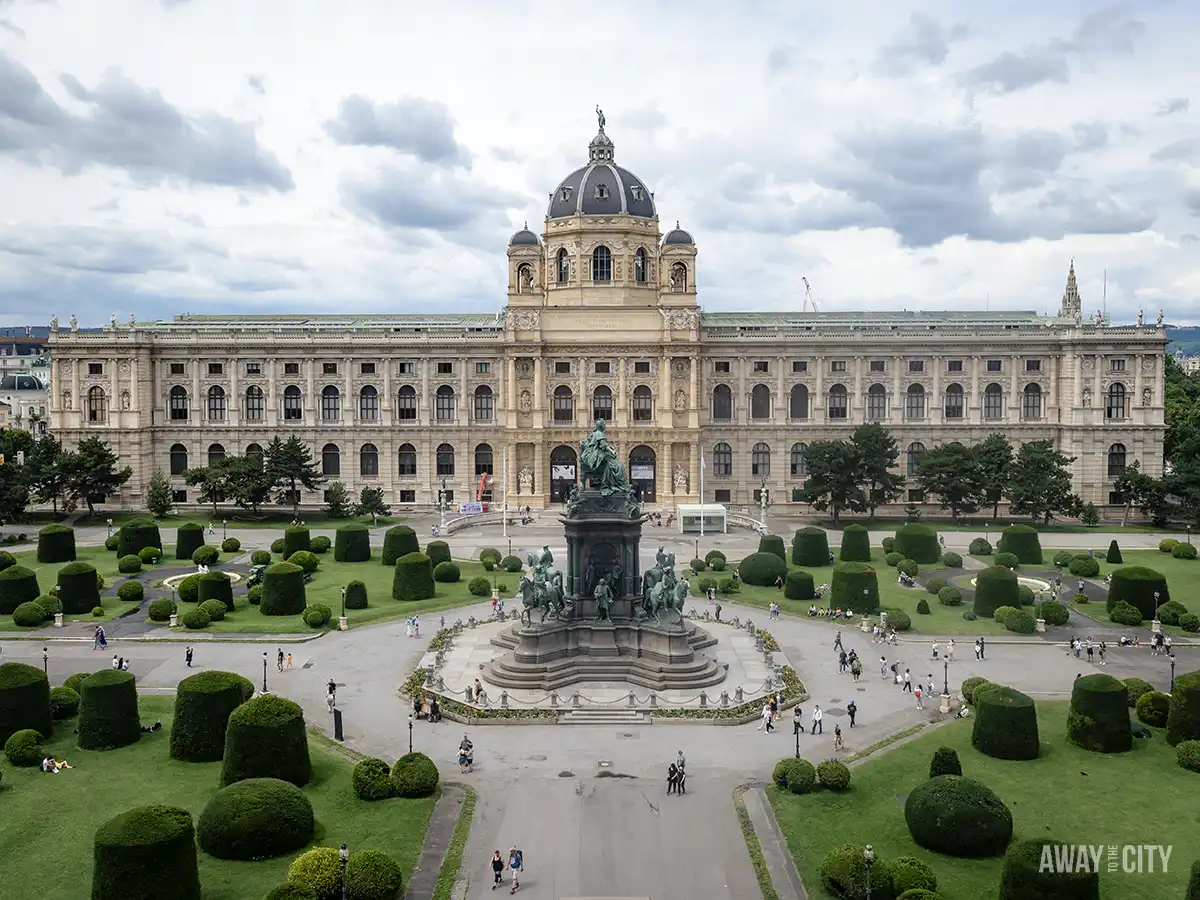
Both museums are examples of High Renaissance Revival architecture, a 19th-century movement inspired by the grandeur and symmetry of classical Italian Renaissance architecture.
These museums were commissioned by Emperor Franz Joseph I of Austria-Hungary between 1871 and 1891. They were intended to house the vast collections of the Habsburg dynasty and serve as a testament to the family’s power and cultural heritage.
Their placement facing each other across Maria-Theresien-Platz, a square named after Empress Maria Theresa, highlights the Habsburgs’ importance on art and science.

13. Vienna Secession Building (Ausstellungsgebäude der Wiener Secession)
Style: Art Nouveau (Jugendstil)
This striking building, with its golden dome, was designed by Joseph Maria Olbrich and is a symbol of Vienna’s Art Nouveau movement. Built in 1897, it made a bold statement in architecture.
The Secession Building was created as an exhibition hall for the Vienna Secession, a group of artists and designers who wanted to break away from traditional art styles.
The golden dome, made of 3,000 gilded leaves, is sometimes nicknamed the “golden cabbage”.

The building’s exterior is simple, with white walls and golden details. It stood out against the ornate historic buildings common in Vienna at the time, showing a move towards a more modern look in the city’s architecture.
Inside, the Secession Building hosts many exhibitions of contemporary art. It’s still an important place for contemporary art, artistic expression and cultural discussion in Vienna.
14. DC Tower 1
Style: Modern
Completed in 2014, DC Tower 1 is a relatively new building in Vienna and the tallest skyscraper in Austria. With its 250 metres (820 feet), DC Tower 1 is a prominent example of contemporary architecture in Vienna.
The tower was designed by French architect Dominique Perrault, known worldwide for projects like the Court of Justice of the European Communities in Luxembourg City, the National Library in Paris, and the Ewha Womans University Campus Centre in Seoul.
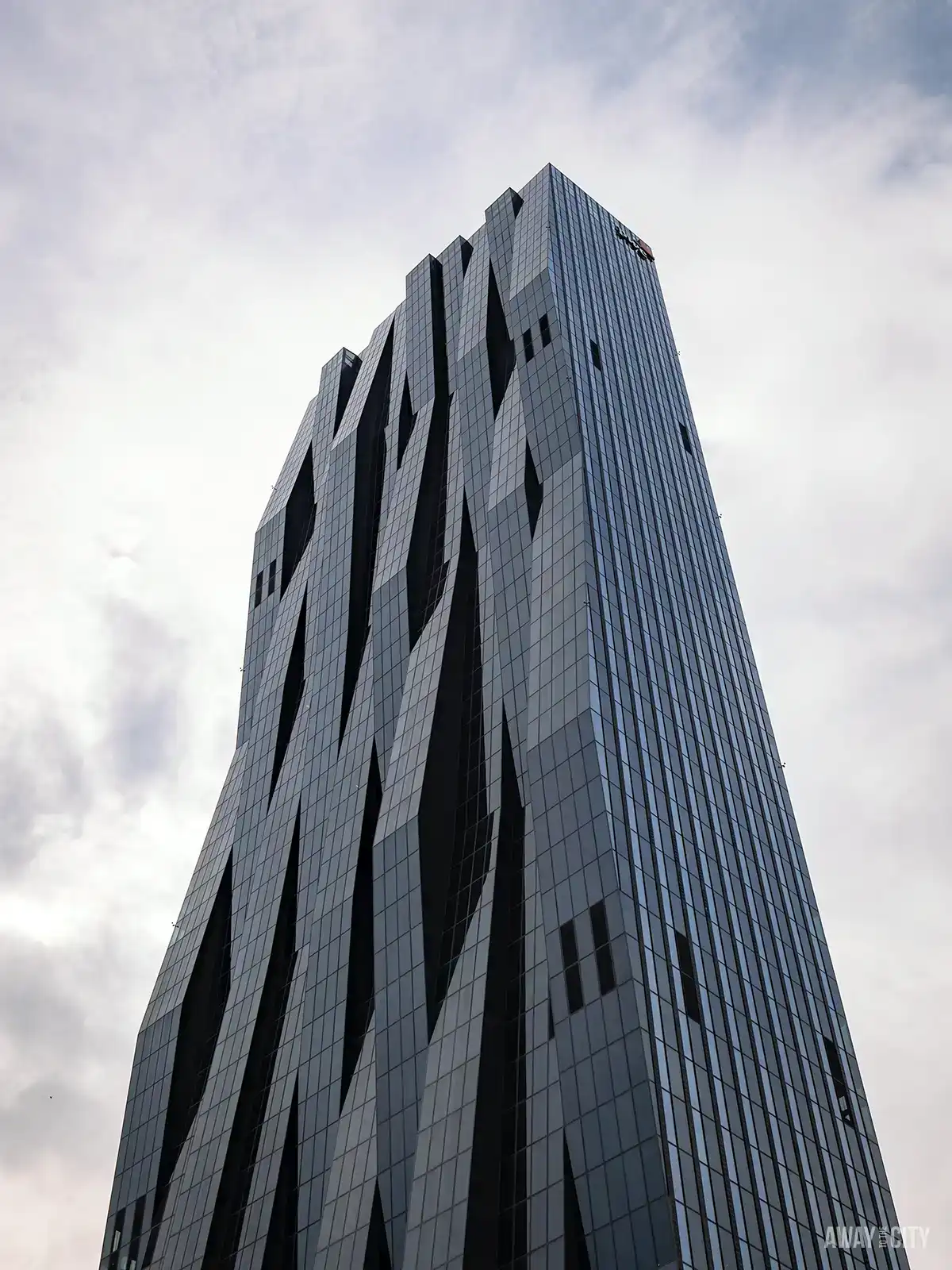
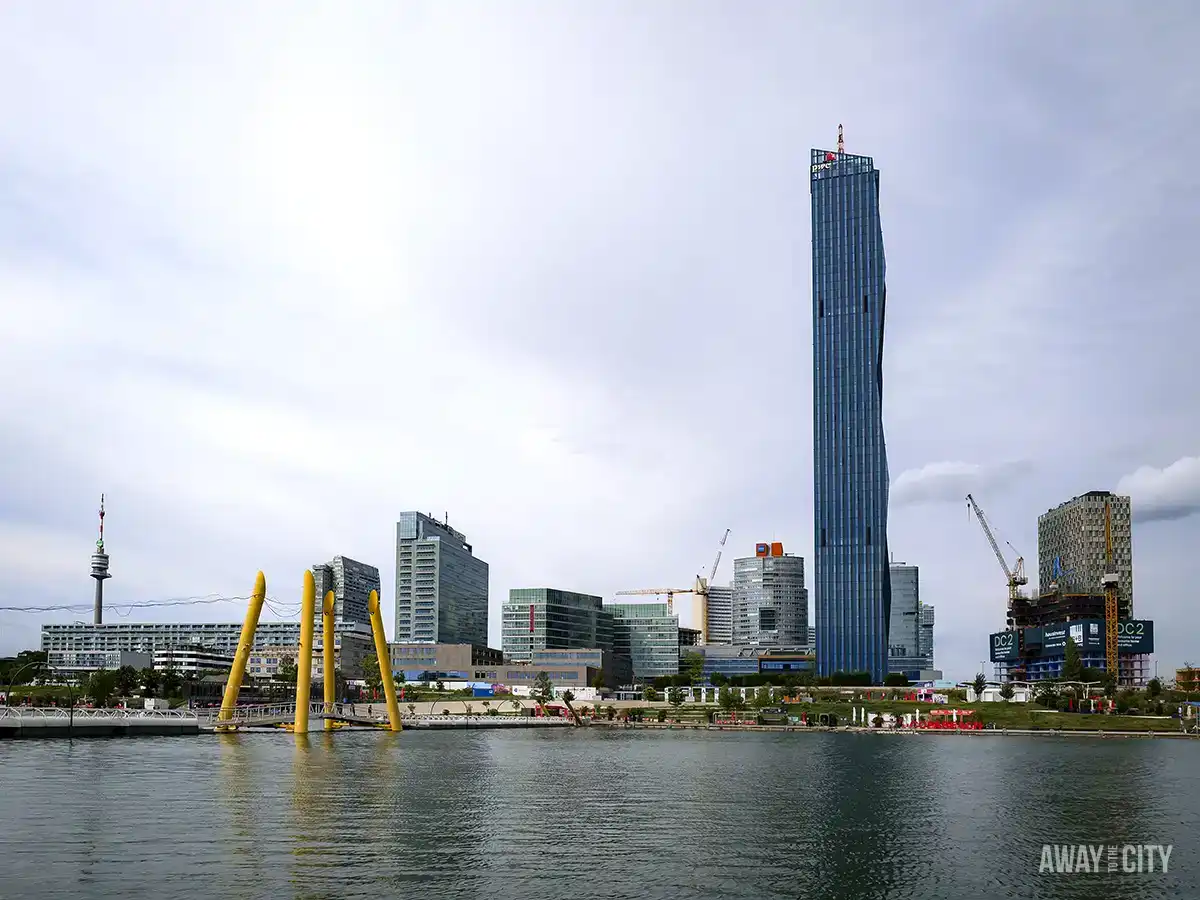
DC Tower 1 has a bold and sleek design that contrasts with Vienna’s historic architecture. It’s situated in the Donau City district (hence the name DC Tower), a modern and rapidly developing area.
Originally planned as part of a larger project with a second tower, construction of DC Tower 2 has been repeatedly delayed. However, it’s likely to be completed in 2026.
15. St Peter’s Church (Peterskirche)
Style: Baroque
St. Peter’s Church (Peterskirche in German) is a beautiful Baroque church in the heart of Vienna. In our opinion, the interior is the most stunning of all the churches we’ve explored in Vienna.
The church is hidden in a small plaza in the inner city, close to the Graben, and it’s relatively small.
Did you know? The renowned composer Joseph Haydn served as St. Peter’s Church’s Kapellmeister (music director) from 1769 to 1809. He composed numerous works that were premiered there.


The current structure was completed in 1733 and modelled after St. Peter’s Basilica in Rome.
Our top tip: St. Peter’s Church is known for its excellent acoustics, making it the perfect place for classical music concerts. Book tickets for an evening in the vaults of St. Peter’s Church and enjoy a performance of works by famous composers such as Mozart and Beethoven.
16. Majolica House (Majolikahaus)
Style: Art Nouveau (Jugendstil)
When we walked past Majolica House for the first time, we barely noticed it. There are so many grand palaces and opulent buildings in Vienna. Compared to these, the Majolica House might seem less imposing, but it’s quite a significant building in Vienna.

The building gets its name from the majolica tiles that cover its exterior, a type of glazed earthenware. You may not even notice the tiles immediately from afar. They show floral patterns and motifs and are both decorative and practical since they are easy to clean and maintain.
The extensive use of majolica tiles was innovative for its time and paved the way for more experimentation with new materials in architecture.
Designed by the famous Austrian architect Otto Wagner, the Majolica House was completed in 1898 as part of his larger project to modernise the city’s architecture. It’s one of the first and most prominent examples of the Vienna Secession movement, a key artistic movement in Viennese history.
17. Gasometer
Style: Industrial
The Wiener Gasometer is a great mix of old and new architecture. Built between 1896 and 1899, these four large gas storage tanks were once crucial to Vienna’s gas supply. With a height of 70 metres (230 feet) and a diameter of 60 metres (197 feet), they were once Europe’s largest gas storage facilities.
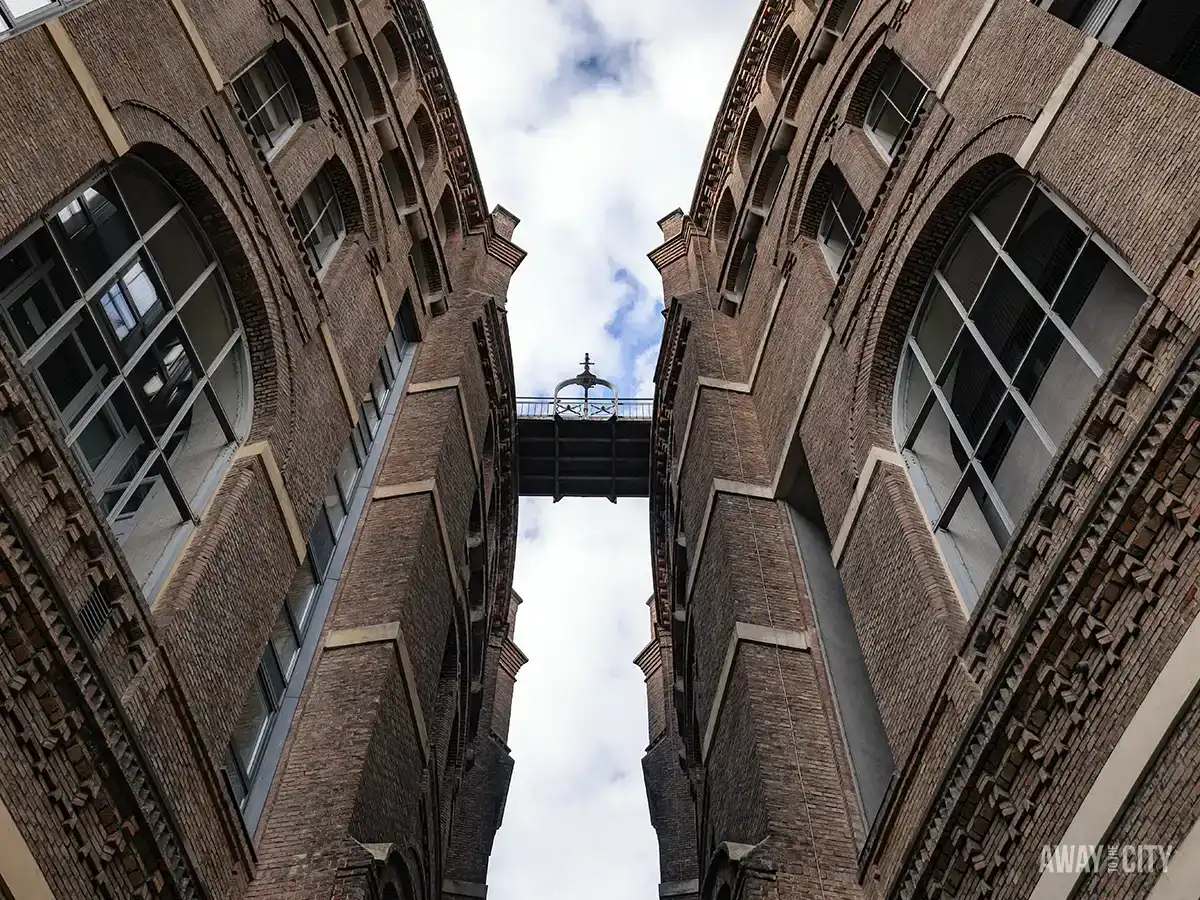
By the late 20th century, the gasometers were no longer needed and were shut down. Instead of tearing them down, the city decided to reuse them.
Did you know? Gasometer A was a filming location for the James Bond movie “The Living Daylights”, released in 1987.
Between 1999 and 2001, the gasometers were turned into a unique complex with over 200 apartments, offices, a shopping mall, a music hall, and a student dormitory.

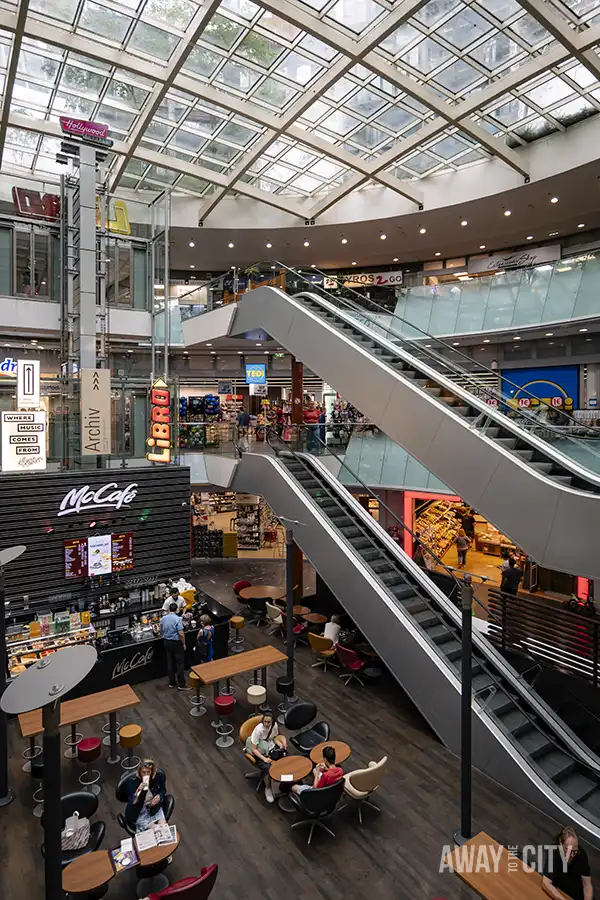
The outside of the gasometers keeps the original brick look, preserving its industrial heritage. Bridges connect the four gasometers so visitors and residents can easily move between them.
To be frank, we didn’t spend too much time at the Gasometer. The shopping centre is a bit dated, but the industrial architecture is impressive to see.
18. St Rupert’s Church (Ruprechtskirche)
Style: Romanesque
St. Rupert’s Church is Vienna’s oldest church. It’s named after St. Rupert of Salzburg, the patron saint of salt merchants. The area around the church was once a hub for the salt trade on the Danube River.

Historians believe the church existed on the site as early as the 740s (the Middle Ages). Its Romanesque architecture has been preserved, although it has undergone several renovations and expansions over the centuries.
Due to these modifications, the church features a mix of architectural styles, but its medieval charm remains intact.
Interactive Map: Iconic Buildings to Visit in Vienna
Explore our interactive map to locate all the famous and important buildings mentioned in this post:
How to use this map: Click the icon in the top left to see the full list of locations. For a bigger view, open it in a new tab via the top-right icon. You can also save it to your own Google Maps by clicking the star next to the map title.
FAQ: Famous Buildings in Vienna
In this FAQ section, we’ll answer some of the most common questions about Vienna’s renowned architectural landmarks.
Which building is considered the most iconic landmark in Austria?
The iconic building of Austria is often considered to be Schönbrunn Palace (Schloss Schönbrunn) in Vienna. This Baroque masterpiece served as the summer residence of the Habsburg monarchs and is renowned for its grand architecture, vast gardens, and historical significance.

What are the architectural styles that define Vienna?
Vienna is renowned for its blend of old and new architecture, featuring stunning Baroque landmarks such as St. Stephen’s Cathedral and Schönbrunn Palace, alongside Art Nouveau landmarks like the Secession Building. Modern architecture is also notable, such as the DC Tower 1.
What is the city of Vienna known for?
Vienna is known for its rich cultural heritage, classical music legacy as the home of Mozart, Beethoven, and Strauss, elegant coffee houses, historic palaces like Hofburg and Schönbrunn, and architectural marvels from Baroque to modern styles.

What is the most recognisable landmark building in Vienna?
St. Stephen’s Cathedral is Vienna’s most recognisable landmark building. This Gothic landmark, with its colourful tiled roof and towering spires, dominates the city skyline.
What is the most photographed house in Vienna?
The most photographed house in Vienna is likely the Hundertwasser House. Designed by Friedensreich Hundertwasser, this quirky, colourful building stands out with its unconventional architecture and playful details.
Which famous palace in Vienna is a must-see?
Schönbrunn Palace (Schloss Schönbrunn) is the quintessential palace to visit in Vienna. It offers a glimpse into the opulent lifestyle of the Habsburg monarchy, featuring stunning Baroque architecture and stunning gardens.
Wrap-Up
We really hope this has given you a solid idea of just how varied and striking Vienna’s architecture can be. From grand old cathedrals to sharp-edged modern buildings, the city blends its past and present in a way that feels surprisingly natural.
🇦🇹 Plan Your Vienna Trip with Our Guides