
13 Best Things to Do in Seville in 2026 (+Itinerary for 3 Days)
This post may contain affiliate links, including from Amazon and other trusted partners. If you click a link and make a purchase, we may earn a small commission at no extra cost to you. That said, we only recommend products and services we genuinely use and love. Learn more in our Privacy Policy page.


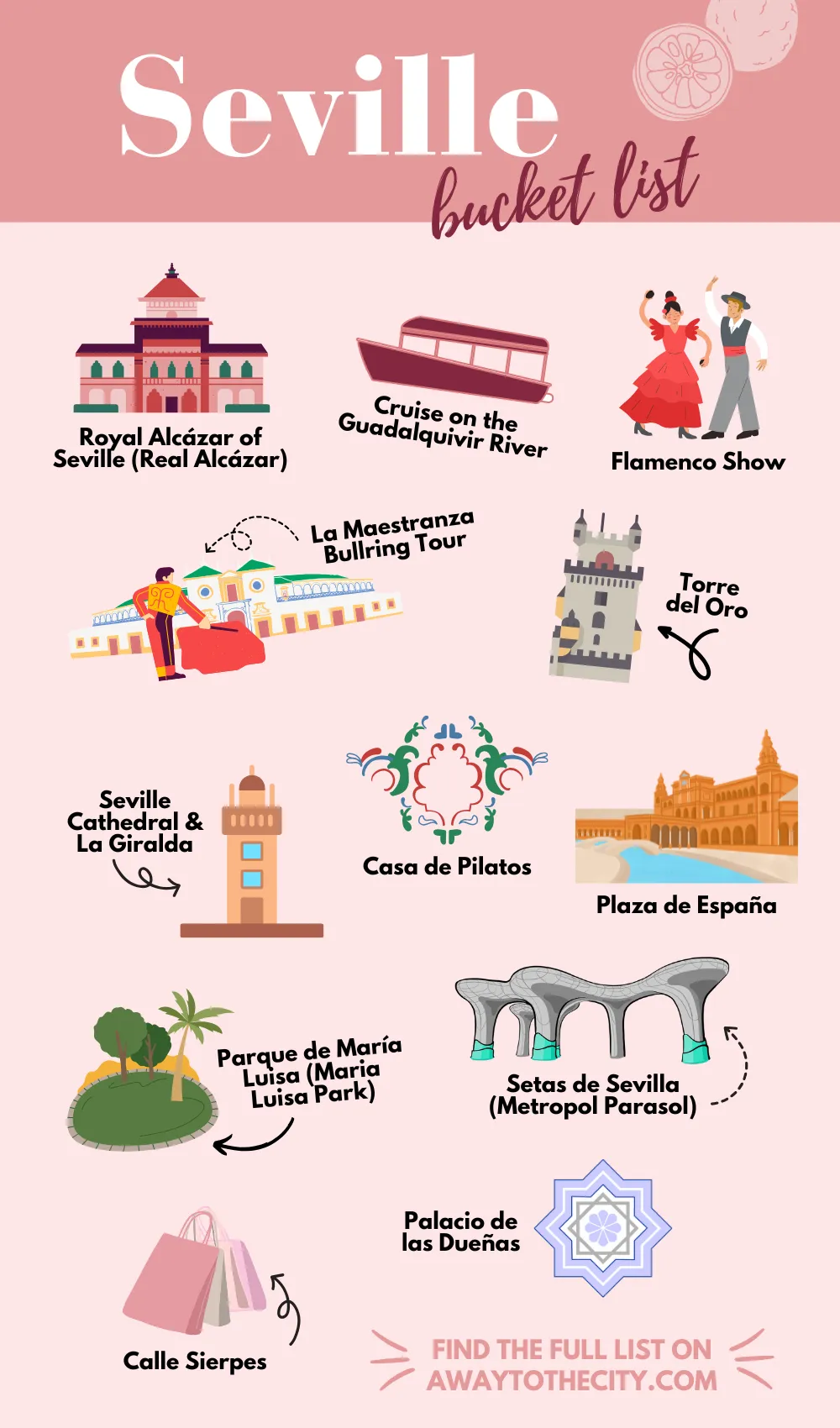
Spain’s full of brilliant cities (Valencia and Barcelona, we’re looking at you!), but Seville’s on another level. It’s Europe’s hottest city (literally), and everything about it feels intense in the best way: the heat, the colour, the energy.
One minute you’re standing in a palace that looks like a film set, the next you’re sipping cold sherry while a flamenco guitarist plays nearby. We’ve been to hundreds of cities in more than 50 countries, and Seville’s easily one of the best we’ve seen.
If you’re visiting Seville and want to make the most of your time, this guide covers the best things to do in Seville – based on what truly stood out when we explored it ourselves.
We’ve included our personal favourites, like the illuminated wooden canopy of Setas de Sevilla, climbing La Giralda for sweeping city views, and gliding down the Guadalquivir River on a boat cruise.
You can experience all of these must-do sights and activities in just 3 days, without rushing or feeling like you’ve missed something essential.
Don’t miss these!
Our Top Picks for Your Seville Trip
Seville gets busy year‑round, so it’s worth planning ahead to make the most of your time. Here are the tours and hotels we’d happily book again.
 Top experiences in Seville
- Royal Alcázar of Seville (our #1 recommendation, this palace is a must-do in Seville!)
- Guadalquivir River cruise (we LOVED this relaxing way to see the city from the water)
- Casa de la Memoria flamenco show (top-rated, intimate venue, a highlight of our trip)
 Best places to stay in Seville
- Posada del Lucero (stunning 16th-century building with boutique charm and delicious breakfast)
- Casa de Indias by Intur (stylish rooms, rooftop views, great base for exploring)
 Looking for the best way to get around Spain? Click here to check rental car rates for Spain!
13 Best Things to Do in Seville (incl. 3-Day Guide)
Seville has a lot to offer, so we recommend spending at least 3 days here as first-time visitors. This gives you ample time to enjoy all the exciting activities without rushing. You can cover Seville’s main attractions and must-see spots within these 3 days.
The best way to explore Seville’s historic centre is on foot. Our itinerary lists all the best things to do and see in a walkable order. This ensures that you can see as much as possible in your 3 days.
3-day itinerary
Here’s the overview of our Seville in 3 days itinerary
Day 1 in Seville
On your first day, you’ll get to see some of Seville’s grand palaces and historical sites. You’ll also enjoy a relaxing boat cruise.
1. Explore the Royal Alcázar’s Palaces and Gardens
The Royal Alcazar of Seville, locally called the Real Alcázar, is a UNESCO World Heritage Site in the Barrio de Santa Cruz, the historic Jewish quarter of Seville. The complex features gorgeous palaces, gardens, and courtyards.

Originally built as a fortress by the Moors in 913 AD, it later evolved into a royal palace. The Spanish King and other royal family members still use the upper floors when they visit Seville for official events.

Did you know? The Royal Alcázar is Europe’s oldest royal palace still in use today, with a history spanning over 700 years!

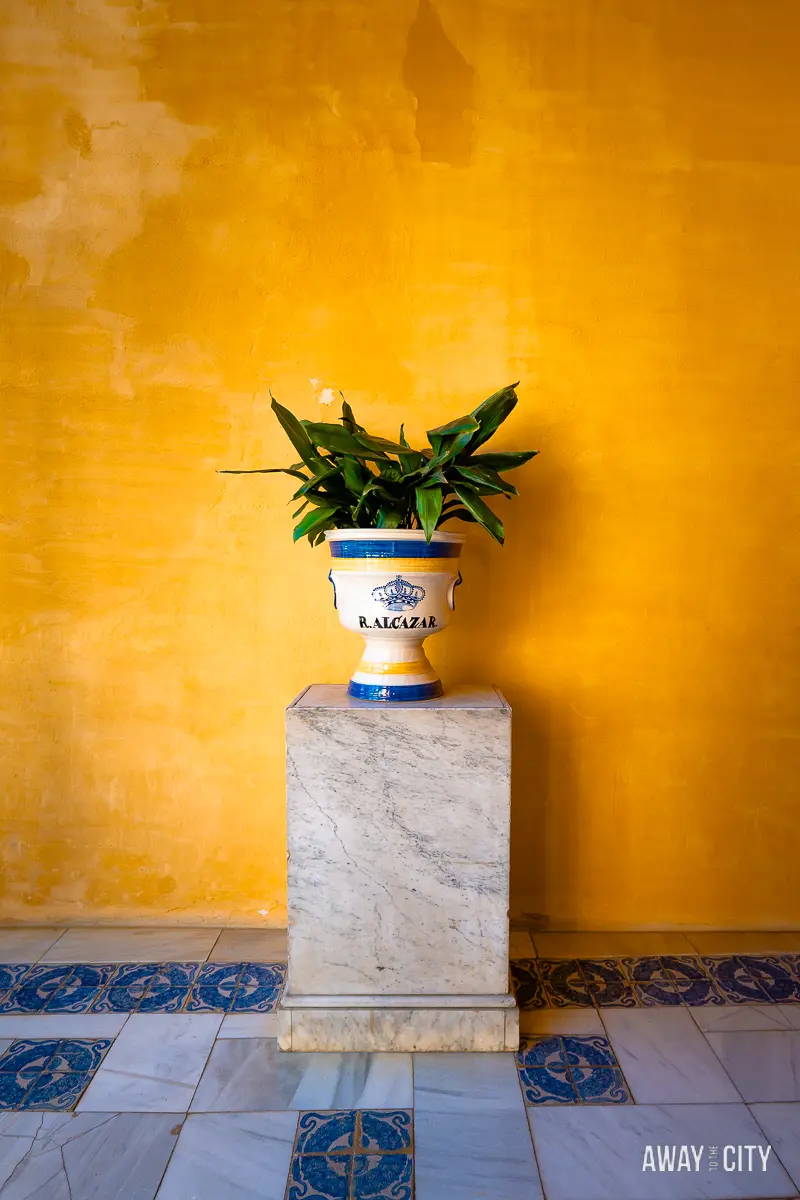
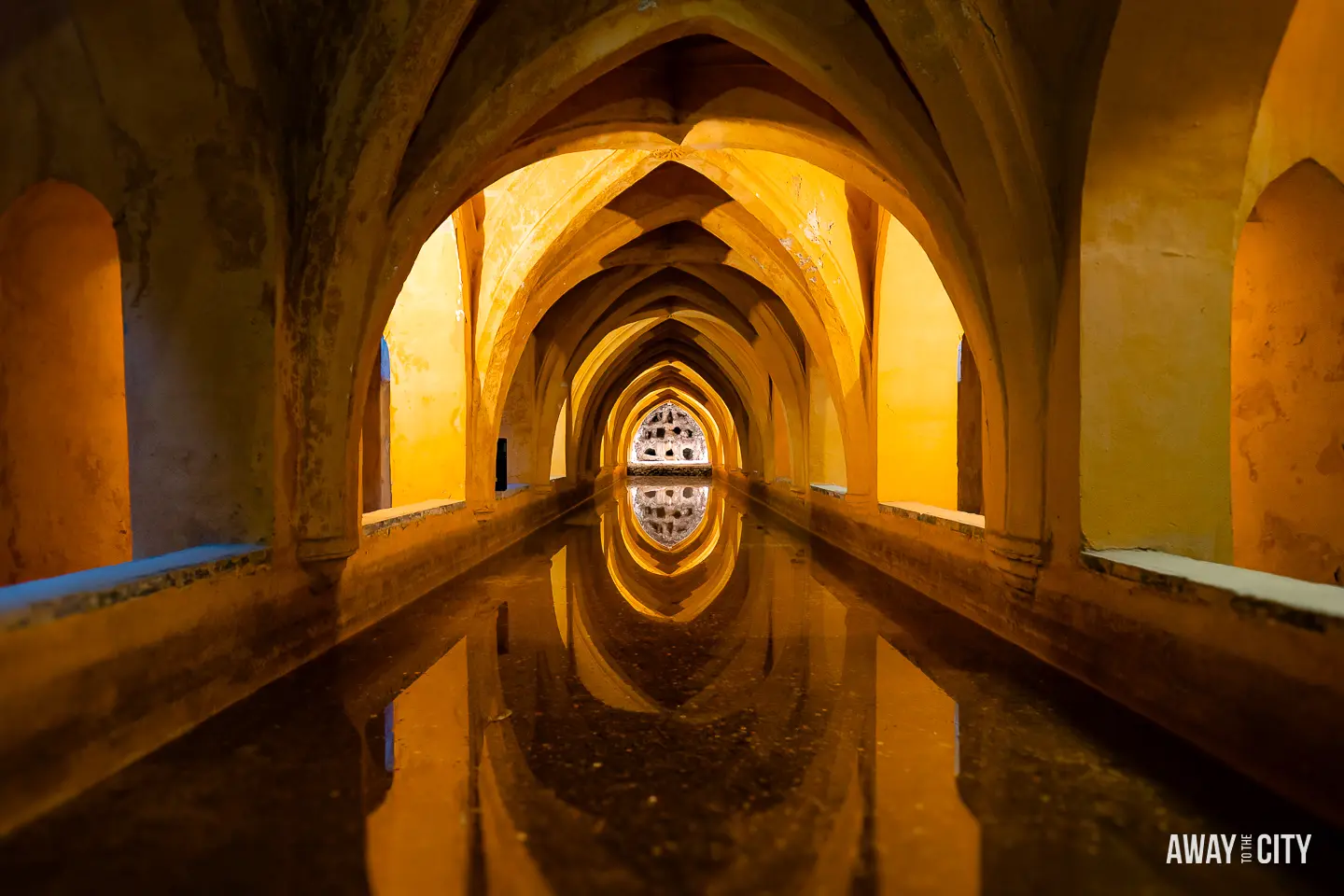
The palace complex has a unique blend of architectural styles. You’ll find elements of Moorish design, Gothic embellishments, Renaissance grandeur, and Baroque opulence.
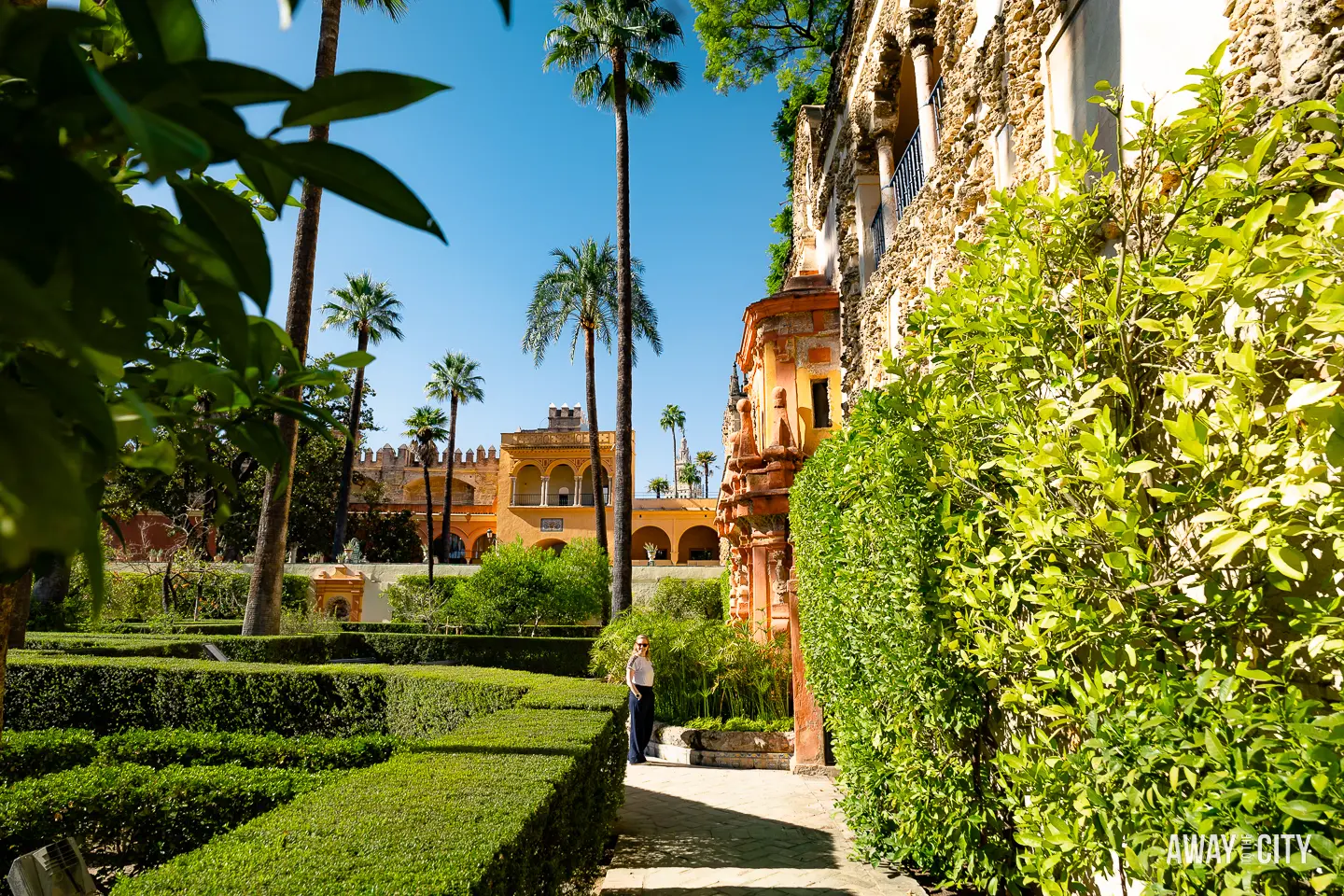
What truly sets the Real Alcazar apart from other attractions in Seville is its beautiful gardens, which are filled with varied plants, vibrant flowers, arches, and mazes.
Our Top Tips for Visiting the Real Alcázar
- Purchase tickets online in advance if you want a specific time slot or day, especially during peak hours. Availability can be limited even during off-peak hours!
- Spend the extra fee to visit the Royal Bedroom (not included with general admission) – it’s absolutely worth it!
- Bring along a photo ID for the security check; we saw a few people without ID who were refused entry!
- Enter the palace via Patio de Banderas or Plaza del Triunfo. Google Maps may send you to the wrong place if you navigate to Alcazar de Sevilla (it did for us).
Admission and opening hours: General admission starts at €15.50 (about US$18 or £13), which includes access to the ground floor and gardens. The Real Alcázar is open daily from 9:30am-5pm from November to March, and 9:30am-7pm from April to October.
 Your Seville trip isn’t complete without the Alcázar. Book your ticket in advance and skip the queues.
2. Climb La Giralda Tower after visiting Seville Cathedral
Seville Cathedral, or Catedral de Sevilla, is absolutely massive. When you’re standing in front of it, the scale is honestly jaw-dropping.
This UNESCO World Heritage Site was built in the 15th century on the site of a former mosque, which is why you’ll notice both Islamic and Christian influences.
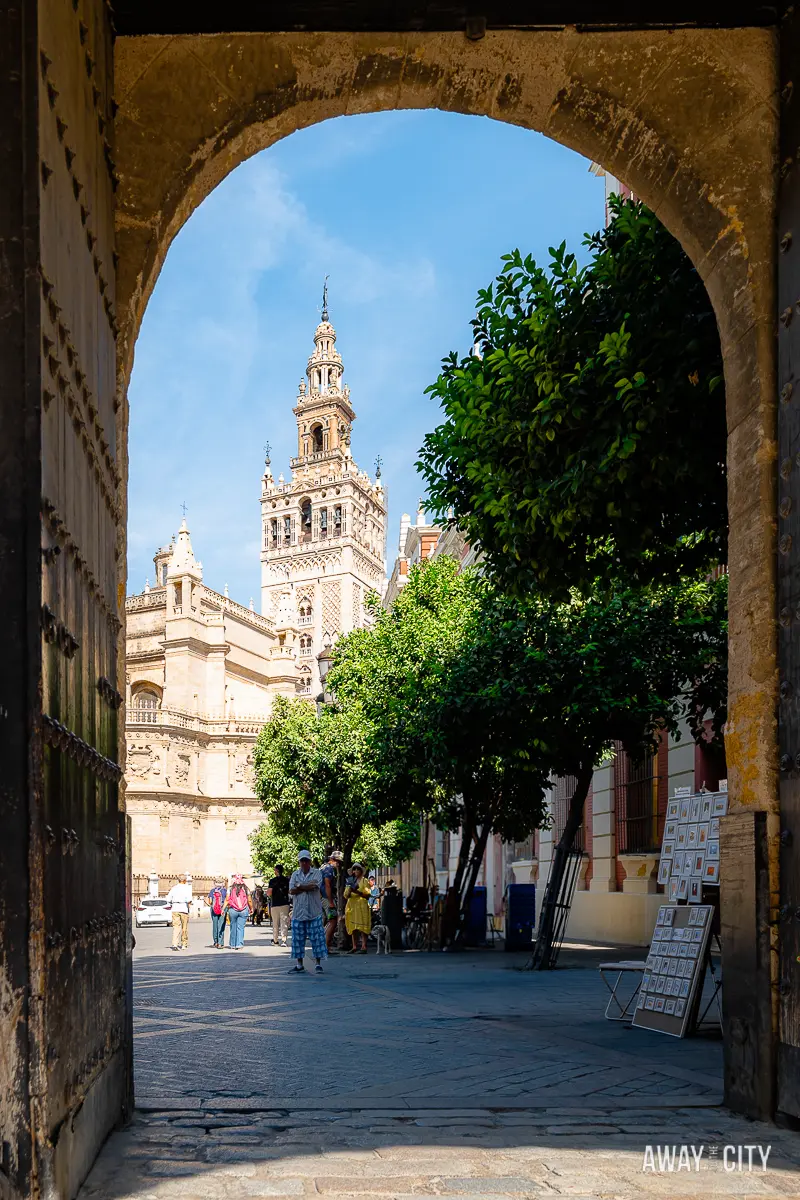
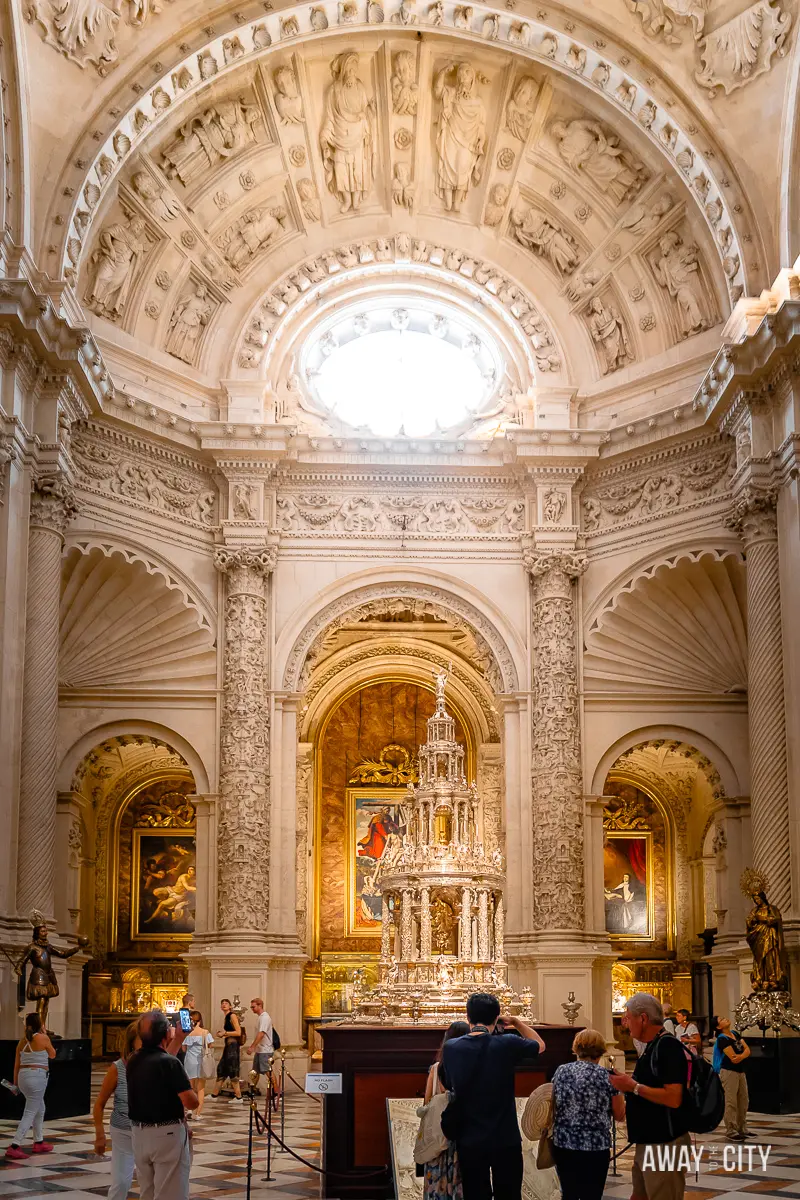
Did you know? Seville Cathedral is the largest Gothic cathedral in the world and the third-largest church overall, only beaten by St Peter’s Basilica in the Vatican and St Paul’s in London.
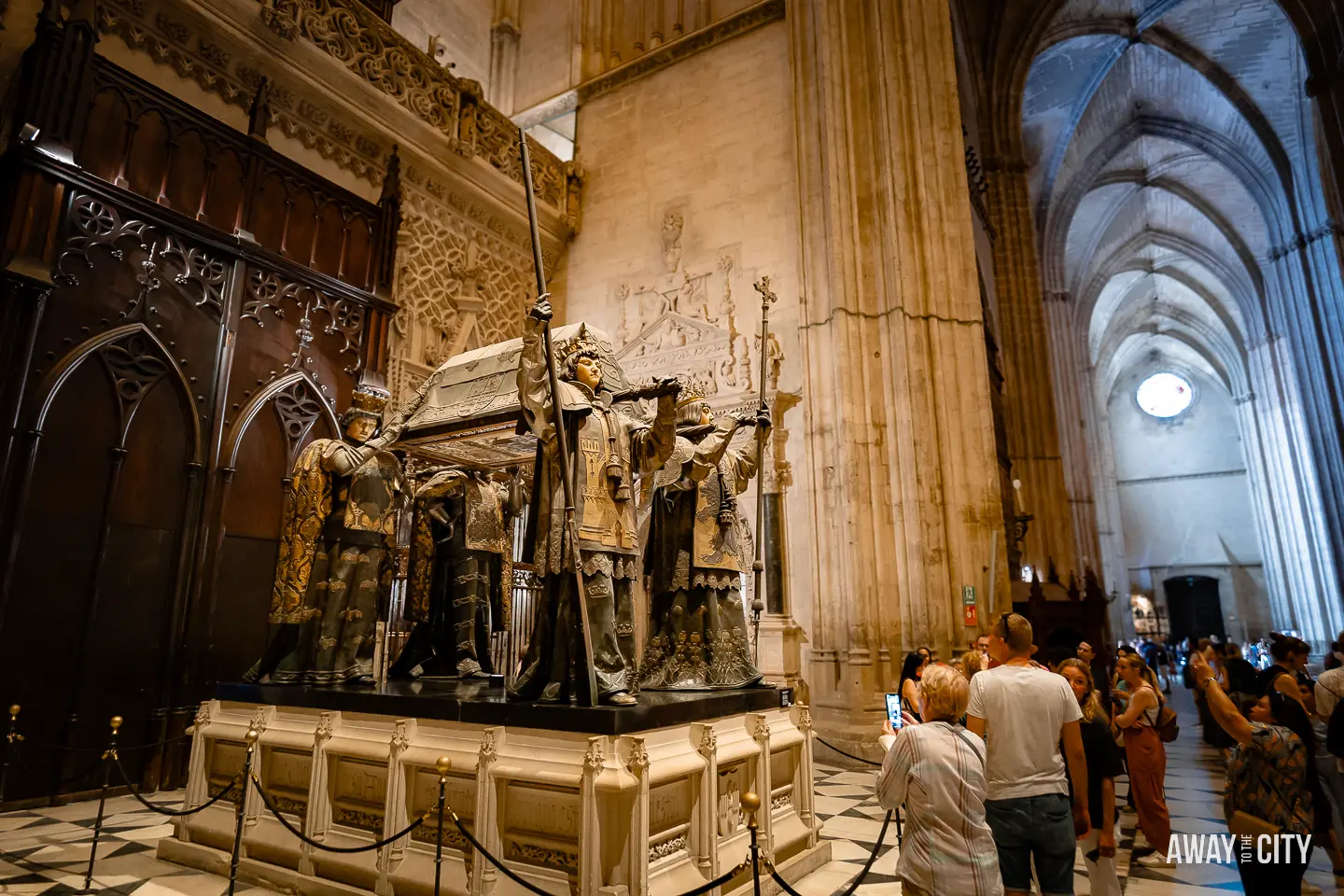
Inside, you’ll find dramatic Gothic vaults, Renaissance details, and one of its most famous features: the Tomb of Christopher Columbus.
Historians still debate whether his remains are really there, but either way, it’s an impressive sight.
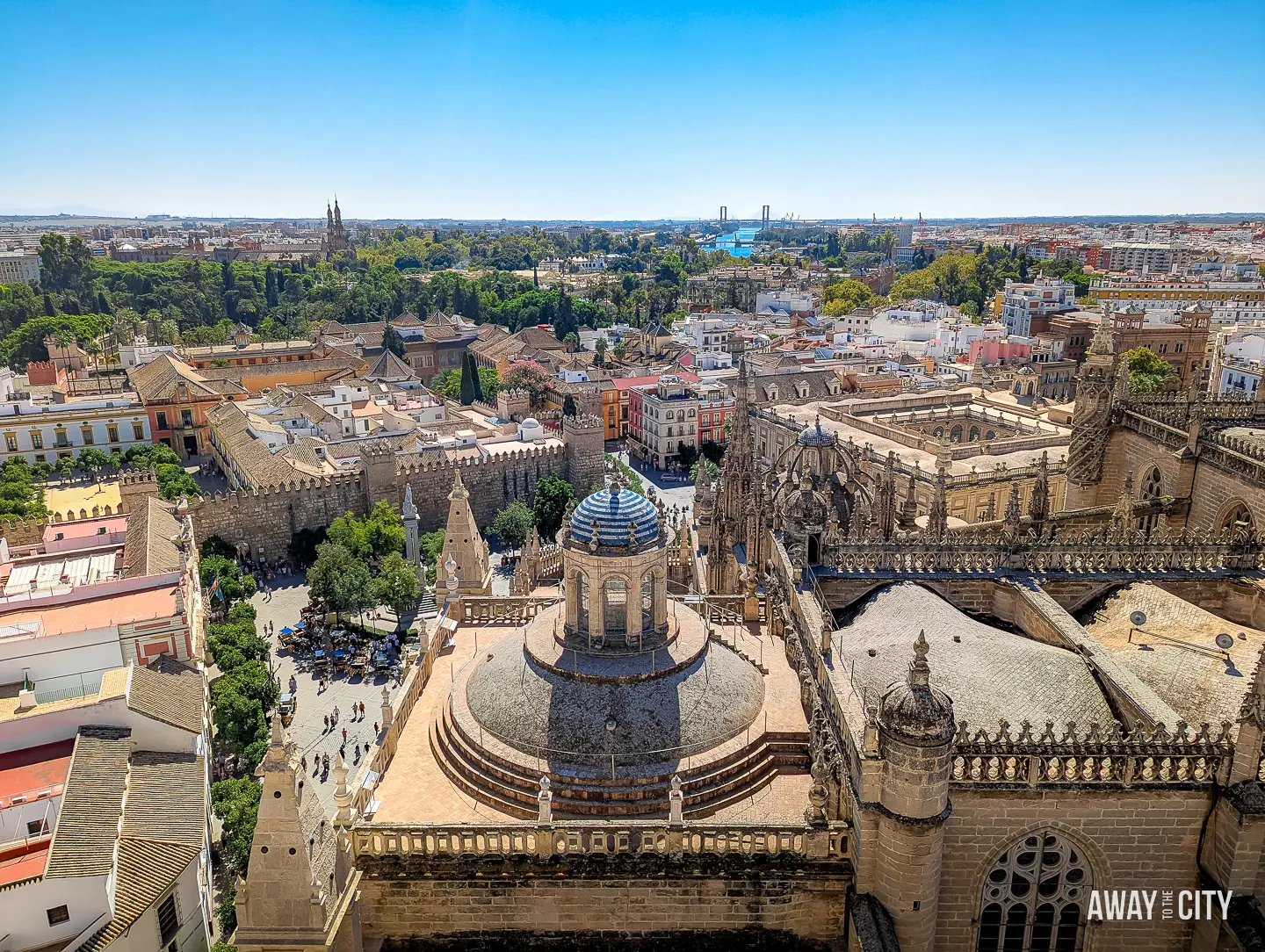
Right next door is La Giralda, the cathedral’s iconic bell tower. Instead of climbing endless narrow stairs, you’ll walk up a series of ramps. This clever design was a holdover from its life as a minaret, when horses needed to reach the top.
At 104 metres (342 feet) tall, the tower rewards you with panoramic views across Seville, which are especially stunning at sunset.
Our Top Tips for Visiting Seville Cathedral
- Purchase your tickets in advance to avoid the long queues.
- Your entry ticket includes an audio guide you can access on your phone. Just scan the QR code inside and bring headphones.
- Don’t miss the Royal Chapel or the Patio de los Naranjos (Courtyard of Orange Trees) while you’re there. This historic courtyard is filled with rows of orange trees that have been part of the site since Moorish times.
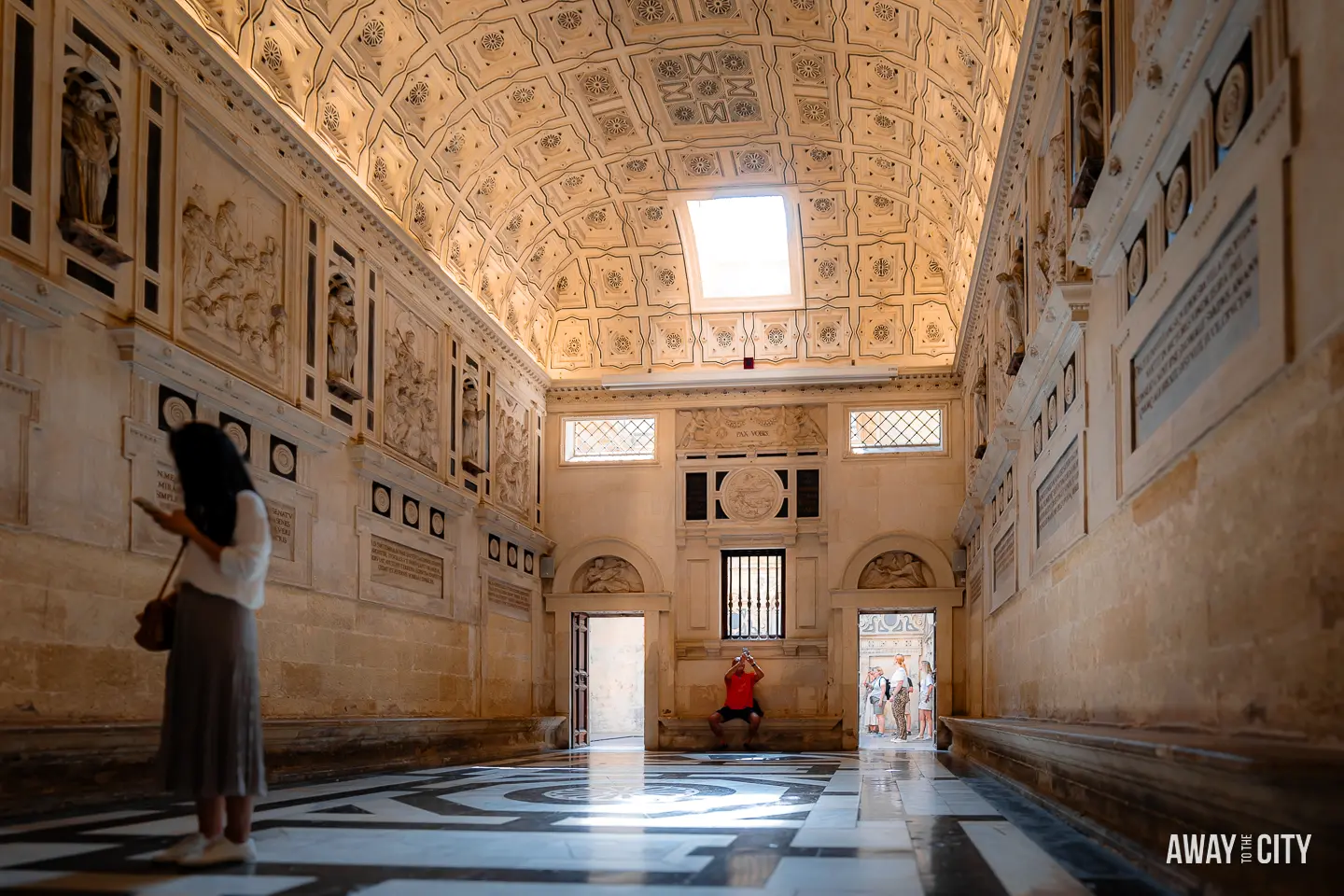
Admission and opening hours: Tickets to visit Catedral de Sevilla and La Giralda (including audio guide) start from €19.99 (about US$24 or £17). The cathedral is open daily from 10:45am-7:30pm, except on Sunday when it’s open from 2:30pm-7:30pm.
☀️ Don’t fancy queuing in the heat? Book your Cathedral & Giralda ticket in advance to explore the third-largest church in the world.
3. Discover the hidden gem of Plaza del Cabildo
Plaza del Cabildo is one of those little corners of Seville that most people walk straight past.
Just a few minutes from the cathedral, this semicircular square has marble columns, faded frescoes, and shady arcades that feel calm compared with the busy streets outside.
We liked pausing here on our way back from the cathedral. It’s small and quiet, with the kind of atmosphere that makes you slow down for a minute before heading back into the bustle.
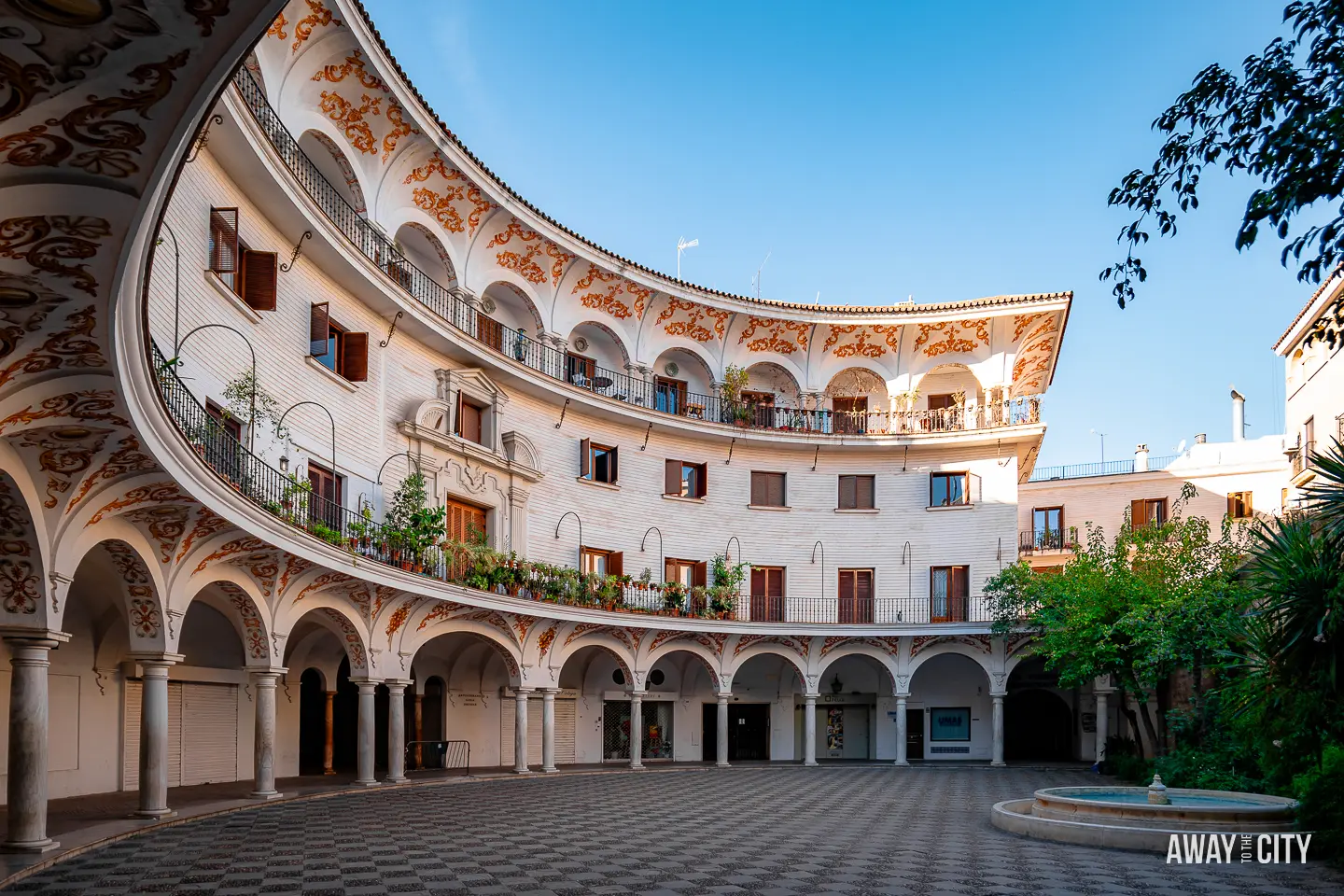
The name comes from its past life as the College of San Miguel, which was run by the Cathedral Chapter. In Spanish, that’s Cabildo, so the name literally means Plaza of the Chapter House.
Admission and opening hours: Plaza del Cabildo is free to enter and open daily from 10am-11:30pm.
4. Check out the views from Torre del Oro
Torre del Oro is one of Seville’s most recognisable landmarks. Built in the 13th century, this 36-metre tower once served as a watchtower and was part of the city’s medieval defences.
Its name means Golden Tower, which may come from the way it used to shine in the sun when covered with tiles.

Inside, you’ll find a small Naval Museum with models, maps, and artefacts that tell the story of Seville’s maritime past. You can also head up to the top for views over the Guadalquivir River, Triana, and the historic centre.
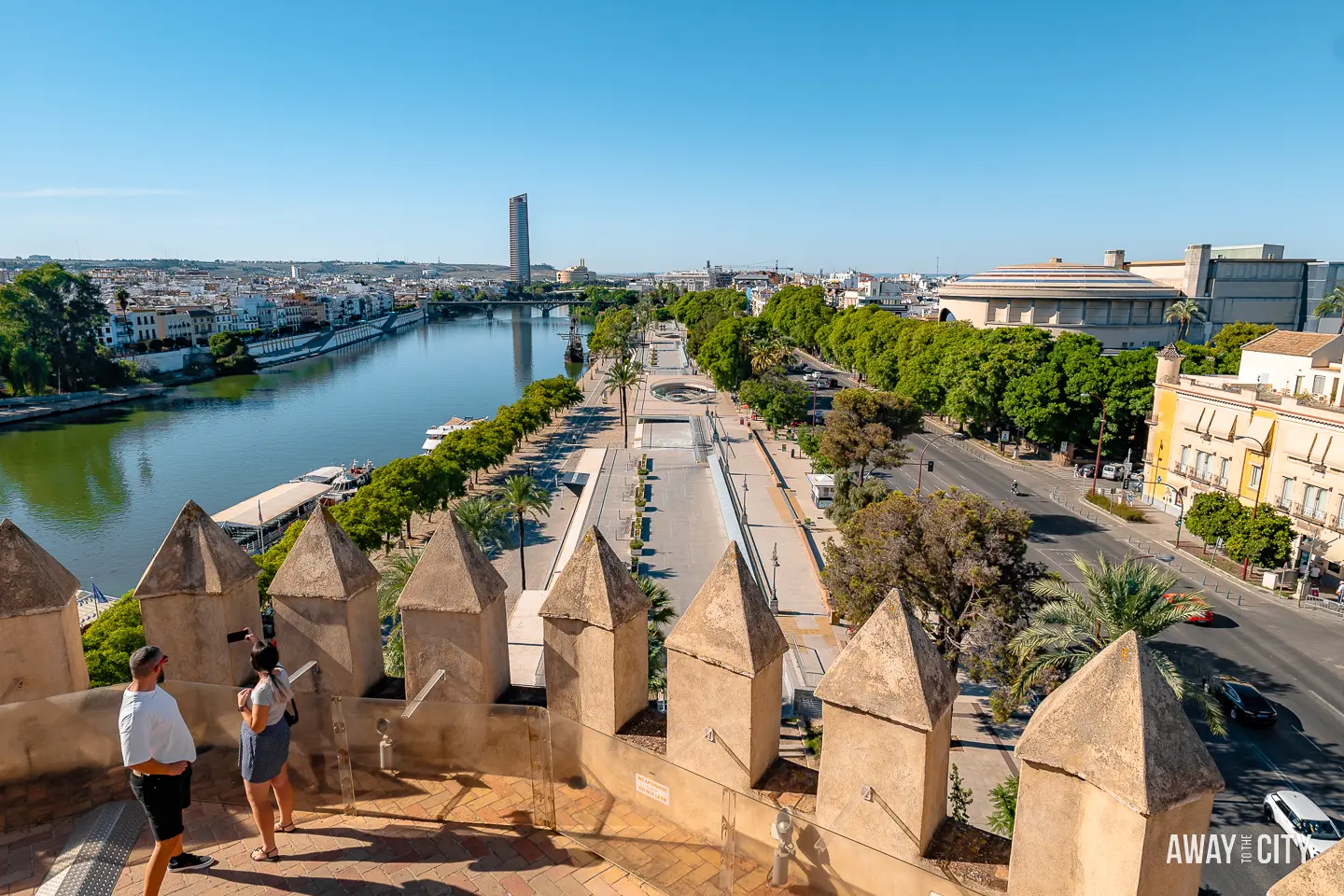
Our top tip: The view from Torre del Oro is decent, but compared with La Giralda or Las Setas, it felt a bit hemmed in. We went on a Monday when entry was free, and that’s what we’d suggest too.
Admission and opening hours: The Torre del Oro ticket is €3 (≈ £3 or US$3), and there’s free entry on Mondays. The tower is open from 9:30am-5:30pm Monday to Friday, and 10:30am-6:30pm Saturday and Sunday.
5. Take a boat cruise on the Guadalquivir
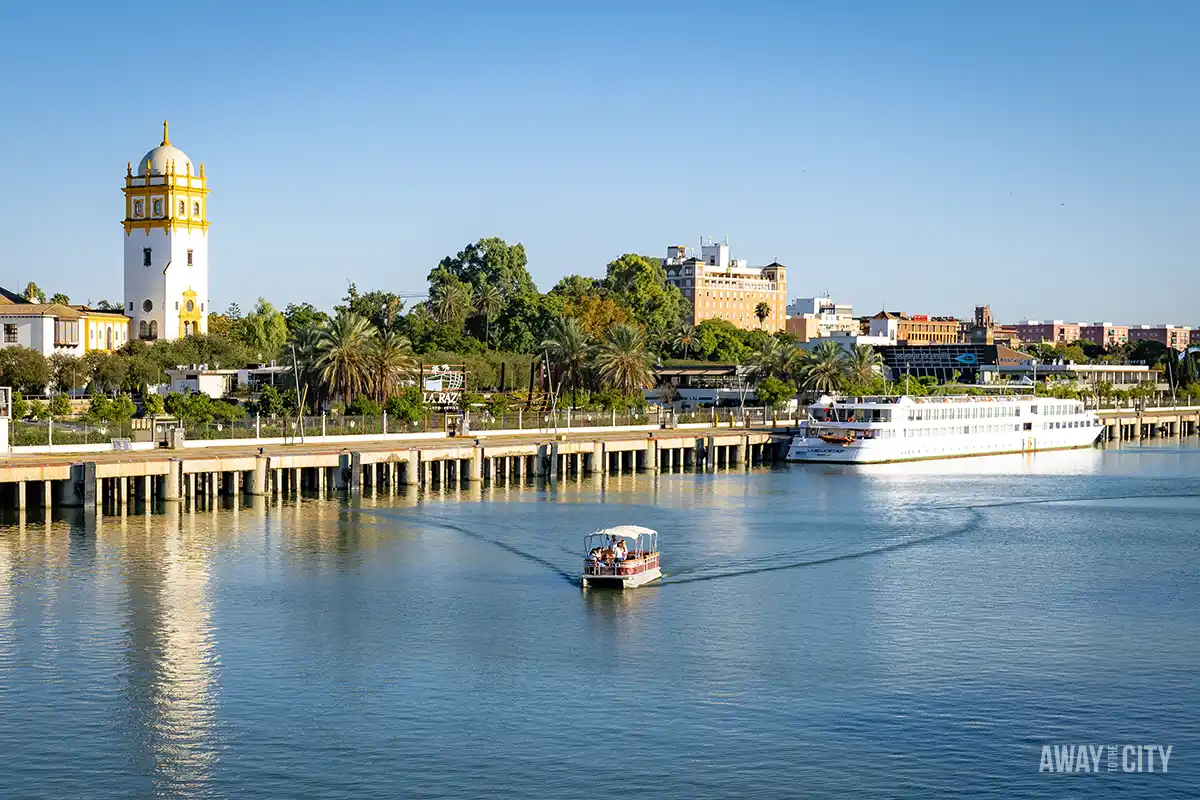
As you glide along the Guadalquivir River, you’ll pass iconic landmarks like Torre del Oro and Triana Bridge (also known as Puente de Isabel II), while enjoying panoramic views of the city’s skyline.
We opted for this eco cruise, which was a delightful way to spend an hour in Seville.
🚤 Relax, recharge and see Seville’s highlights on the river cruise we loved.
Day 2 in Seville
On the second day, you’ll dive deeper into the city’s architecture and artistic side, with visits to stunning palaces and a captivating flamenco show.
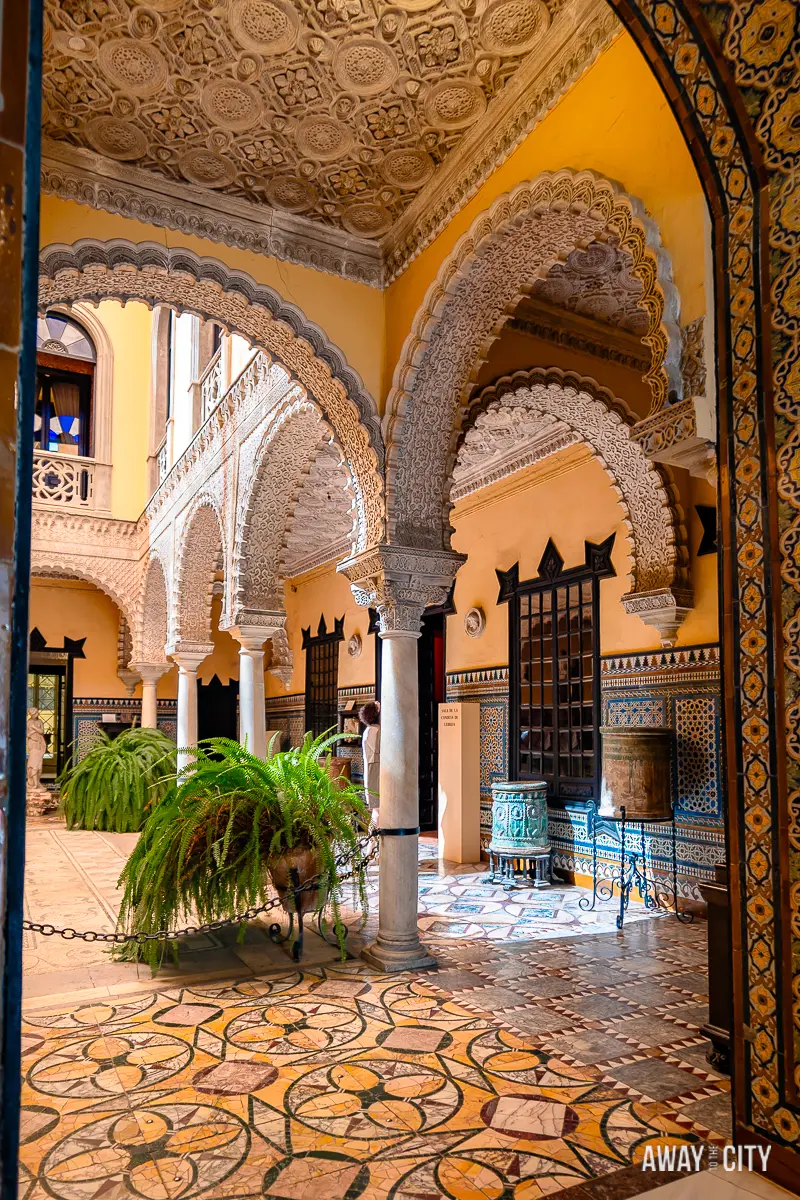
6. Wander through the stunning courtyard of Casa de Pilatos
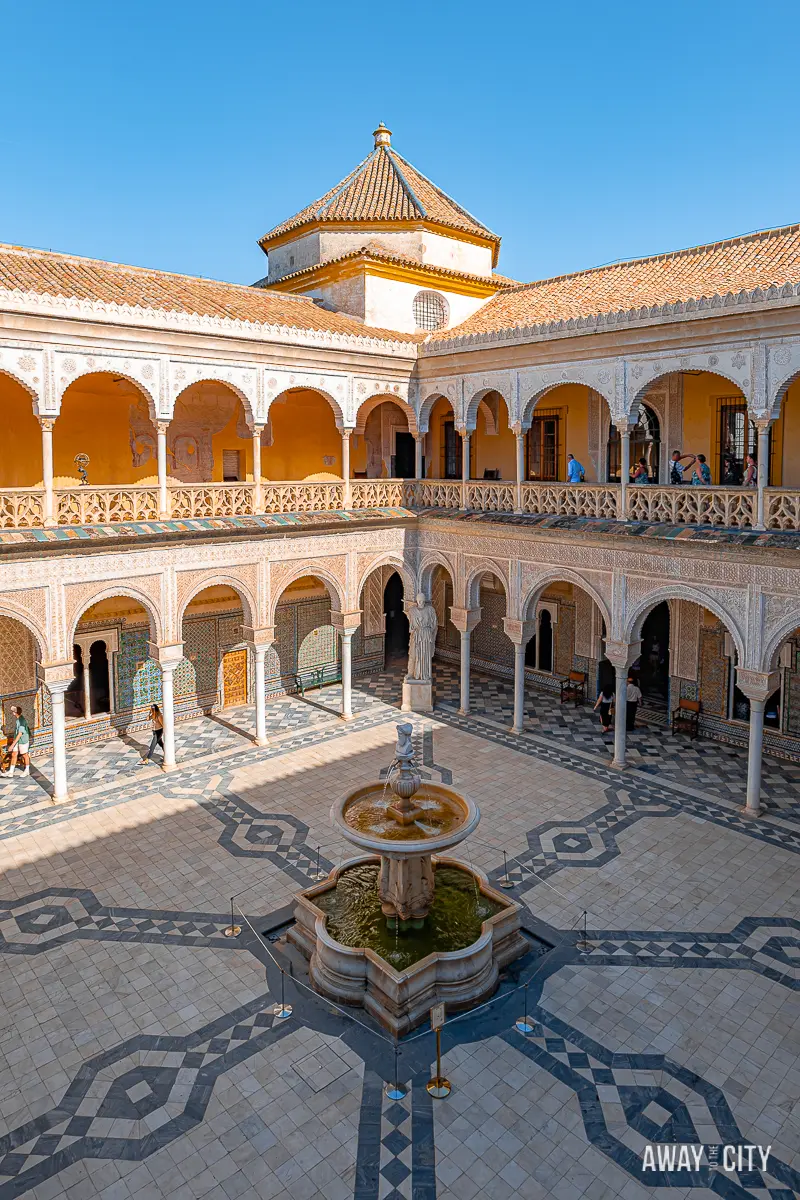
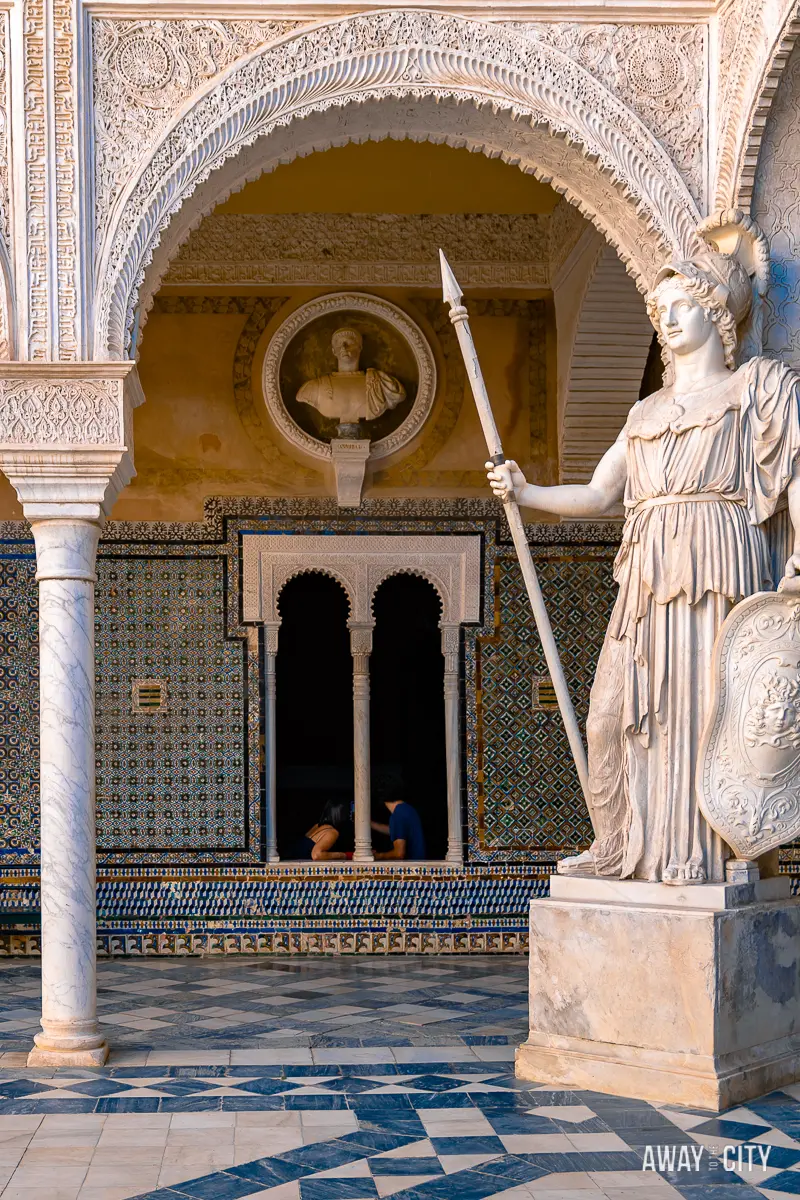
Casa de Pilatos (Pilate’s House) is an Andalusian mansion situated within Seville’s historic heart. It serves as the home for the Dukes of Medinaceli and is one of the top things to see in Seville.
As early as the late 15th century, when this house was constructed for a wealthy Sevillian family. Over time, various owners left their mark on the property.
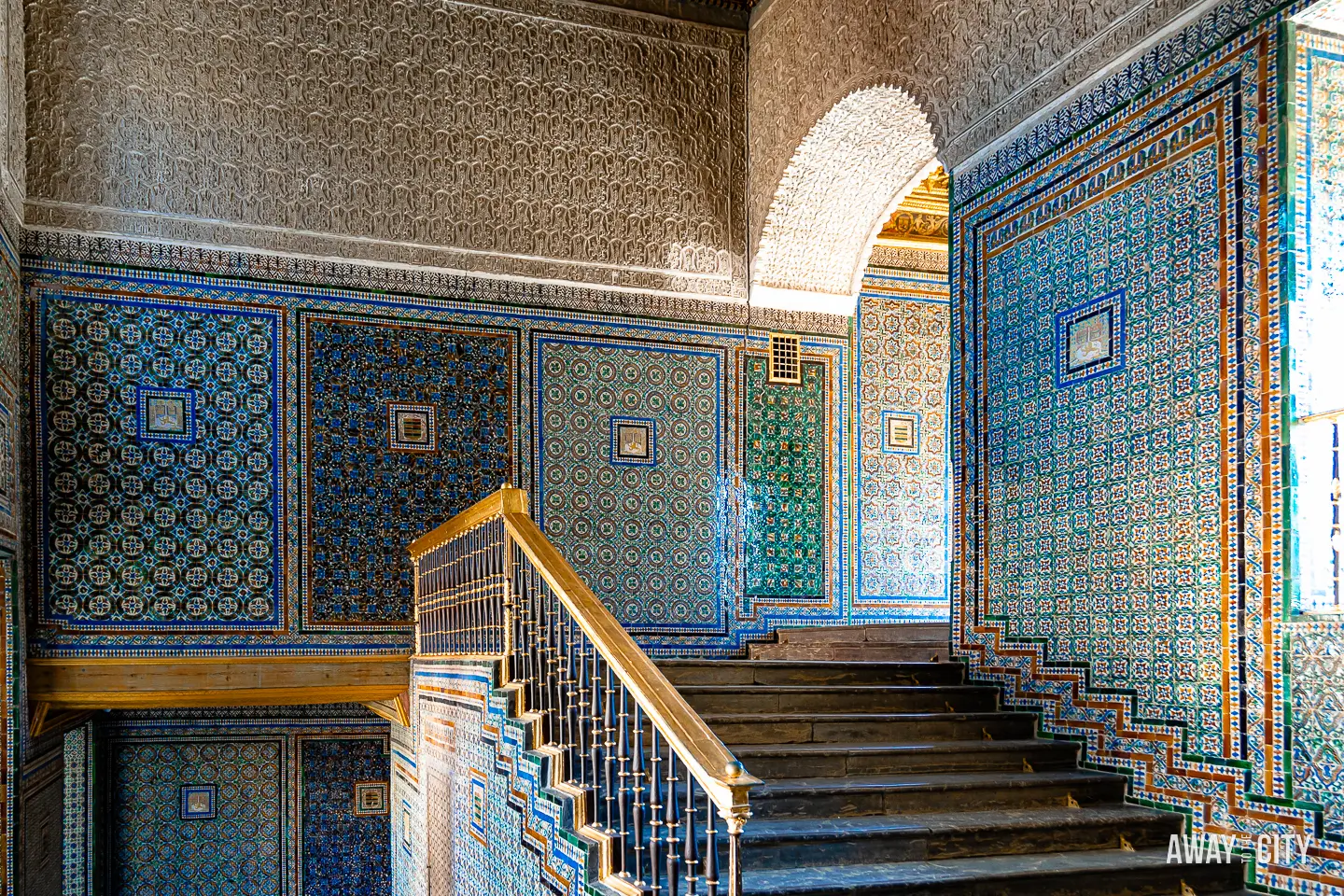
Did you know? Casa de Pilatos is one of Seville’s largest private residences, covering over 10,000 square metres (108,000 square feet) and boasting extensive gardens, courtyards, and living spaces.
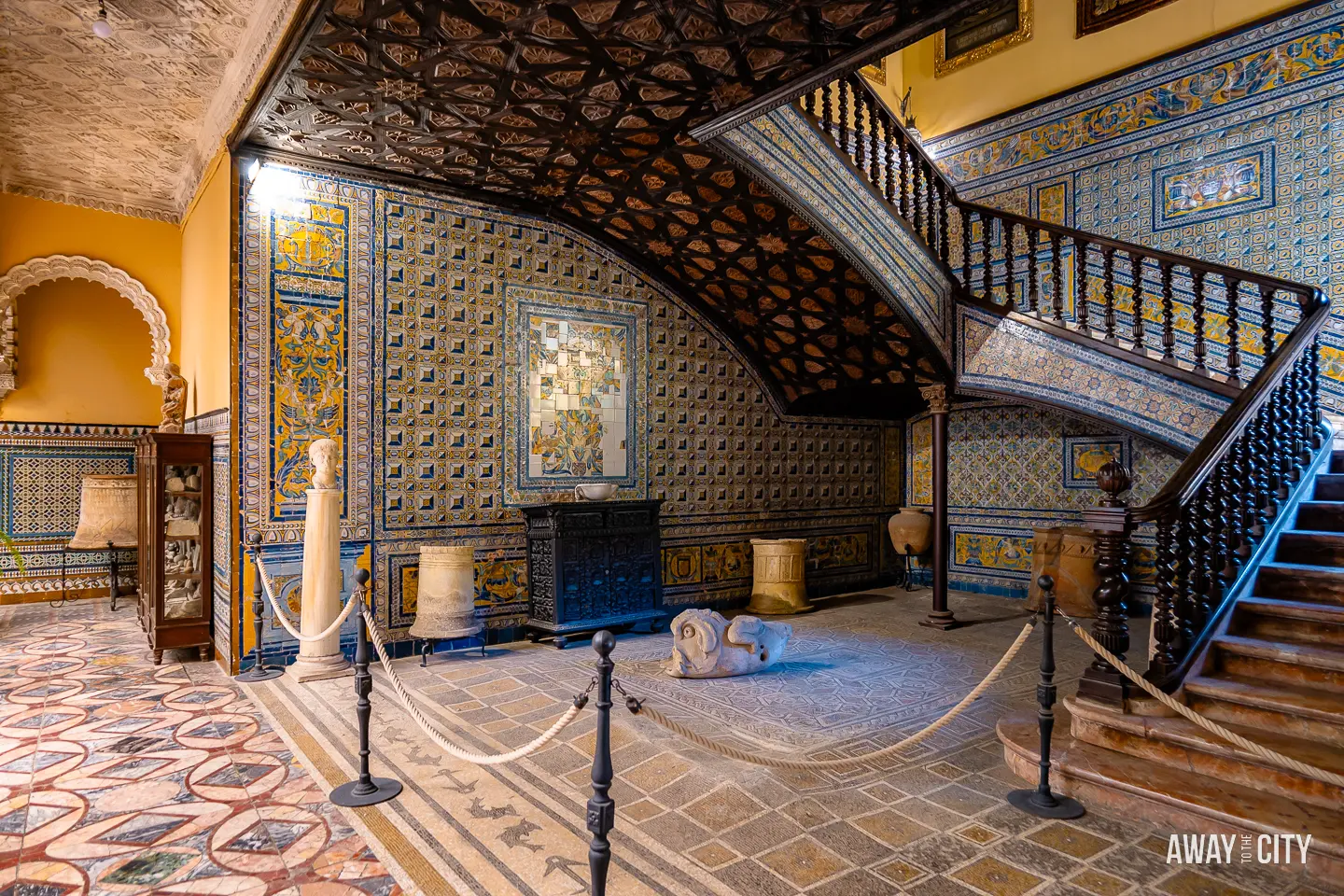
If you love Spain’s colourful azulejos (hand-painted ceramic tiles), this is THE place you have to see. The house has more than 150 different types of Spanish-glazed tiles – truly an impressive sight!

Our Top Tips for Visiting Casa de Pilatos
- Your entry ticket includes an audio guide you can access on your phone, so don’t forget your headphones!
- There are two types of tickets: (1) a standard ticket that covers the ground floor and gardens, and (2) a combo ticket that includes the standard ticket + a tour with a tour guide of the upper floor. We opted for the combo ticket, but we don’t think the upper floor significantly enhanced our experience. Save your money; the ground floor captures the essence of the house well enough.
- If you’re short on time in Seville and must choose between Casa de Pilatos and Palacio de Lebrija, our advice is to select Casa de Pilatos!
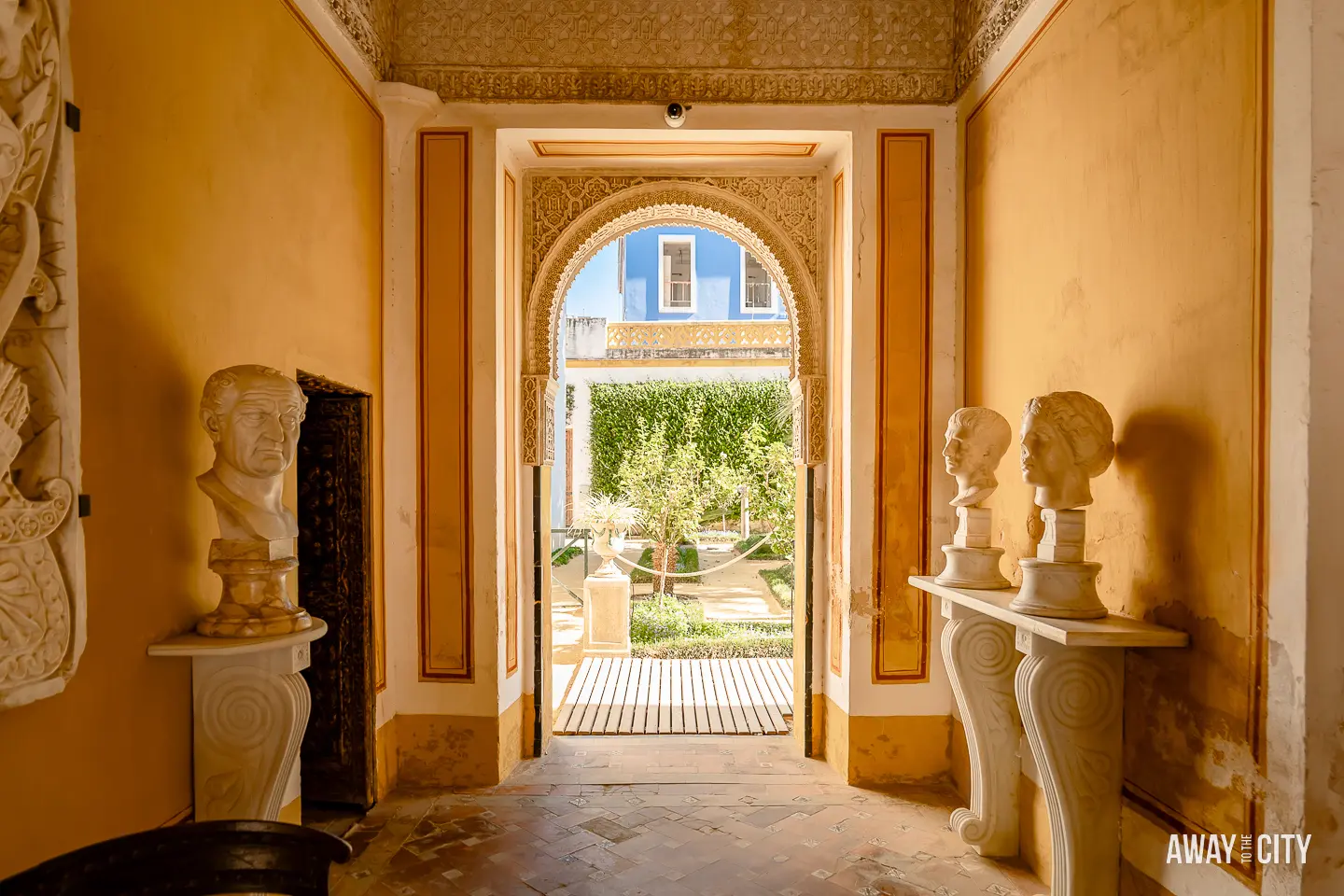
Admission and opening hours: Admission to Casa de Pilatos’ ground floor is €12 (about US$14 or £11). The house is open daily from 9am-6pm between November and March, and from 9am-7pm between April and October.
🔑 Don’t miss Seville’s hidden gem – the colourful tiles here are breathtaking! Get your Casa de Pilatos ticket.
7. Visit Palacio de las Dueñas, a noble family’s home
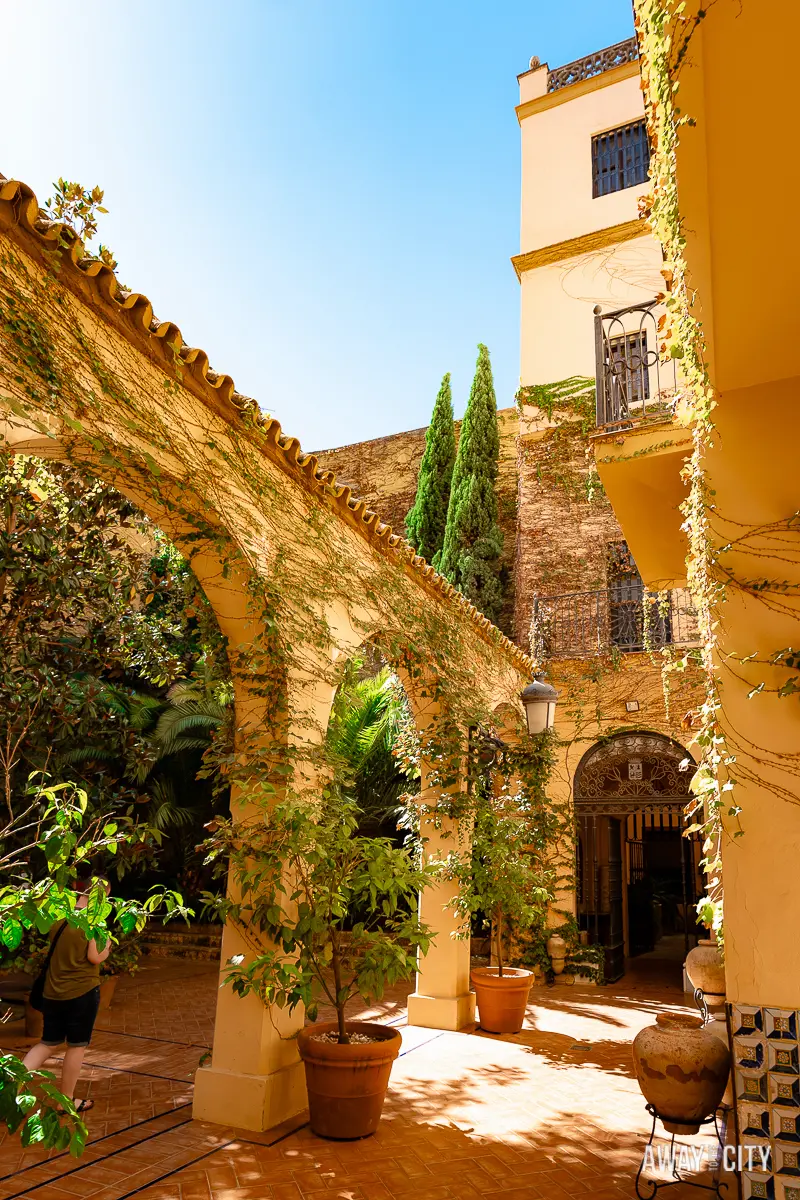
Palacio de las Dueñas has been the residence of the Dukes of Alba for more than 500 years, making it one of Spain’s most significant noble houses.

As you step through the palace’s gates, you’ll enter an oasis of luxury, from the elegant courtyards to its grand, gorgeous rooms filled with art and antiques.
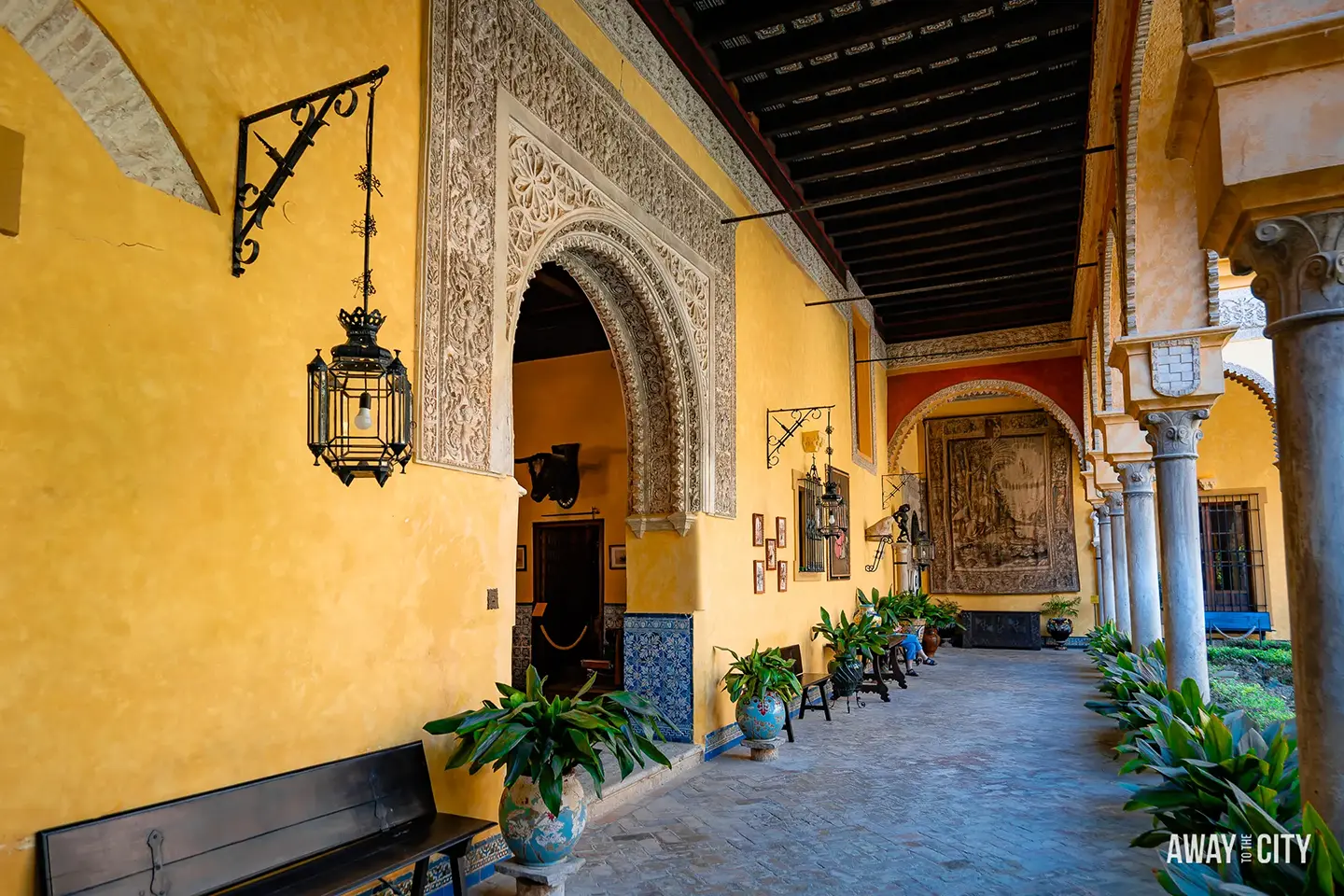
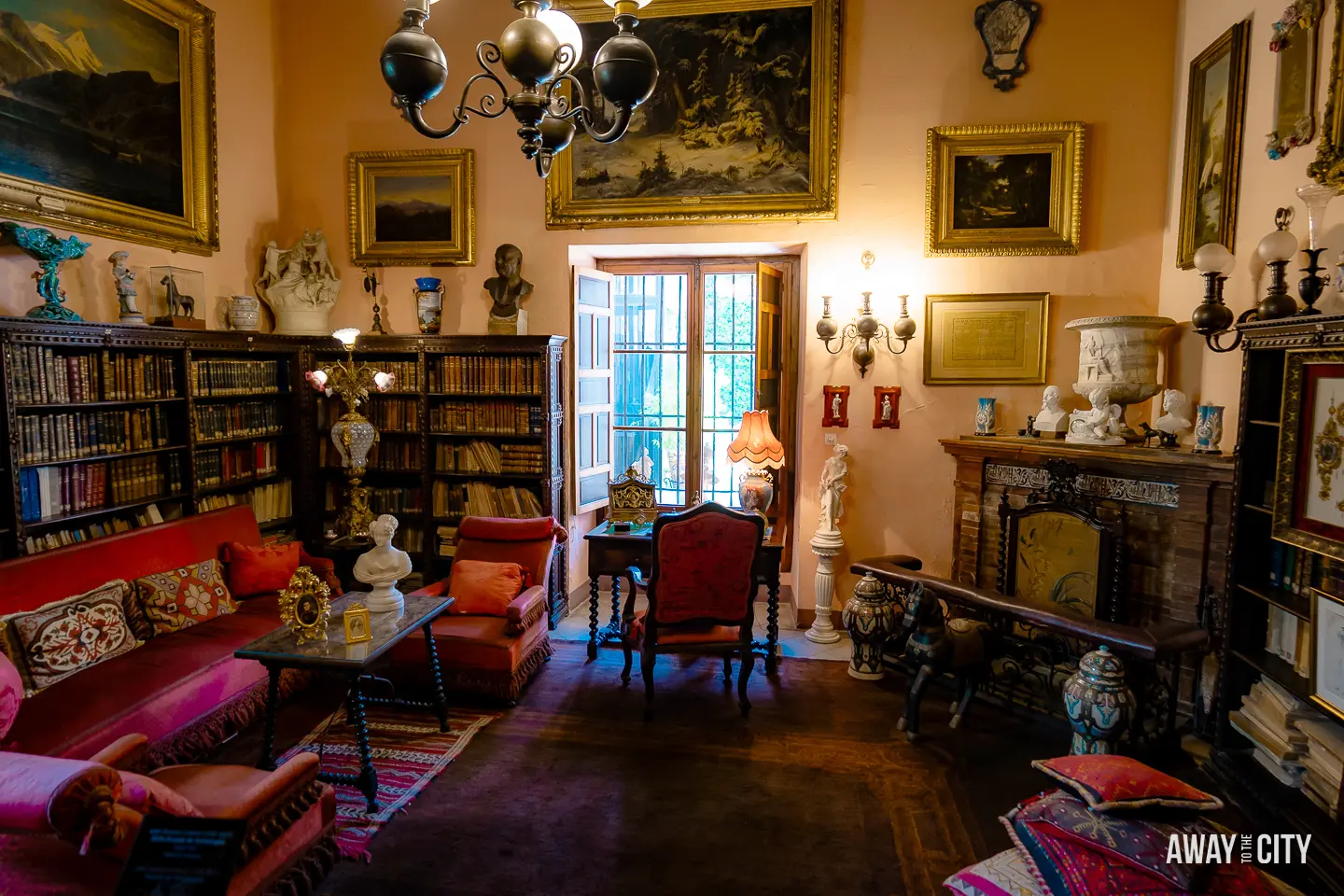
One of the most remarkable features of Palacio de las Dueñas is its beautiful gardens, covering almost 10,000 square metres (108,000 square feet).
You’ll walk along these manicured landscapes by centuries-old trees, fragrant blossoms and tranquil fountains.
Our top tip: Unlike many other attractions in Seville, your entry ticket here includes a physical audioguide device, so you don’t need to bring your headphones.
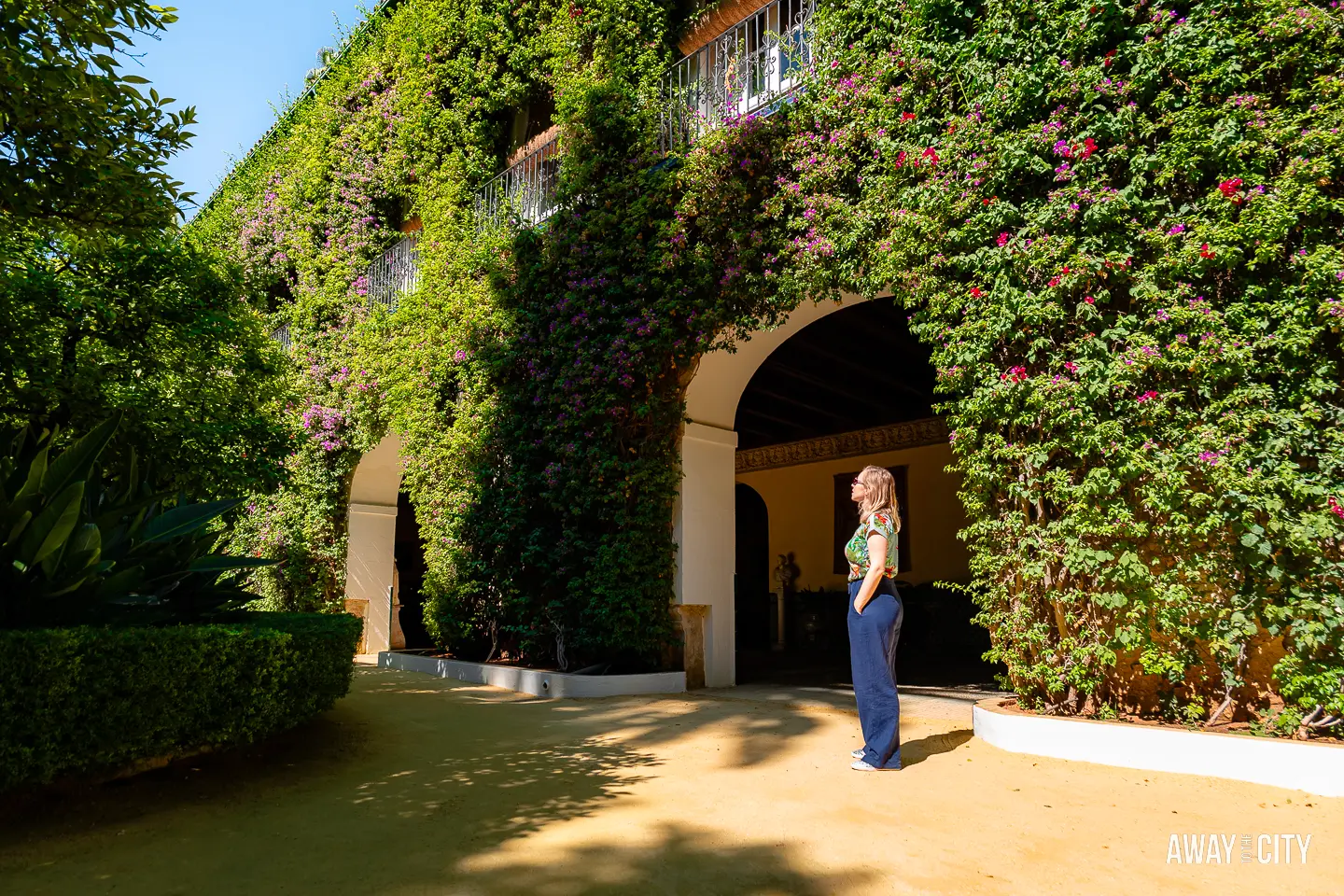
Admission and opening hours: The Palacio de las Dueñas ticket is €14 (about US$17 or £12). The house is open daily from 10am-6pm October to March, and 10am-8pm April to September.
🌸 Wander through fragrant gardens and grand rooms filled with art. Get your Palacio de las Dueñas ticket.
8. Walk the Sky Paths at Setas de Sevilla
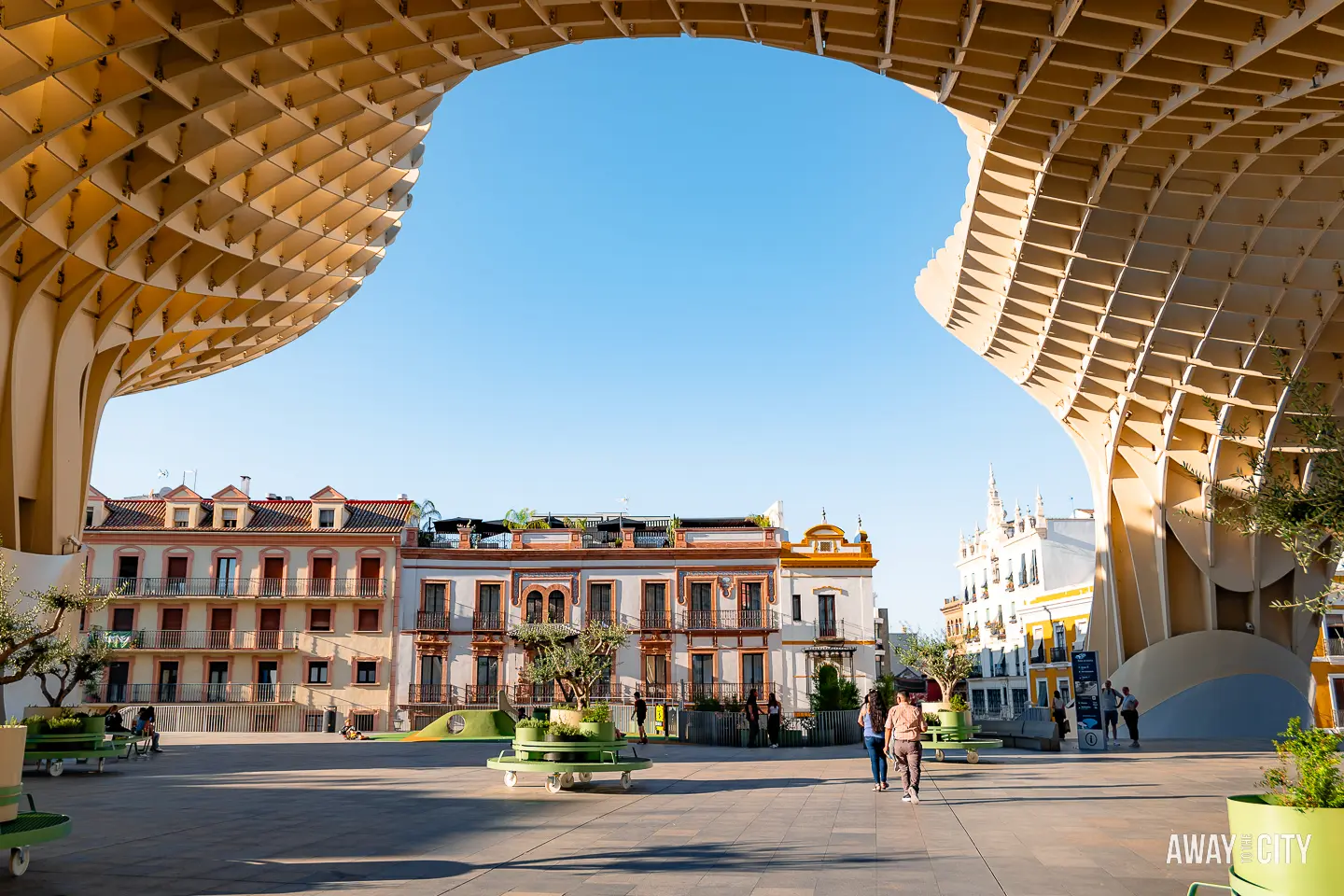
Just a 4-minute walk from Palacio de las Dueñas is Setas de Sevilla. Commonly known as the Metropol Parasol, is an architectural structure atop Seville’s historic district.
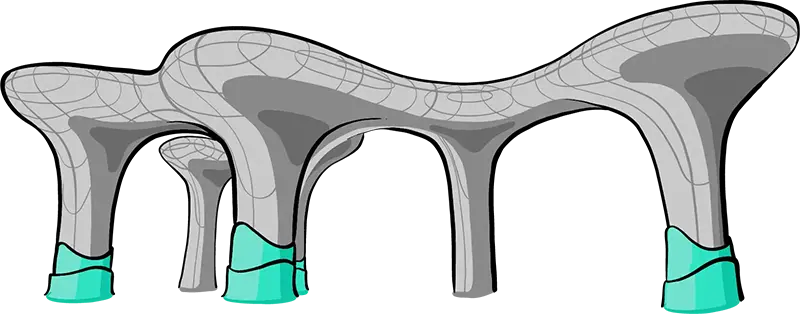
It consists of six giant mushroom-shaped wooden structures connected by winding walkways.

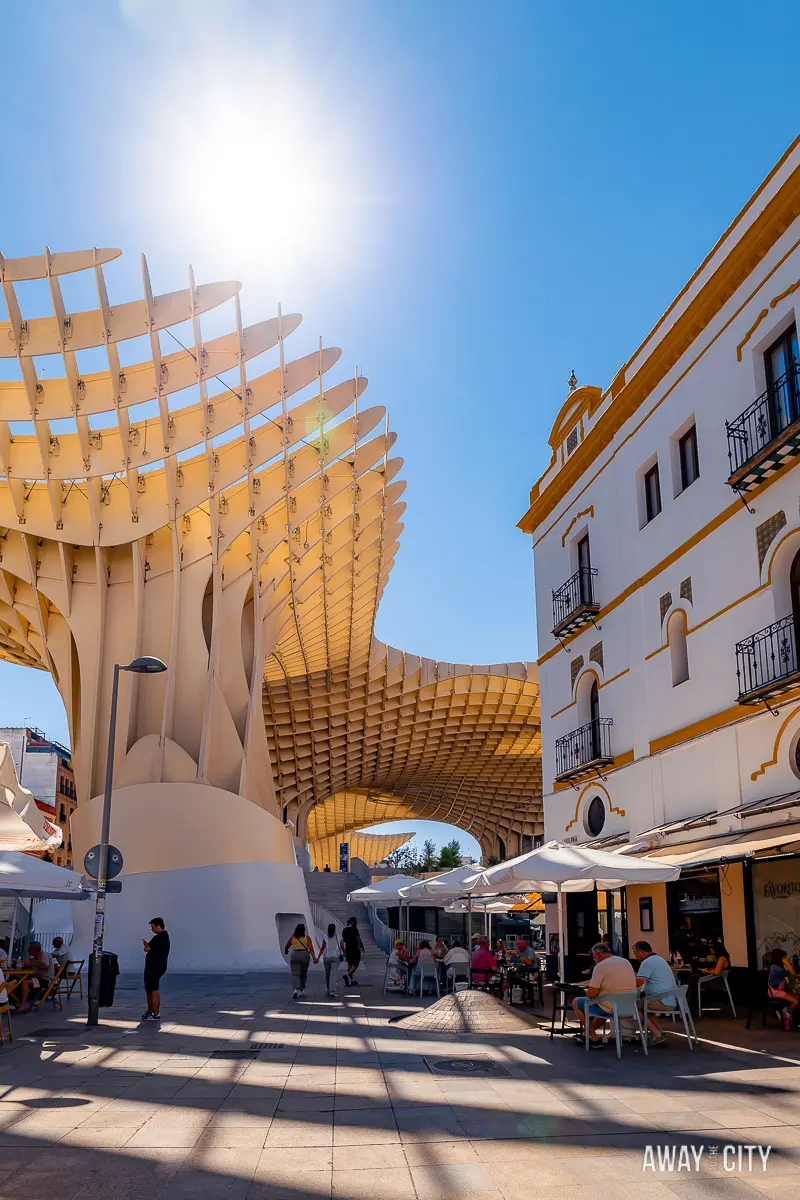
This massive structure was unveiled in 2011 and features 3,500 wooden pieces. Locals affectionately refer to it as “Las Setas” by locals, which means “The Mushrooms” in Spanish.
Did you know? Setas de Sevilla is the largest wooden structure in the world.
As you ascend the wooden canopy of Setas de Sevilla, you’ll be treated to stunning panoramic views of Seville’s skyline. It’s an ideal place to capture pictures of the cityscape, particularly during sunrise or sunset!

Our Top Tips for Visiting Setas de Sevilla
- Buy your tickets in advance to avoid the queues and secure your desired time slot.
- Avoid midday and afternoon slots when the sun is strongest; there’s limited shade.
- We highly advise booking a slot for about 30-45 minutes before sunset for an unforgettable light show.
- Take the stairs near the gift shop instead of using the lift after your visit. As you descend, there are info boards with fascinating facts about Metropol Parasol’s history.
Admission and opening hours: Tickets to Setas de Sevilla cost €16 (about US$19 or £14). The structure is open from 9:30am-12:30am (30 minutes after midnight).
✨ The Las Setas night light show was one of the coolest parts of our Seville trip. Secure your Setas de Sevilla ticket here.
9. Watch a flamenco show live
Flamenco is one of those things you simply have to experience in Seville! It’s this incredible mix of music, rhythm and raw emotion that grabs you and doesn’t let go.
UNESCO even recognises it as one of the Masterpieces of Oral and Intangible Cultural Heritage of Humanity.
Did you know? Flamenco originated right here in Andalusia, and Seville (along with Cádiz) is at the heart of its heritage.

We’d seen flamenco before, but watching it in Seville was on another level. Experiencing it in the city where it was born makes the performance feel deeply rooted in the local culture.
The stamping of the dancers, the passion in the singers’ voices, the guitarist’s lightning-fast fingers… it all felt like Seville itself coming alive on stage.
Our top tip: Seville has plenty of flamenco shows to choose from, but after seeing three ourselves, the one that stood out the most was Casa de la Memoria. It’s an intimate venue with an electric atmosphere, and you feel every note and step up close.
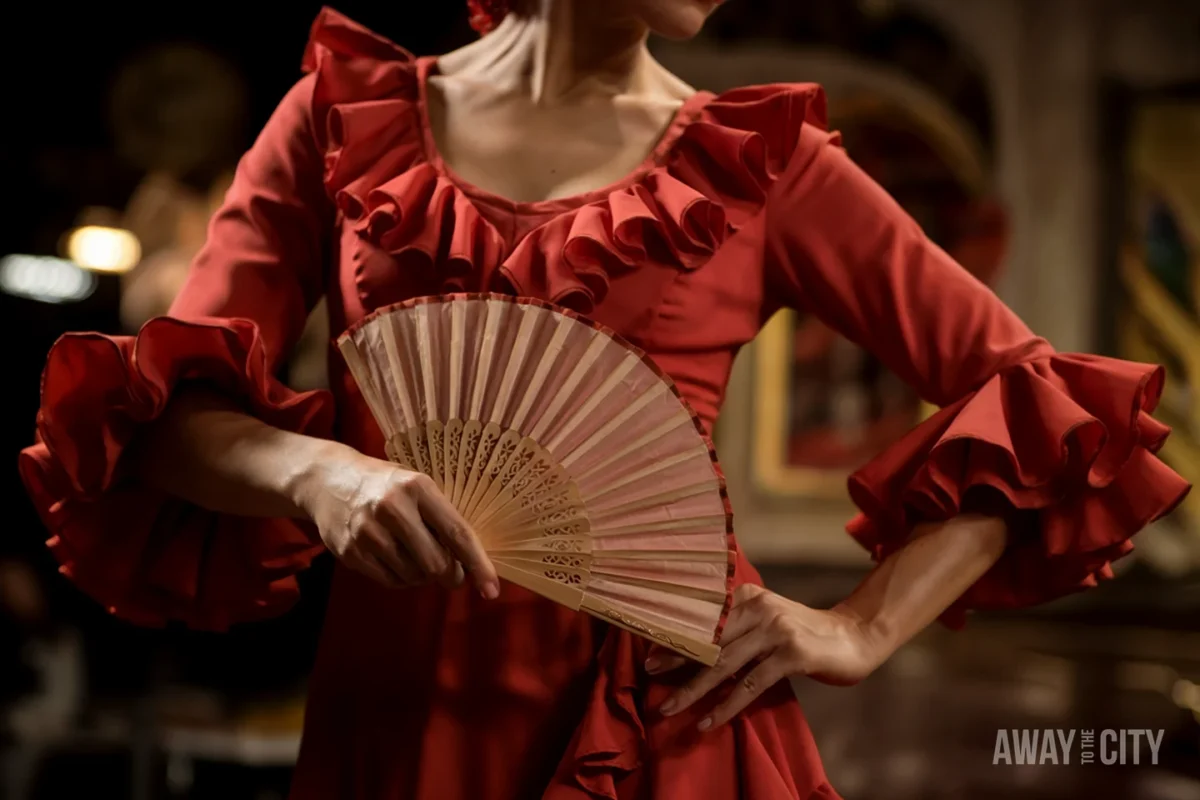
If you’re not sure if flamenco is for you, start small. You’ll find street performers all over the city (e.g. in front of Plaza de España), and they’re a fun (and free) way to get a taste of the music and dance.
But for the full experience, book a proper show! Seeing flamenco in an intimate venue, with every stomp, clap, and note echoing through the room, is a night you won’t forget.
Admission: Tickets for Flamenco shows vary based on the venue and the show’s reputation. They typically range from €20-50 per person (about US$24-59 or £17-44).
💃 Feel the passion of flamenco up close. Book the highly rated Casa de la Memoria show (our favourite!).
Day 3 in Seville
On your last day, you’ll get a balance of peaceful green spaces, impressive architecture, and a taste of local life with a visit to a traditional bullring and a bustling shopping street.
10. Walk or cycle through Parque de María Luisa
Parque de María Luisa is the perfect place to relax and unwind. This gorgeous 100-acre park was named in honour of Infanta Maria Luisa Fernanda of Bourbon.
It’s definitely one of the most beautiful parks in the world – and it should be on your Seville itinerary!
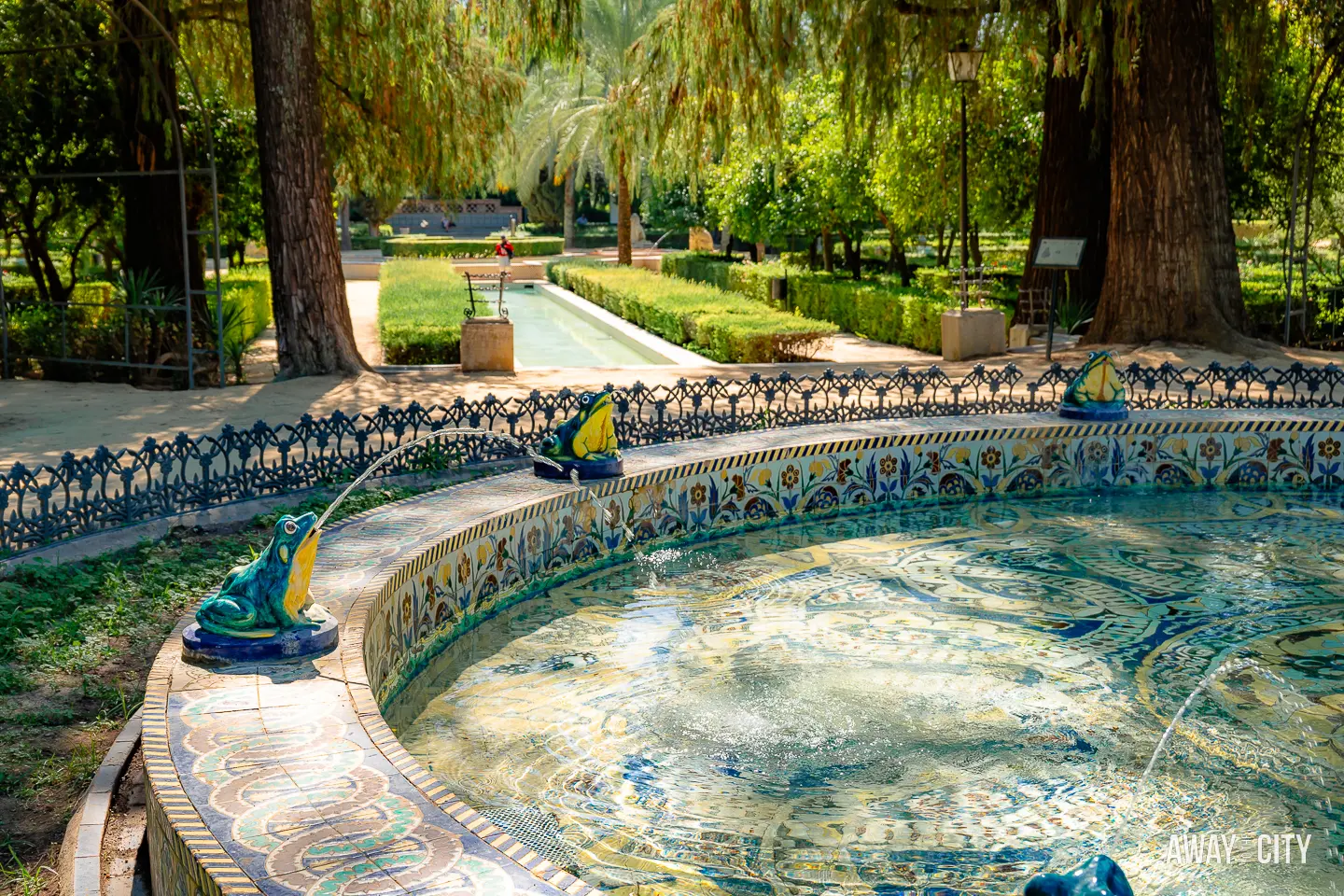
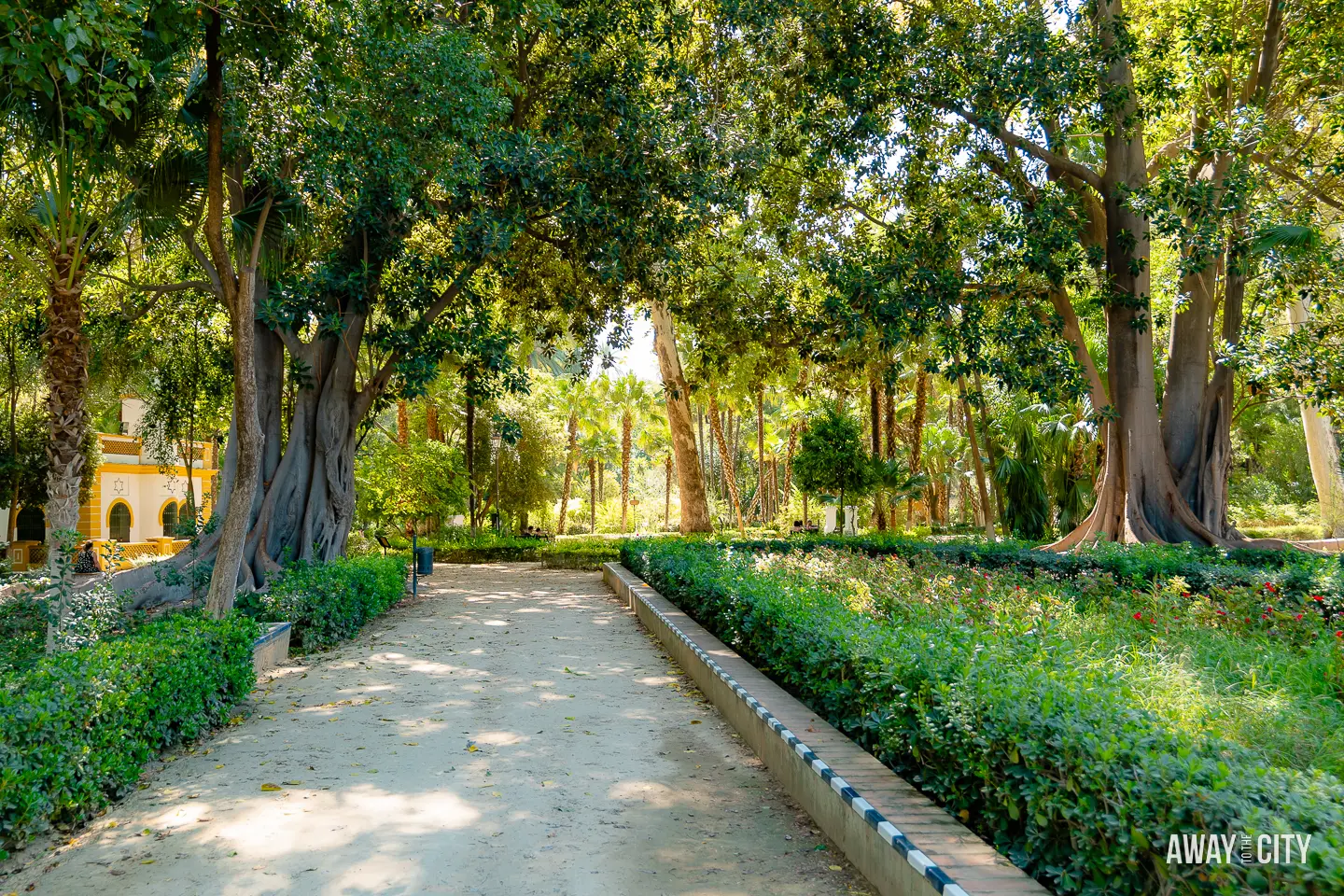
Did you know? The park gained international fame in 1929 when it hosted the Ibero-American Exposition. There are many iconic buildings and pavilions from this event in the park, including the Plaza de España.
Throughout the park, you’ll find numerous sculptures and monuments dedicated to historical figures and events. But one of the park’s standout features is, without a doubt, the Plaza de España, which we’ll cover later in this post.


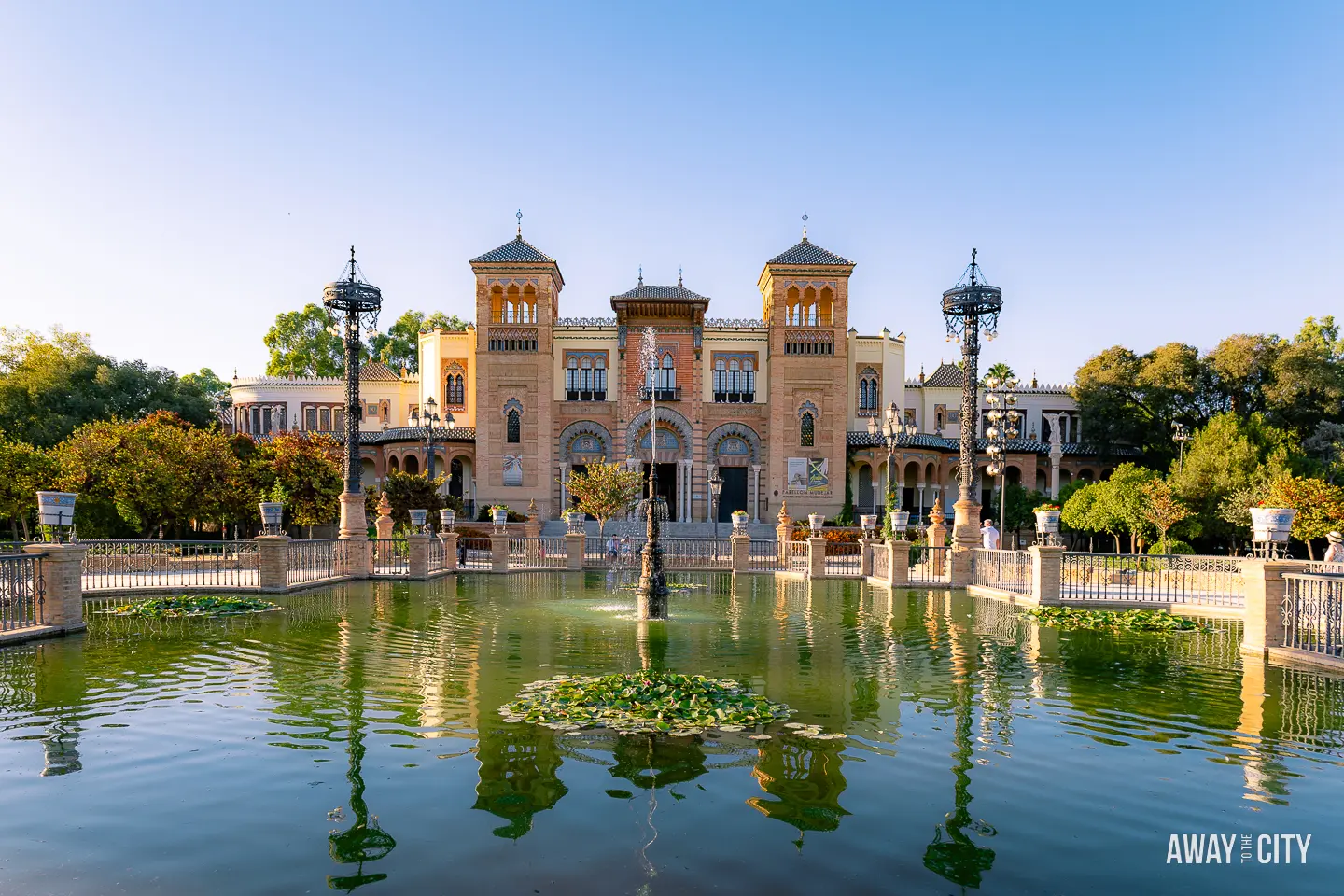
Our top tip: Here are a few spots you shouldn’t miss in the park: Fuente de las Ranas (fountain of the frogs), the building of the Museum of Arts and Popular Customs, Isla de los Patos (island of the ducks), Fuente de los Leones (fountain of the lions), Casa de los Pájaros (house of the birds), Plaza de América, and Estanque de los Lotos (water-lily pool).
Admission and opening hours: Parque de María Luisa is free to enter and open daily from 8am-10pm.
11. Take in the grandeur of Plaza de España
Plaza de España, an architectural gem within Maria Luisa Park, is one of the most photographed spots in Seville. This iconic spot is undeniably one of the best attractions in Spain!
Designed for the Ibero-American Exposition of 1929, this expansive semi-circular square combines Renaissance and Moorish Revival architectural styles.
Interestingly, the square’s circular design is said to represent Spain’s hug to its former colonies.
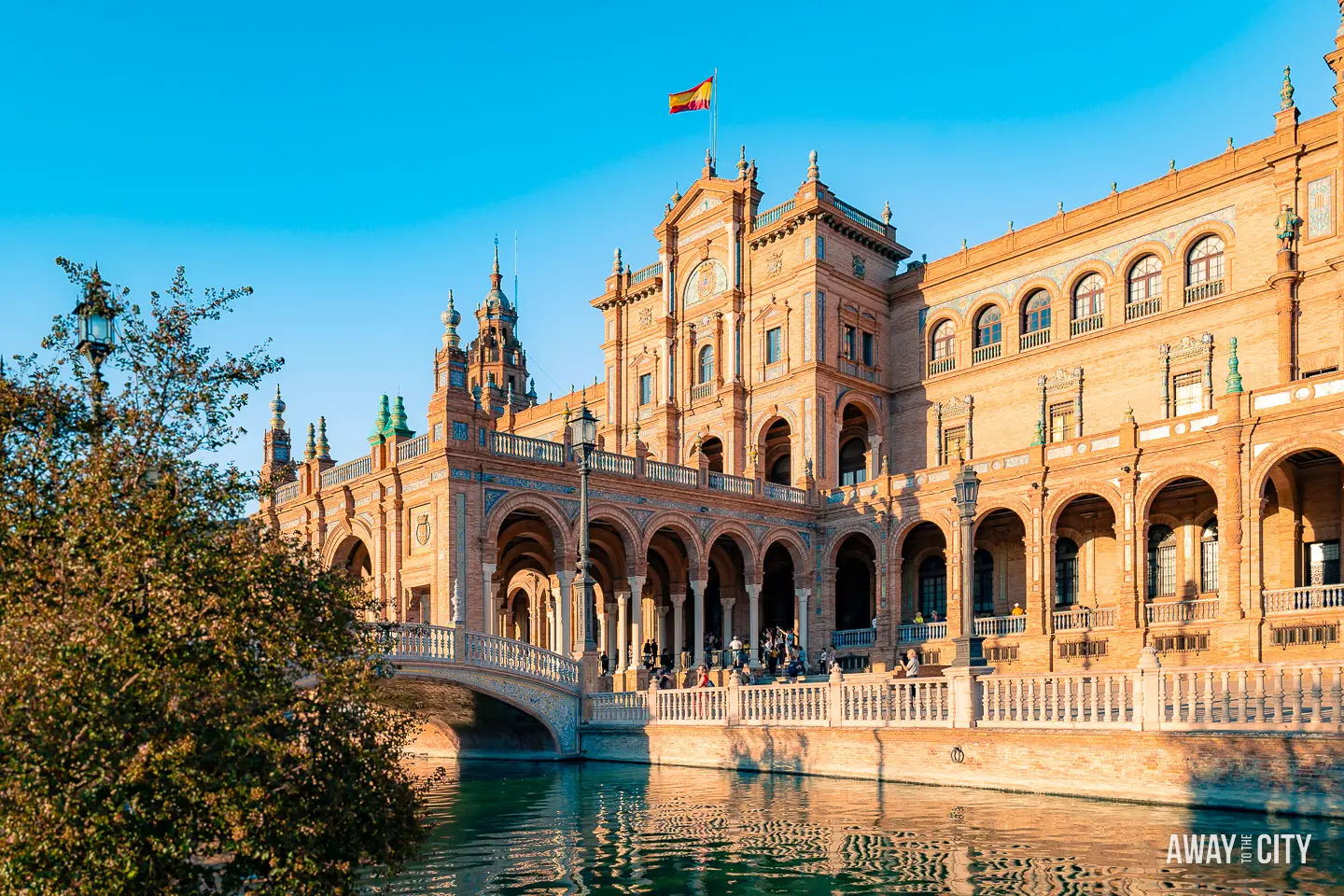
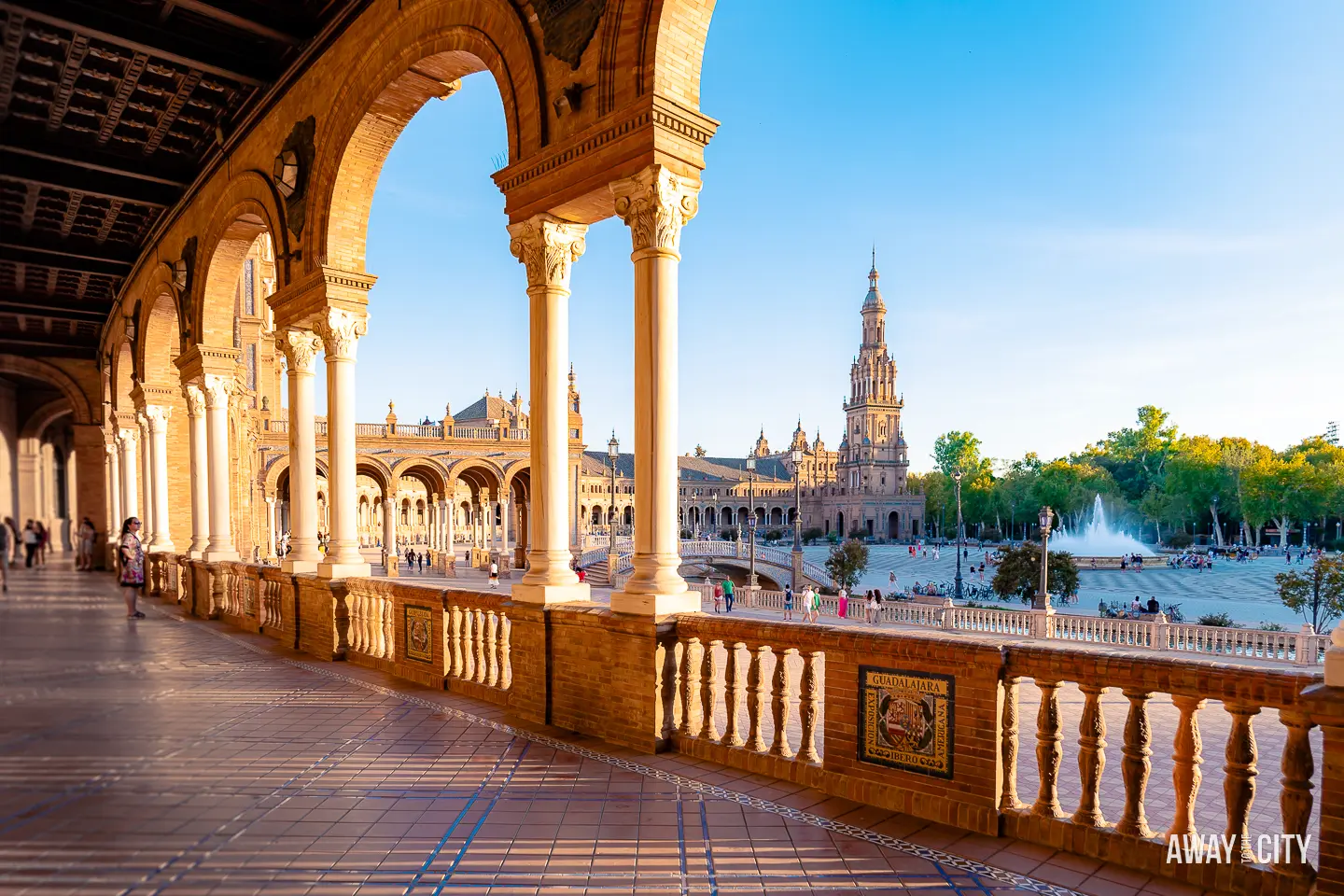
The central element of the square is its canal, connected by four magnificent bridges. Additionally, this plaza features over 7,000 ceramic azulejos (ceramic tiles) depicting scenes from Spanish history and literature – one of the world’s largest tile collections!
Did you know? Plaza de España gained international fame as the filming location for scenes on the planet Naboo in “Star Wars: Episode II – Attack of the Clones”.
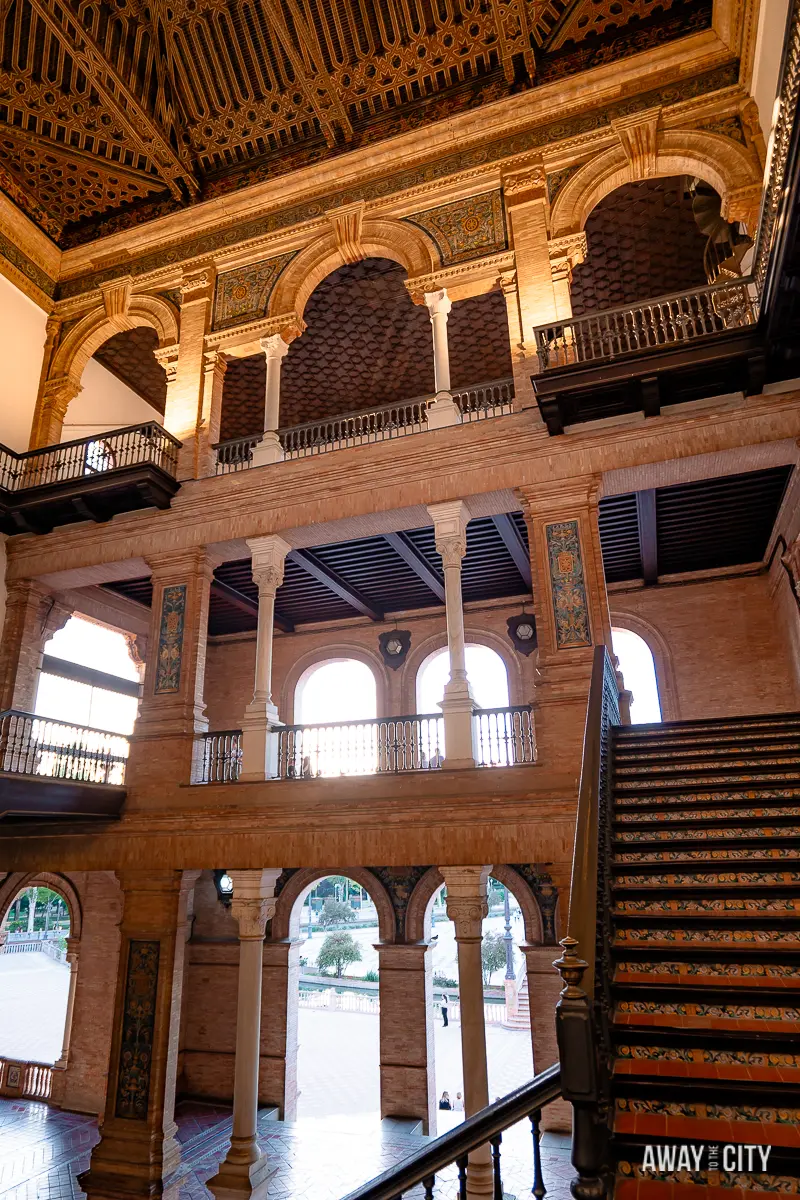
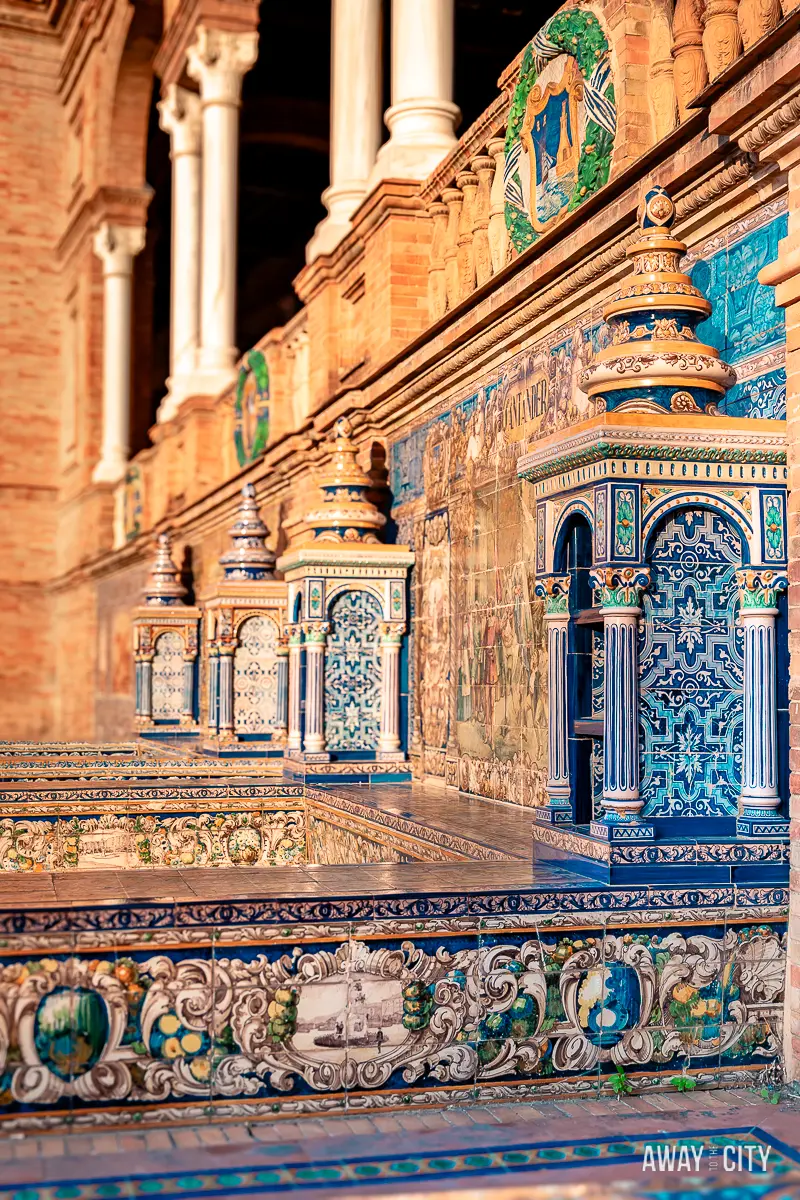
As you stroll along the canal, you can rent rowboats to paddle beneath the bridges.
Our top tip: Visit the Plaza de España early in the morning or late afternoon when the sunlight beautifully illuminates its tiles and architecture. Since it’s one of the most popular attractions in Seville, you’ll also avoid the crowds that way.

Admission and opening hours: Plaza de España is free to visit and open daily from 8am-10pm.
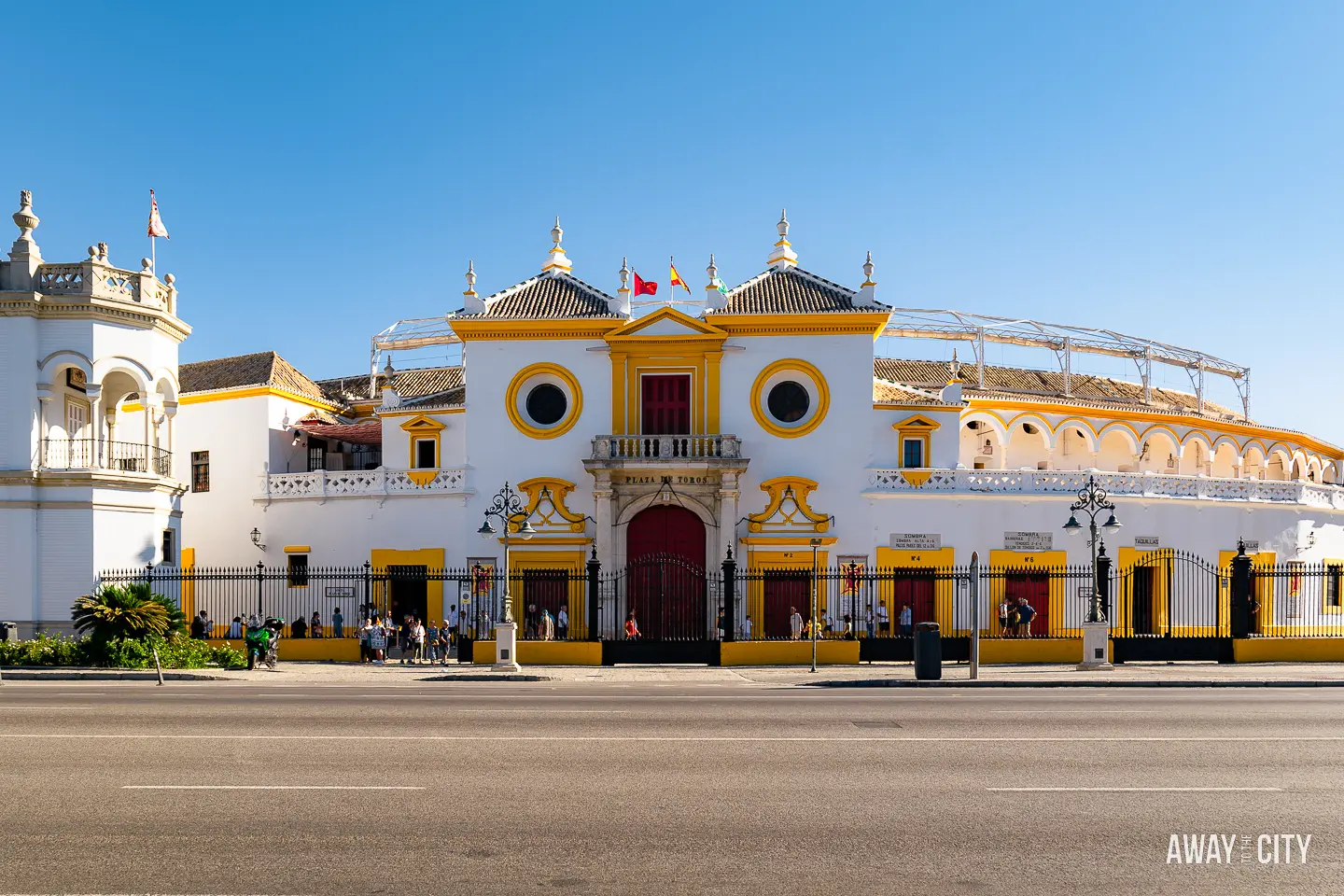
12. Tour La Maestranza Bullring
Plaza de Toros de la Real Maestranza de Caballería de Sevilla (often just called La Maestranza) dates back to the 18th century. This bullring has been the stage for legendary matadors and fierce bullfights for centuries.
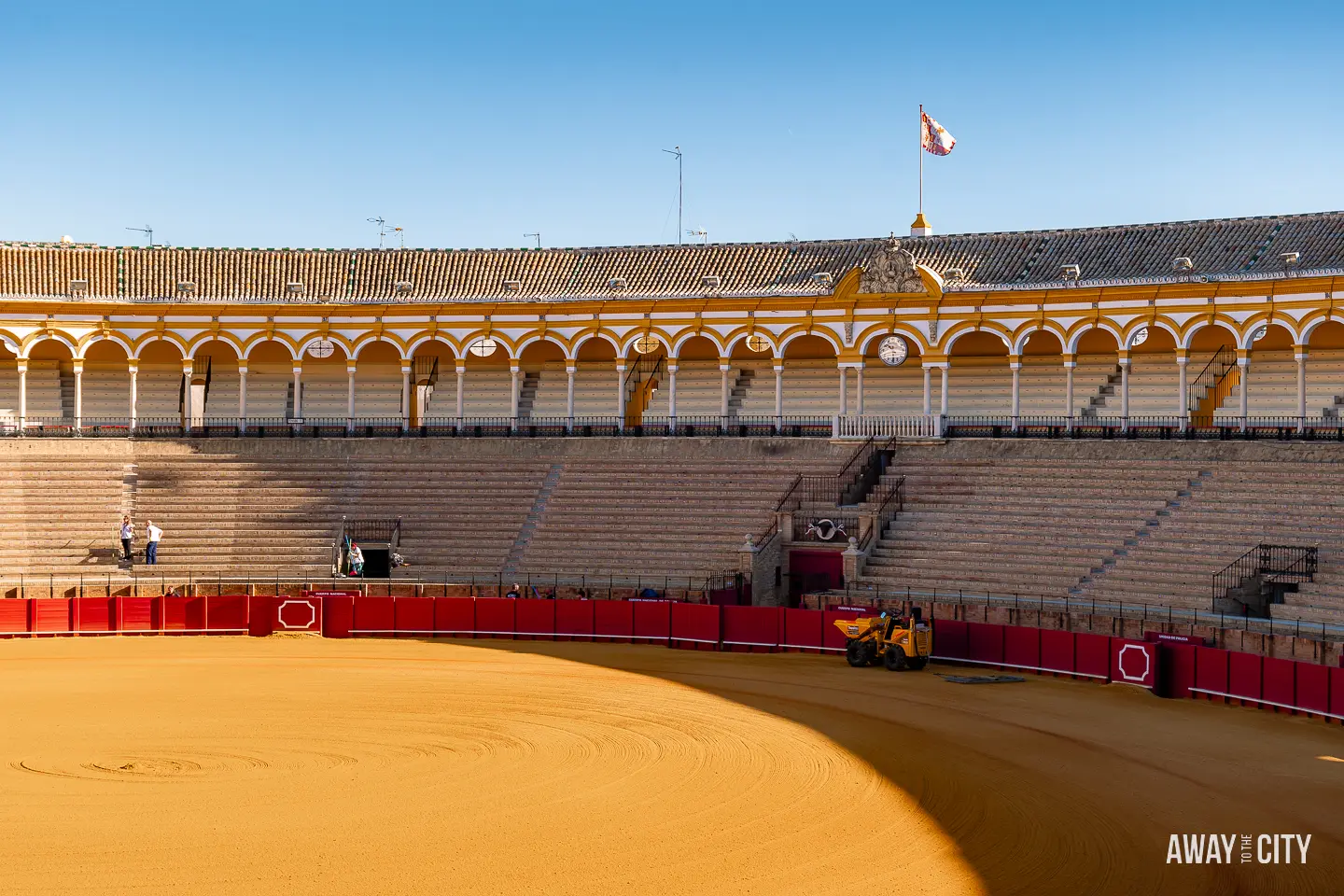
Did you know? La Maestranza can hold around 14,000 spectators and is one of the oldest bullrings in Spain.
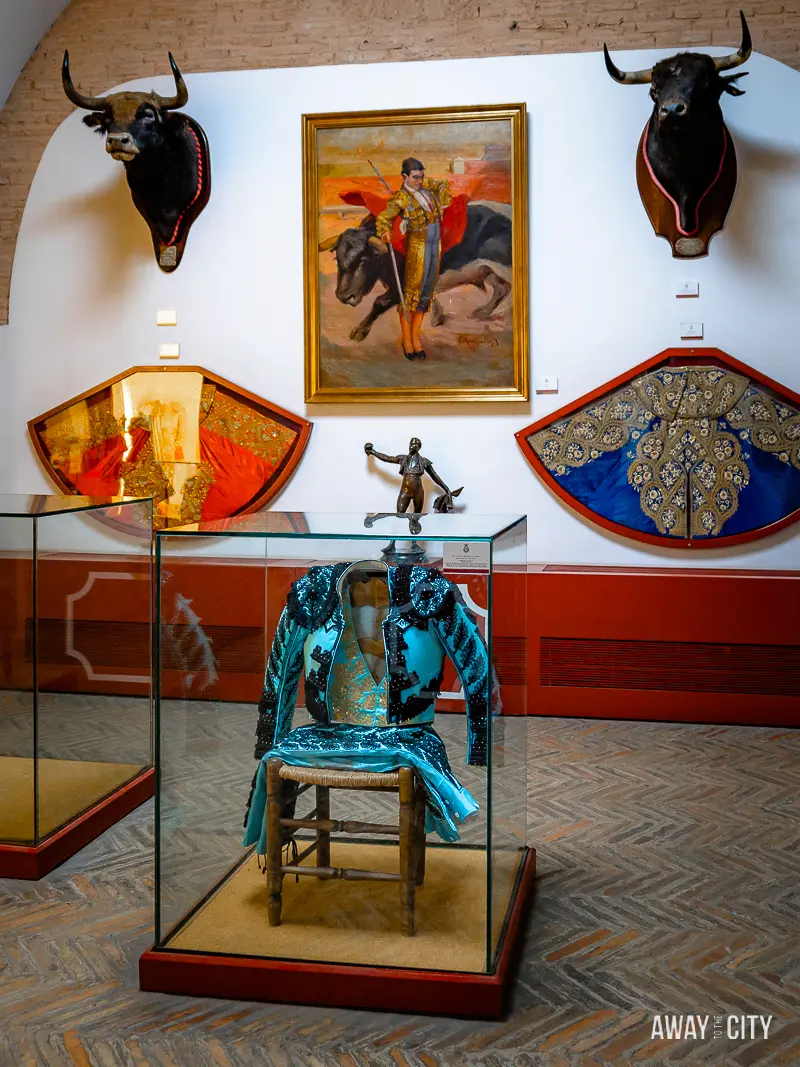
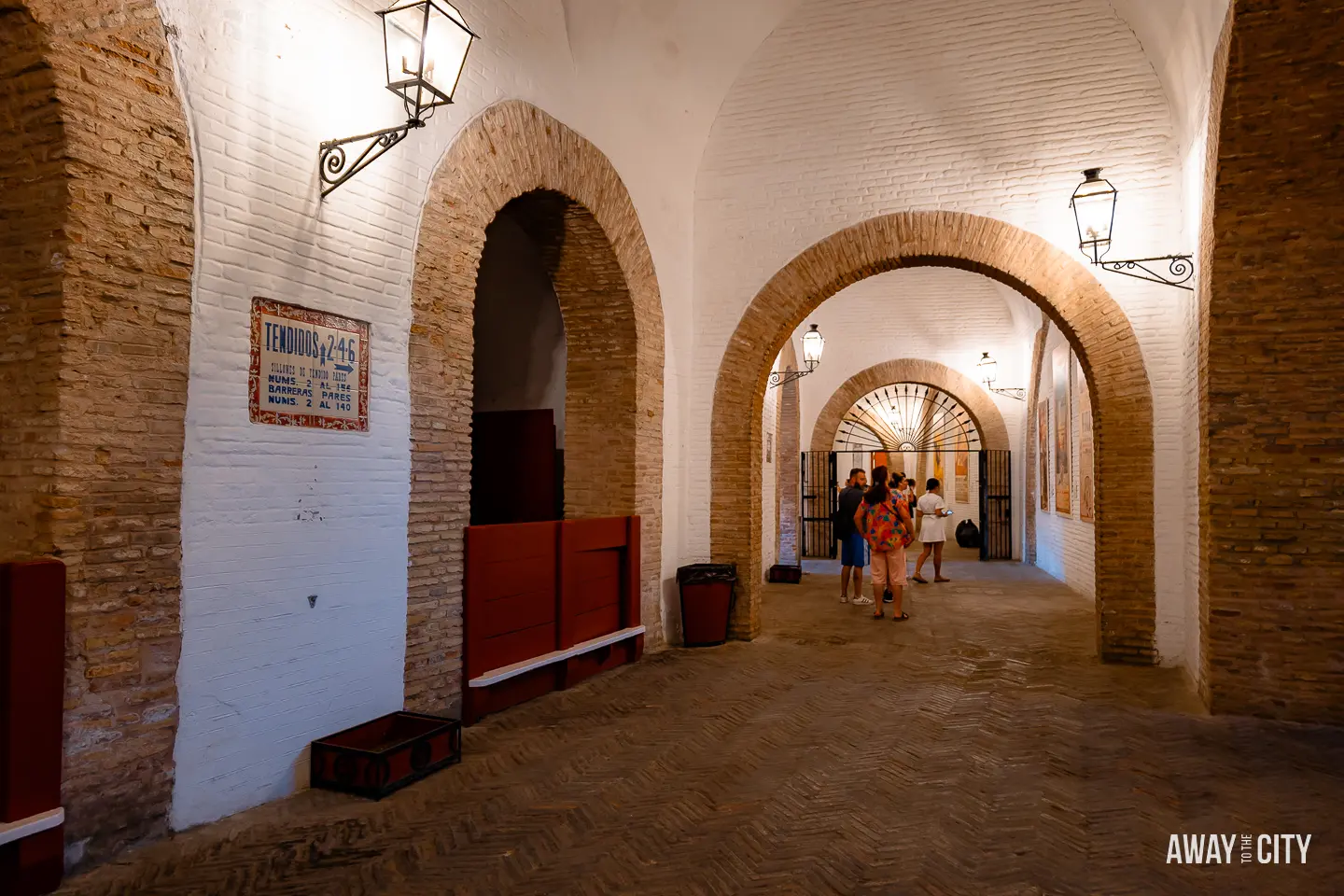
Although bullfighting is controversial, we found visiting the bullring on a tour to be an invaluable cultural experience.

Our Top Tips for Visiting La Maestranza Bullring
- We recommend booking the guided tour rather than just the audio guide. The local guides bring the history and traditions to life with a much richer context.
- Purchase tickets in advance; queues at the ticket office can get long.
- If you do prefer to go at your own pace, the self-guided audio option is available. Just scan the QR code at the entrance and bring headphones.
Admission and opening hours: A ticket for the guided tour of La Maestranza starts from €25 (about US$29 or £22). The bullring is open daily from 9:30am-7:30pm.
🏟️ Curious about Spain’s bullfighting traditions? The La Maestranza tour explains it all. Reserve your guided ticket.
13. Stroll and Shop Along Calle Sierpes
Calle Sierpes is one of Seville’s oldest streets, dating back to Roman times. Today it’s a lively pedestrian stretch about 400 metres (1,300 feet) long, filled with shops, cafés, and little boutiques.
Did you know? The street’s name, “Sierpes”, comes from the Spanish word for serpent, a nod to its winding layout.

At Calle Sierpes, you’ll come across various items, ranging from flamenco dresses and handcrafted ceramics to souvenirs.
There are also street performers, like flamenco dancers and guitarists, who bring an element of Andalusian culture into the street.
Our top tip: Enjoy a coffee or traditional Andalusian sweets in one of the historic cafés that line Calle Sierpes while people-watching.
Admission and opening hours: You can visit Calle Sierpes free of charge 24/7. Most shops are open from 10am-1:30pm and 5pm-8pm Monday to Friday, and 10am-2pm on Saturday.
Interactive Map: Best Things to Do in Seville
We’ve put together an interactive map for you to enhance your visit to Seville. It features all of the must-see spots and activities mentioned in this article.

How to use this map: Click the icon in the top left to see the full list of locations. For a bigger view, open it in a new tab via the top-right icon. You can also save it to your own Google Maps by clicking the star next to the map title.
Other Sights & Activities in Seville
For our city guides, we carefully select only those activities we feel offer the highest value experience and sightseeing opportunities. However, if you have more time in Seville, consider these additional attractions:
El Rinconcillo – This is Seville’s oldest tapas bar, founded in 1670.
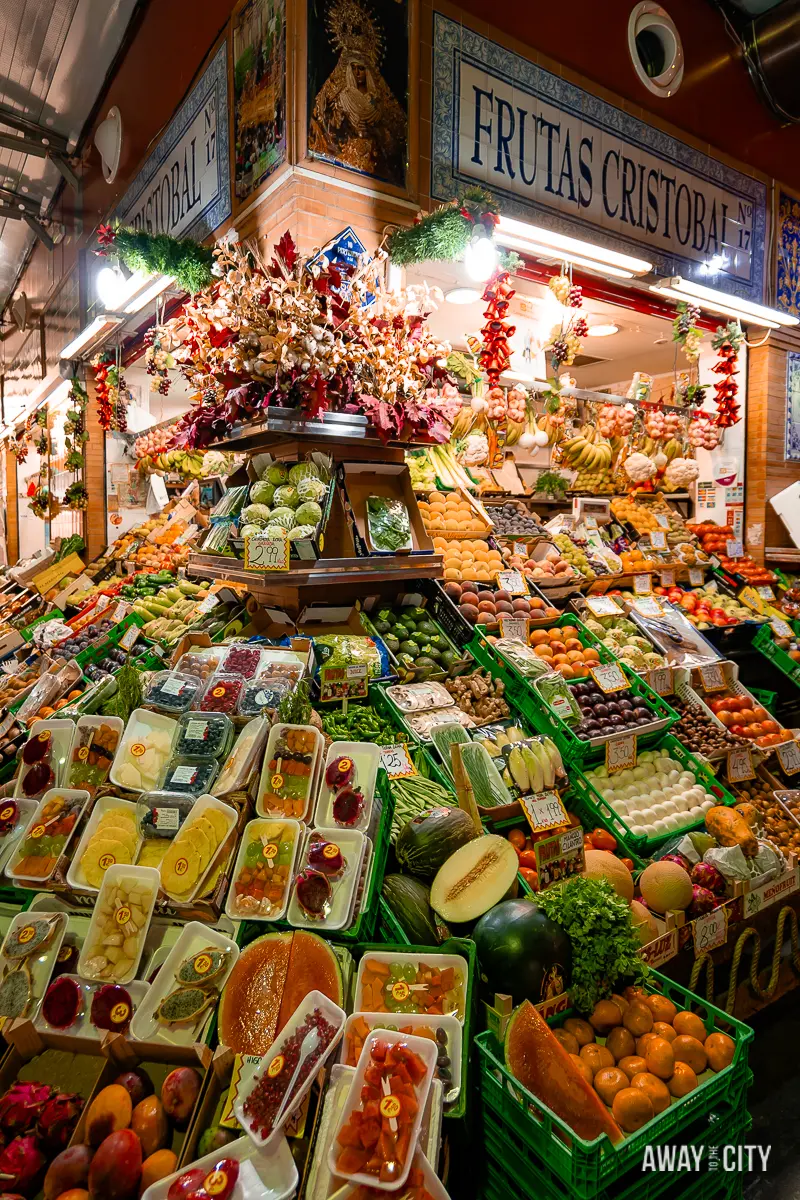
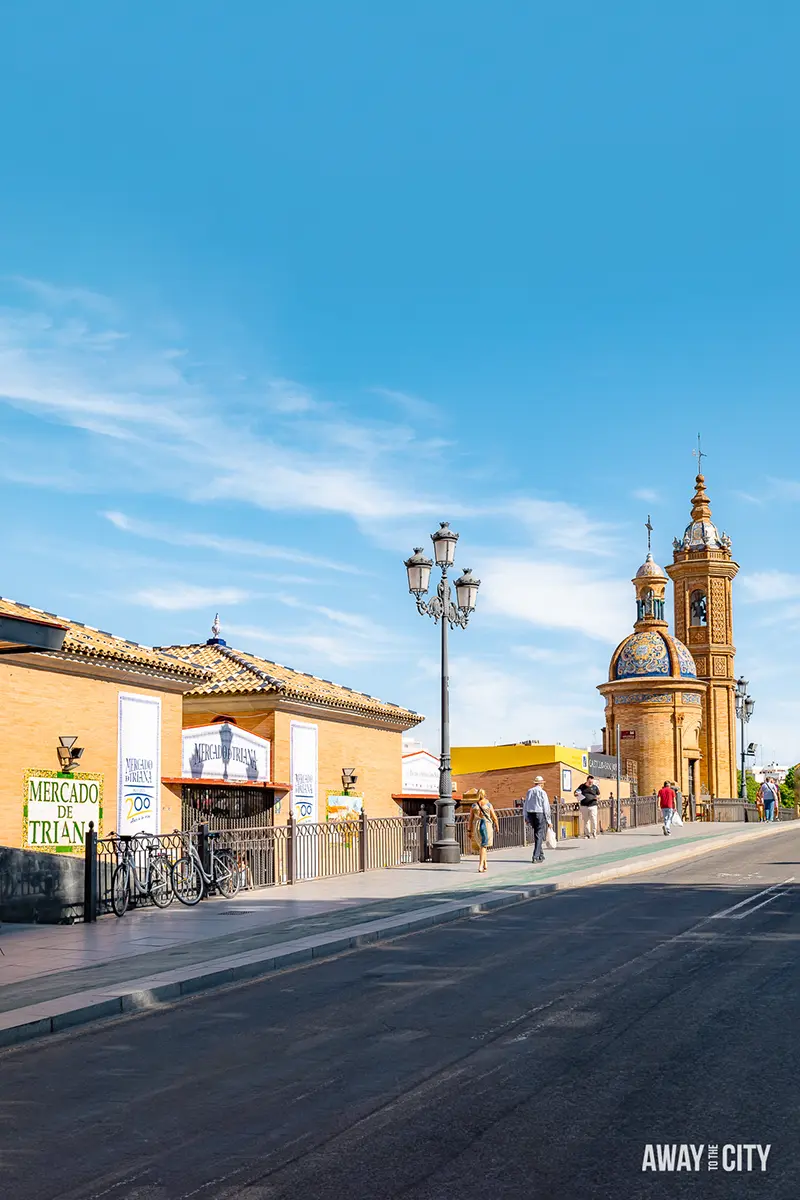
Mercado de Triana – We love to visit local food markets when visiting new cities, such as Borough Market in London or the Great Market Hall in Budapest. While Mercado de Triana might not boast as grand an atmosphere as these acclaimed markets, this local market still gives a genuine glimpse of Seville’s culinary scene.
Museum of Fine Arts – This museum houses an expansive collection of Spanish art from the medieval period through the 20th century.
Sightseeing Tour by Bus – There are multiple vendors that offer tickets. We booked a ticket with City Sightseeing, which we’ve used in multiple cities all over the world. However, due to Seville’s compact size and pedestrian-friendly streets, we recommend this option only if your feet need a break.
Festivals and Events – Spring is the ideal time to experience Seville’s major celebrations: Semana Santa (Holy Week), a celebration with elaborate religious processions, and Feria de Abril (April Fair), with flamenco shows and lessons, horse parades, tapas vendors, and much more!
Palace of the Countess of Lebrija – This 16th-century palace is a beautiful historical residence in Seville. However, we prefer Casa de Pilatos and Palacio de las Dueñas over this palace.
Eurostars Torre Sevilla – This restaurant is located in Andalucia’s highest building and offers breathtaking views of Seville’s skyline and surroundings.
General Archive of the Indies – This UNESCO World Heritage Site houses an expansive collection of documents related to Spain’s overseas territories. It’s a great spot to learn about Spain’s colonial past and admire the stunning architecture of the building.
Calle Betis – Take a stroll along the picturesque Calle Betis in Triana, a street known for its colourful houses and vibrant atmosphere.
Day Trips – Seville makes a brilliant base for exploring more of Andalusia, and one of the best trips we’ve done is to Ronda and Setenil de las Bodegas. Ronda’s cliffs and iconic stone bridge are breathtaking, while Setenil’s whitewashed houses tucked into the rock are unlike anywhere else in Spain. Gibraltar is another fun option with its British quirks, Spanish sunshine, and cheeky wild monkeys.

Best Time to Visit
Perfect month to visit: September
For the best time to visit Seville, consider September. With low rainfall and plenty of sunny days, this month provides ideal conditions for exploring Seville’s activities.
Our second choice would be June and November, as shown by our graphic. February, April, and May usually also offer favourable weather conditions.
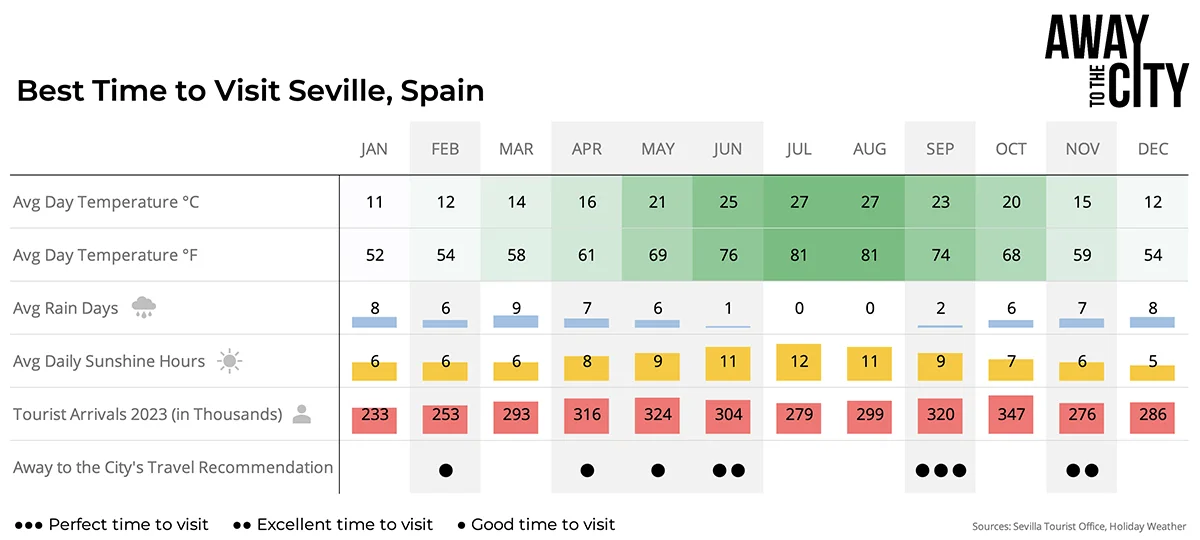
We would avoid July and August as Seville becomes very hot and dry during this period, with temperatures often surpassing 38°C (100°F). If you can handle the heat, this might be a good time to visit, as hotel rates and airfare tend to be cheaper. However, many locals leave Seville during these months, so some shops and restaurants might close earlier.
October sees the highest number of visitors, leading to longer queues. The other months typically bring more rainfall but may still provide rewarding experiences within the city.
How Long to Stay
Perfect duration to visit: 3 days
The ideal duration for your visit to Seville depends on your travel preferences and planned activities. We recommend 3 full days as it’s enough time to experience all the best things to do in Seville.
With 4-5 days, you have more time to explore Seville’s history and culture, visit surrounding areas like Triana and Carmona, take a day trip, or simply relax and take in its atmosphere.
Where to Stay
Best Neighbourhoods in Seville
For a convenient stay, we suggest picking a hotel near the city centre. The city is relatively compact, so being in the centre will allow you to walk to all the must-see landmarks and sites.
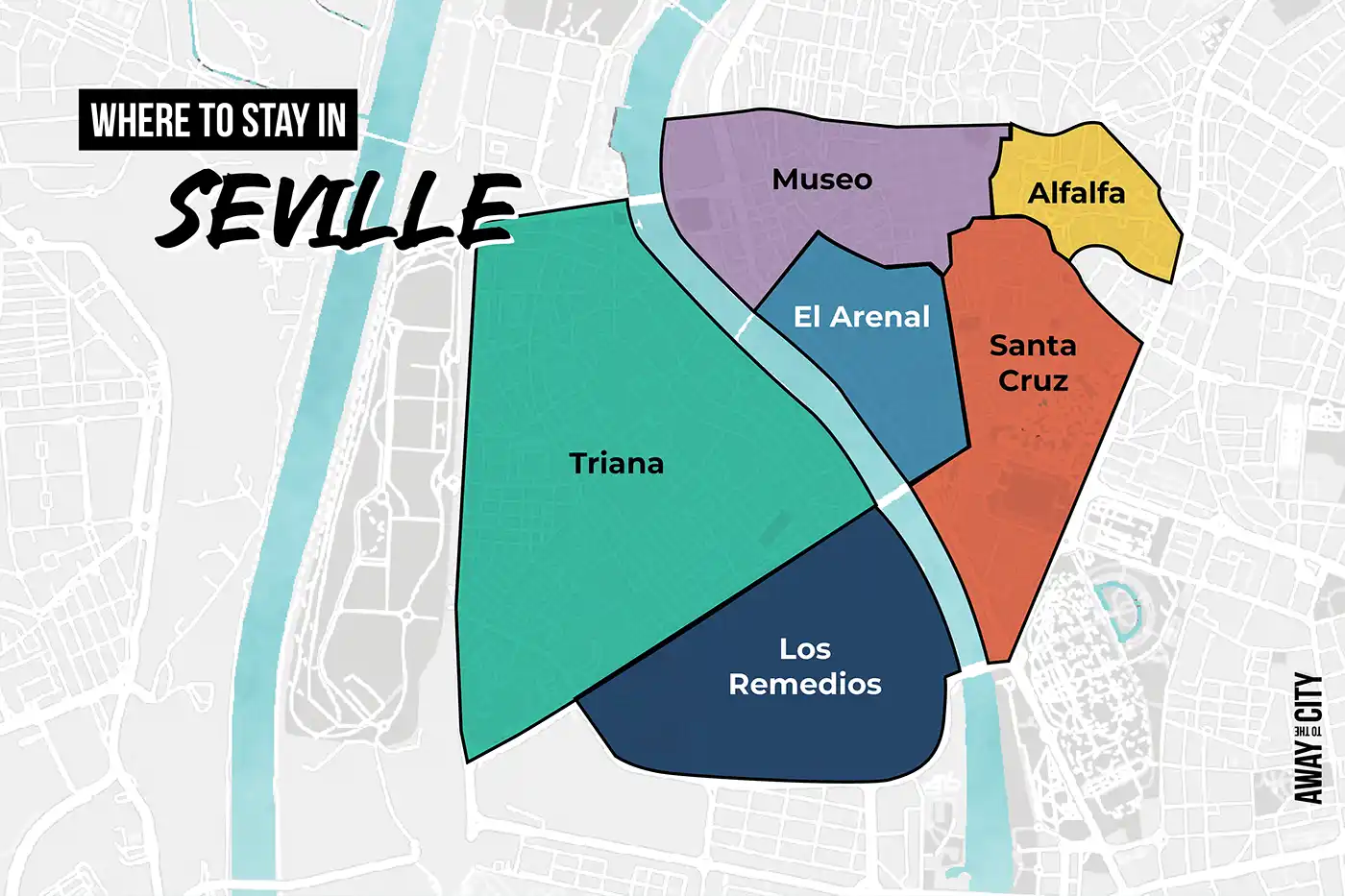
If it’s your first time in Seville, these neighbourhoods are top picks: El Arenal, Santa Cruz, Museo, Alfalfa, Triana, or Los Remedios.
- Santa Cruz is ideal for a central location and easy access to major attractions.
- Triana offers a vibrant atmosphere and beautiful views along the river.
- Los Remedios features a more modern area with wide avenues.
- El Arenal boasts historic charm and proximity to the bullring.
- Museo is known for its quiet streets and proximity to the Museum of Fine Arts.
- Alfalfa provides a lively atmosphere with great nightlife.
You can see Seville’s best districts for first-time visitors in our illustrated map below:
Best Hotels in Seville
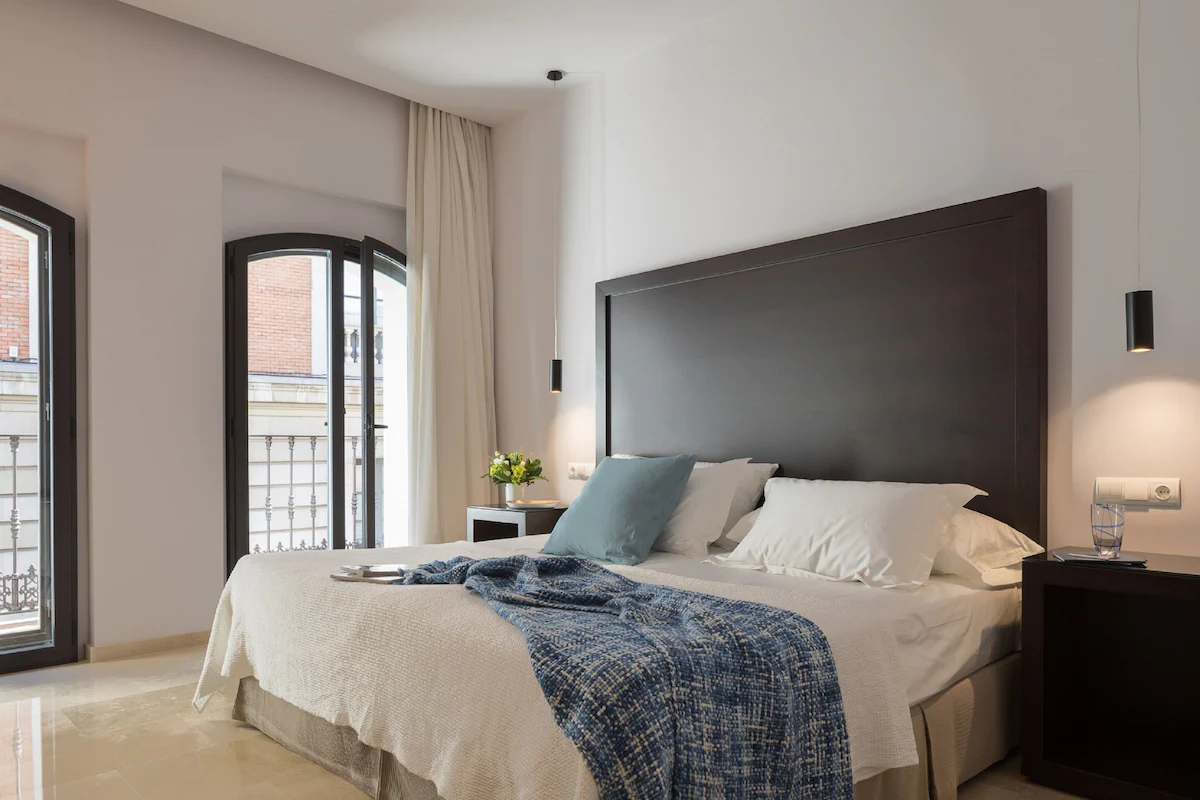
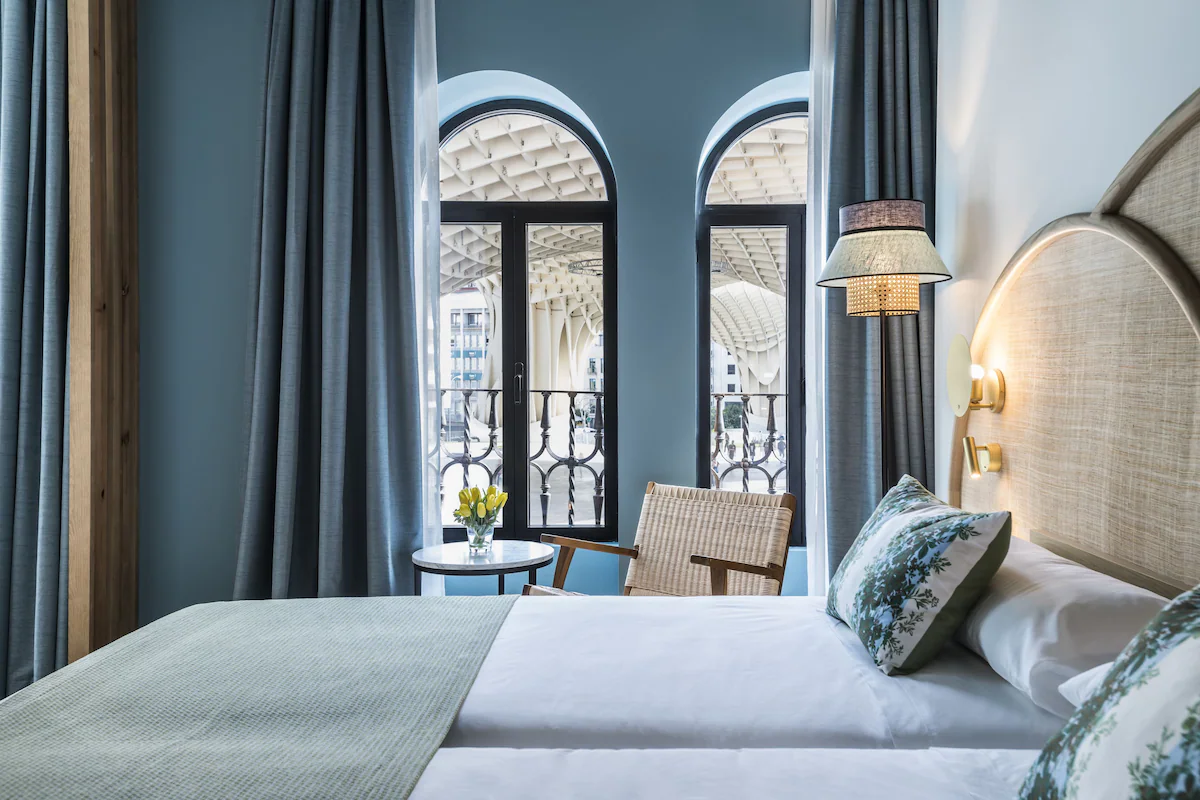
We’ve been to Seville three times now and stayed in a few different places. These two were our favourites:
Seville Travel Tips for First-Time Visitors
Here are some essential tips to help you navigate this vibrant Andalusian city like a seasoned traveller:
- Siesta time: Many shops and businesses close in the afternoon for siesta, typically between 2pm and 5pm. Plan your sightseeing and shopping accordingly.
- Tapas etiquette: Explore Seville’s renowned tapas scene by ordering a few small plates to share with your companions. It’s a social experience, so take your time and savour the flavours. You can find some of Seville’s best tapas bars in the neighbourhoods of Santa Cruz and El Arenal.
- Beat the heat: Seville gets very hot in summer (after all, it’s the hottest city in Europe). Pack light, breathable clothing, stay hydrated, and plan your sightseeing for cooler mornings and evenings. Consider a portable fan for those extra-warm days.
- Flamenco flair: Witness the passion of flamenco at a tablao (flamenco venue). While there are tourist-focused shows, seek out authentic performances for a truly unforgettable experience.
- Get an eSIM to connect to the internet: Don’t pay for pricey roaming fees or waste time looking for a physical SIM card in Spain. Instead, consider an eSIM plan for mobile data during your trip. It’s convenient, easy to install, and allows you to stay connected without switching SIM cards. We’ve tested many eSIM providers and love Ubigi. You can check out our full Ubigi eSIM data plan review to learn more.

- Public transport: Seville is walkable, but for longer distances or during the heat, the public transport system is efficient and affordable.
- Sundays are for museums: Many museums in Seville offer free admission on Sundays. Plan your museum visits accordingly to save some euros!
- Tipping: Tipping in Seville is not mandatory, but always appreciated for good service. As a guideline, a small tip of 5-10% of the bill is customary for good service in restaurants. You can leave loose change or ask the waiter to “keep the change” from your payment. In taxis, rounding up the fare is a nice gesture.
FAQ: Visiting Seville
To help you plan your visit to the beautiful city of Seville, we’ve answered some of the most frequently asked questions (FAQ):
What is Seville best known for?
Seville is well-known for its blend of architectural styles. You’ll find elements of Moorish, Gothic, and Renaissance design. Visitors flock to see Real Alcázar Palace and Seville Cathedral, the third-largest church worldwide! Seville is also famed as the birthplace of flamenco dancing and boasts a vibrant tapas scene, with countless bars and restaurants that serve these small plates of Spanish cuisine.
Is Seville worth visiting?
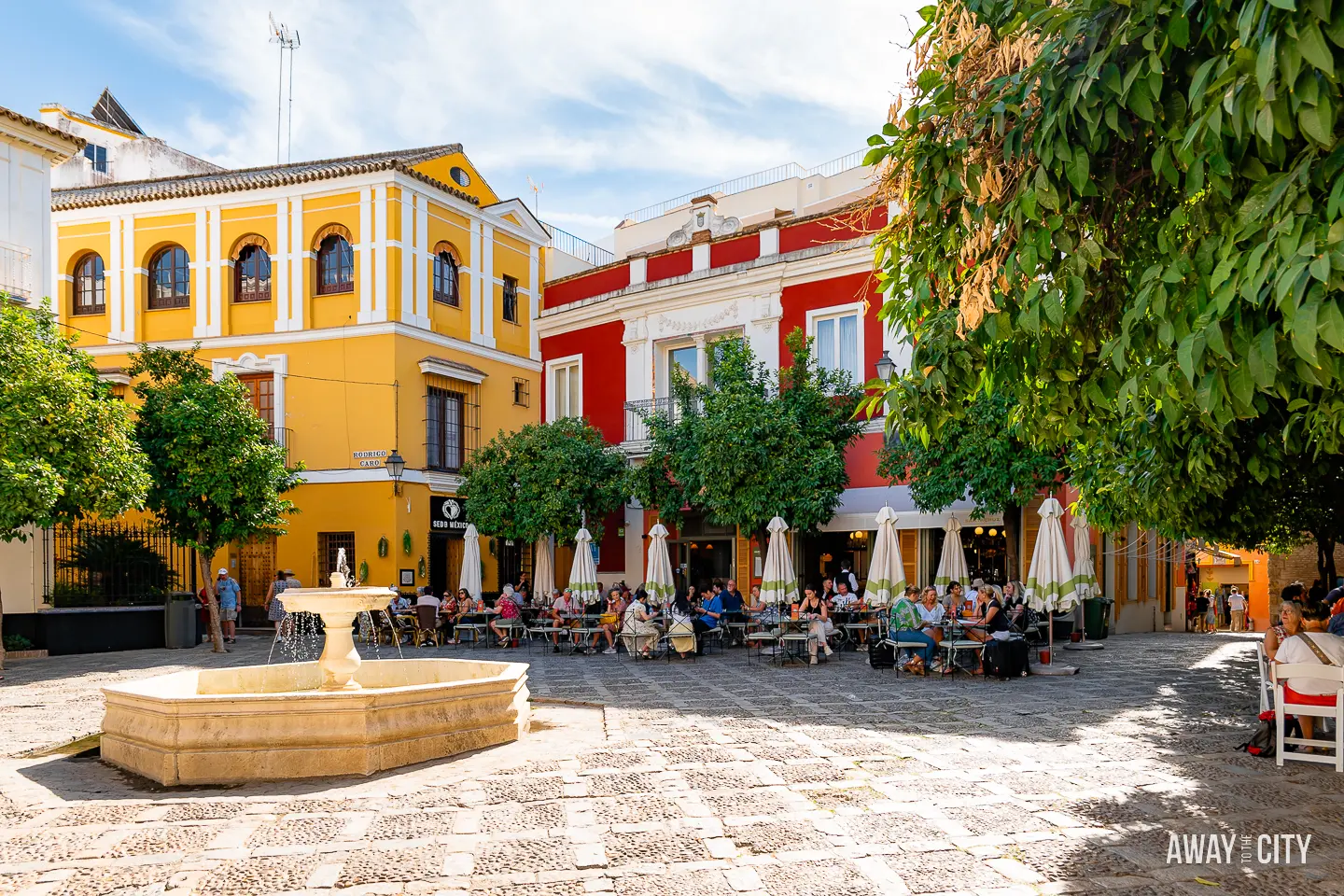
Absolutely! Seville is the perfect mix of history, culture and charm. You can discover its winding streets lined with orange trees, relax in its many plazas, and experience passionate flamenco performances. And as a foodie, you shouldn’t miss tapas! For us, Seville is easily one of the 20 most beautiful cities in Europe.
Is Seville a walkable city?
Seville’s historic centre is compact, and the major attractions are within walking distance. The narrow streets and alleyways of Seville’s old town are perfect for exploring the city on foot. For attractions located further out, buses and trams are available.

Why does Seville have so many orange trees?
When visiting Seville, you quickly notice the large number of orange trees. In fact, there are over 40,000 orange trees, making Seville the city with the most orange trees in the world. The oranges you’ll find in Seville are mainly of the bitter variety, which are typically not consumed but instead used decoratively. There was once a widespread belief that planting this type of orange tree would bring happiness to its owner.
Has Seville got a beach?
No, Seville isn’t located on the coast, so it doesn’t have a beach. However, you can easily access several beaches within 1-2 hours from Seville. Cadiz, Huelva and Malaga are popular beach destinations near Seville that you can visit to take advantage of sandy shores, clear waters, and various beach activities.
What food is Seville known for?
Tapas are an integral part of Sevillano life. Indulge in small plates featuring fresh seafood, cured meats, creamy cheeses, and local vegetables. Try iconic dishes like gazpacho (chilled tomato soup) and espinacas con garbanzos (spinach and chickpea stew).
Planning Your Next City Break?
Seville easily earns its spot as one of Spain’s most beautiful cities. Three days here gives you just enough time to walk its historic streets, visit some unforgettable landmarks, and settle into the pace of local life… of course, with plenty of tapas breaks in between!
If you’re ready to keep exploring, Gibraltar makes a fun and unusual day trip from Seville. It’s a surreal mix of Spanish sunshine and British charm: red phone boxes, English pubs, and the only place in Europe where wild monkeys might try to steal your snacks.
Or maybe you’re dreaming even bigger? Don’t miss our guide to the best cities to visit in Europe at least once. Seville made the list, but so did a few hidden gems you might not have considered yet.
Whatever you choose, we hope this guide helped you plan a trip that feels easy to organise and unforgettable once you’re there.
 All Seville pictures were captured with our Panasonic Lumix S5
🇪🇸 Plan Your Spain Trip with Our Guides
📍 Barcelona
📍 Seville